


Secondary sourcePainting
Saint Teresa
Schelte Adamsz. Bolswert, after Peter Paul Rubens
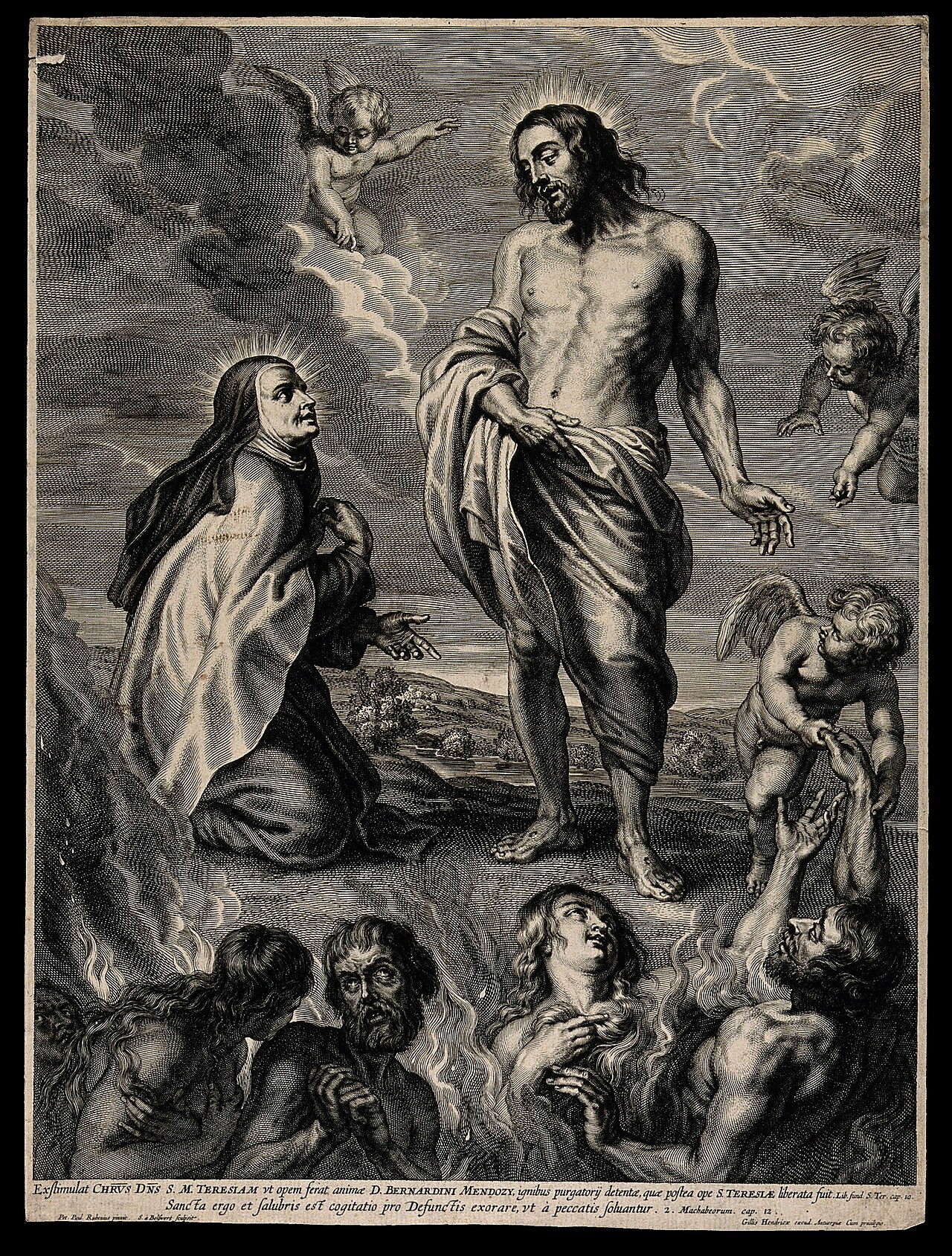
A 17th-century engraving by Schelte Bolswert after Peter Paul Rubens, showing Teresa interceding for souls in purgatory before Christ.
This widely circulated engraving shaped the European image of Teresa as an intercessor for souls.
About this source
What it is
This engraving was made by Schelte Adamsz. Bolswert after a design by Peter Paul Rubens. It shows Teresa kneeling with a halo, gazing up at Christ, who stands largely unclothed except for a draped cloth, while souls burn in flames below and cherubs hover in the clouds, with a Latin inscription beneath.
Why it matters
Reproductive engravings like this one allowed Rubens' religious imagery to travel cheaply and widely across Europe, spreading a particular vision of Teresa as an intercessor for souls in purgatory. It shows how printmaking helped shape and spread the visual image of saints during the Counter-Reformation.
Look closer
- Why would an engraving, rather than a painting, have been used to spread this image widely?
- What is the effect of placing Christ's figure and the burning souls so close together?
- What might the Latin inscription have told viewers who could read it?
This painting is part of the curated material that grounds the AI version of Teresa of Ávila on Humy.ai — when students ask about related events, the AI can quote it and cite it.
More Teresa of Ávila sources
Browse all 93 →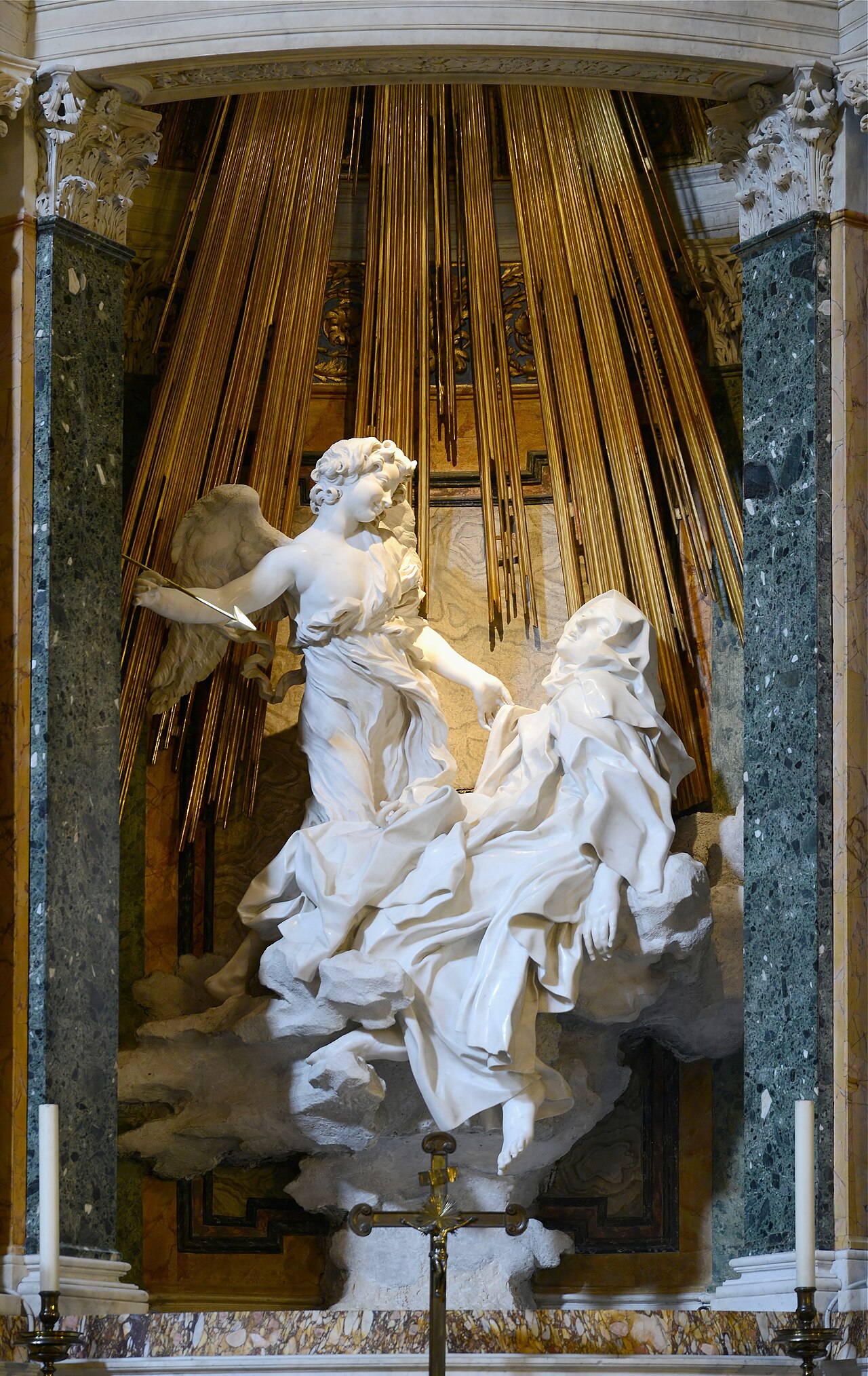 Sculpture
Secondary source
Ecstasy of Saint Teresa
Gian Lorenzo Bernini · 1647-1652
Primary source
The Interior Castle
Teresa of Ávila · written 1577, printed 1588
 Painting
Primary source
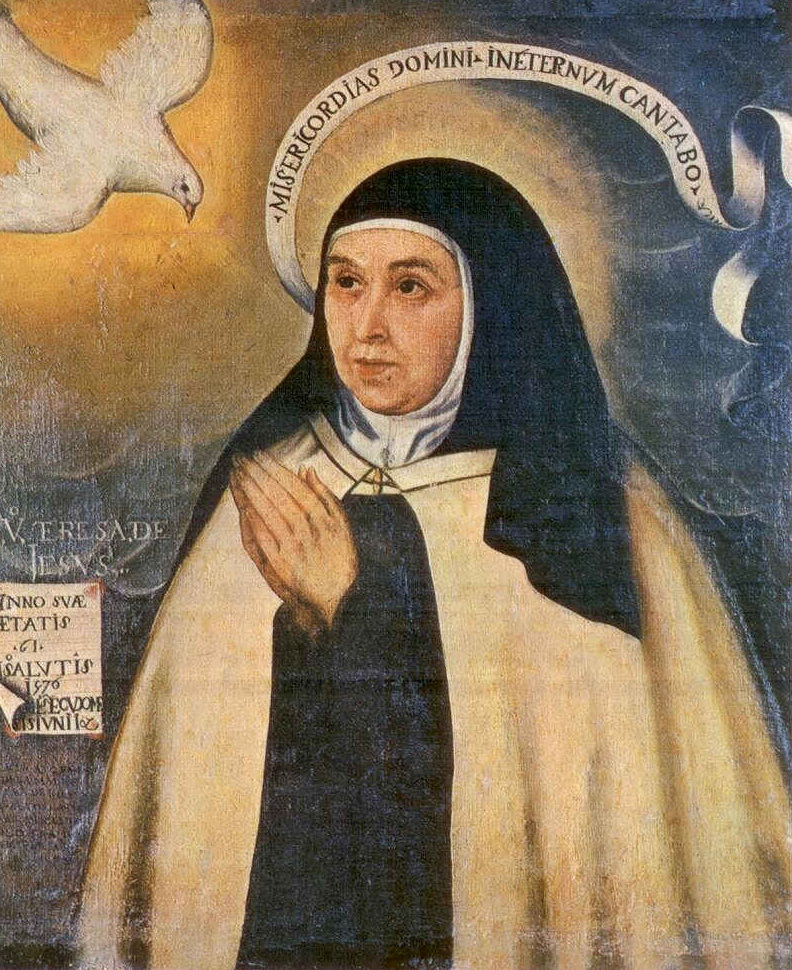
Portrait of Saint Teresa of Ávila
Juan de la Miseria · 1576
 Document
Primary source
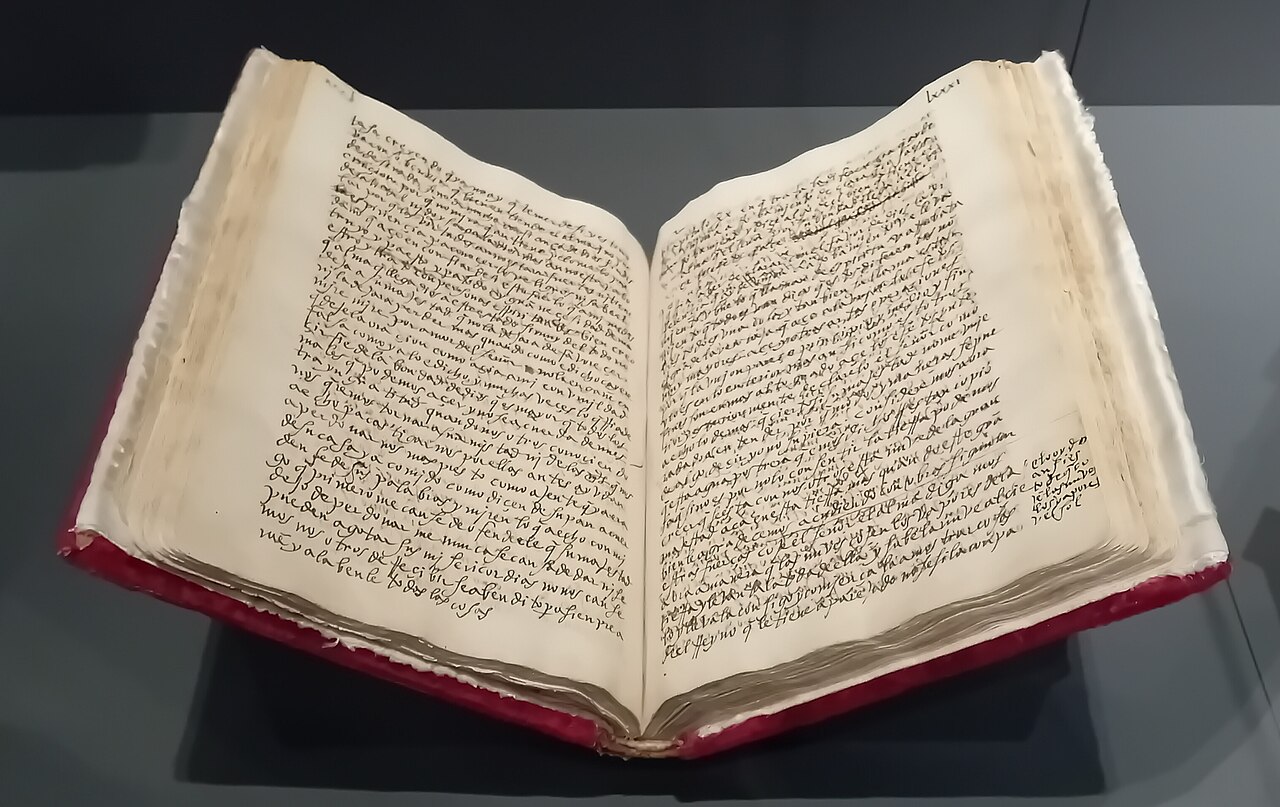
Manuscrito de la Vida de Santa Teresa de Jesús
Teresa of Ávila · 1562

Free account
Read every Teresa of Ávila source
Sign up free →
Ready when you are
Start chatting with Teresa of Ávila now.
20 messages free · No credit card · Available in 50+ languages.