


Secondary sourcePainting1612-1614
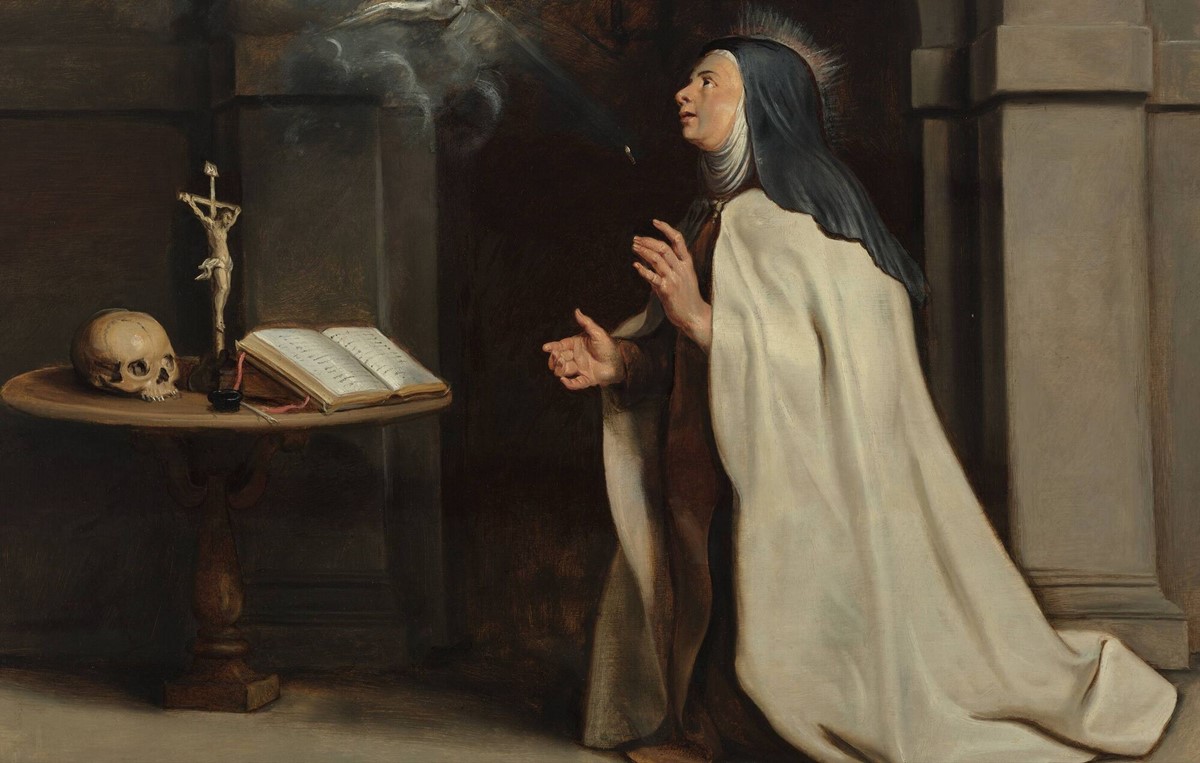
Saint Teresa of Ávila's Vision of the Holy Spirit
Peter Paul Rubens · 1612-1614
A 1614 painting by Peter Paul Rubens showing a vision Teresa of Ávila described in her autobiography.
This painting depicts a vision Teresa herself described in her autobiography, showing her as a mystic.
About this source
What it is
This painting, made between 1612 and 1614 by Peter Paul Rubens, is now held in the Museum Boijmans Van Beuningen in Rotterdam. It shows a vision described by Teresa of Ávila in her own autobiography, and is one of three surviving versions of the subject that Rubens painted.
Why it matters
The painting dates from the year of Teresa's beatification in 1614, showing how quickly artists in the Counter-Reformation began using her visionary experiences as subject matter. It reveals how Rubens and other Flemish artists helped spread an image of Teresa as a mystic across Catholic Europe, shaping how people imagined her spiritual life.
Look closer
- What objects surround the kneeling woman, and what might they symbolize about her life and death?
- Why would Rubens paint this scene so soon after Teresa's beatification?
- How does a painted vision differ from Teresa's own written description of it?
This painting is part of the curated material that grounds the AI version of Teresa of Ávila and Peter Paul Rubens on Humy.ai — when students ask about related events, the AI can quote it and cite it.
More Teresa of Ávila sources
Browse all 93 →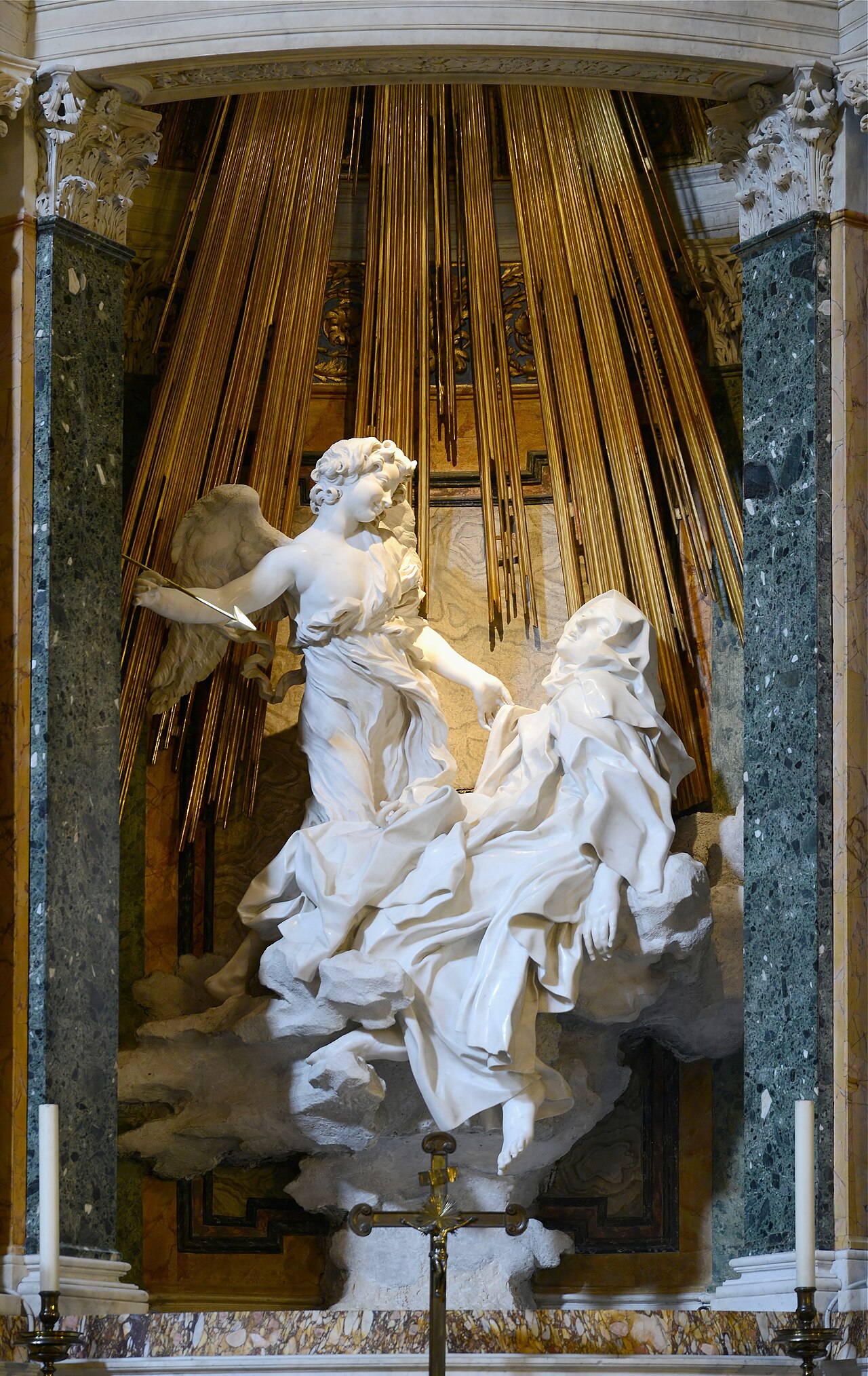 Sculpture
Secondary source
Ecstasy of Saint Teresa
Gian Lorenzo Bernini · 1647-1652
Primary source
The Interior Castle
Teresa of Ávila · written 1577, printed 1588
 Painting
Primary source
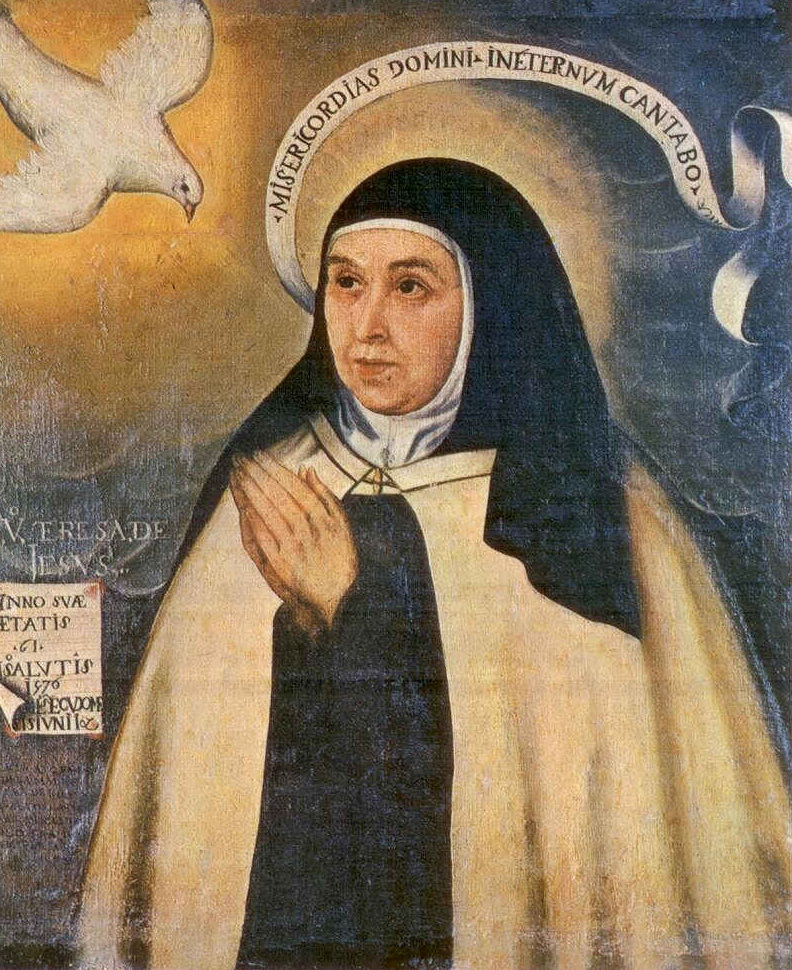
Portrait of Saint Teresa of Ávila
Juan de la Miseria · 1576
 Document
Primary source
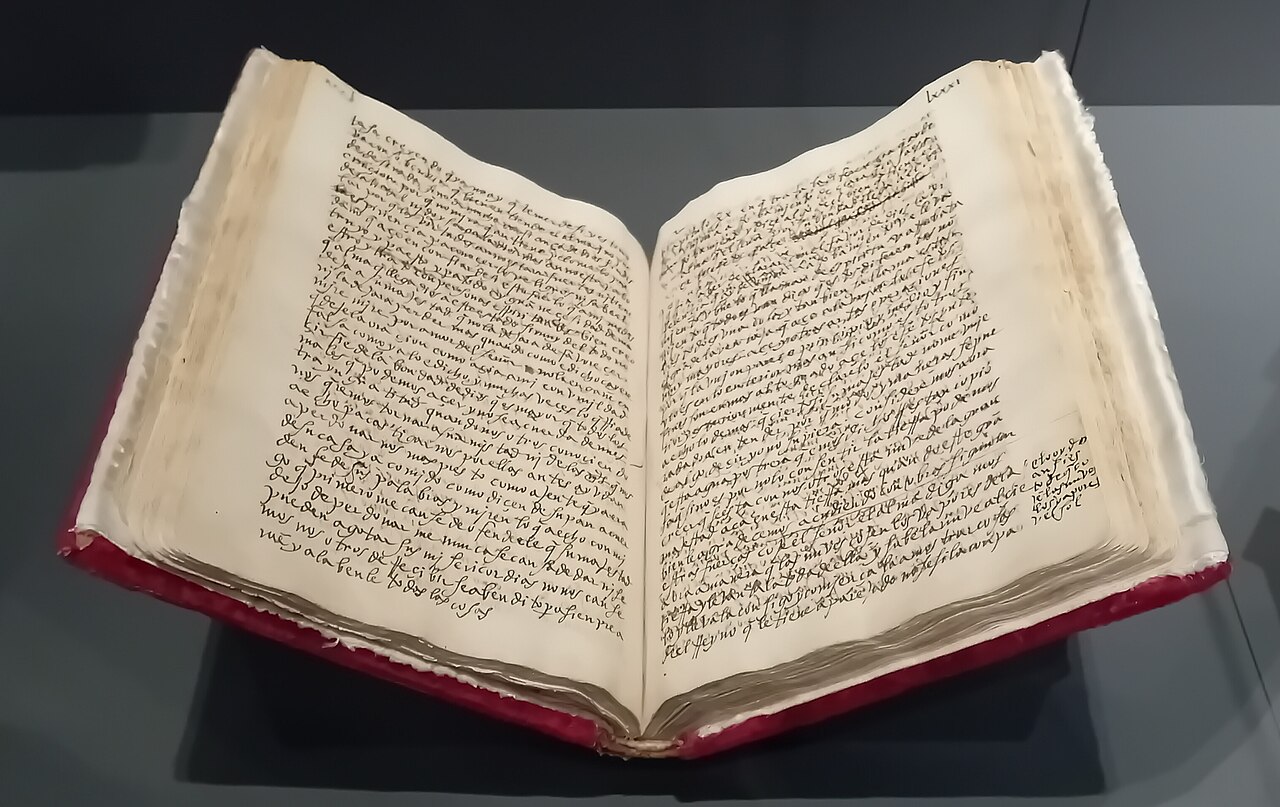
Manuscrito de la Vida de Santa Teresa de Jesús
Teresa of Ávila · 1562
Free account
Read every Teresa of Ávila source
Sign up free →
Ready when you are
Start chatting with Teresa of Ávila now.
20 messages free · No credit card · Available in 50+ languages.