


Secondary sourcePaintingprobably 19th century (approximately 1830?)
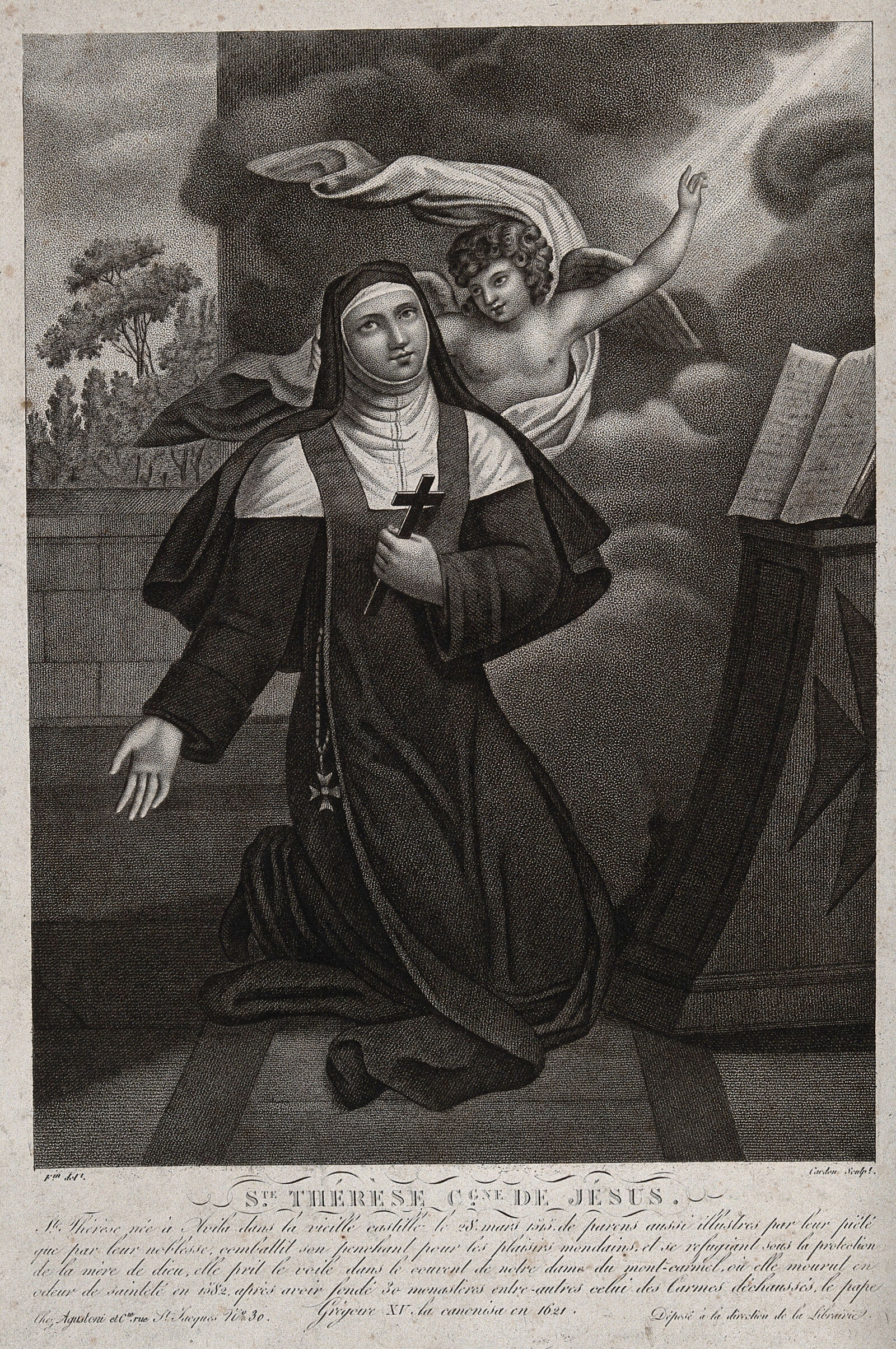
Saint Teresa, stipple engraving by Carden
Carden · probably 19th century (approximately 1830?)
A stipple engraving by Carden showing Saint Teresa kneeling with a crucifix as a cherub reaches toward a beam of light. It was probably made in the 19th century.
A 19th-century print showing Teresa at prayer, reflecting how her devotion was pictured for later audiences.
About this source
What it is
This is a black and white stipple engraving held by the Wellcome Collection in London. The record gives its date as uncertain, approximately 1830, and the curator's note says it was probably made in the 19th century. The engraver is named as Carden. The image shows a kneeling nun in a black habit and white wimple, holding a crucifix and looking upward. A winged cherub in the clouds reaches toward a beam of light. An open book rests on a lectern at the right, and a tree and wall appear at the left. The caption is in French.
Why it matters
Teresa of Ávila (1515–1582) was a Roman Catholic saint. Stipple engravings were a popular way to reproduce images in the 1800s, so this print shows how her likeness and devotion were shared with a wide public long after her death. Because it was made centuries after she lived, it is a secondary source about how she was remembered, not a record of her own time.
Look closer
- What does the kneeling pose and the crucifix suggest about how the saint is meant to be seen?
- The date is uncertain. What clues in the image or the record might help date it?
- Why might a 19th-century engraver include a book and a lectern in a scene about prayer?
This painting is part of the curated material that grounds the AI version of Teresa of Ávila on Humy.ai — when students ask about related events, the AI can quote it and cite it.
More Teresa of Ávila sources
Browse all 93 →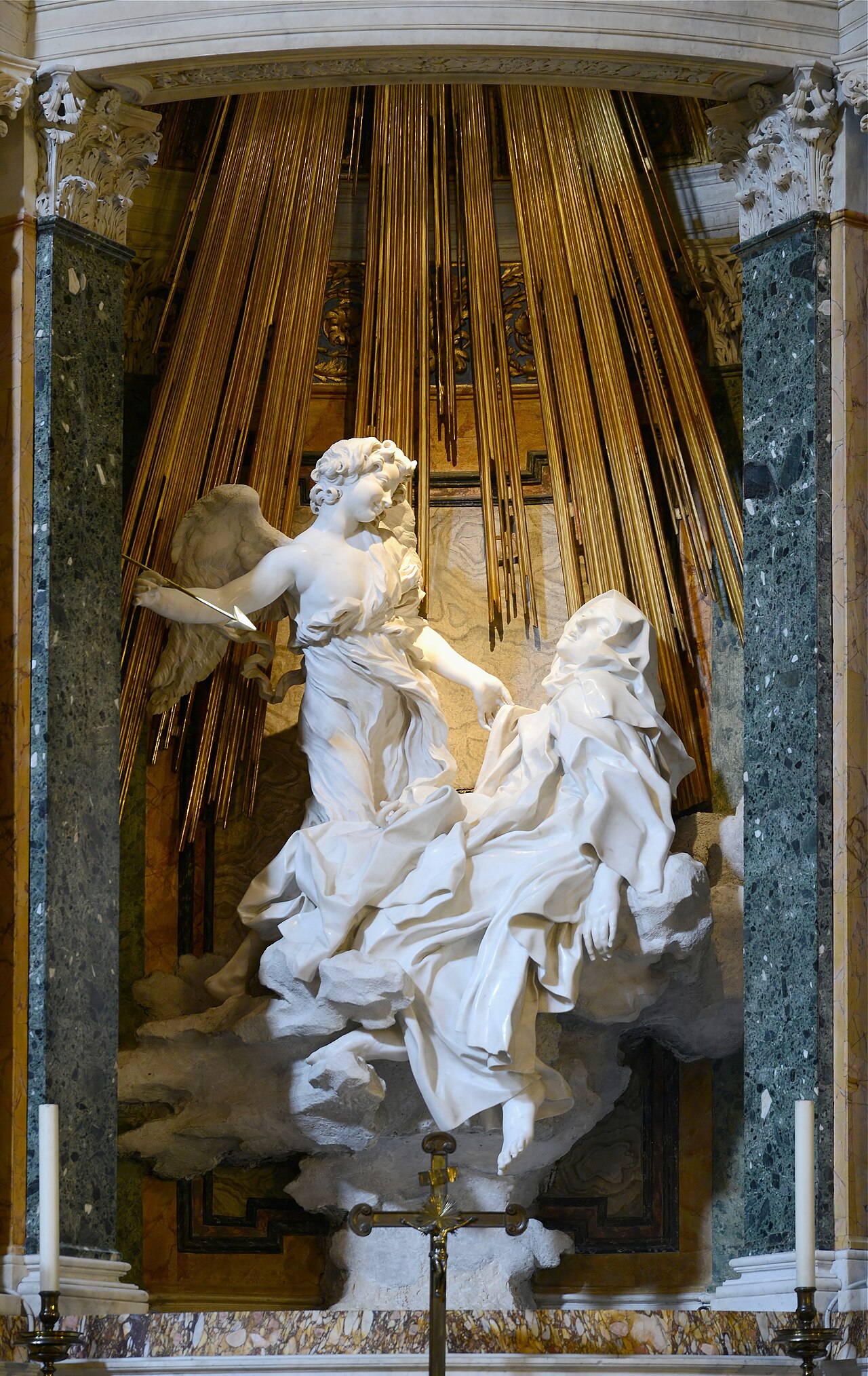 Sculpture
Secondary source
Ecstasy of Saint Teresa
Gian Lorenzo Bernini · 1647-1652
Primary source
The Interior Castle
Teresa of Ávila · written 1577, printed 1588
 Painting
Primary source
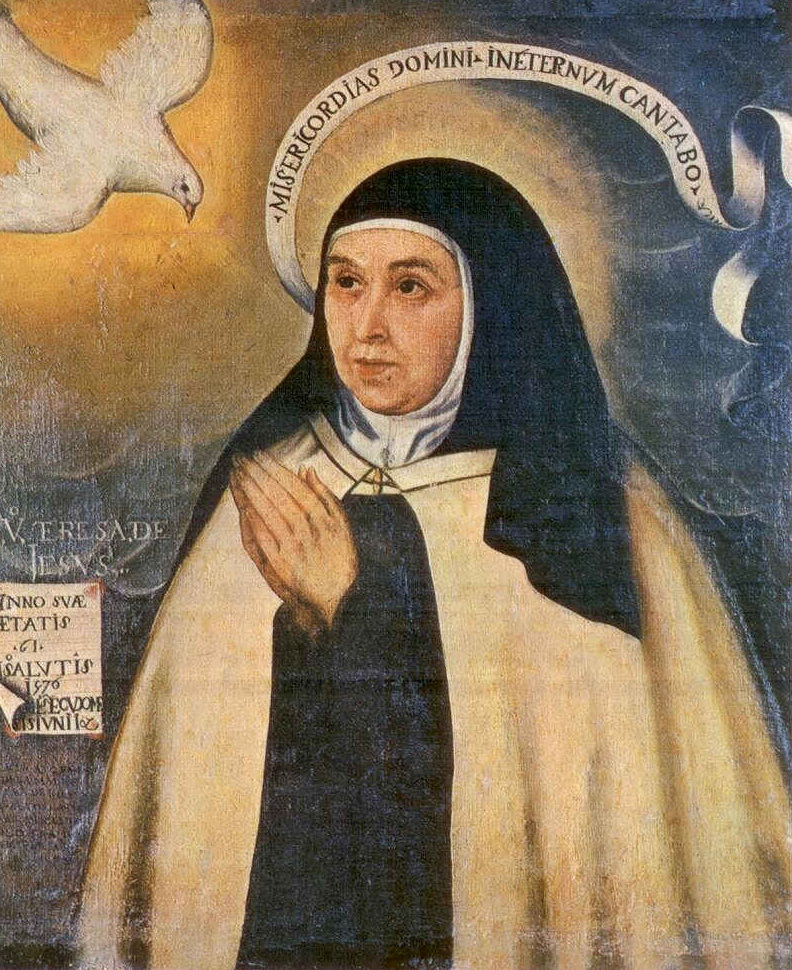
Portrait of Saint Teresa of Ávila
Juan de la Miseria · 1576
 Document
Primary source
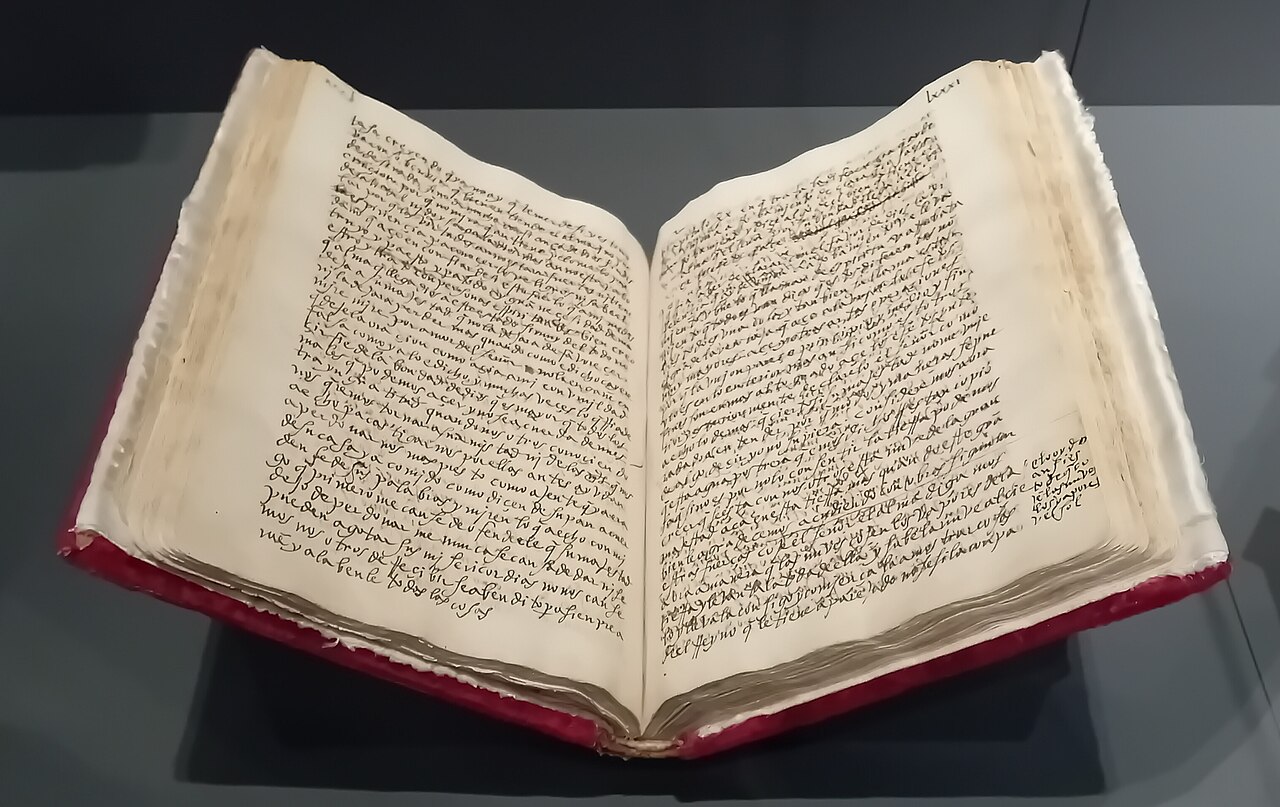
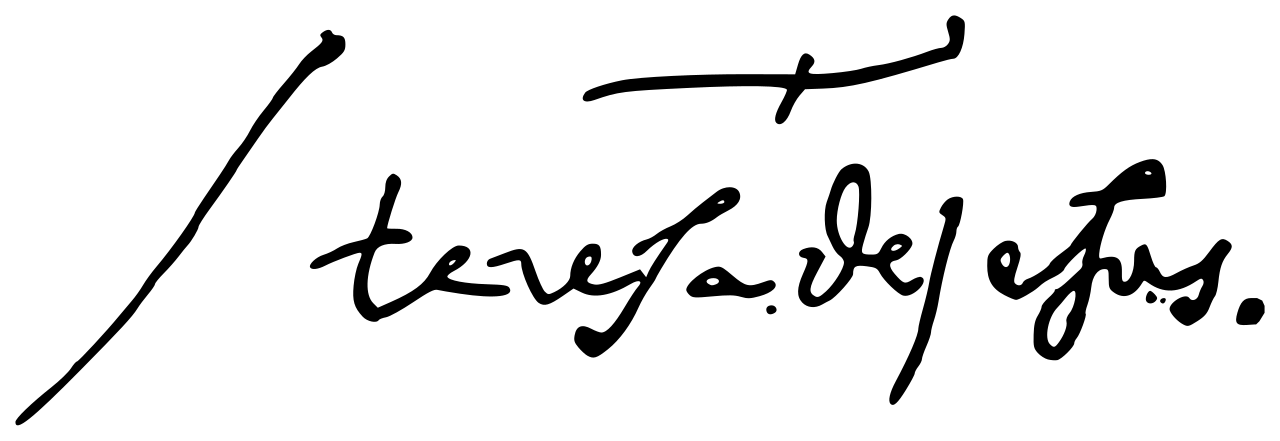
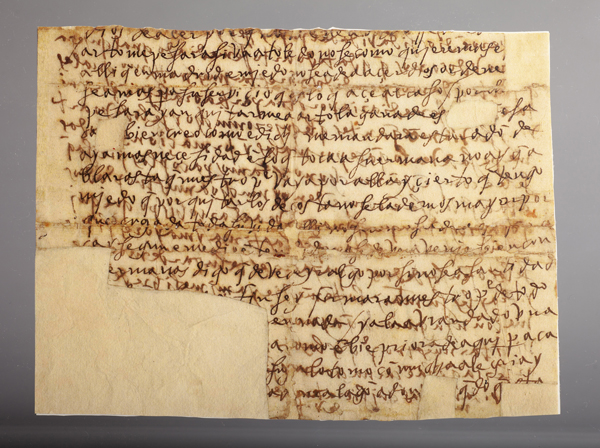
Manuscrito de la Vida de Santa Teresa de Jesús
Teresa of Ávila · 1562
Free account
Read every Teresa of Ávila source
Sign up free →
Ready when you are
Start chatting with Teresa of Ávila now.
20 messages free · No credit card · Available in 50+ languages.