


Primary sourcePhotographc. 1948
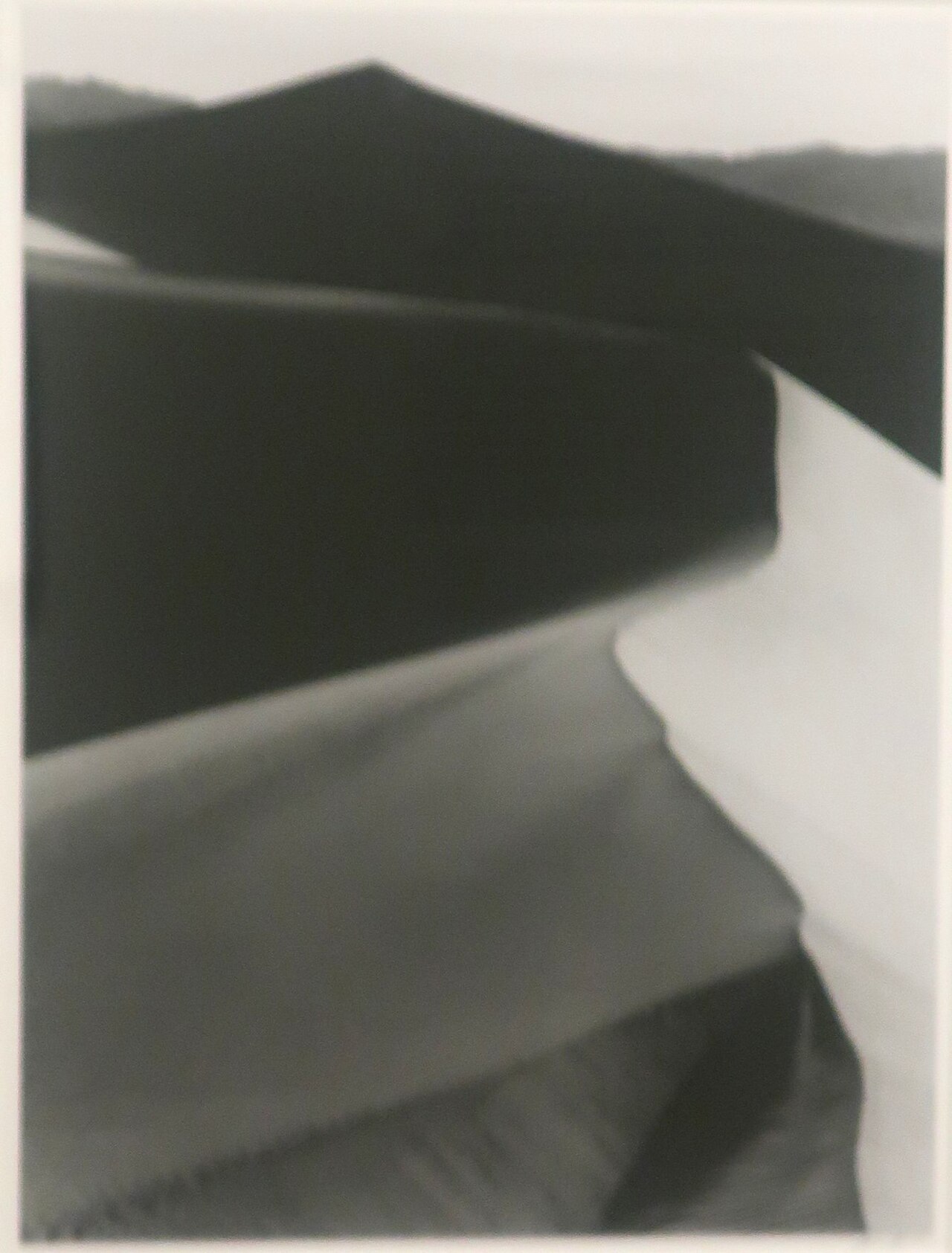
Sand Dunes, Sunrise, Death Valley National Monument, California
Ansel Adams · c. 1948
A 1948 Ansel Adams photograph of sand dunes at sunrise in Death Valley, showing his landscape work beyond the Sierra Nevada.
A photograph by Adams showing his landscape vision extended to the desert, part of his wider conservation work.
About this source
What it is
A gelatin silver print photograph made by Ansel Adams around 1948, showing sand dunes at sunrise in Death Valley National Monument, California. Copies are held in collections including the National Gallery of Art and the Honolulu Museum of Art.
Why it matters
Adams is best known for Sierra Nevada scenes, but this image shows him applying his style of sharp detail and dramatic light to a desert landscape. It reflects his broader interest in protecting and documenting America's varied wild places, not just mountains.
Look closer
- How does the photographer use light and shadow to shape the dunes?
- What feeling does the composition create, and how was that achieved?
- Why might Adams have chosen sunrise as the time to photograph this scene?
This photograph is part of the curated material that grounds the AI version of Ansel Adams on Humy.ai — when students ask about related events, the AI can quote it and cite it.
More Ansel Adams sources
Browse all 97 →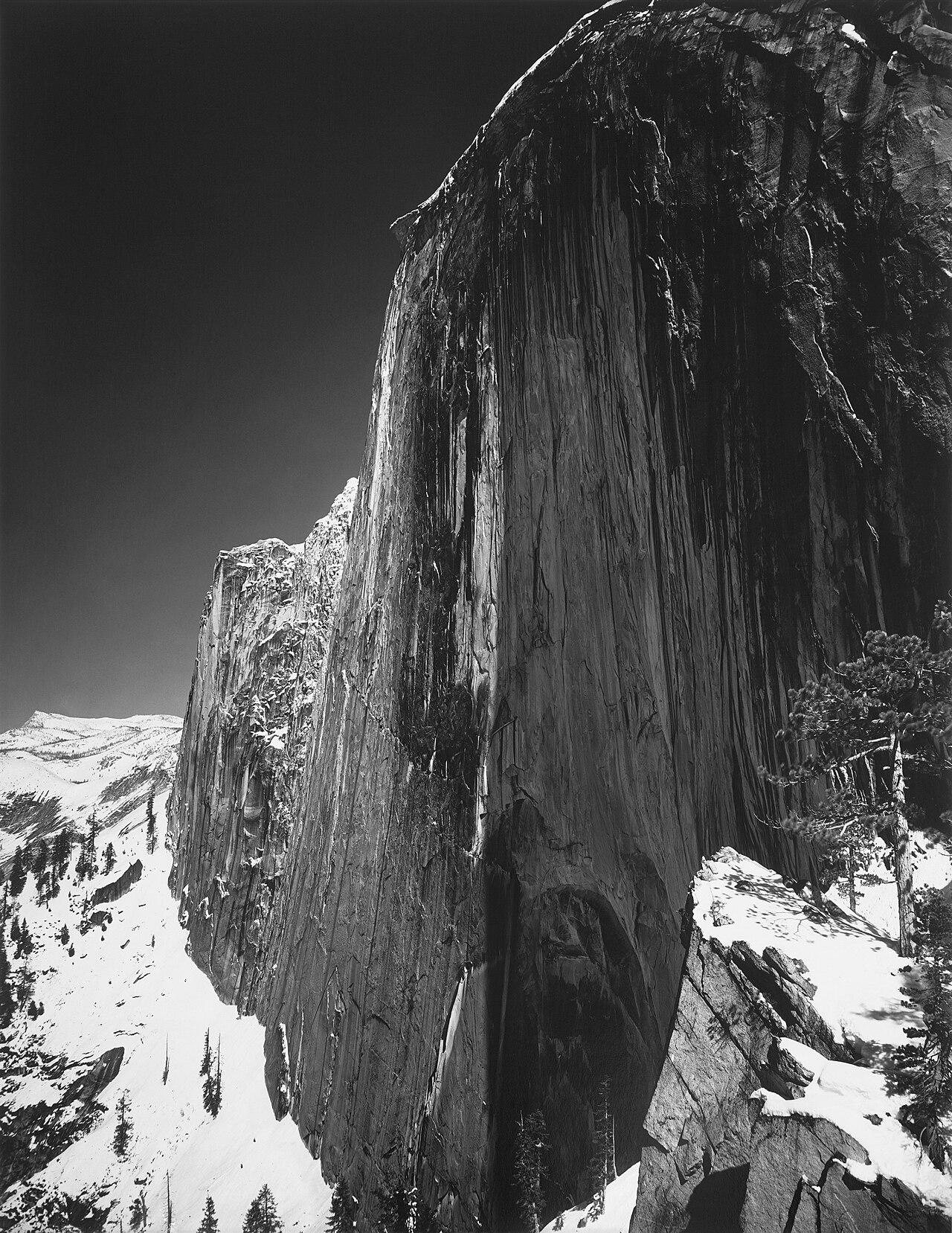 Photograph
Primary source
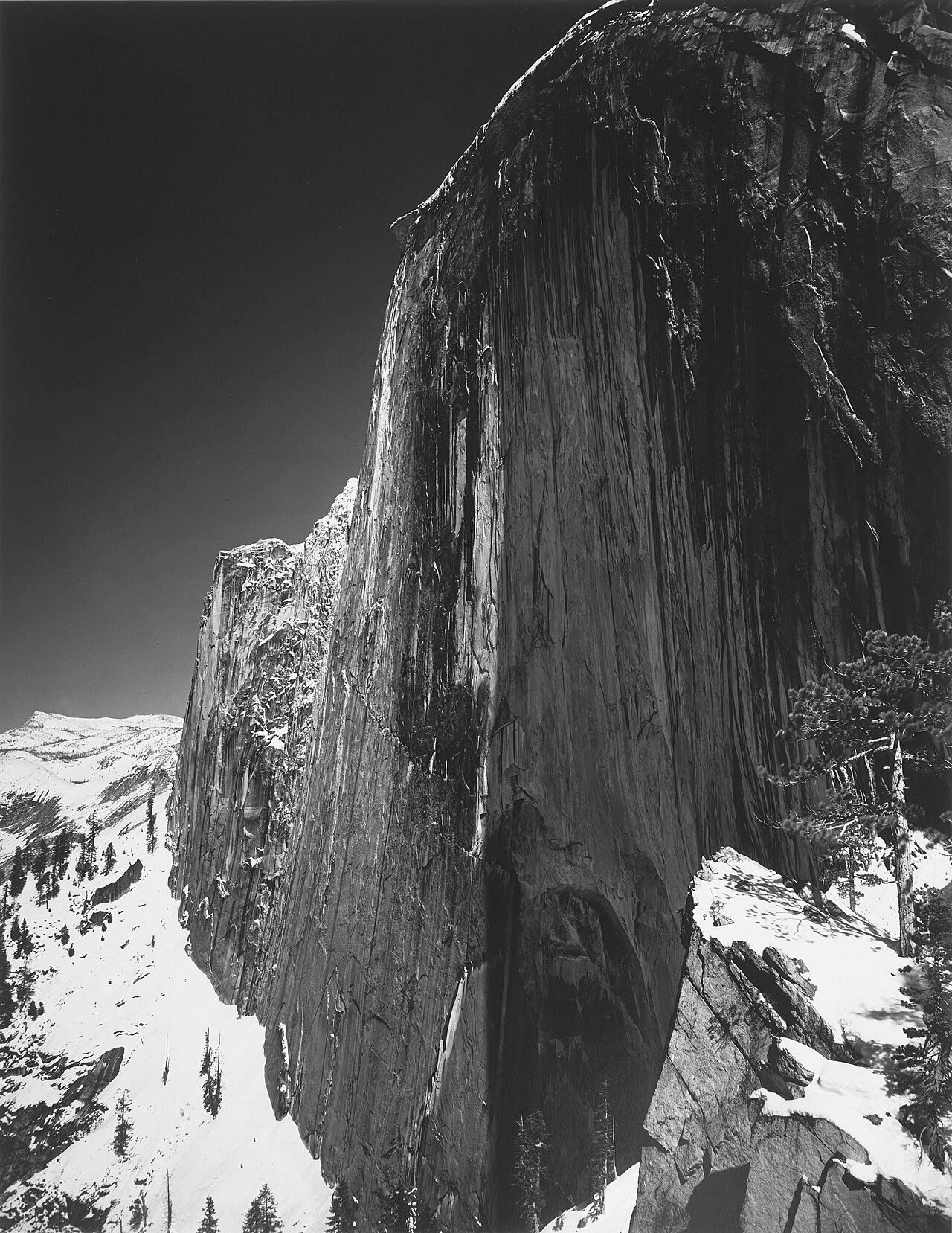
Monolith, the Face of Half Dome
Ansel Adams · 1927
 Photograph
Primary source
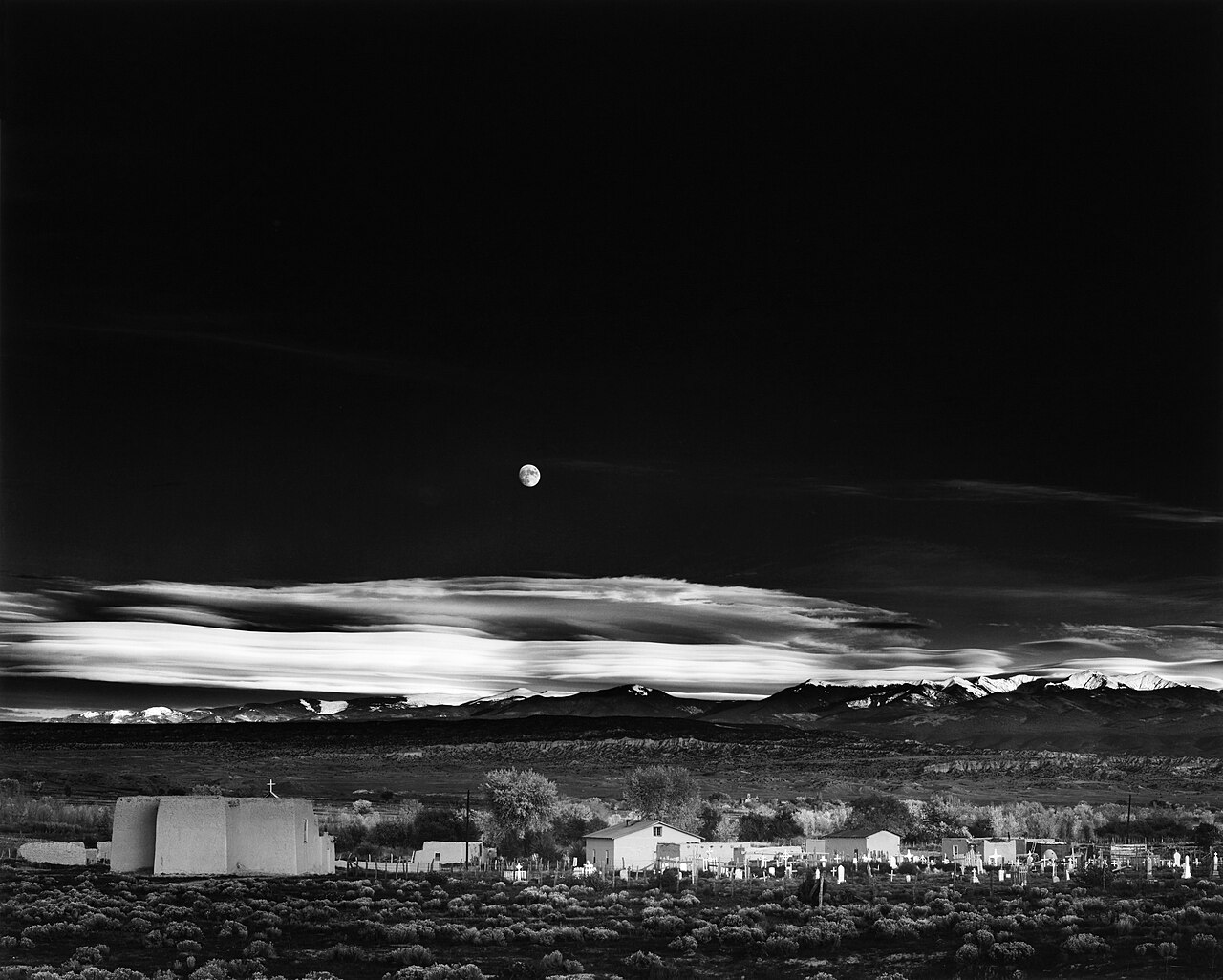
Moonrise, Hernandez, New Mexico
Ansel Adams · 1941
 Photograph
Primary source
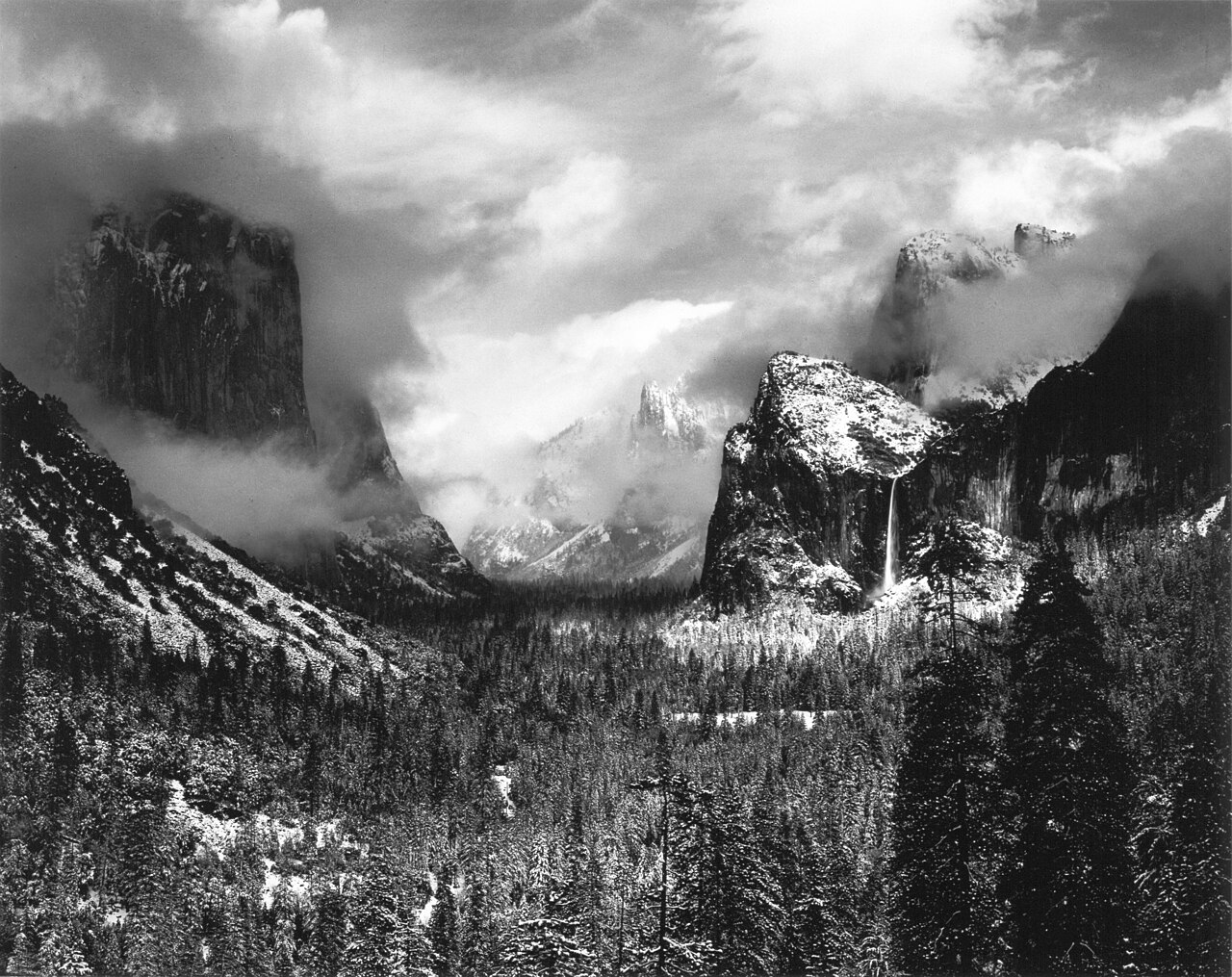
Clearing Winter Storm, Yosemite Valley
Ansel Adams
 Photograph
Primary source
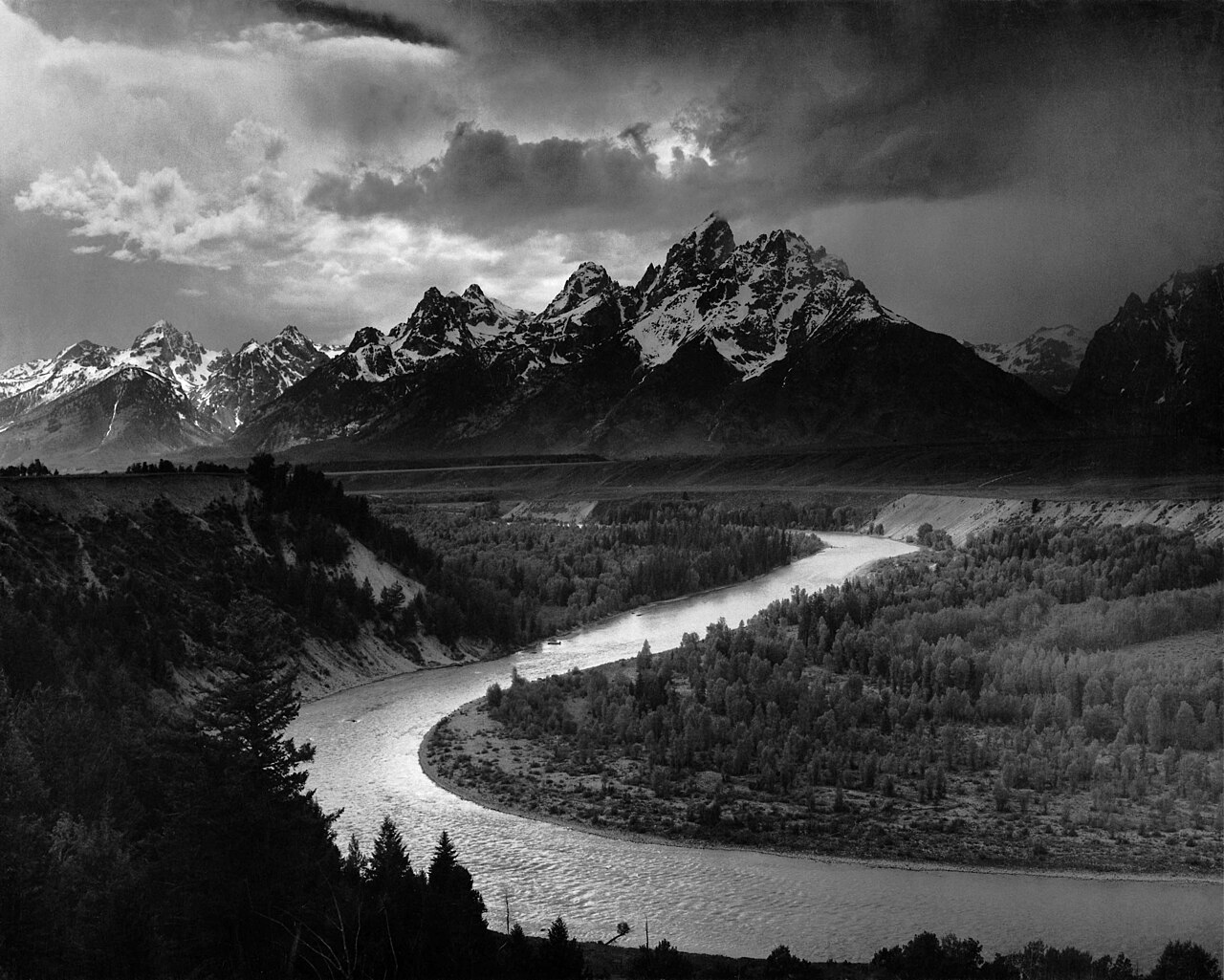
The Tetons and the Snake River
Ansel Adams · 1942
Free account
Read every Ansel Adams source
Sign up free →
Ready when you are
Start chatting with Ansel Adams now.
20 messages free · No credit card · Available in 50+ languages.