


Primary sourceSculpture1917
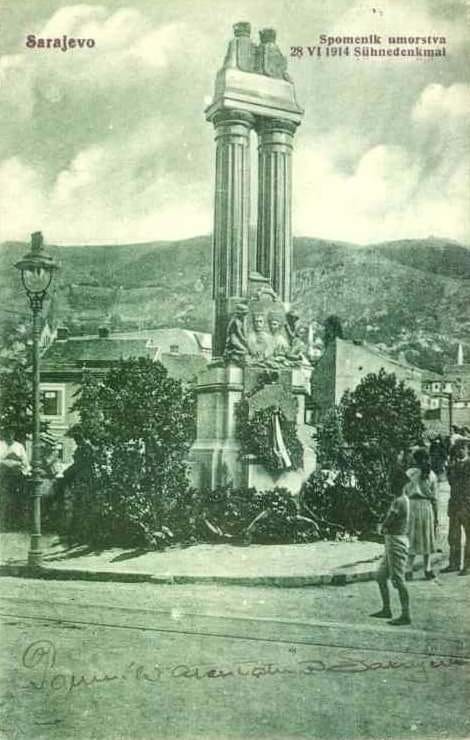
Sarajevo 28 VI 1914 Expiation Monument
1917
A 1917 wartime monument in Sarajevo marking the date of the archduke's assassination, shown on a contemporary postcard.
A wartime memorial built because of the assassination Princip carried out, showing how authorities framed his act.
About this source
What it is
This postcard shows a stone monument built in Sarajevo in 1917, three years after the assassination of Archduke Franz Ferdinand. It has two fluted columns topped by a sculpted group, standing on a pedestal decorated with relief figures. The maker is unknown.
Why it matters
The monument was built by the Austro-Hungarian authorities during the First World War, while the war caused by the assassination was still being fought. It shows how quickly the event was turned into an official memorial, and reveals how the empire wanted the killing to be remembered: as a wrong to be "expiated". Gavrilo Princip, the assassin, is not named or shown, but the whole monument exists because of what he did.
Look closer
- Who do you think paid for this monument, and why might that matter?
- What does the word "expiation" suggest about how the builders wanted the assassination to be understood?
- What is missing from this monument that a modern memorial might include?
This sculpture is part of the curated material that grounds the AI version of Gavrilo Princip on Humy.ai — when students ask about related events, the AI can quote it and cite it.
More Gavrilo Princip sources
Browse all 72 →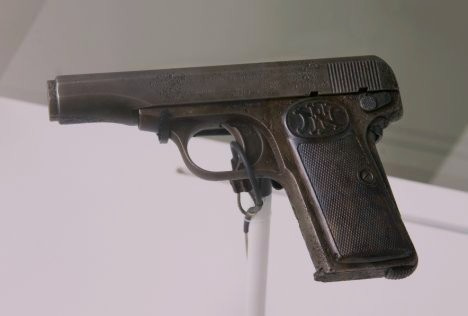 Artifact
Primary source
Gavrilo Princip's Pistol
 Photograph
Primary source
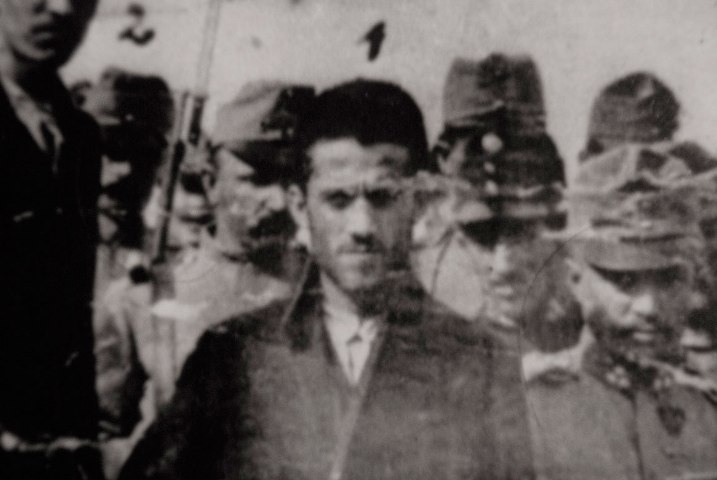
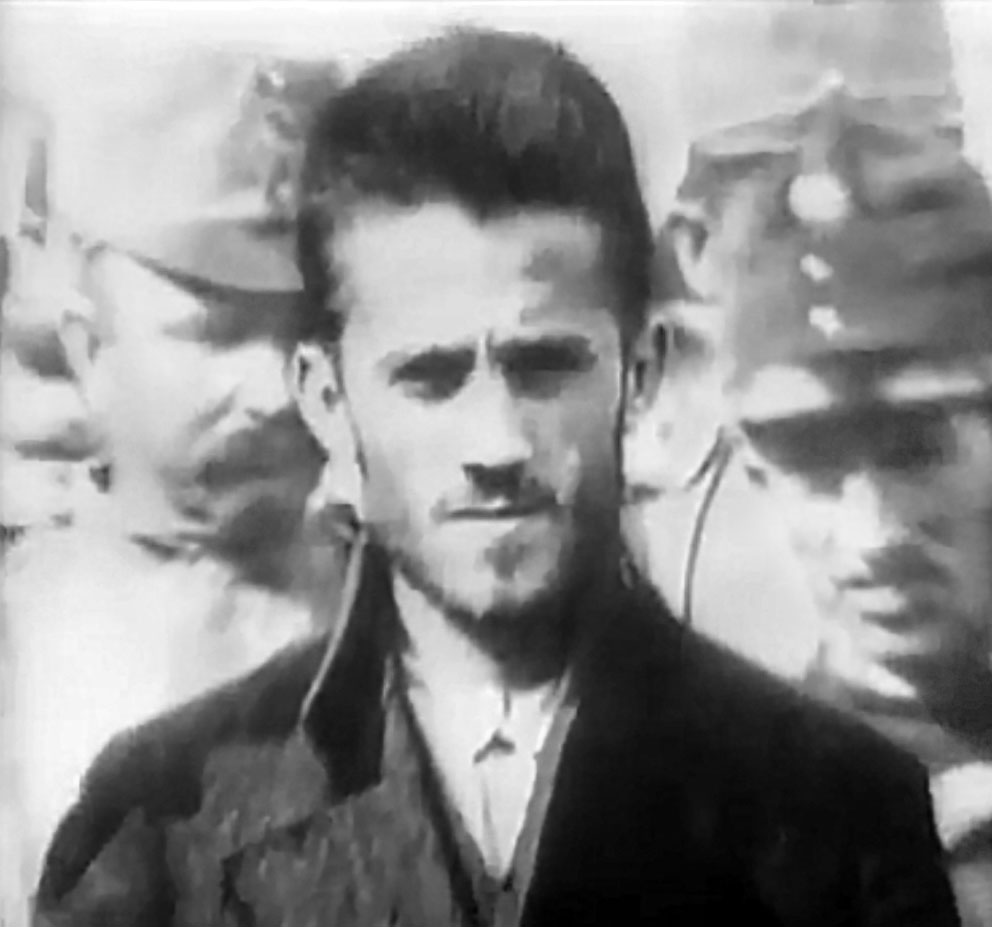
Arrest of Gavrilo Princip
Unknown photographer · 28 June 1914
 Artifact
Primary source
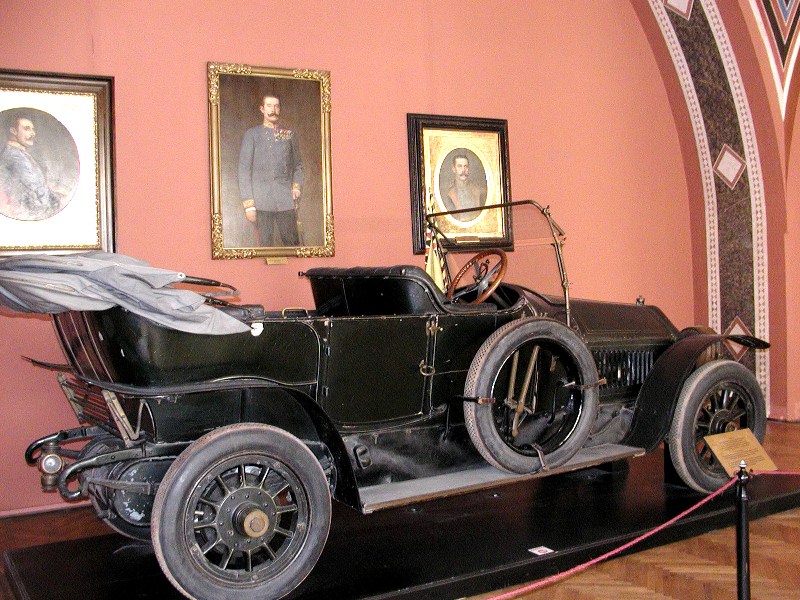
Gräf & Stift Double Phaeton Car of Franz Ferdinand
Gräf & Stift · 1910
 Photograph
Primary source
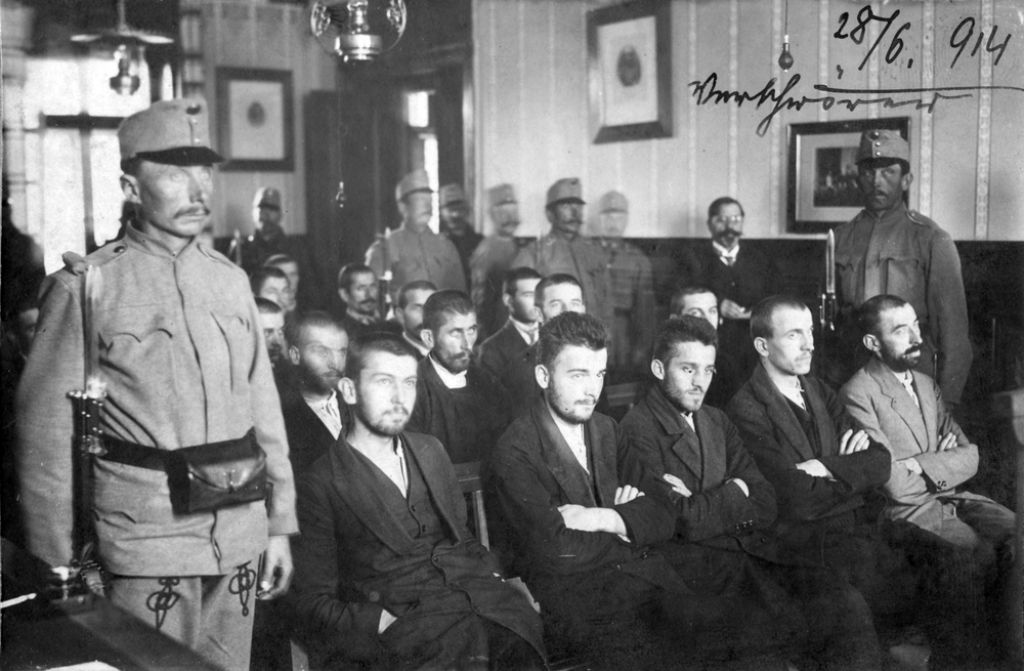
Sarajevo Trial Photograph
Unknown photographer · October 1914
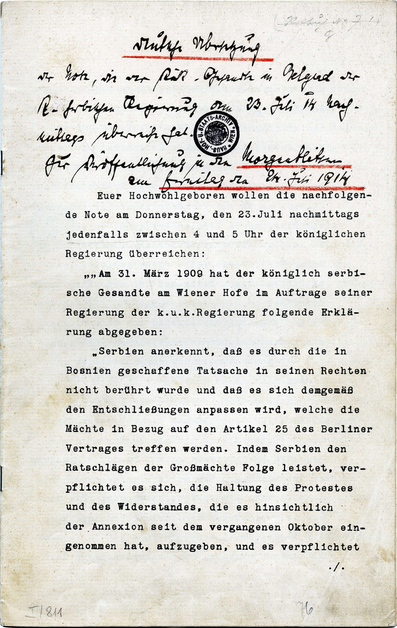
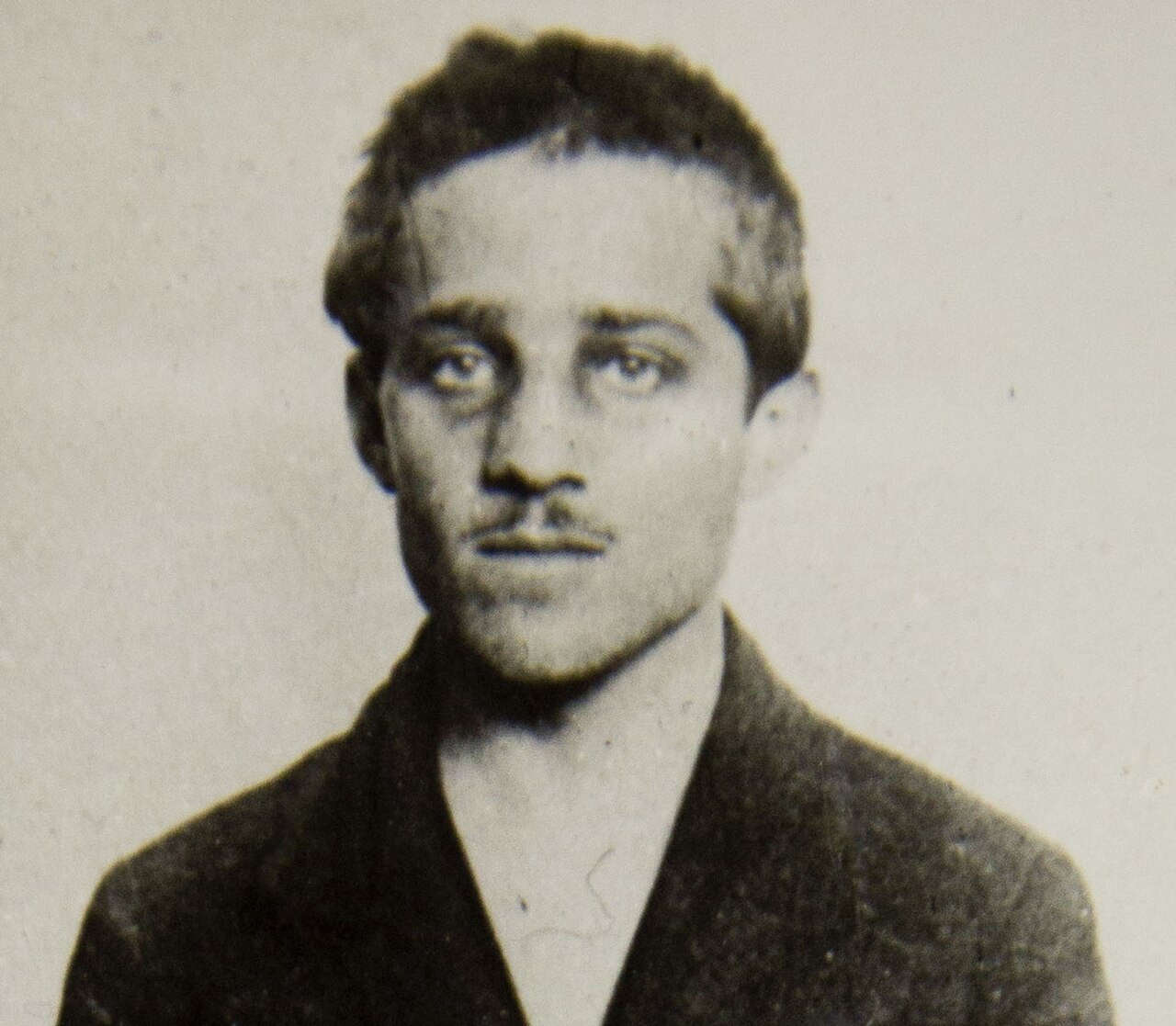
Free account
Read every Gavrilo Princip source
Sign up free →
Ready when you are
Start chatting with Gavrilo Princip now.
20 messages free · No credit card · Available in 50+ languages.