


Secondary sourcePaintingsecond half of the 16th century
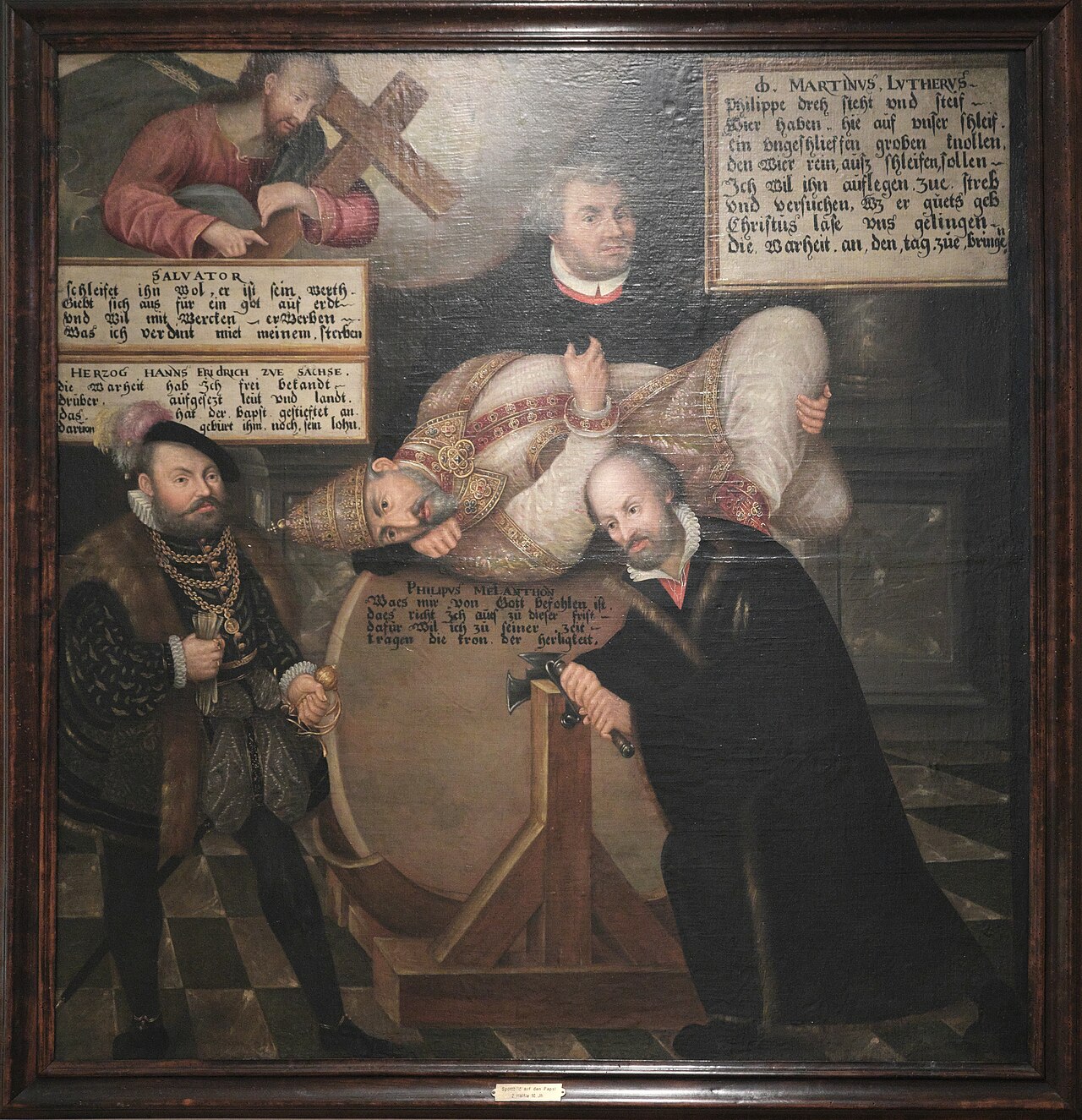
Satirical Image of Pope Leo X with Luther and Melanchthon
second half of the 16th century
A mid-16th-century satirical painting from the Reformation era that mocks Pope Leo X, held at the Cavazzen Museum in Lindau.
A later satire mocking Leo X during the Reformation, showing how his opponents portrayed him after his death.
About this source
What it is
This is a satirical painting from the second half of the 16th century, held by the Cavazzen Museum (Stadtmuseum) in Lindau am Bodensee. Its inscriptions are in German. The collection record names Martin Luther, Philipp Melanchthon, Duke Johann Friedrich of Saxony and Jesus Christus. The image shows a limp, richly robed figure lying on a block while a man in black works on it with a hammer and chisel. The picture is an allegory, and no gore is shown. It was made after Leo X's death in 1521.
Why it matters
Reformation-era satire used images like this to attack the papacy and to show how its opponents viewed Leo X. Because the picture was made decades after his reign, it reflects later views of the pope rather than his own voice.
Look closer
- Who is shown doing what to the figure on the block, and what might that action mean?
- Why would an artist use inscriptions in German and a mix of recognisable people?
- What does the satire leave out about Leo X's own actions and beliefs?
This painting is part of the curated material that grounds the AI version of Pope Leo X on Humy.ai — when students ask about related events, the AI can quote it and cite it.
More Pope Leo X sources
Browse all 91 →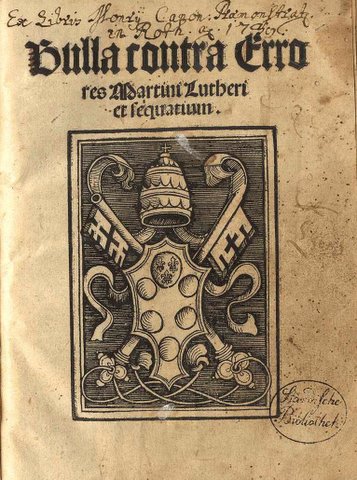 Document
Primary source
Exsurge Domine
Leo X · 15 June 1520
 Document
Primary source
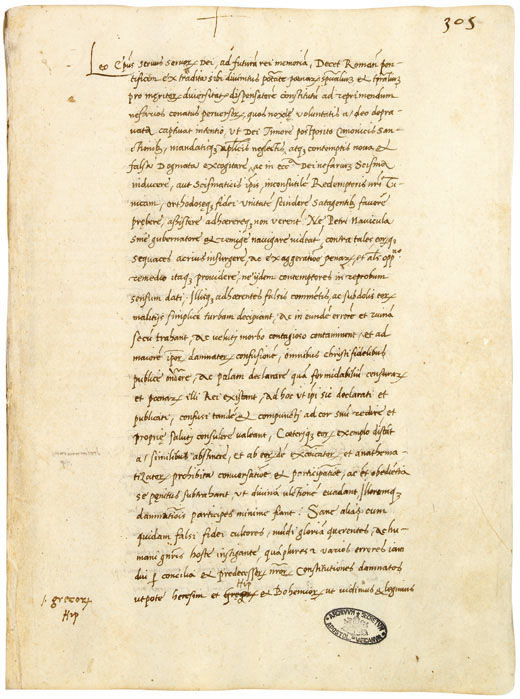
Decet Romanum Pontificem
Leo X · 3 January 1521
 Painting
Primary source
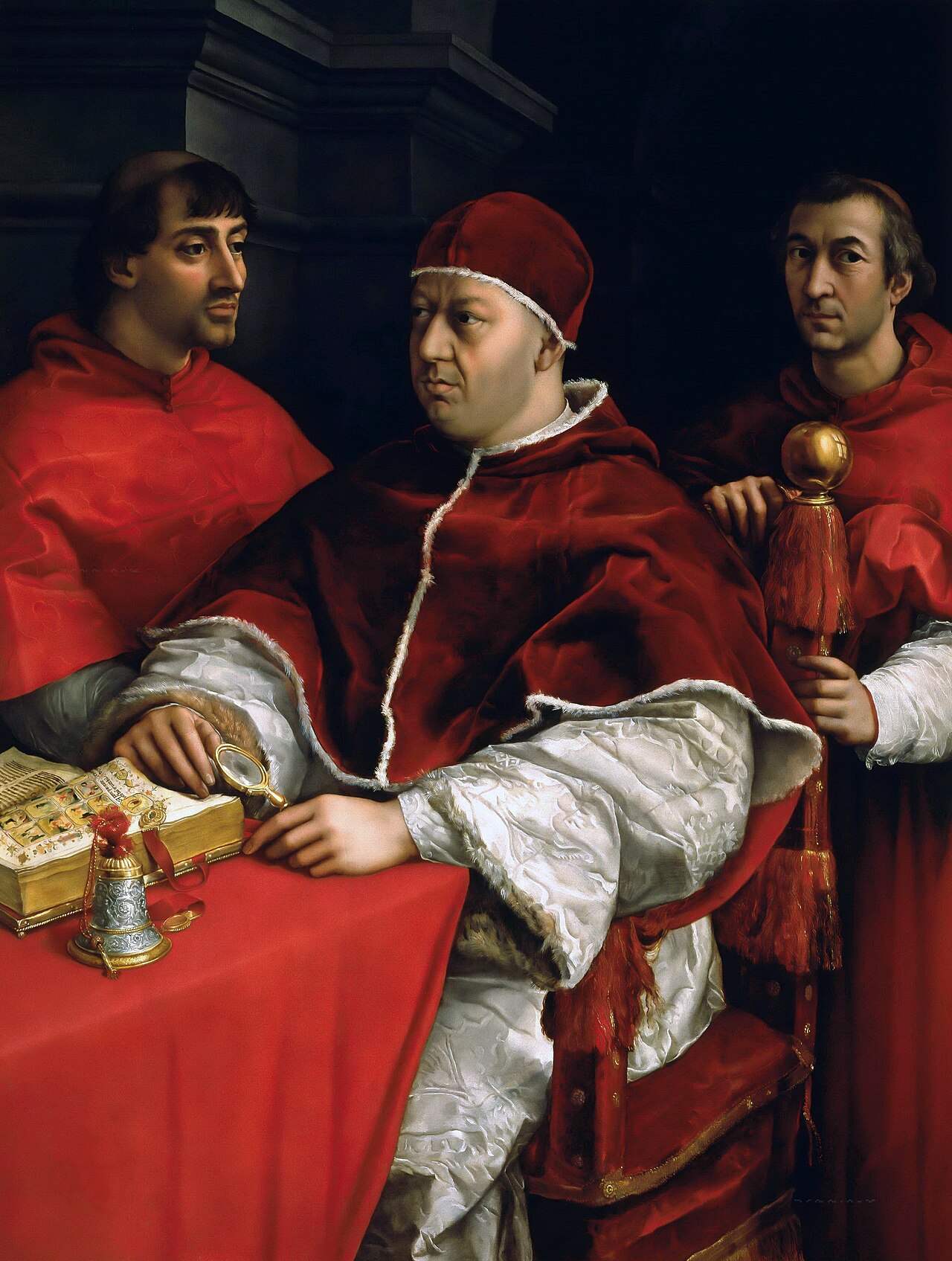
Portrait of Leo X with Two Cardinals
Raphael · c. 1518-1520
 Document
Primary source
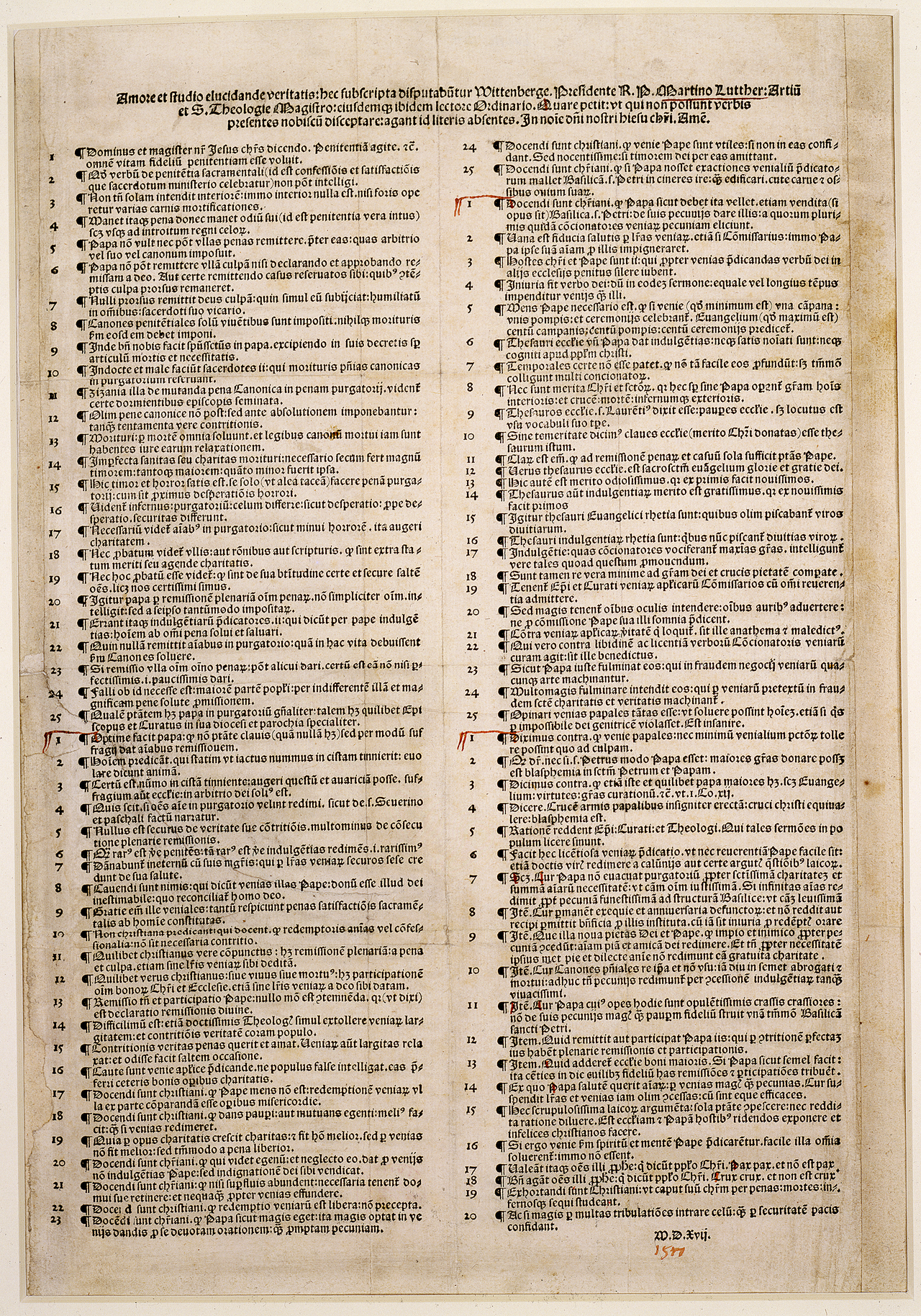
Ninety-five Theses
Martin Luther · 1517
Free account
Read every Pope Leo X source
Sign up free →
Ready when you are
Start chatting with Pope Leo X now.
20 messages free · No credit card · Available in 50+ languages.