


Secondary sourceArtifactgranted 1263, destroyed 1381
Savoy Palace
granted 1263, destroyed 1381
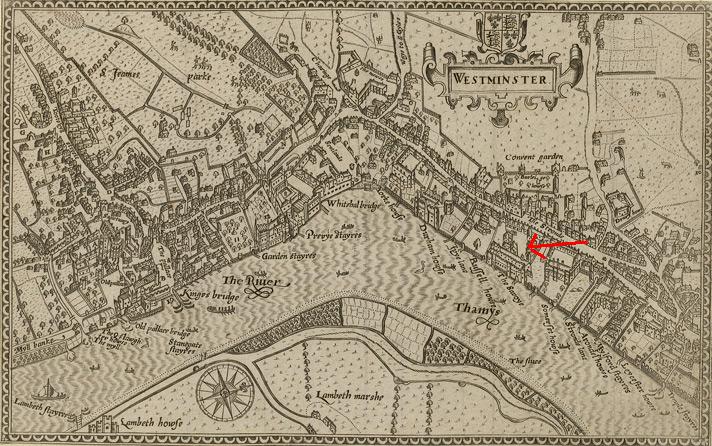
John of Gaunt's magnificent London residence on the Strand, destroyed by rebels during the Peasants' Revolt of 1381.
This was Gaunt's own London residence, and its destruction in 1381 shows the hatred his power provoked.
Free Humy account · No credit card · 120,288 sources to read
About this source
What it is
The Savoy Palace was a grand townhouse on the Strand in London, built on land granted in the 13th century and later controlled by John of Gaunt's family. It was considered the grandest nobleman's house in medieval London, famous for its tapestries and jewels. It was destroyed during the Peasants' Revolt in 1381.
Why it matters
The palace's splendour reflected Gaunt's immense wealth, said to be second only to the king's. Its deliberate destruction by rebels, who blamed Gaunt for the poll tax that sparked the revolt, shows the depth of popular anger against him. Geoffrey Chaucer worked there as a clerk while beginning The Canterbury Tales, linking the palace to literary history as well as Gaunt's.
Look closer
- Why might rioters choose to destroy a building rather than steal its treasures?
- What does the burning of a palace, rather than the king's own residence, suggest about who the rebels blamed?
- What does a lord's house tell us about his power that a document might not?
This artifact is part of the curated material that grounds the AI version of John of Gaunt on Humy.ai — when students ask about related events, the AI can quote it and cite it.
More John of Gaunt sources
Browse all 49 → Document
Primary source
John of Gaunt's Register
Chancery of John of Gaunt, Duke of Lancaster · 1372–1383
 Book
Secondary source
Froissart's Chronicles
Jean Froissart · 1369
 Book
Primary source
The Book of the Duchess
Geoffrey Chaucer · c. 1368-1372
 Document
Primary source
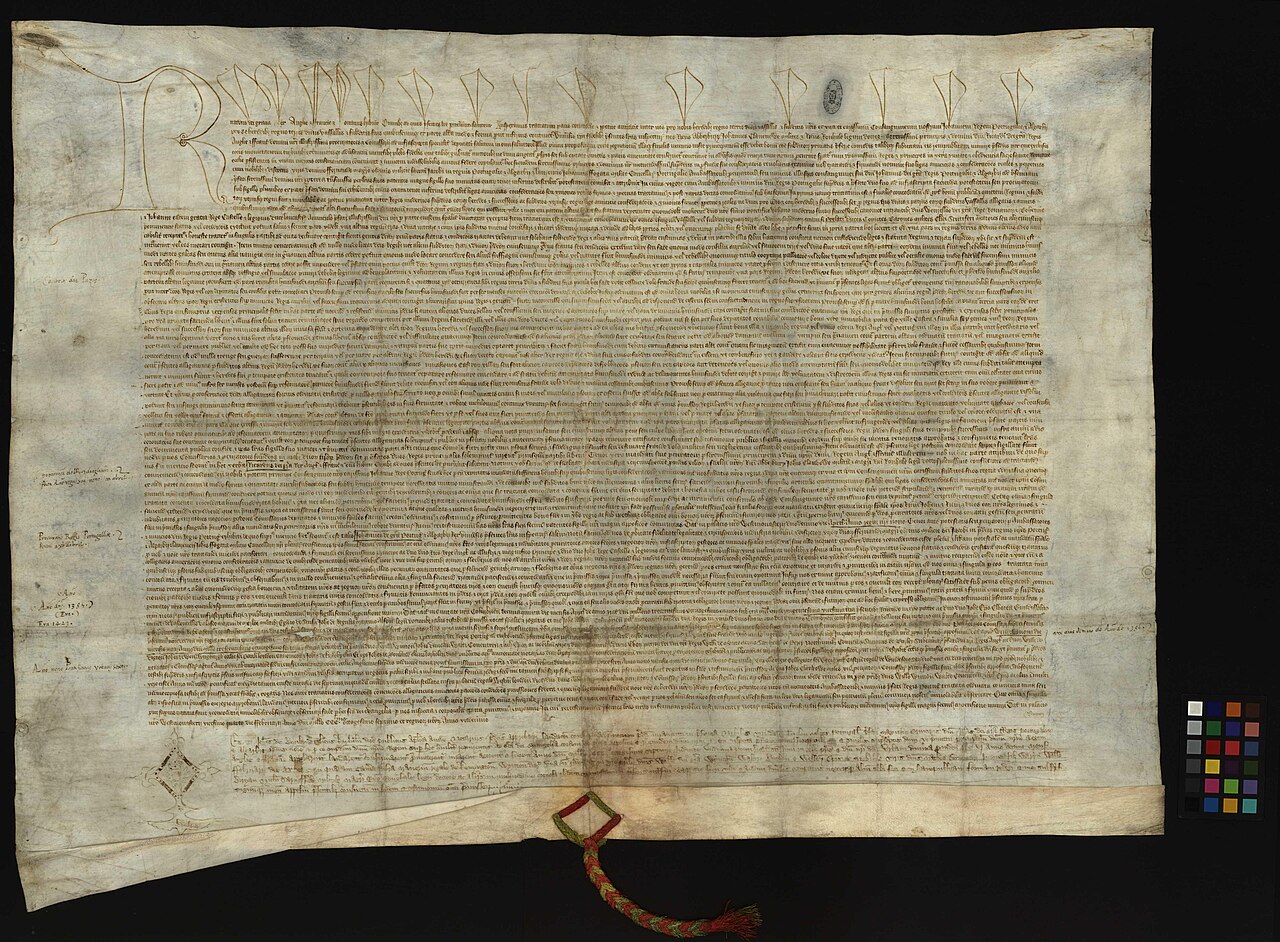
Treaty of Windsor
1386-1387


Free account
Read every John of Gaunt source
Sign up free →
Ready when you are
Start chatting with John of Gaunt now.
20 messages free · No credit card · Available in 50+ languages.