


Primary sourceArtifact
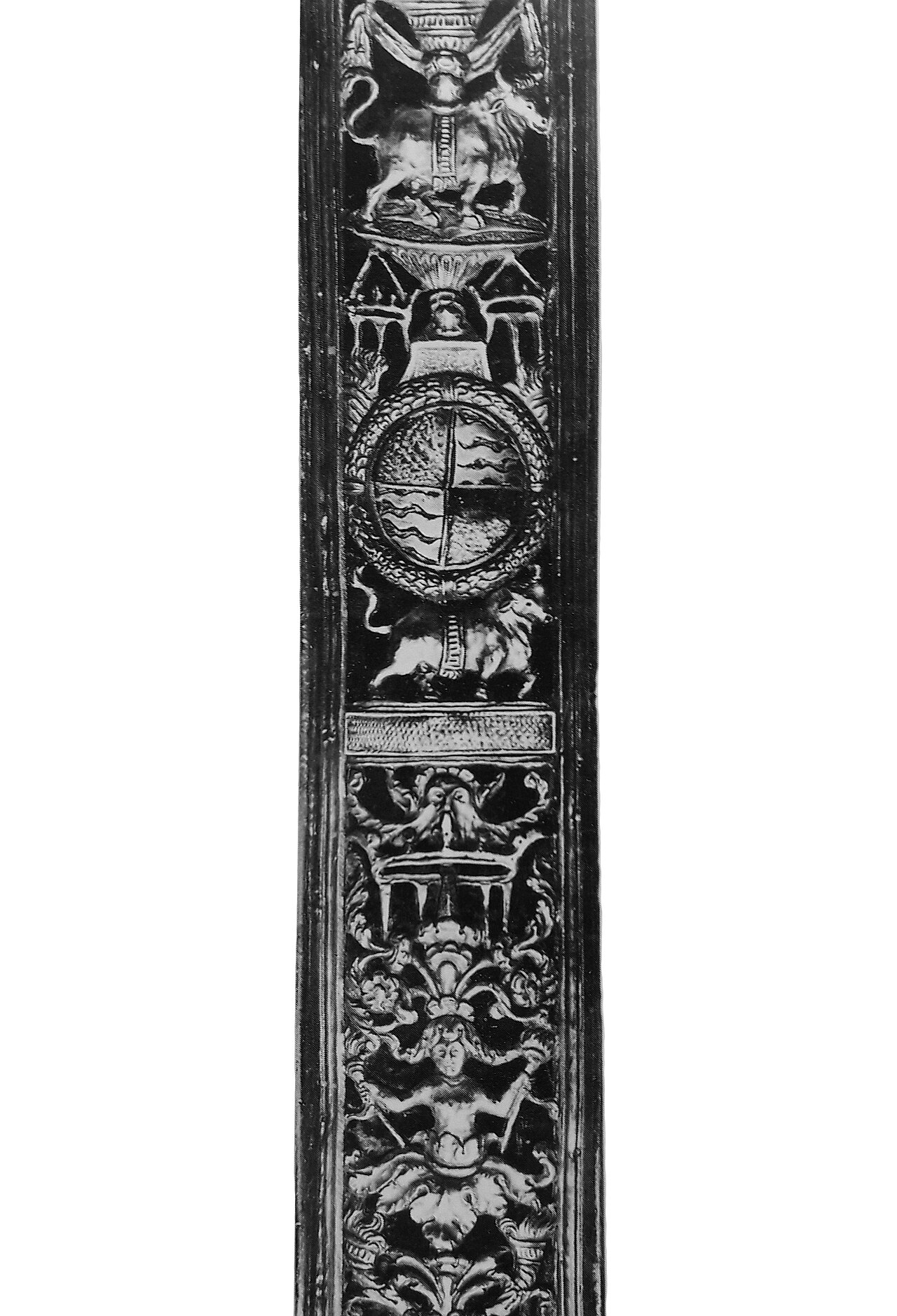
Scabbard of the Blessed Sword of Boguslaus X
A richly decorated scabbard from a papal blessed sword given as a diplomatic gift to a Pomeranian duke, reflecting Alexander VI's gift-giving diplomacy.
A papal gift of the kind Alexander VI used to cultivate alliances with European princes.
About this source
What it is
This is a black-and-white photograph showing a detail of a decorated scabbard belonging to a sword that was blessed by the pope and given to Duke Boguslaus X of Pomerania. The relief decoration includes lions, columns, a heraldic shield, scrollwork, and grotesque figures.
Why it matters
Popes sometimes gave blessed swords to European princes as symbols of favor and alliance. This object is linked to the diplomacy of Alexander VI's papacy, showing how the papacy used gifts of art and ceremony to build relationships with rulers across Europe, including in northern regions like Pomerania.
Look closer
- What do the images carved into the scabbard (lions, shields, columns) seem meant to communicate?
- Why might a pope choose to give a sword, rather than money or land, as a diplomatic gift?
- What does this object suggest about the relationship between religious and political power at the time?
This artifact is part of the curated material that grounds the AI version of Pope Alexander VI on Humy.ai — when students ask about related events, the AI can quote it and cite it.
More Pope Alexander VI sources
Browse all 89 →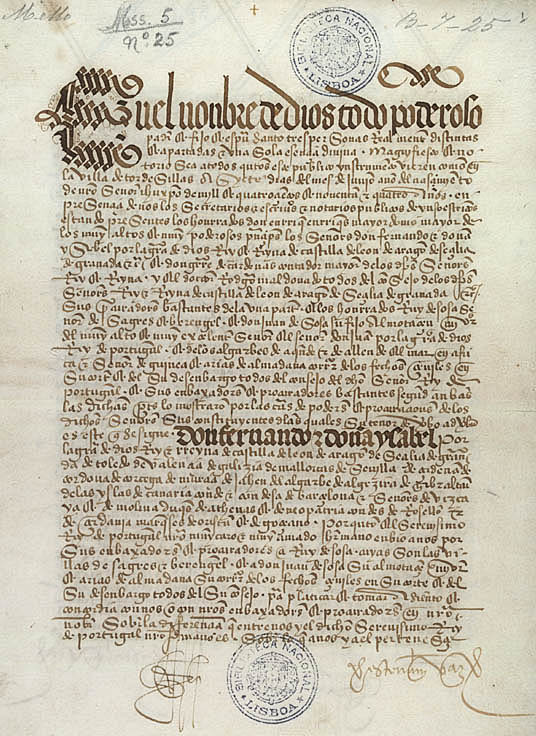 Document
Primary source
Treaty of Tordesillas
7 June 1494
 Artifact
Primary source
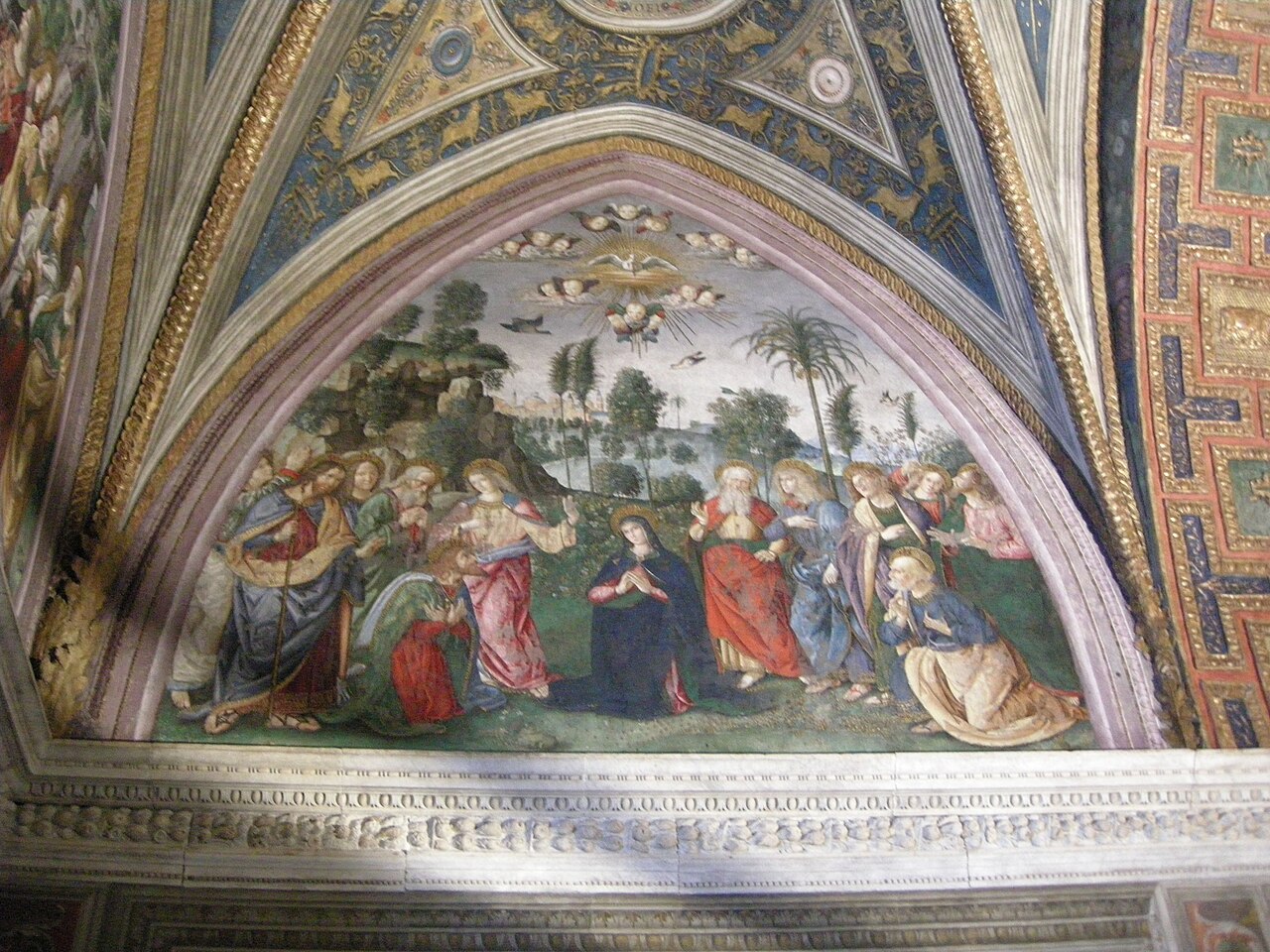
Borgia Apartment
Pinturicchio · 1492-1494
 Book
Primary source
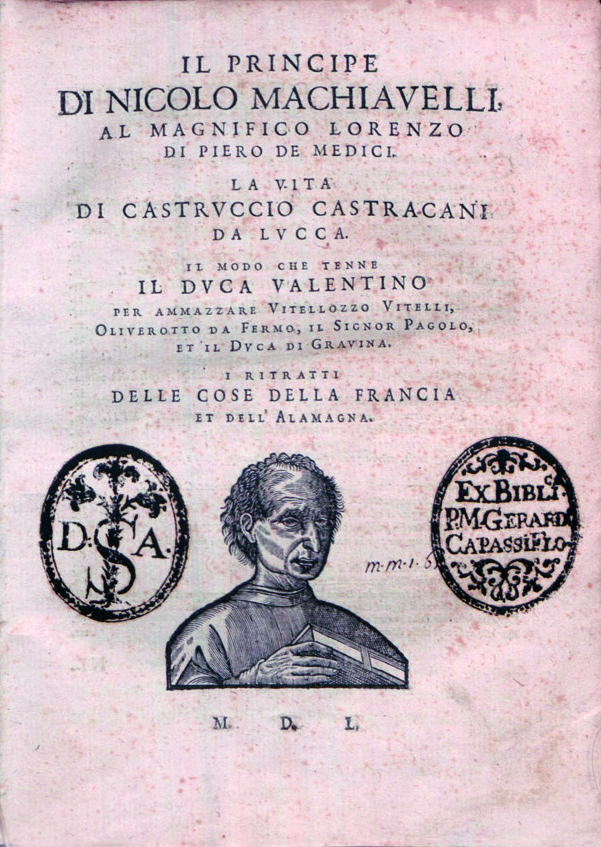
The Prince
Niccolò Machiavelli · 1513
 Painting
Primary source
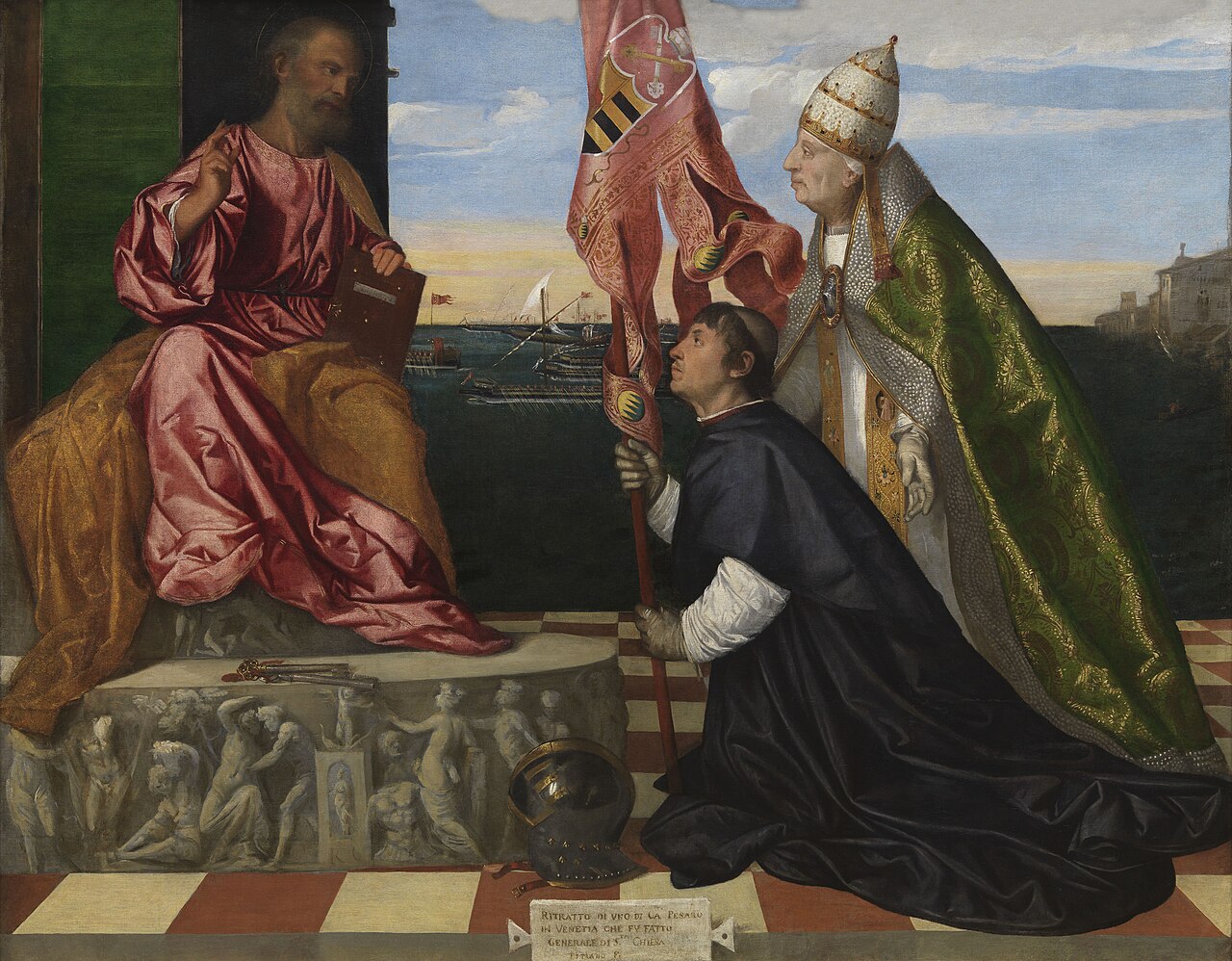
Jacopo Pesaro, Bishop of Paphos, being presented by Pope Alexander VI to Saint Peter
Titian · c. 1503-1511
Free account
Read every Pope Alexander VI source
Sign up free →
Ready when you are
Start chatting with Pope Alexander VI now.
20 messages free · No credit card · Available in 50+ languages.