


Primary sourceArtifact
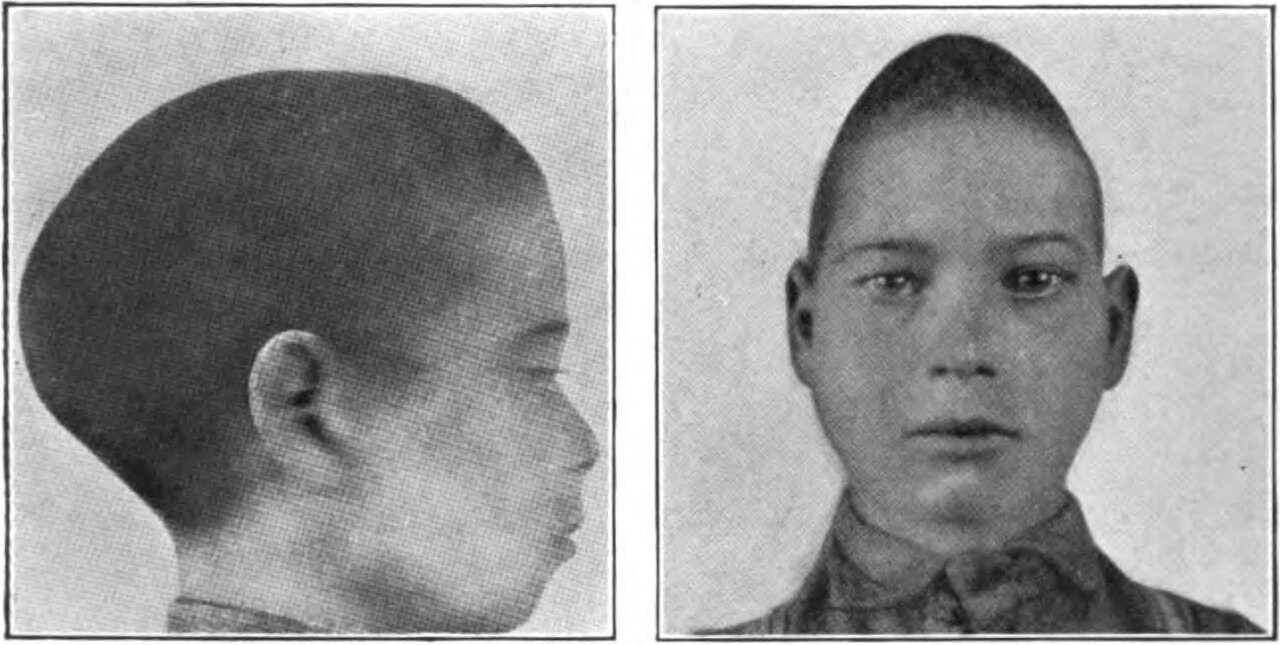
Scaphocephalic Cranium Illustration
Maria Montessori
An illustration from Montessori's Pedagogical Anthropology showing a child's elongated skull, part of her early scientific study of children's bodies.
Montessori produced this illustration as part of her early scientific work in pedagogical anthropology.
About this source
What it is
This is a printed illustration from Maria Montessori's work Pedagogical Anthropology, translated by Frederic Cooper. It shows two photographs of a young boy's head, taken from the side and front, illustrating a skull shape called scaphocephalic, meaning long and narrow.
Why it matters
Before developing her famous teaching method, Montessori worked within the field of anthropology, which at the time included measuring and classifying human skulls and bodies. This image shows that part of her early scientific approach, a practice now viewed critically because of its connections to flawed and sometimes harmful ideas about human difference.
Look closer
- Why do you think early scientists believed measuring skulls could reveal something meaningful about a person?
- What does this image tell you about the scientific methods considered normal in Montessori's era?
- Why might modern readers view this kind of illustration with more caution than Montessori's contemporaries did?
This artifact is part of the curated material that grounds the AI version of Maria Montessori on Humy.ai — when students ask about related events, the AI can quote it and cite it.
More Maria Montessori sources
Browse all 72 →Primary source
Gustav Czopp in gesprek met Maria Montessori
Gustav Czopp · 1938
 Photograph
Primary source
Portrait of Maria Montessori
 Photograph
Primary source
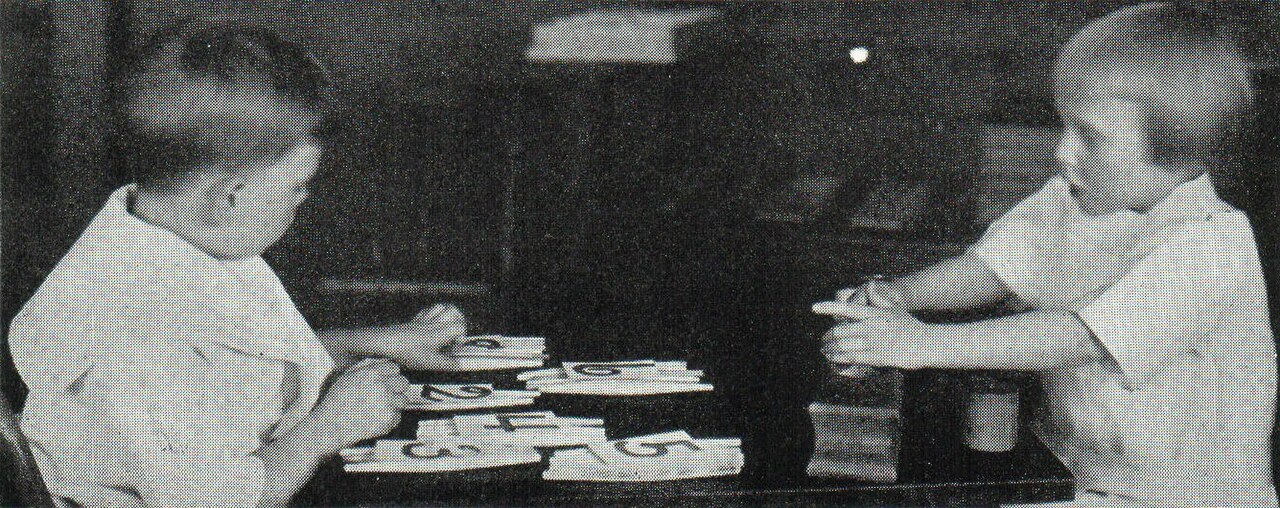
Montessori System: Children Using Counting and Geometrical Devices
House of Childhood Inc.
 Photograph
Primary source
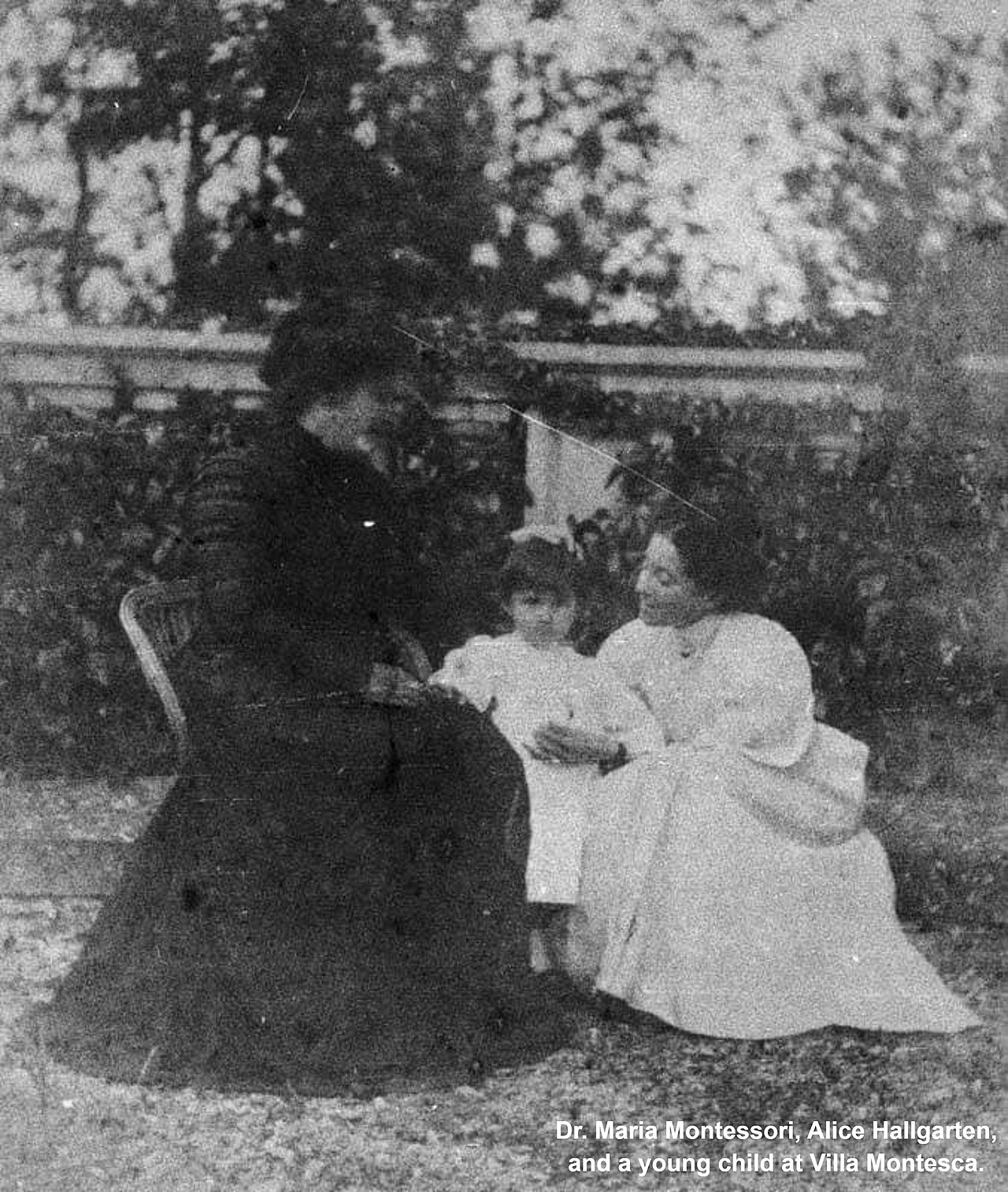
Alice Hallgarten and Dr. Maria Montessori
1913
Free account
Read every Maria Montessori source
Sign up free →
Ready when you are
Start chatting with Maria Montessori now.
20 messages free · No credit card · Available in 50+ languages.