


Tertiary sourceBook1911
Schopenhauer, Arthur (Encyclopaedia Britannica, 1911)
1911
The entry on Arthur Schopenhauer in the 1911 Encyclopaedia Britannica, showing how the English-speaking world ranked him about fifty years after his death.
An early twentieth-century English reference entry that shows how Schopenhauer's life and reputation were summarised for readers abroad.
Free Humy account · No credit card · 120,912 sources to read
About this source
What it is
This is the article on Arthur Schopenhauer in the eleventh edition of the Encyclopaedia Britannica, published in 1911. It is a reference entry, not the philosopher's own writing. It states that he was born in Danzig on 22 February 1788 to a mercantile family. It describes his father, Heinrich Floris Schopenhauer, who moved the household to Hamburg when Danzig surrendered to the Prussians in 1793, and his mother, Johanna Henrietta Trosiener, whose marriage to his father was unhappy.
Why it matters
The curator's note says this entry shows how the English-speaking world had come to rank Schopenhauer about half a century after his death. Reference works like this one shaped what students and readers learned about philosophers. The article also links his character to the strained home life of his parents, a view that a modern historian would test against evidence.
Look closer
- Which details about Schopenhauer's childhood does the article choose to emphasize, and what does that choice suggest?
- How does an encyclopedia entry differ from a letter or essay written by the person it describes?
- What would you need to check before trusting a 1911 summary of a philosopher's life?
This book is part of the curated material that grounds the AI version of Arthur Schopenhauer on Humy.ai — when students ask about related events, the AI can quote it and cite it.
More Arthur Schopenhauer sources
Browse all 94 →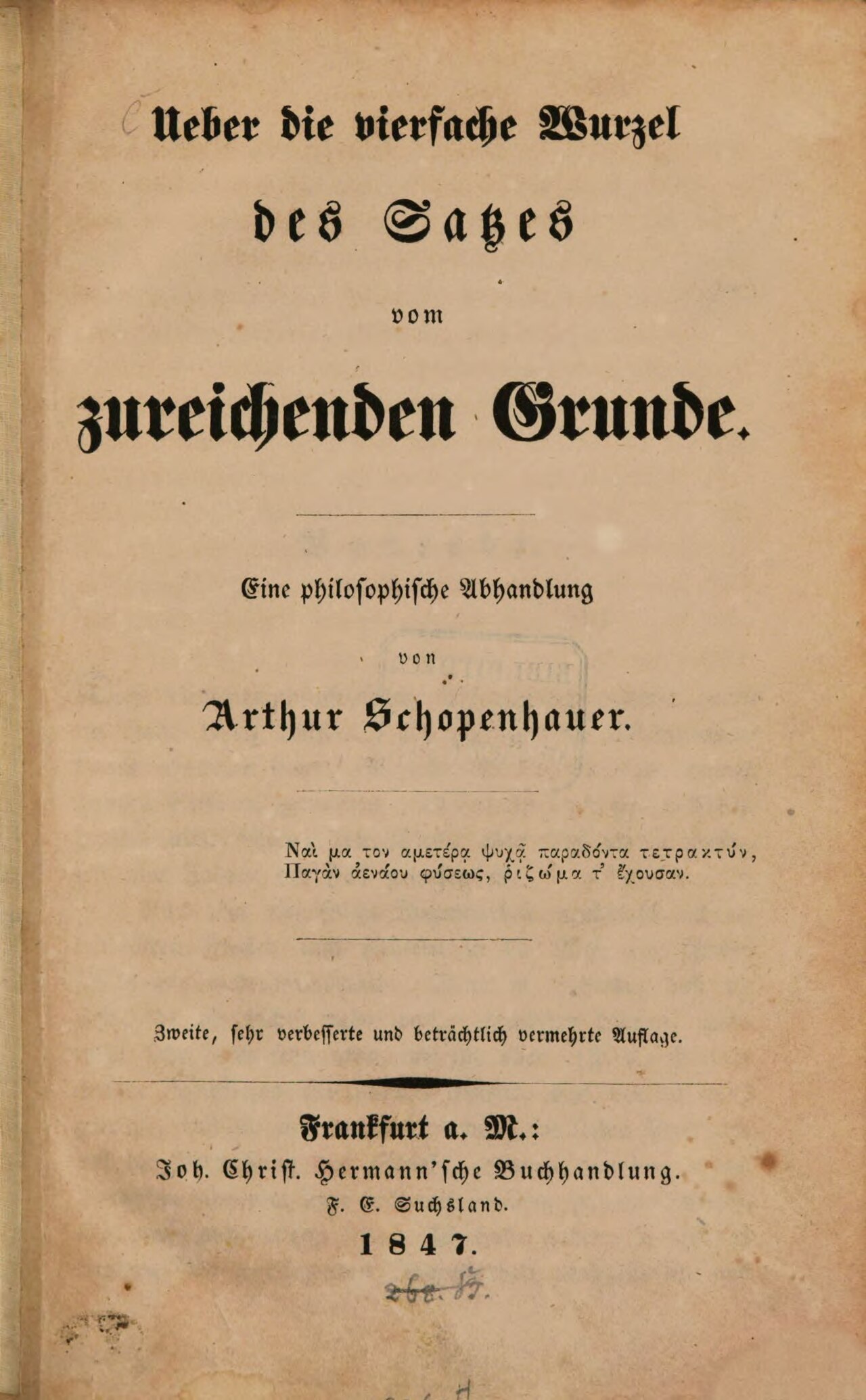 Book
Primary source
On the Fourfold Root of the Principle of Sufficient Reason
Arthur Schopenhauer · 1813, revised 1847
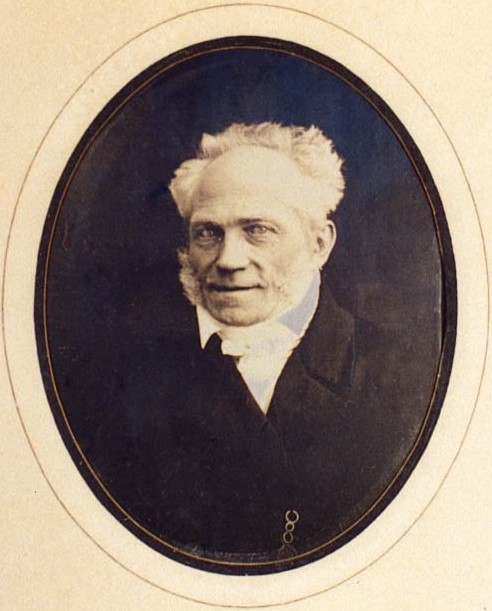
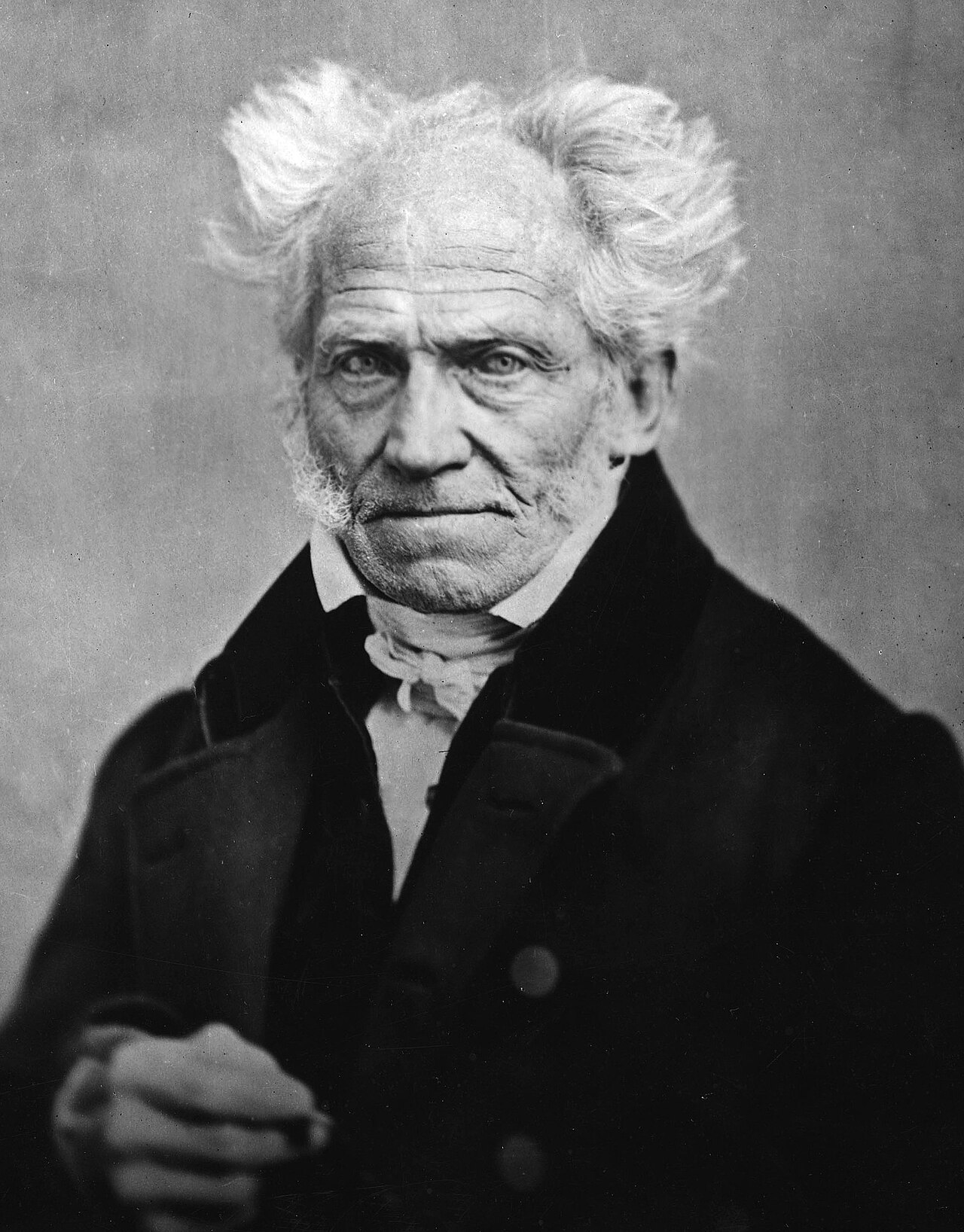 Photograph
Primary source
Portrait of Arthur Schopenhauer
Johann Schäfer · 1859
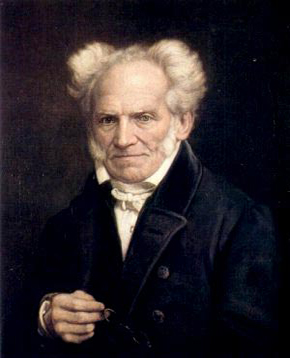
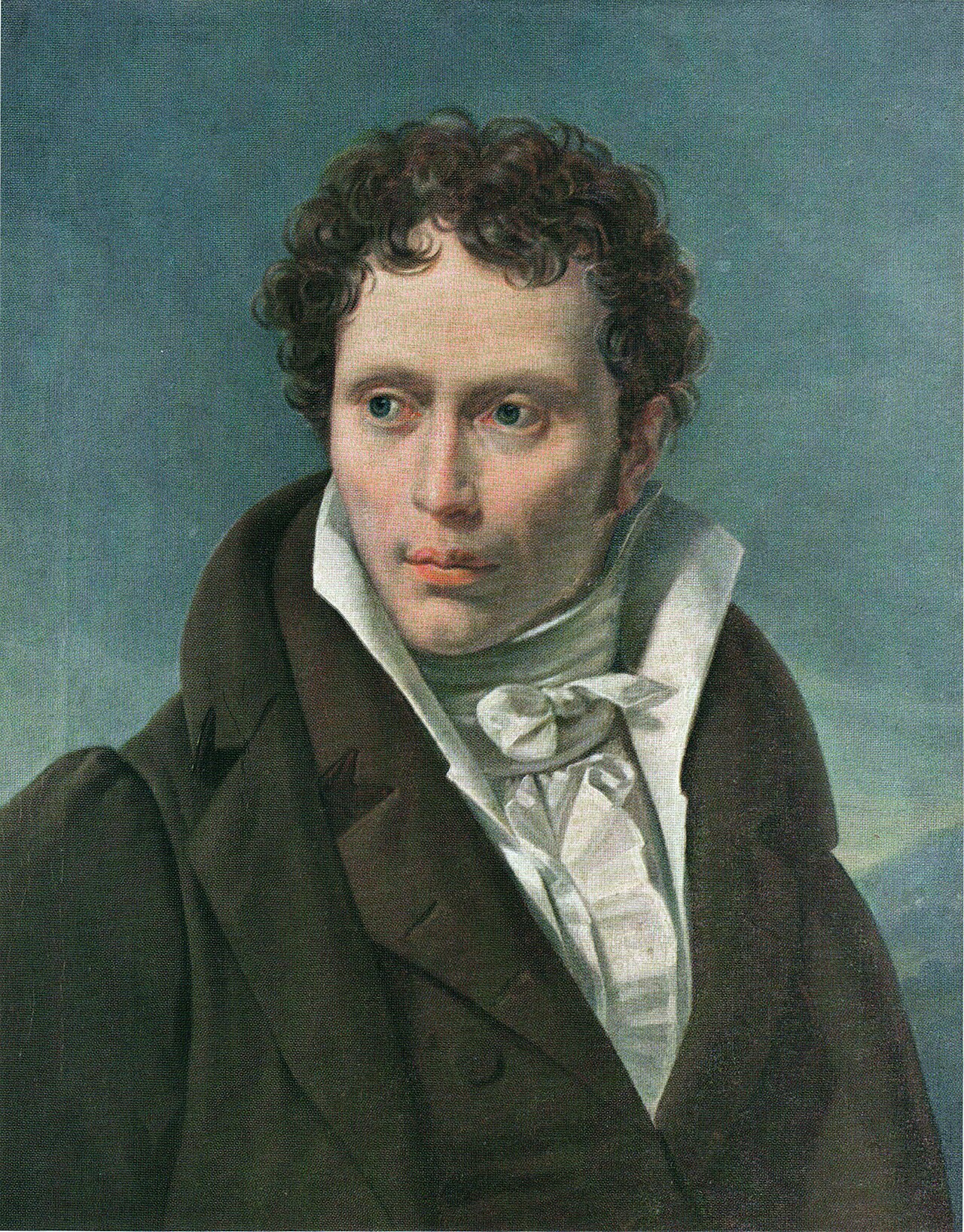 Painting
Primary source
Arthur Schopenhauer Portrait by Ludwig Sigismund Ruhl
Ludwig Sigismund Ruhl · 1815
Primary source
On the Basis of Morality
Arthur Schopenhauer · 1839, published 1840/41
Free account
Read every Arthur Schopenhauer source
Sign up free →
Ready when you are
Start chatting with Arthur Schopenhauer now.
20 messages free · No credit card · Available in 50+ languages.