


Secondary sourceSculpture1632 (canopy added 1832)
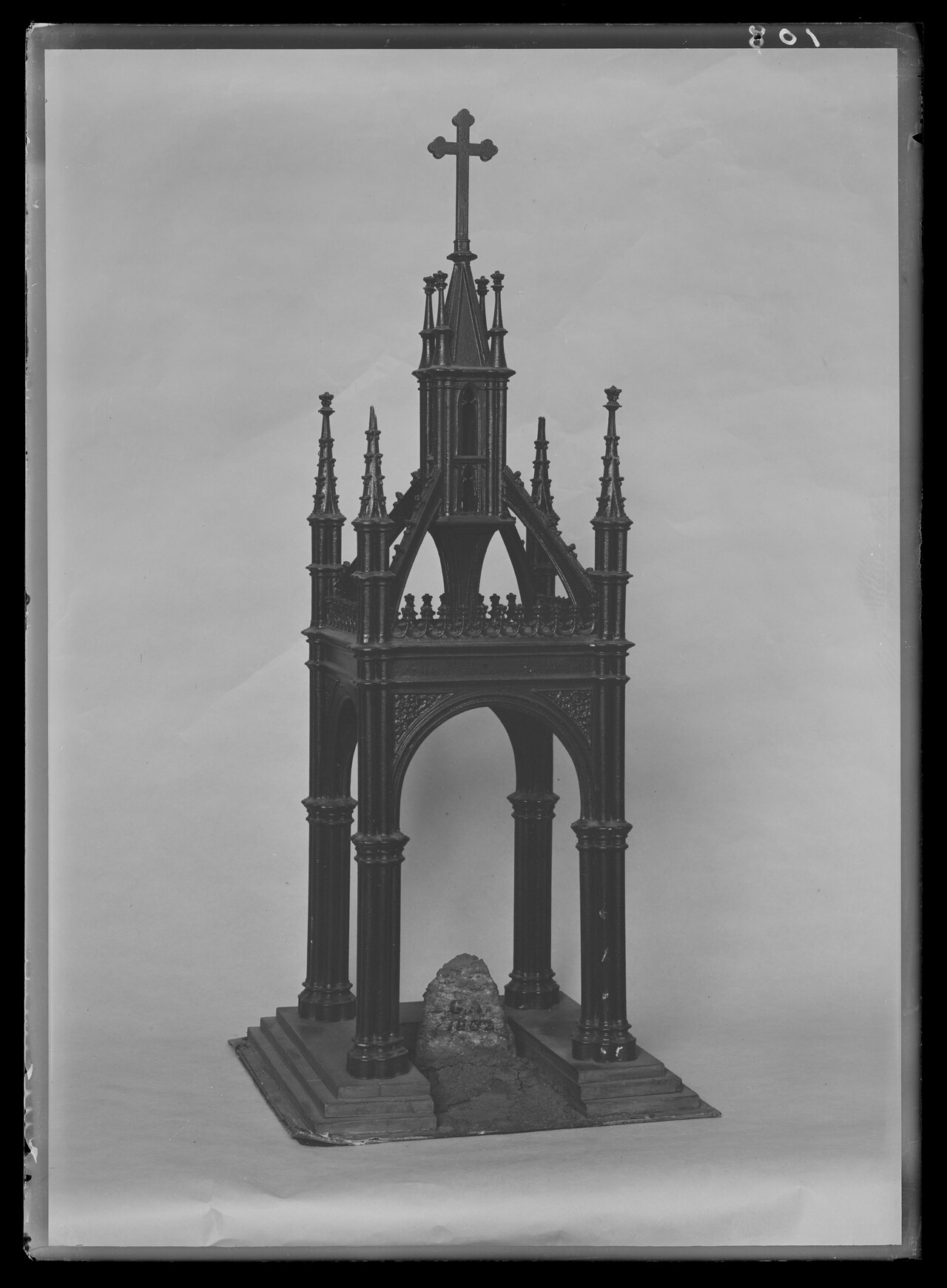
Schwedenstein at Lützen
1632 (canopy added 1832)
A boulder traditionally set up in 1632 to mark the spot where Gustavus Adolphus fell in battle, the earliest memorial to his death.
Marks the traditional site of Gustavus Adolphus's death in battle, the first memorial built to him.
Free Humy account · No credit card · 120,912 sources to read
About this source
What it is
The Schwedenstein ("Swedes' Stone") is a boulder at Lützen said to mark the place where Gustavus Adolphus fell in 1632. A cast-iron canopy was added over the stone in 1832, and a chapel was later built nearby by citizen Oskar Ekman. The image shown here is a photograph of a model of that Gothic-style iron canopy.
Why it matters
This stone is the earliest memorial to the king's death and shows how quickly his fall became a legend. Over the following centuries, Swedes and Germans added monuments around it, turning the battlefield into a place of national memory connected to Gustavus Adolphus and those who honored him.
- Why might people want a physical marker at the exact spot of a king's death?
- What does the later addition of a canopy and chapel tell you about changing memory of the event?
- What is missing from a simple stone memorial compared to a written account of the battle?
This sculpture is part of the curated material that grounds the AI version of Gustavus Adolphus on Humy.ai — when students ask about related events, the AI can quote it and cite it.
More Gustavus Adolphus sources
Browse all 83 → Artifact
Primary source
Vasa
1626-1628
 Artifact
Primary source
Streiff
17th century
 Document
Primary source
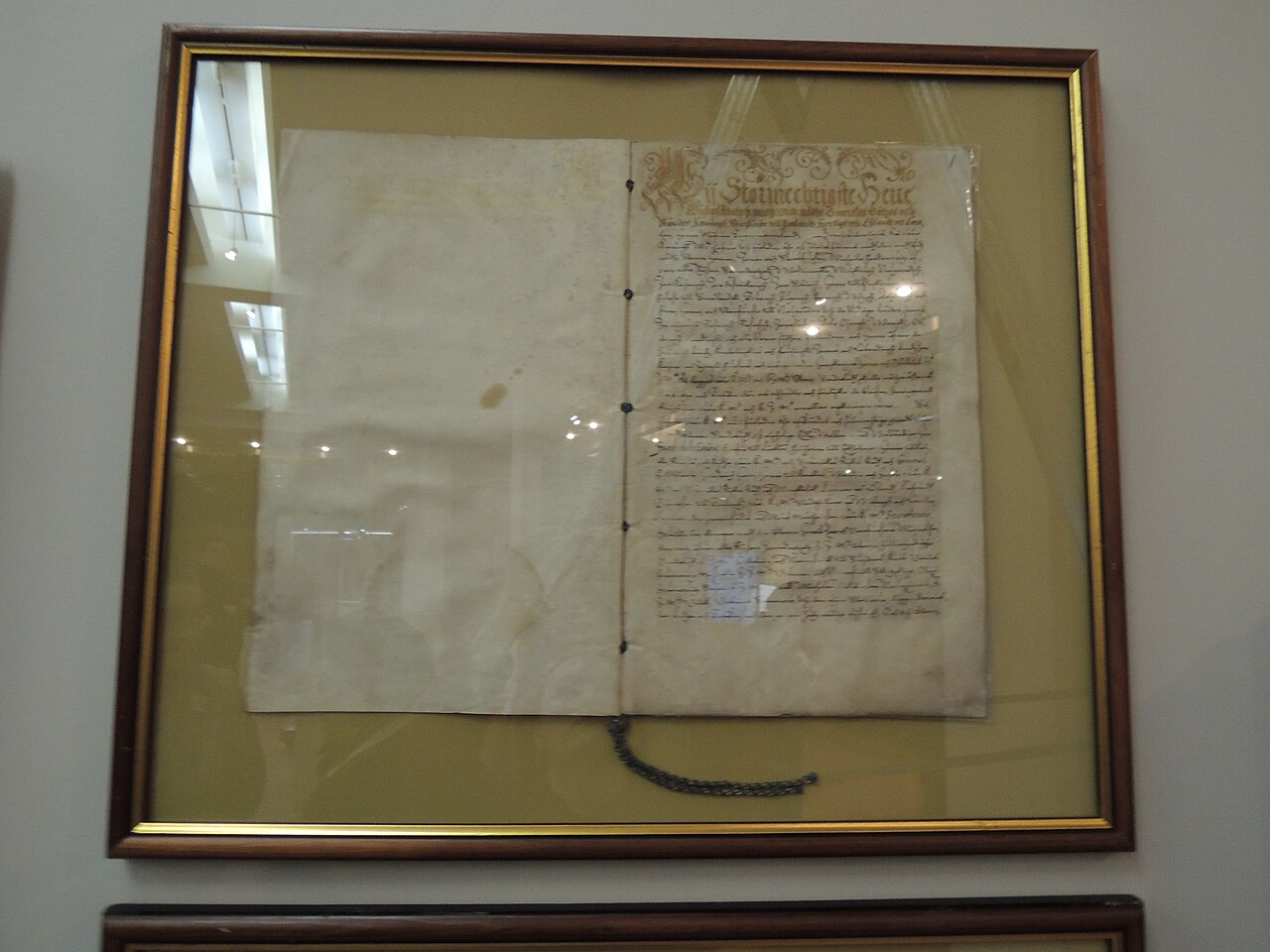
Gustav Adolf's Ratification of the Treaty of Stolbovo
Gustavus Adolphus of Sweden · 1 May 1617
 Newspaper article
Primary source
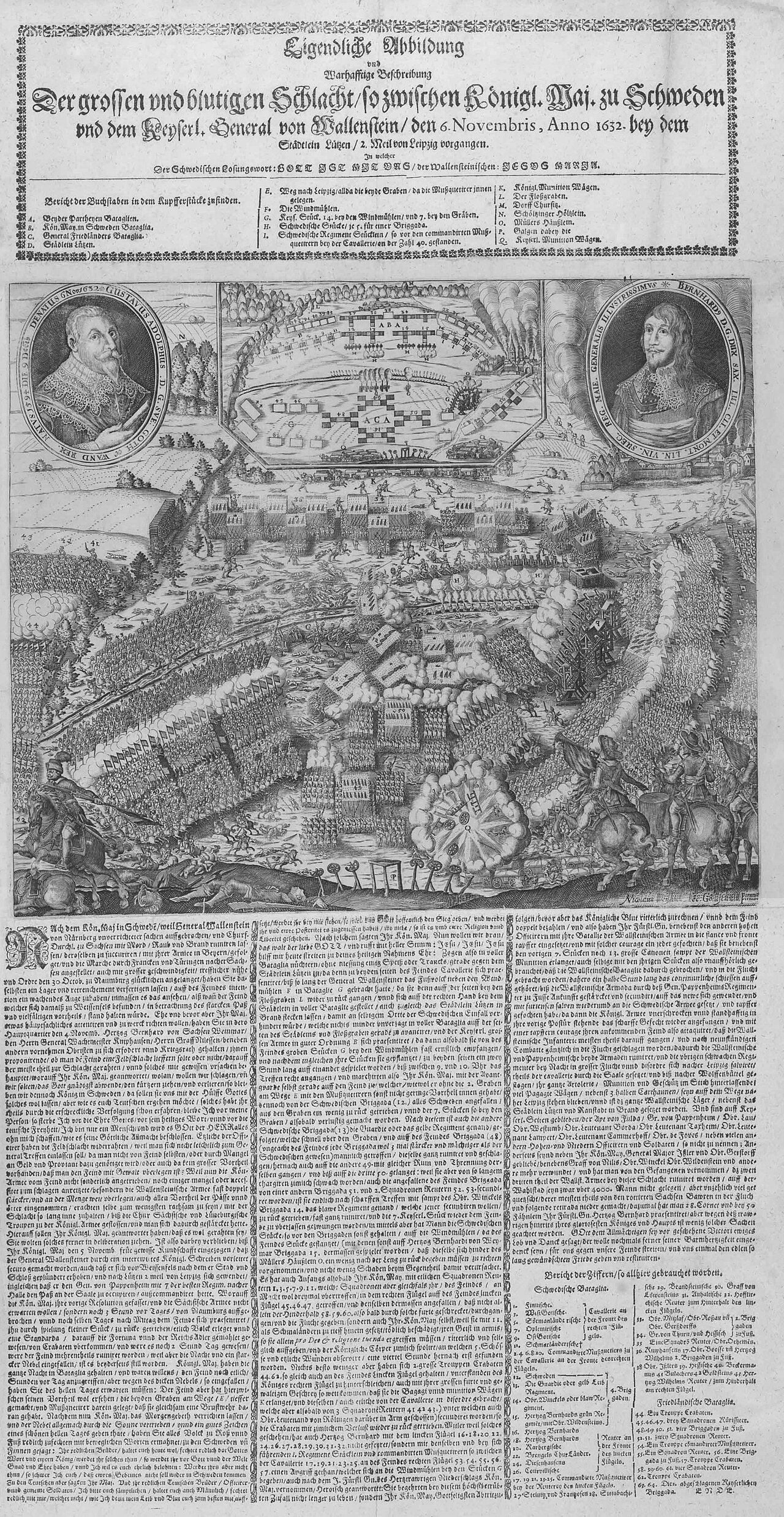
Broadside on the Battle of Lützen
1632
Free account
Read every Gustavus Adolphus source
Sign up free →
Ready when you are
Start chatting with Gustavus Adolphus now.
20 messages free · No credit card · Available in 50+ languages.