


Primary sourceBook1812-1816
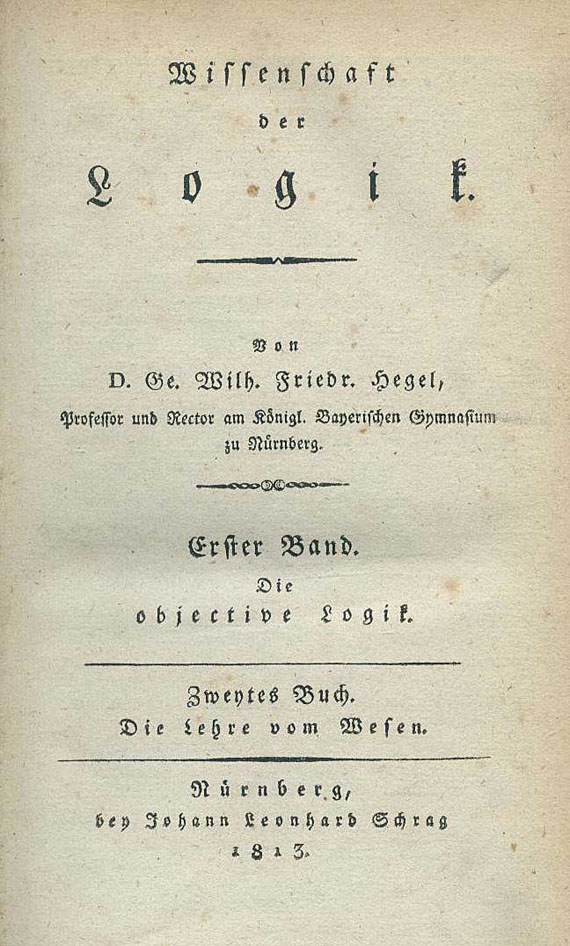
Science of Logic
Georg Wilhelm Friedrich Hegel · 1812-1816
Hegel's dense account of the dialectical movement of pure concepts, written while he worked as a school headmaster in Nuremberg.
Hegel's own foundational work of logic, written during his years as a school headmaster.
About this source
What it is
Published in parts between 1812 and 1816, this work sets out Hegel's system of logic, treating thought and being as a single unity. Hegel wrote it while working at a secondary school in Nuremberg, and he kept revising it, completing part of a new edition shortly before his death in 1831.
Why it matters
For Hegel, logic was not just about reasoning but the rational structure underlying all reality. The book is considered too advanced for beginners, so Hegel later wrote a shorter version in his Encyclopedia. It shows Hegel pursuing his most abstract and difficult philosophical system even while earning his living as a schoolteacher.
Look closer
- Why might a philosopher keep revising the same book for nearly twenty years?
- What does it suggest that Hegel finished writing this just days before he died?
- Why do you think Hegel later wrote a shorter version of this book for students?
This book is part of the curated material that grounds the AI version of Georg Wilhelm Friedrich Hegel on Humy.ai — when students ask about related events, the AI can quote it and cite it.
More Georg Wilhelm Friedrich Hegel sources
Meet the AI Georg Wilhelm Friedrich Hegel →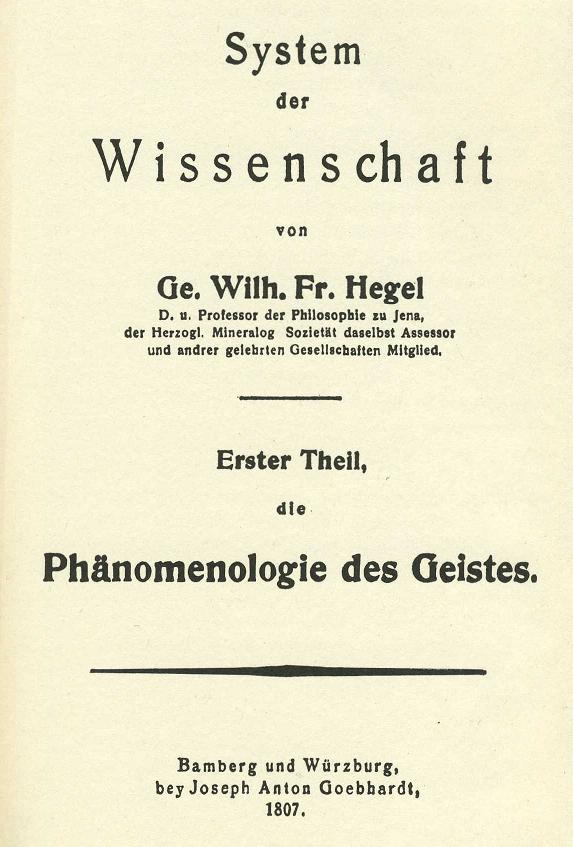 Book
Primary source
The Phenomenology of Spirit
Georg Wilhelm Friedrich Hegel · 1807
 Book
Primary source
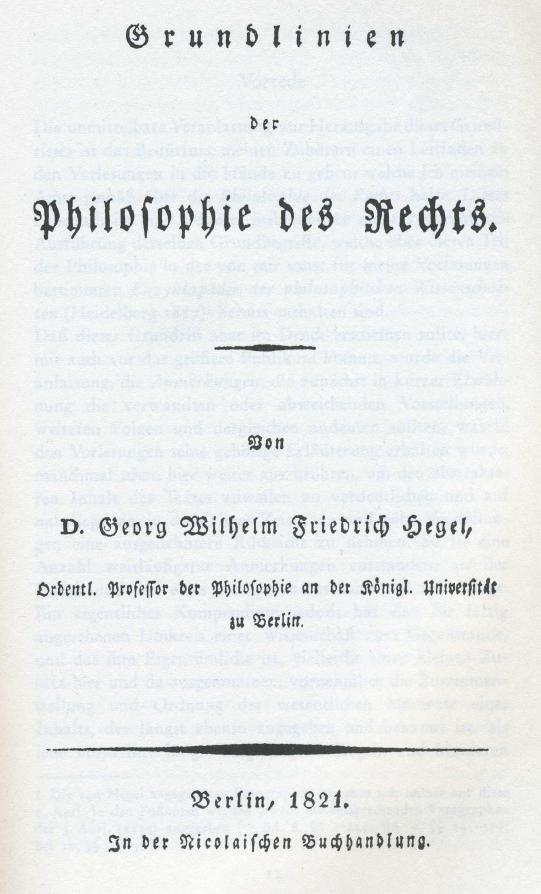
Elements of the Philosophy of Right
Georg Wilhelm Friedrich Hegel · 1821
 Book
Primary source
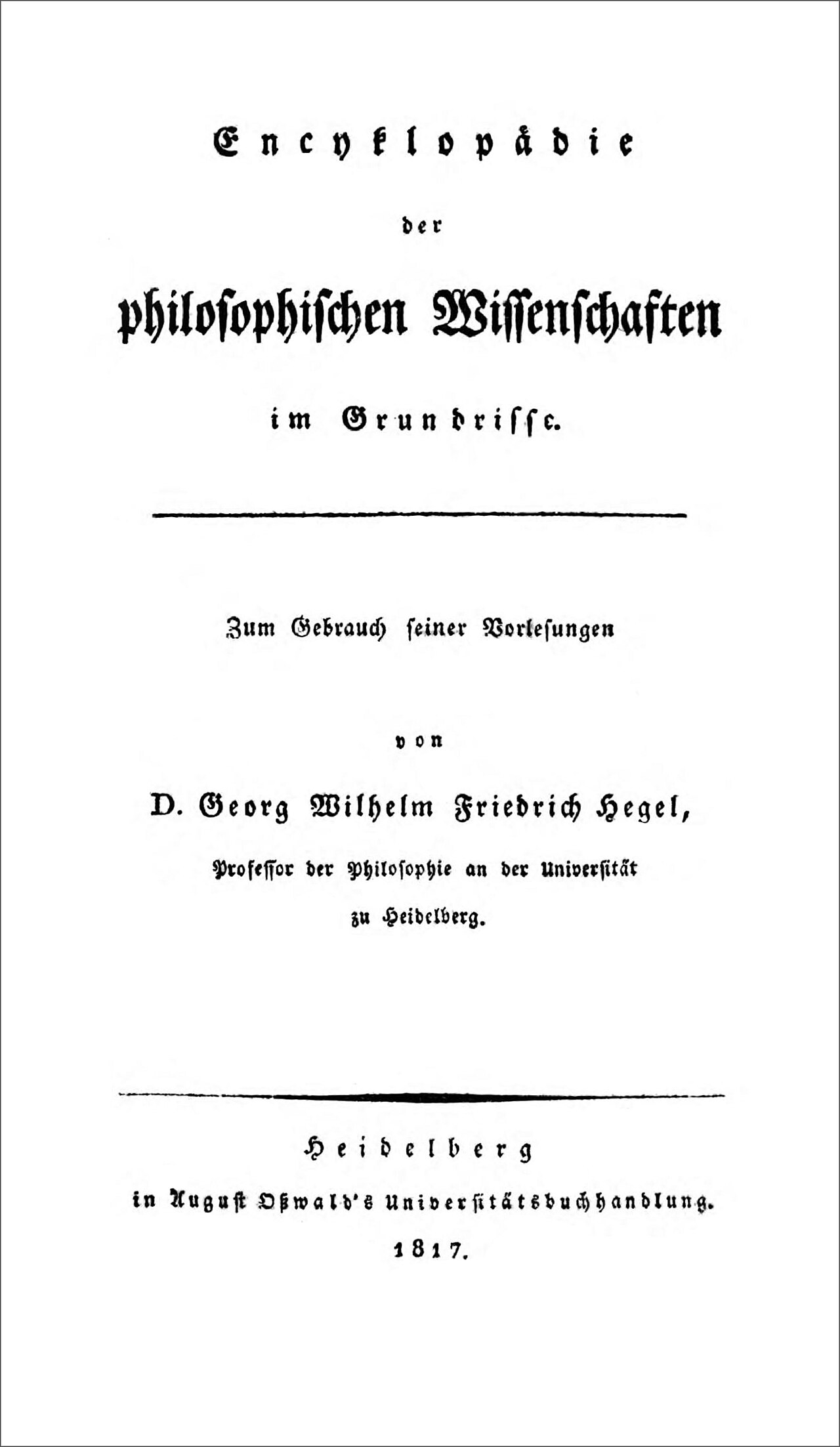
Encyclopedia of the Philosophical Sciences
Georg Wilhelm Friedrich Hegel · 1817
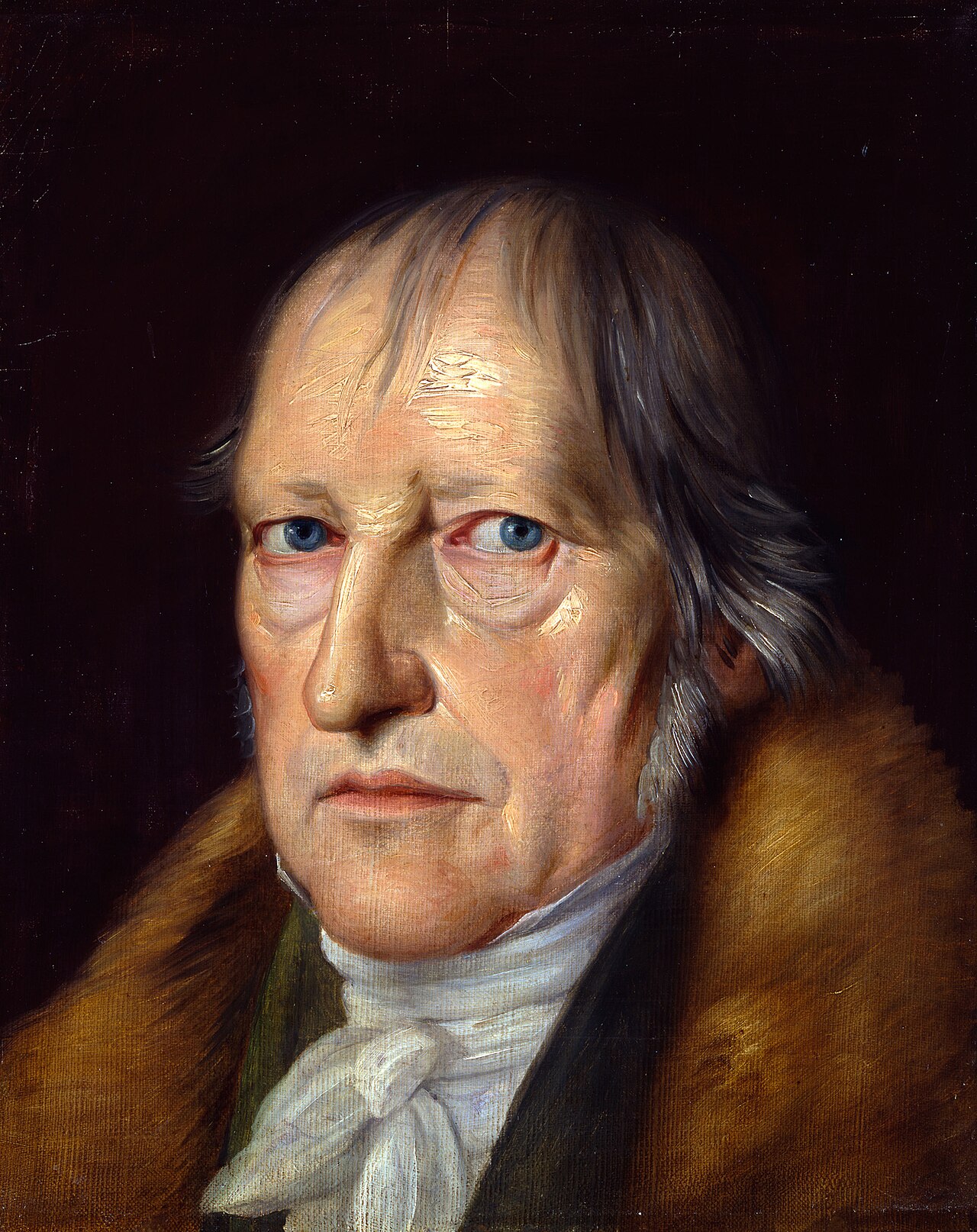 Painting
Primary source
The Philosopher Georg Friedrich Wilhelm Hegel
Jakob Schlesinger · 1831
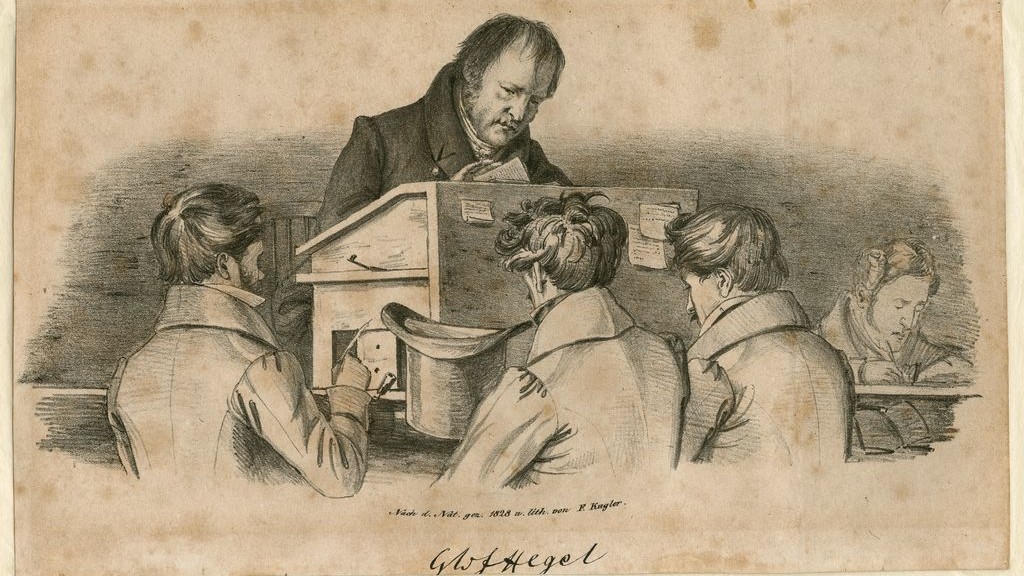 Painting
Primary source
Hegel mit Studenten
Franz Kugler
Ready when you are
Start chatting with Georg Wilhelm Friedrich Hegel now.
20 messages free · No credit card · Available in 50+ languages.