


Primary sourceArtifact
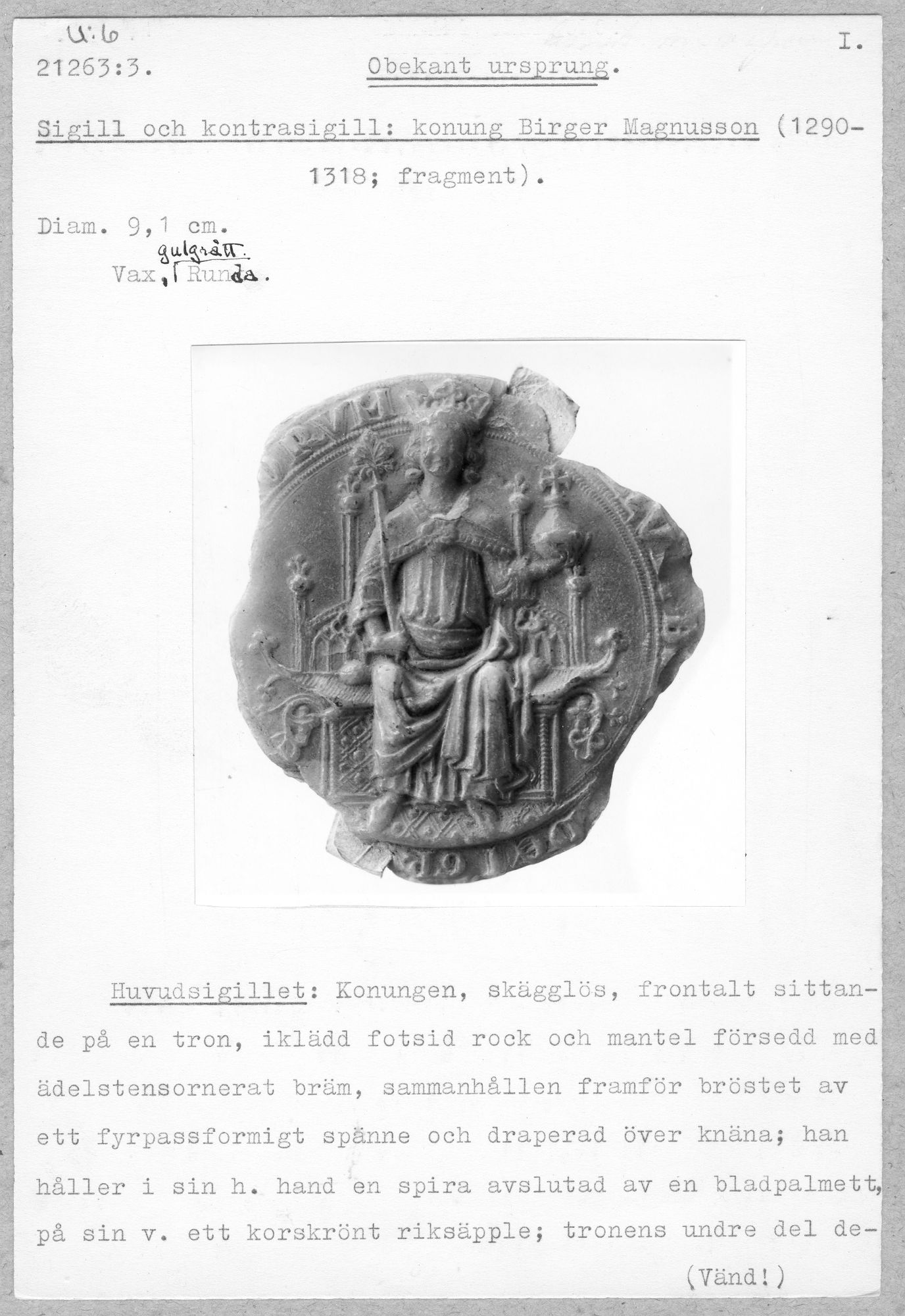
Seal and Counterseal of King Birger Magnusson
A wax seal of the later Swedish king Birger Magnusson, showing royal authority through image and inscription.
This seal belongs to the later King Birger Magnusson, not Birger Jarl, but shows the royal sealing tradition his descendants used.
About this source
What it is
This is a photograph of a fragmentary wax seal belonging to King Birger Magnusson, held by the Swedish History Museum. The seal shows a crowned king seated on a throne holding a sceptre and orb, surrounded by an inscription.
Why it matters
Seals like this were used by medieval rulers to authenticate documents and project royal power and legitimacy. This seal belongs to a later Swedish king named Birger, not Birger Jarl, but it illustrates how royal seals of this kind worked in medieval Sweden.
Look closer
- What symbols of power do you see on the seal, and what do they represent?
- Why would a king need an official seal rather than just his name written down?
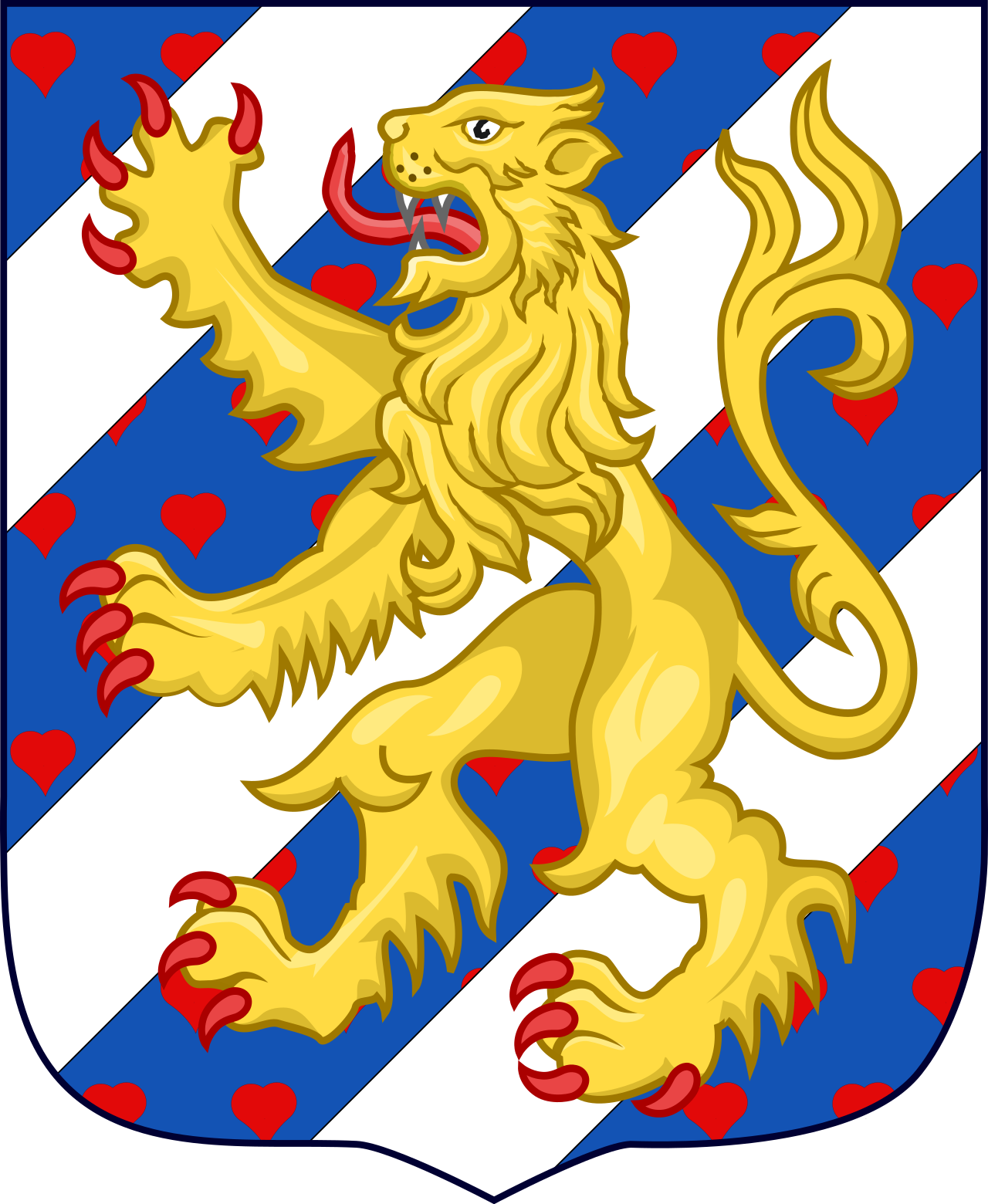
- How is this seal different from the modern coat of arms reconstruction linked to Birger Jarl's family?
This artifact is part of the curated material that grounds the AI version of Birger Jarl on Humy.ai — when students ask about related events, the AI can quote it and cite it.
More Birger Jarl sources
Browse all 46 →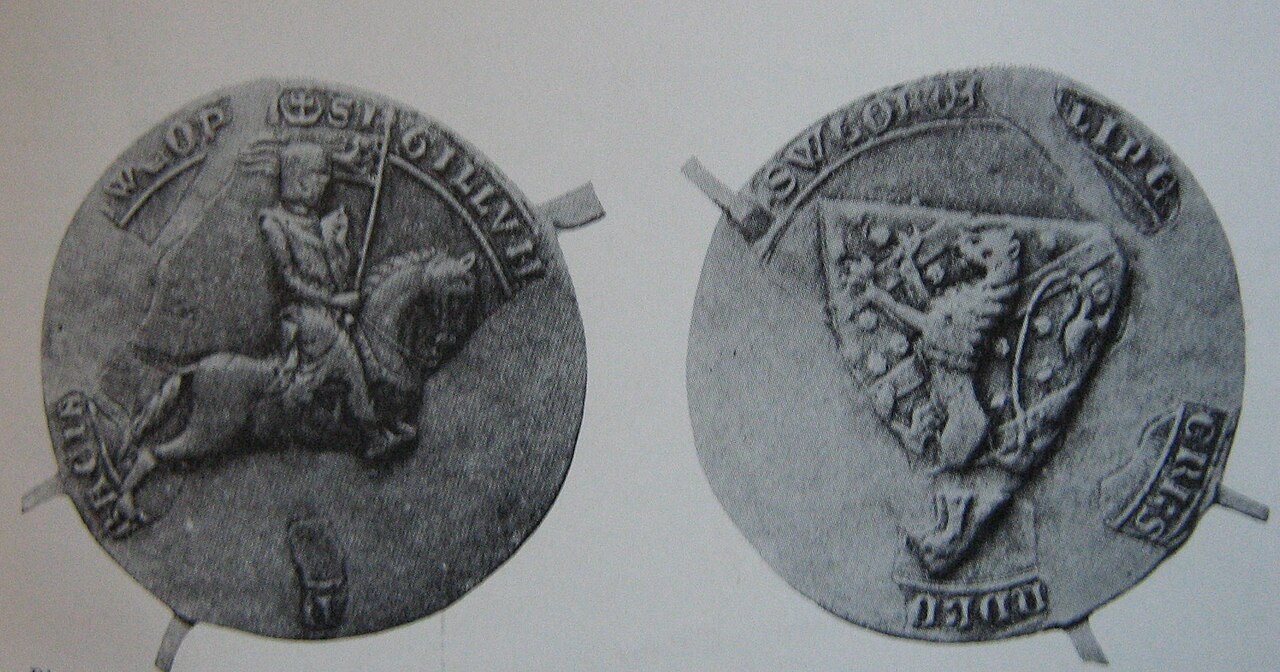 Artifact
Primary source
Birger Jarl's Seal
Unknown · 13th century
 Artifact
Tertiary source
Coat of Arms of Birger Jarl
 Document
Primary source
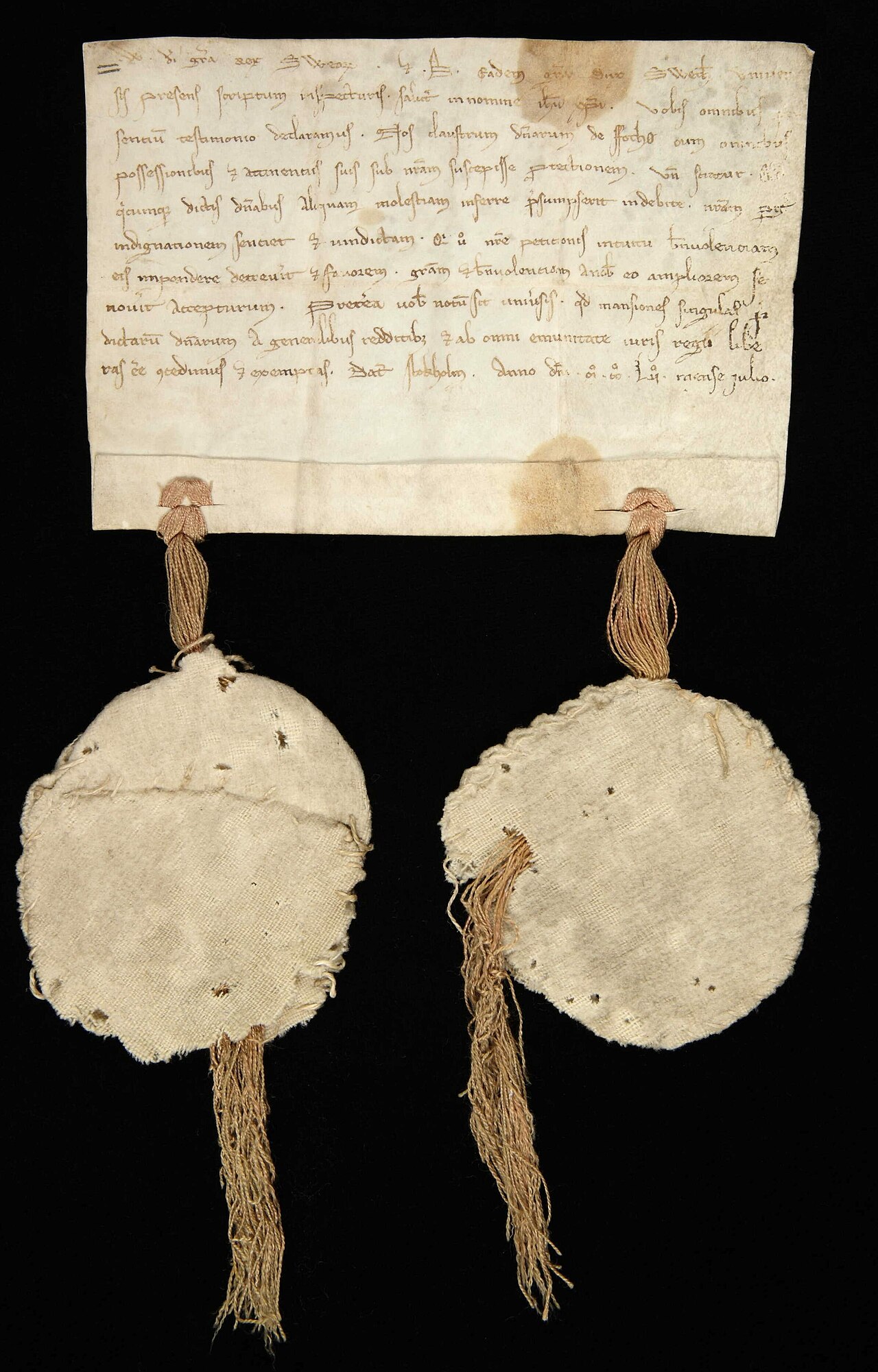
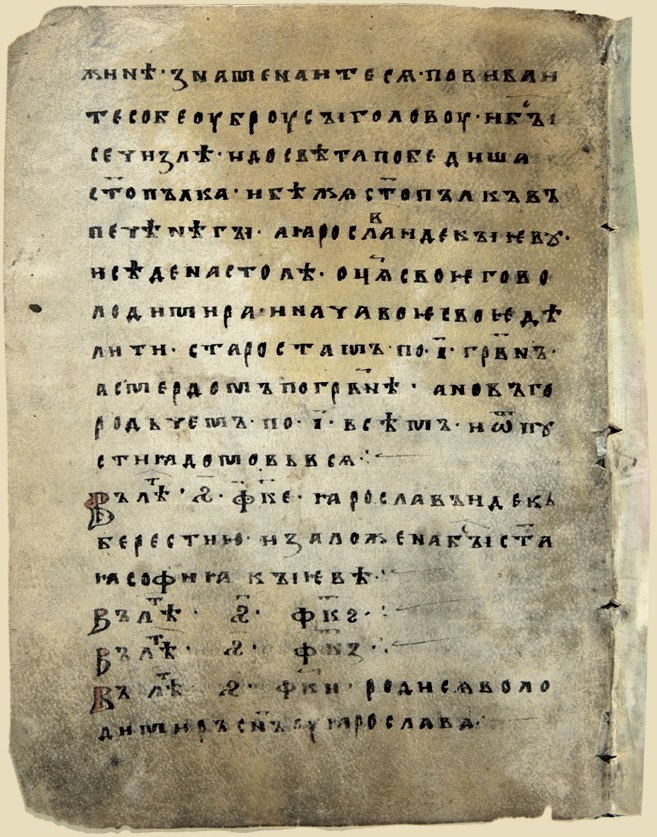
Letter of Protection to Vårfruberga
King Valdemar of Sweden and Earl Birger of Sweden · 13th century
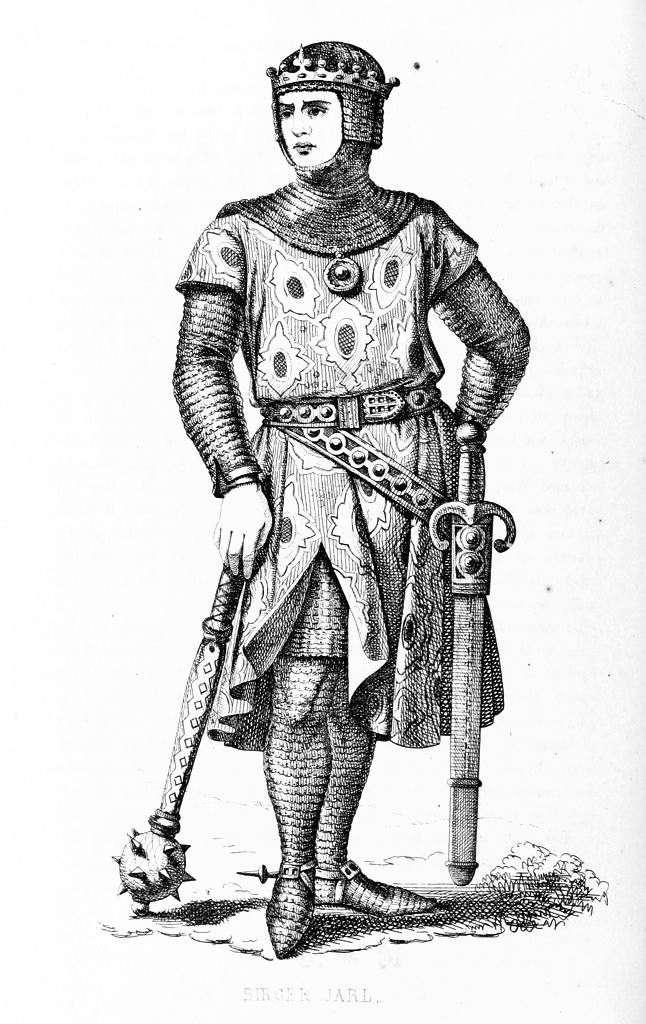 Painting
Secondary source
Birger Jarl
1850
Free account
Read every Birger Jarl source
Sign up free →
Ready when you are
Start chatting with Birger Jarl now.
20 messages free · No credit card · Available in 50+ languages.