


Primary sourceArtifact13th century
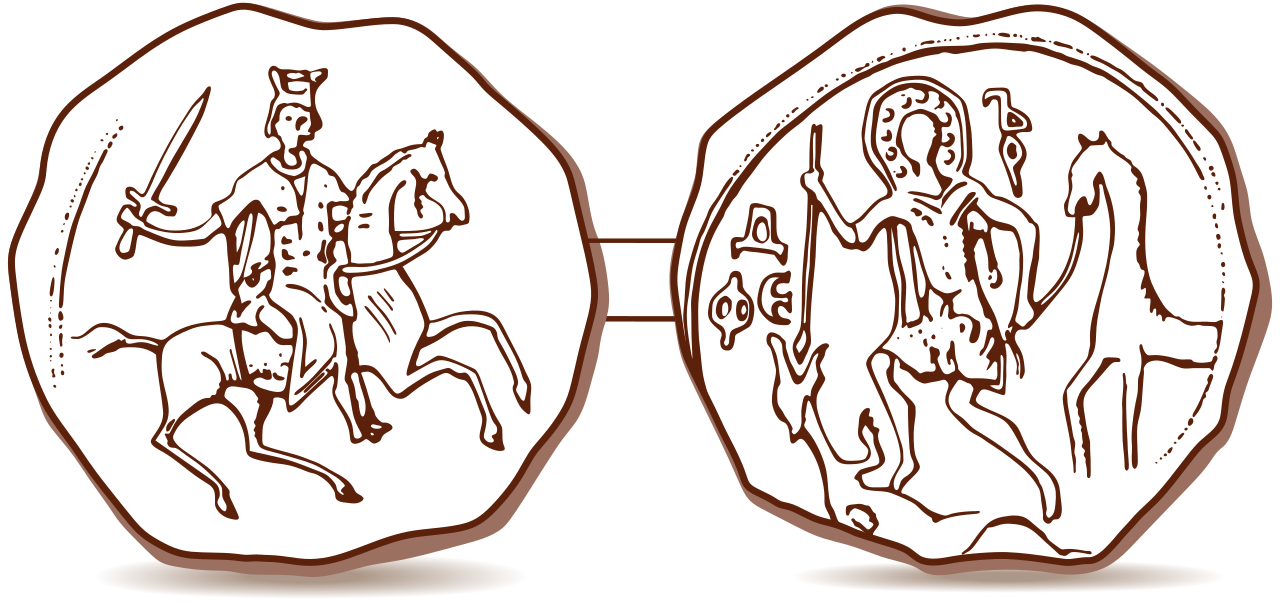
Seal of Alexander Nevsky
13th century
A lead princely seal issued in Alexander Nevsky's own name, showing his patron saint and a mounted warrior.
This seal was issued in Alexander Nevsky's own name, making it one of the very few surviving objects directly tied to him.
About this source
What it is
This is a two-sided lead seal issued in the name of Alexander Nevsky. One side shows a mounted, crowned rider holding a raised sword; the other shows a standing haloed figure, identified as his patron saint, with a Greek-style inscription.
Why it matters
Princely seals like this were used to authenticate documents and assert authority. Because so few objects survive that were actually issued in Alexander Nevsky's own name, this seal is a rare direct link to his rule, showing how he presented his power and religious identity through official imagery.
Look closer
- Why would a prince choose to put a mounted warrior on his seal?
- What does the choice of a patron saint on the seal suggest about religion and rulership?
- What can and can't a seal like this tell us about the person who used it?
This artifact is part of the curated material that grounds the AI version of Alexander Nevsky on Humy.ai — when students ask about related events, the AI can quote it and cite it.
More Alexander Nevsky sources
Browse all 93 →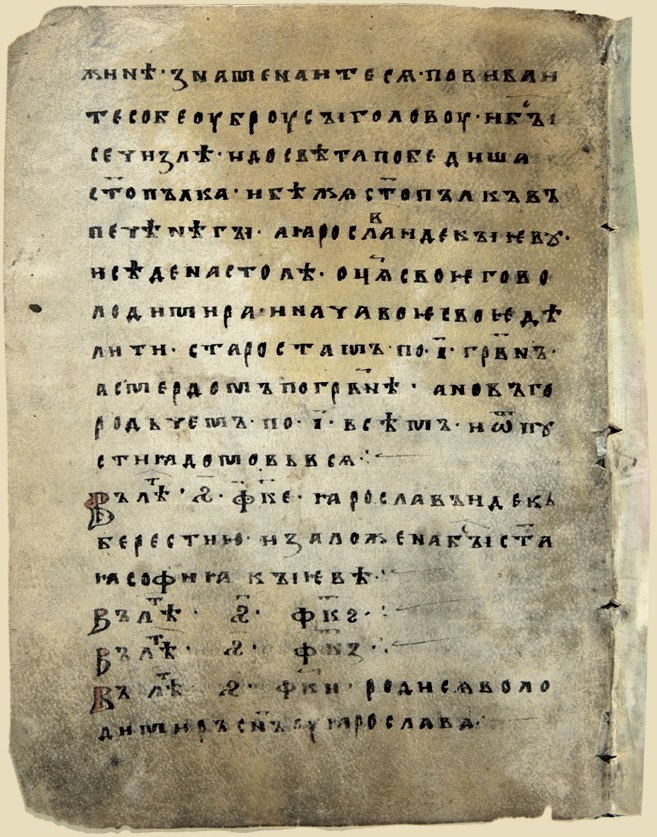 Document
Primary source
Novgorod First Chronicle
13th century (covering events from 1016)
 Document
Secondary source
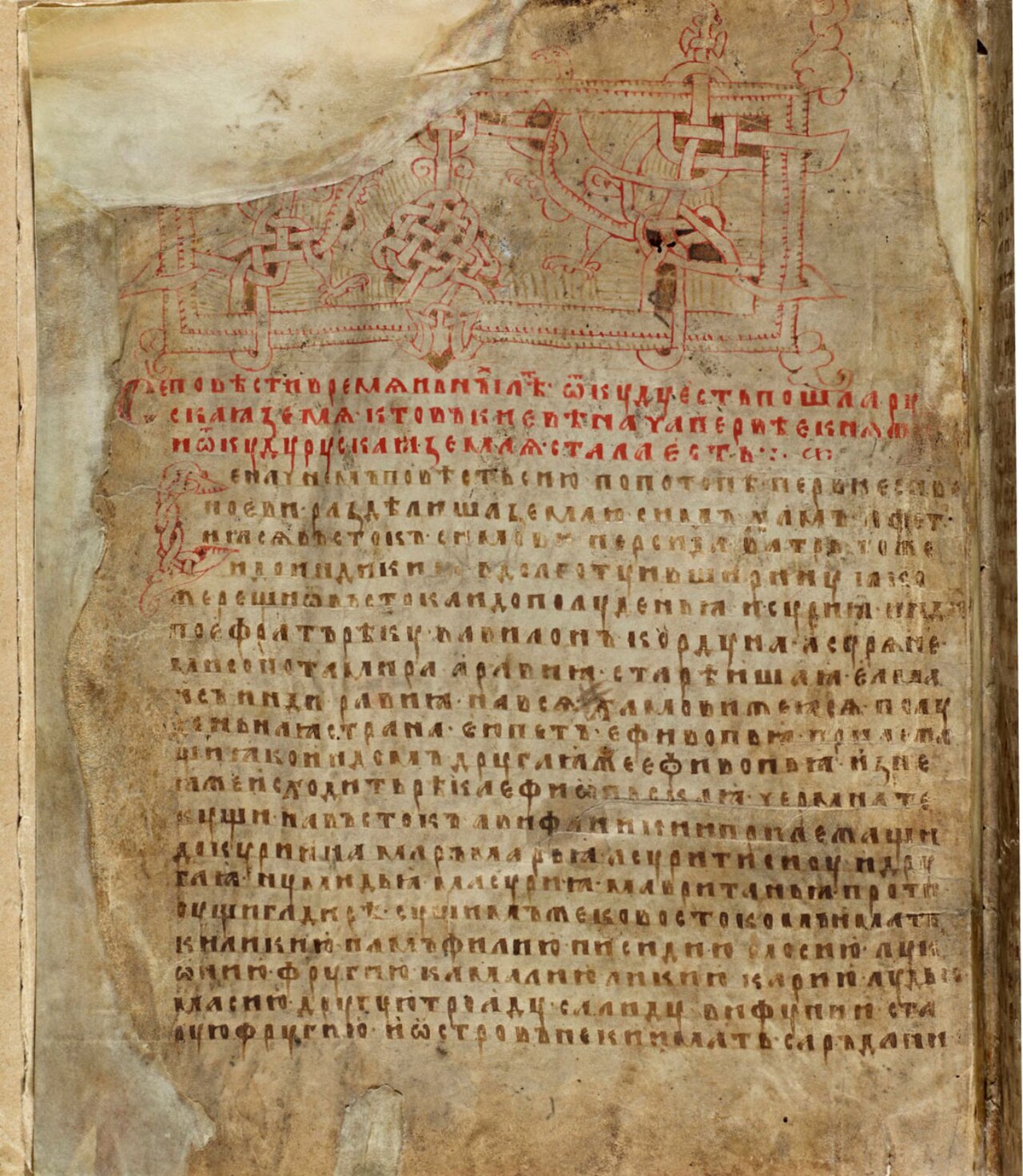
Laurentian Codex
Laurentius · 1377
 Artifact
Primary source
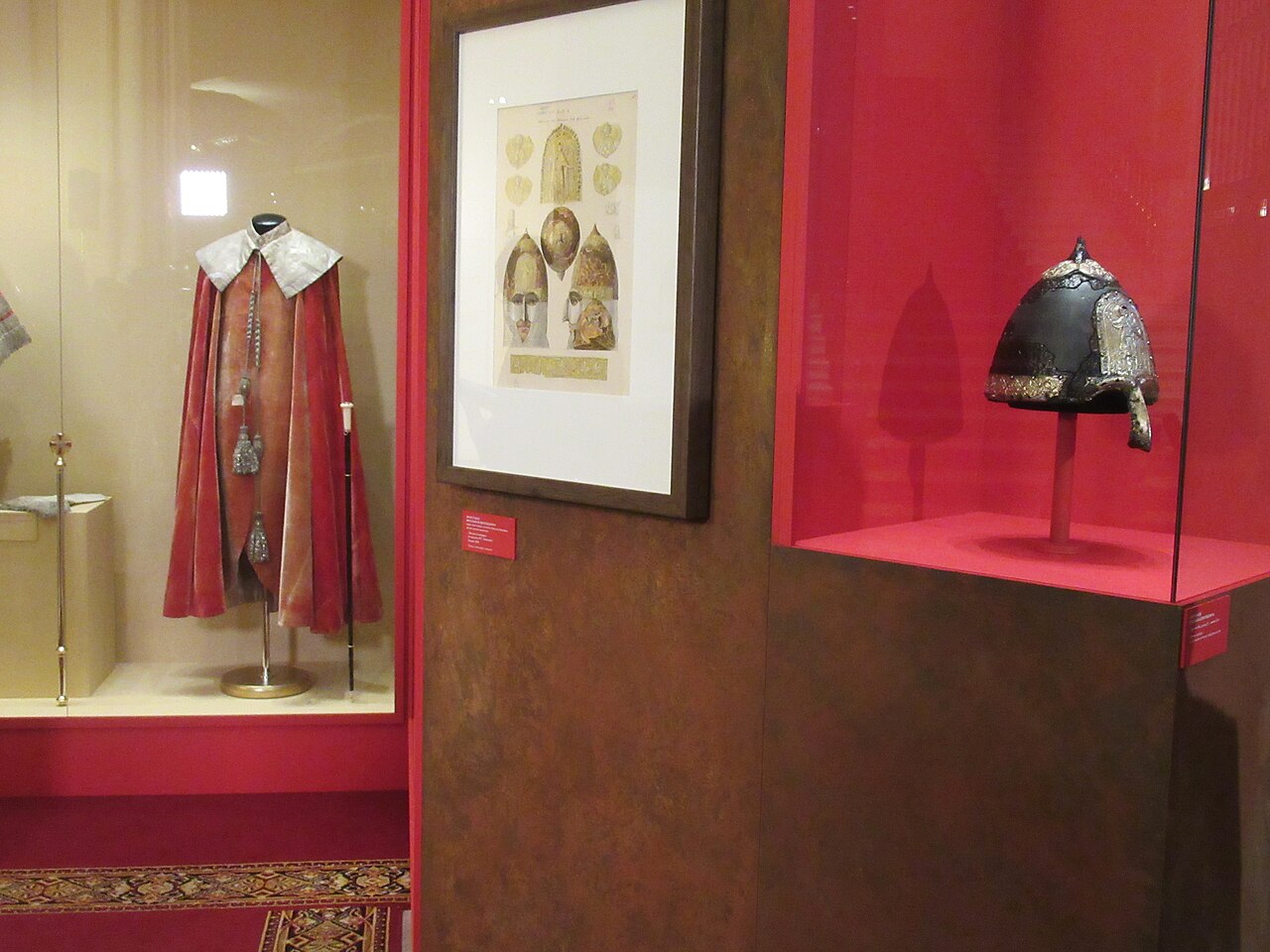
Helmet of Yaroslav Vsevolodovich
Rus' armourers · early 13th century
 Painting
Secondary source
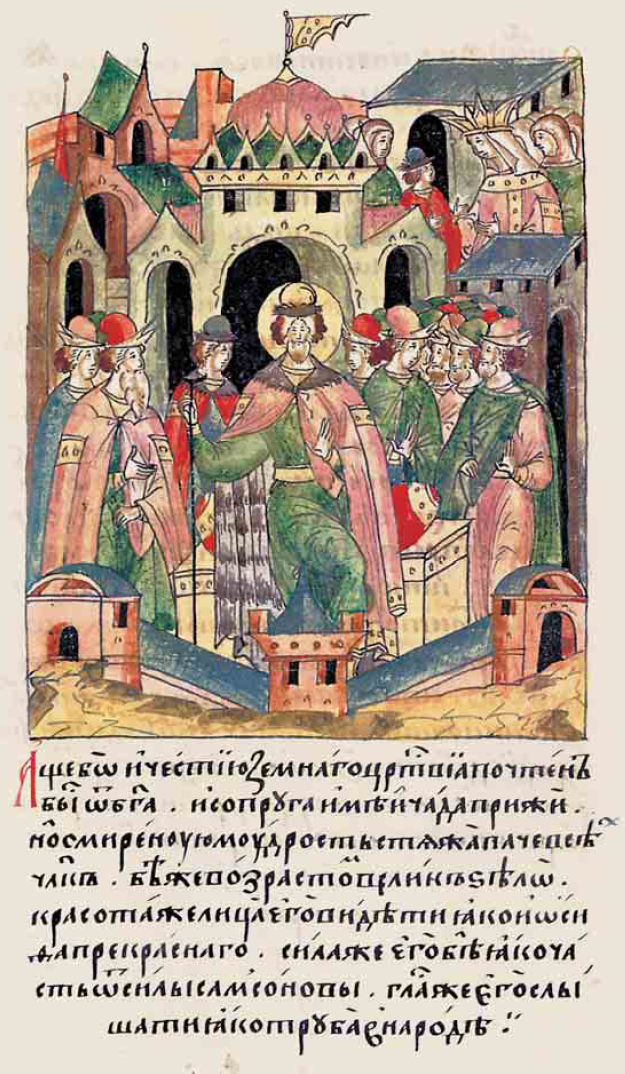
Illustrated Chronicle of Ivan the Terrible: Miniatures of Alexander Nevsky
Workshop of Ivan IV · 1560s–1570s
Free account
Read every Alexander Nevsky source
Sign up free →
Ready when you are
Start chatting with Alexander Nevsky now.
20 messages free · No credit card · Available in 50+ languages.