


Primary sourceArtifactcirca 1489
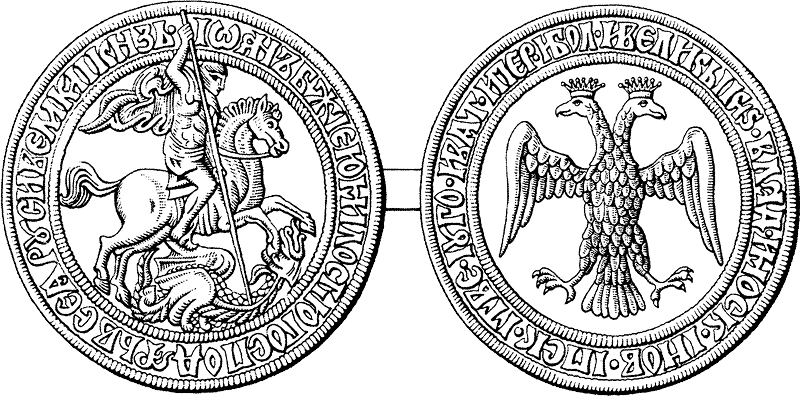
Seal of Ivan III Vasilyevich listing his titles
circa 1489
Ivan III's own lead seal, inscribed with his full list of titles and stamped with Saint George and a double-headed eagle.
Ivan III's own seal, carrying his personal titles and symbols, is direct primary evidence of his claimed authority.
About this source
What it is
This is a two-sided seal, presumably dated around 1489, belonging to Ivan III. One side shows Saint George on horseback spearing a dragon, with his name and title "Lord of all Rus, Great Prince" inscribed around the rim. The other side shows a double-headed eagle, surrounded by an inscription listing his further titles as Great Prince of Vladimir, Moscow, Novgorod, Pskov, Tver, Yugra, Vyatka, Perm and Bulgaria.
Why it matters
As Ivan III's own seal, it is direct, firsthand evidence of how he described his own power and territory. The long list of titles shows the scale of the lands he claimed to rule, and the double-headed eagle is an early sign of imperial symbolism that later became central to Russian rulership.
Look closer
- Why would a ruler list so many separate territories in his title?
- What might the choice of Saint George and a double-headed eagle say about the image Ivan III wanted to project?
- Since this is his own seal, what can it tell us that a later portrait or story about him cannot?
This artifact is part of the curated material that grounds the AI version of Ivan III of Russia on Humy.ai — when students ask about related events, the AI can quote it and cite it.
More Ivan III of Russia sources
Browse all 98 →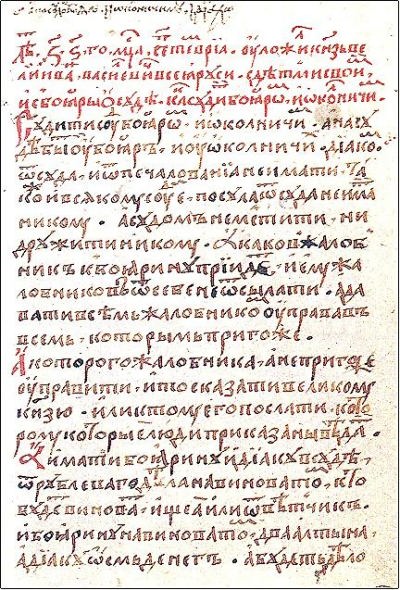 Document
Primary source
Sudebnik of 1497
1497
 Artifact
Primary source
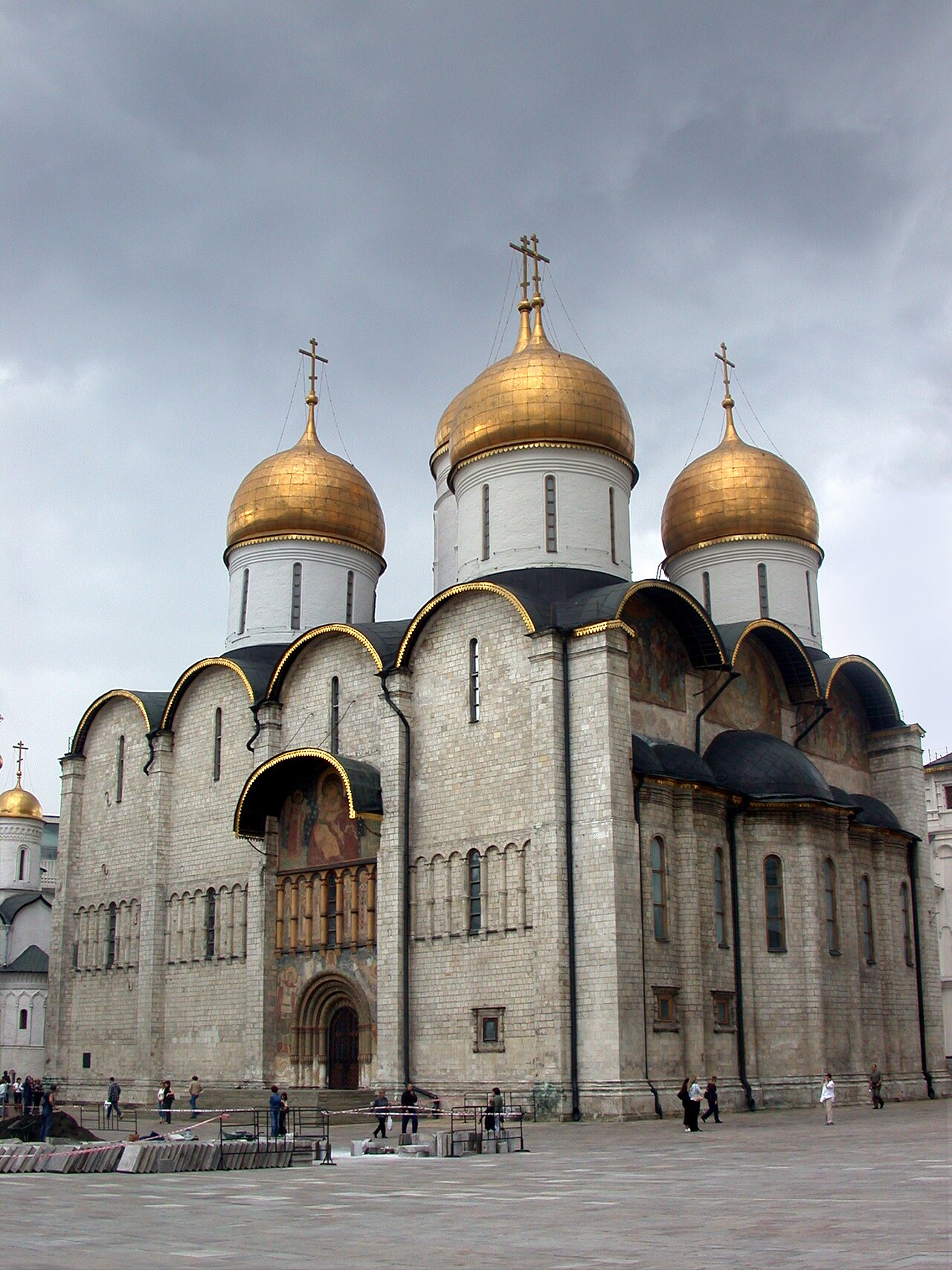
Dormition Cathedral
Aristotele Fioravanti · 1475-1479
 Artifact
Primary source
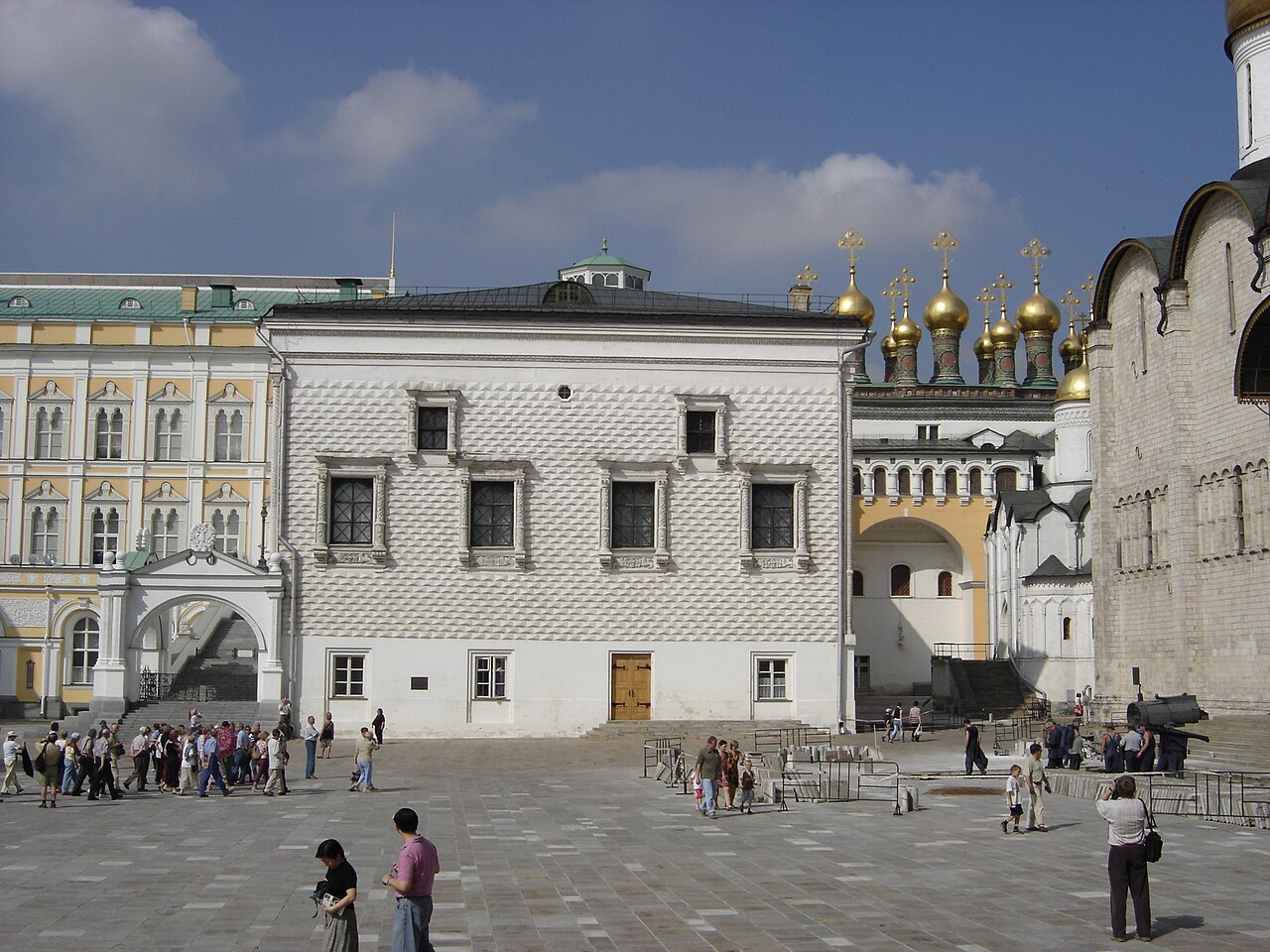
Palace of Facets
Marco Ruffo and Pietro Antonio Solari · 1487-1492
 Artifact
Primary source
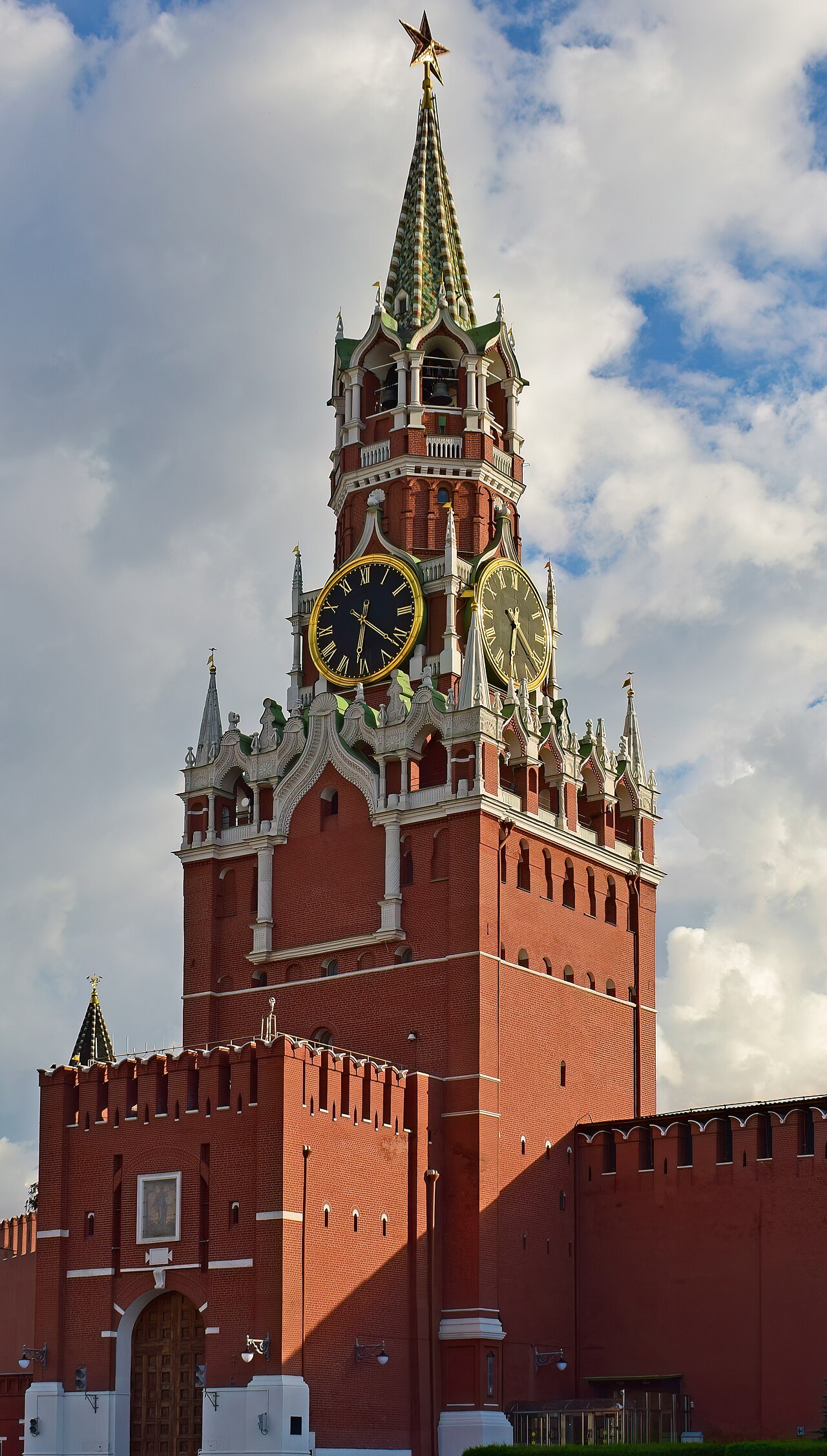
Spasskaya Tower
Pietro Antonio Solari · 1491
Free account
Read every Ivan III of Russia source
Sign up free →
Ready when you are
Start chatting with Ivan III of Russia now.
20 messages free · No credit card · Available in 50+ languages.