


Primary sourceArtifact1648
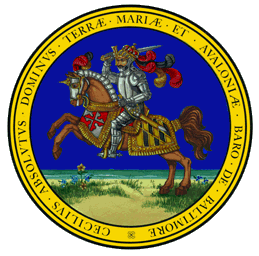
Seal of Maryland (obverse)
1648
The Great Seal of Maryland, sent to the colony by Cecil Calvert in 1648, bearing his name and the Calvert family arms.
Calvert commissioned and sent this seal to Maryland in 1648 as a symbol of his proprietary authority over the colony.
About this source
What it is
This is the obverse of the Great Seal of Maryland, which Cecil Calvert sent to the colony in 1648. It shows a knight on a rearing horse, the Calvert and Crossland coats of arms, and Latin inscriptions naming 'Cecilius Baro de Baltimore' and the territory, along with the family motto 'Fatti maschii, parole femine.'
Why it matters
As the official seal of the colony, it was used to authenticate government documents and symbolized Calvert's proprietary authority over Maryland. The heraldic imagery and Latin text reflect how English nobility projected power and legitimacy even in distant colonial territories.
Look closer
- What does the imagery of the armored knight suggest about how Calvert wanted his authority to be seen?
- Why is Calvert's name written in Latin on the seal?
- What can an official seal tell us about government and power that a letter or book cannot?
This artifact is part of the curated material that grounds the AI version of Cecil Calvert, 2nd Baron Baltimore on Humy.ai — when students ask about related events, the AI can quote it and cite it.
More Cecil Calvert, 2nd Baron Baltimore sources
Browse all 43 →Primary source
Charter of Maryland
King Charles I · 1632
 Document
Primary source
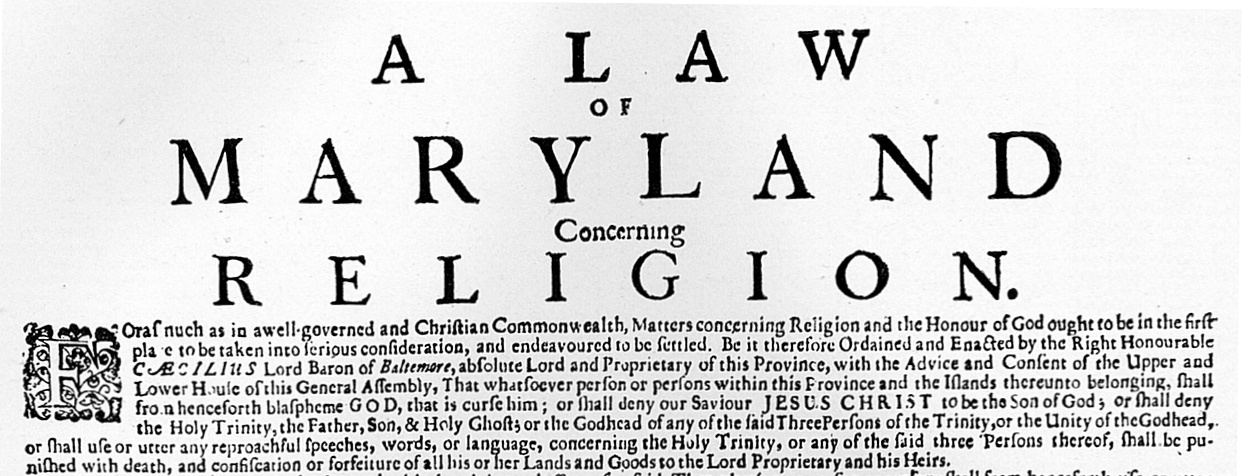
Large Broadside on the Maryland Toleration Act
Assembly of the Province of Maryland · 1649
 Painting
Primary source
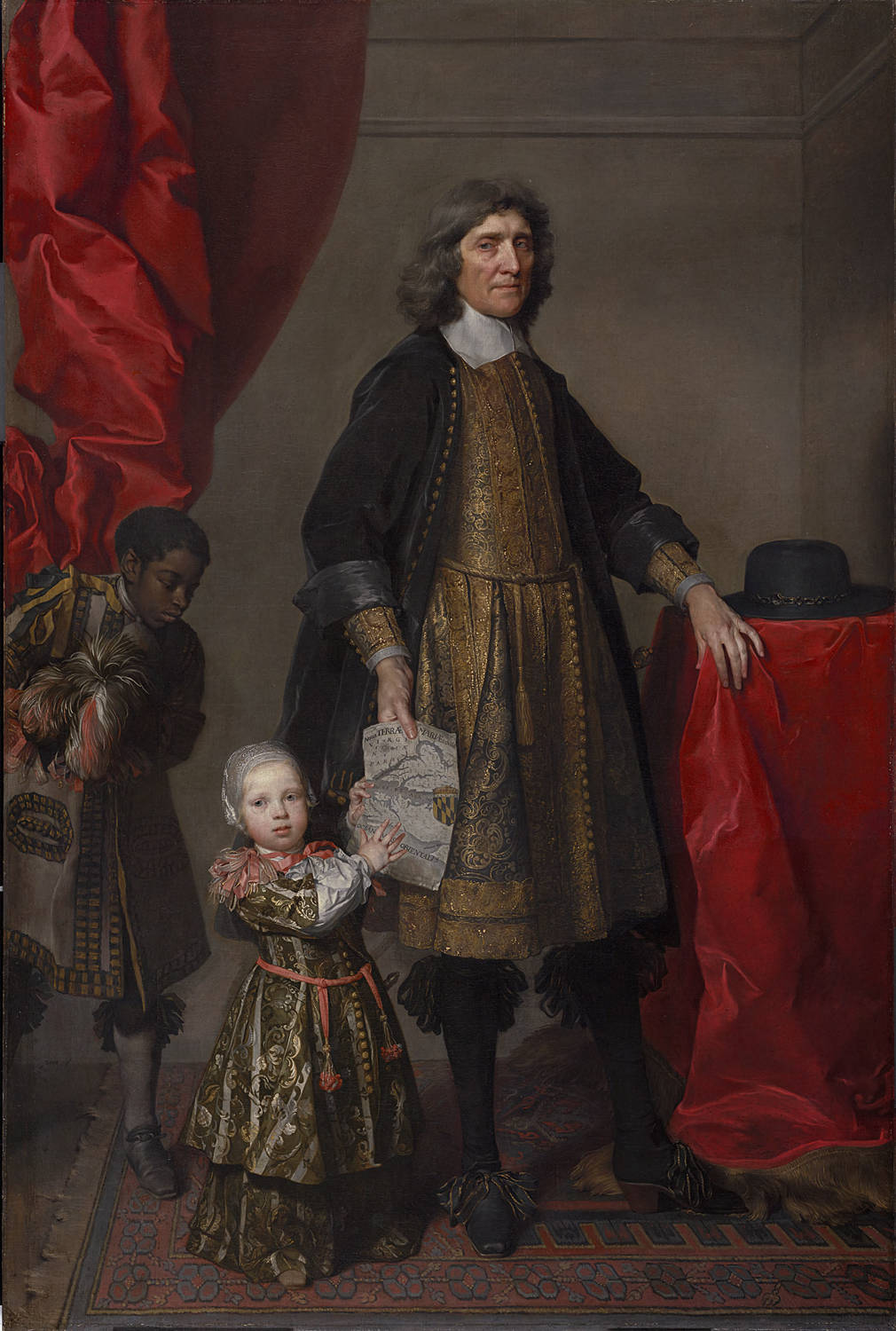
Cecil Calvert, 2nd Baron Baltimore, by Gerard Soest
Gerard Soest · 1670
 Painting
Primary source
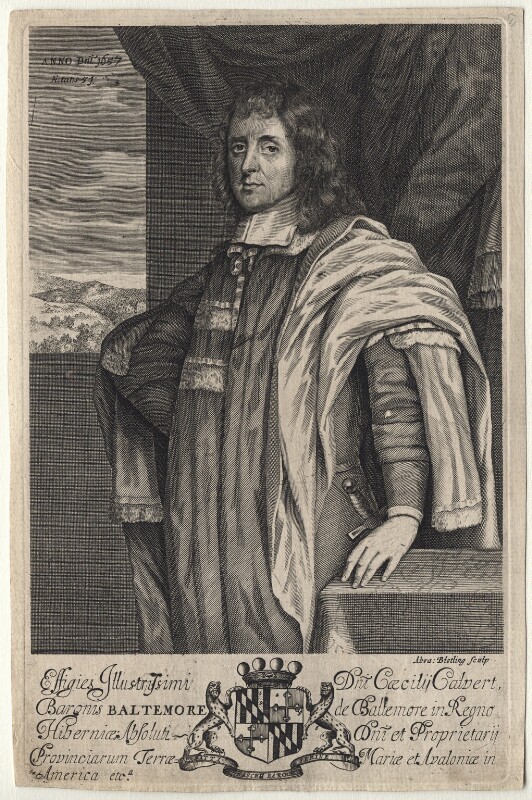
Line Engraving of Cecil Calvert, 2nd Baron Baltimore
Abraham Blooteling
Free account
Read every Cecil Calvert, 2nd Baron Baltimore source
Sign up free →
Ready when you are
Start chatting with Cecil Calvert, 2nd Baron Baltimore now.
20 messages free · No credit card · Available in 50+ languages.