


Secondary sourceArtifact
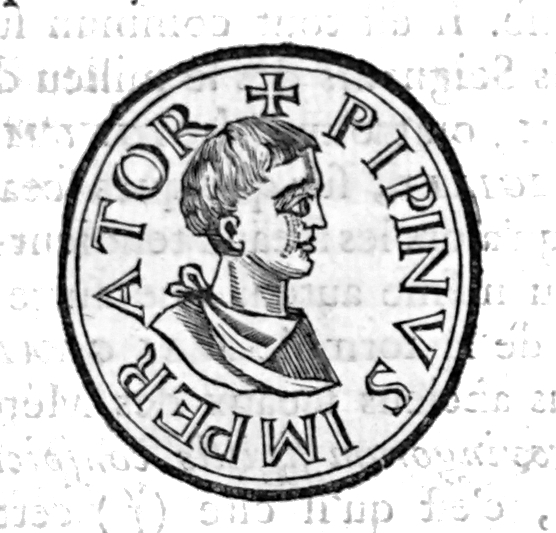
Seal of Pepin the Short
René Tassin
An engraved reproduction of Pepin's royal seal, reused from an antique gem, showing how the new dynasty authenticated its acts.
This engraving reproduces the royal seal Pepin used to authenticate his acts as king.
About this source
What it is
This engraving, made by René Tassin, reproduces the royal seal of Pepin the Short as published in a treatise on diplomatics (the study of official documents). The seal reused an antique gem showing a bust portrait, surrounded by the inscription naming Pepin as ruler.
Why it matters
Seals were used to authenticate royal acts, and the choice to reuse an antique gem for Pepin's seal shows how the new Carolingian dynasty borrowed the imagery of older, established power to give legitimacy to its own rule. It is a reminder that founding a new royal line required not just military strength but visual symbols of authority too.
Look closer
- Why might Pepin's seal reuse an older antique image rather than create a new one?
- What does the inscription around the portrait tell us about how Pepin wanted to be seen?
- This is a later engraving of the seal, not the seal itself — how might that change what we can learn from it?
This artifact is part of the curated material that grounds the AI version of Pepin the Short on Humy.ai — when students ask about related events, the AI can quote it and cite it.
More Pepin the Short sources
Browse all 58 →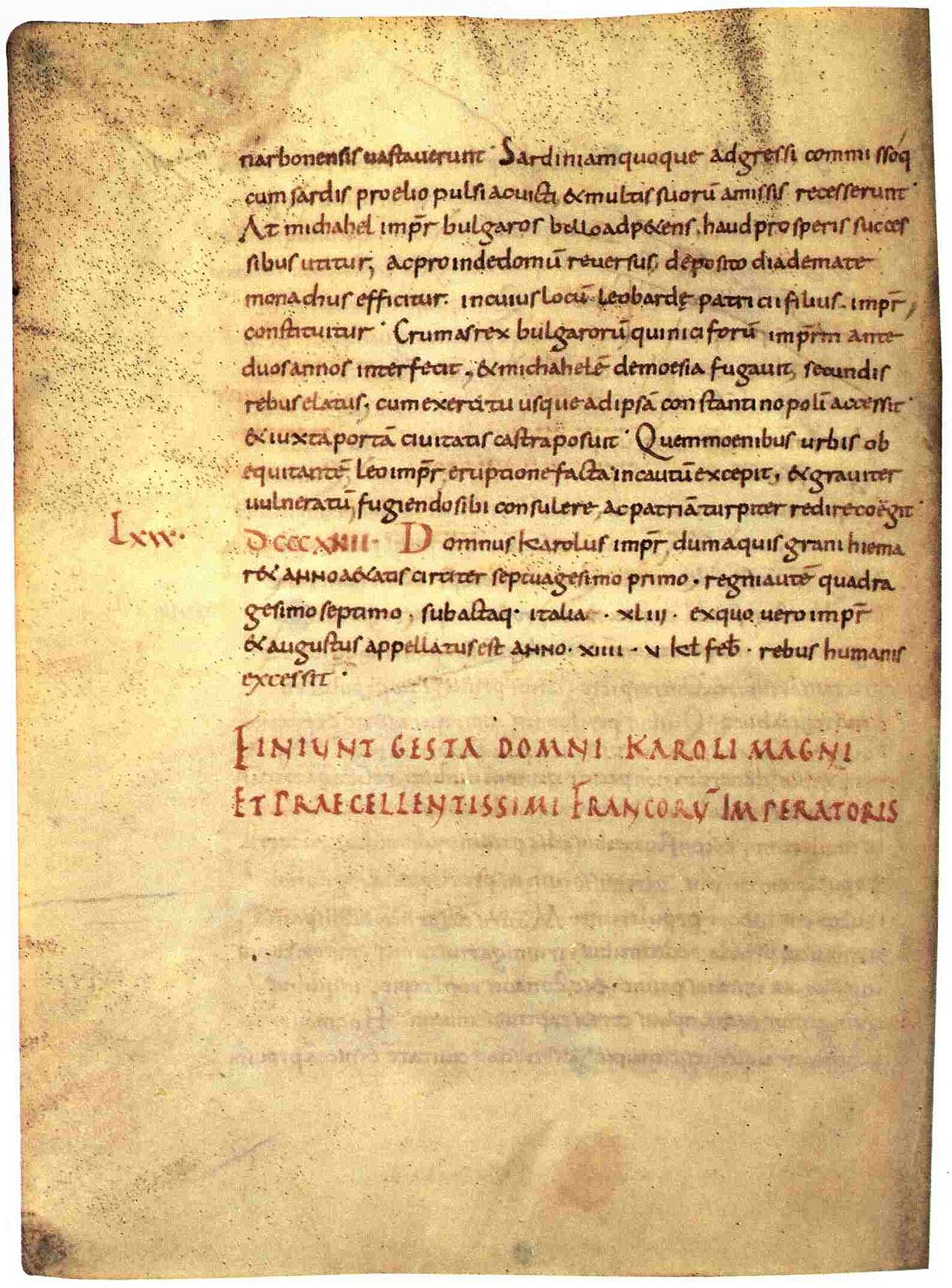 Document
Primary source
Royal Frankish Annals
741-829, this manuscript c. 900
 Document
Primary source
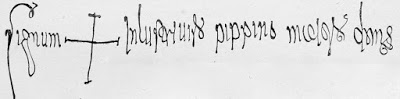
Signature of Pepin the Short
Pepin the Short
 Book
Secondary source
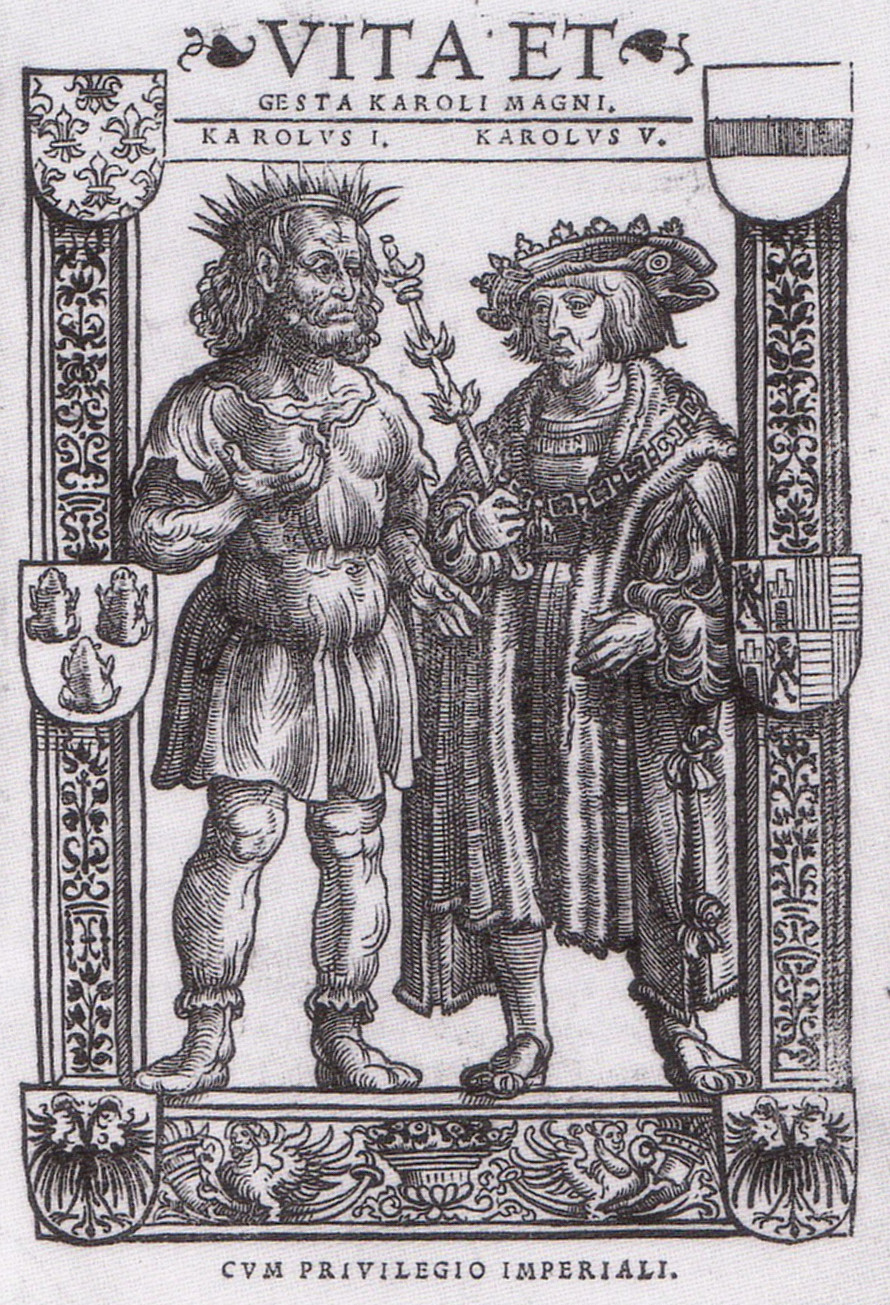
Vita Karoli Magni
Einhard · c. 817-833
 Artifact
Secondary source
Basilica of Saint-Denis
1101
Free account
Read every Pepin the Short source
Sign up free →
Ready when you are
Start chatting with Pepin the Short now.
20 messages free · No credit card · Available in 50+ languages.