


Primary sourceArtifactc. 1896
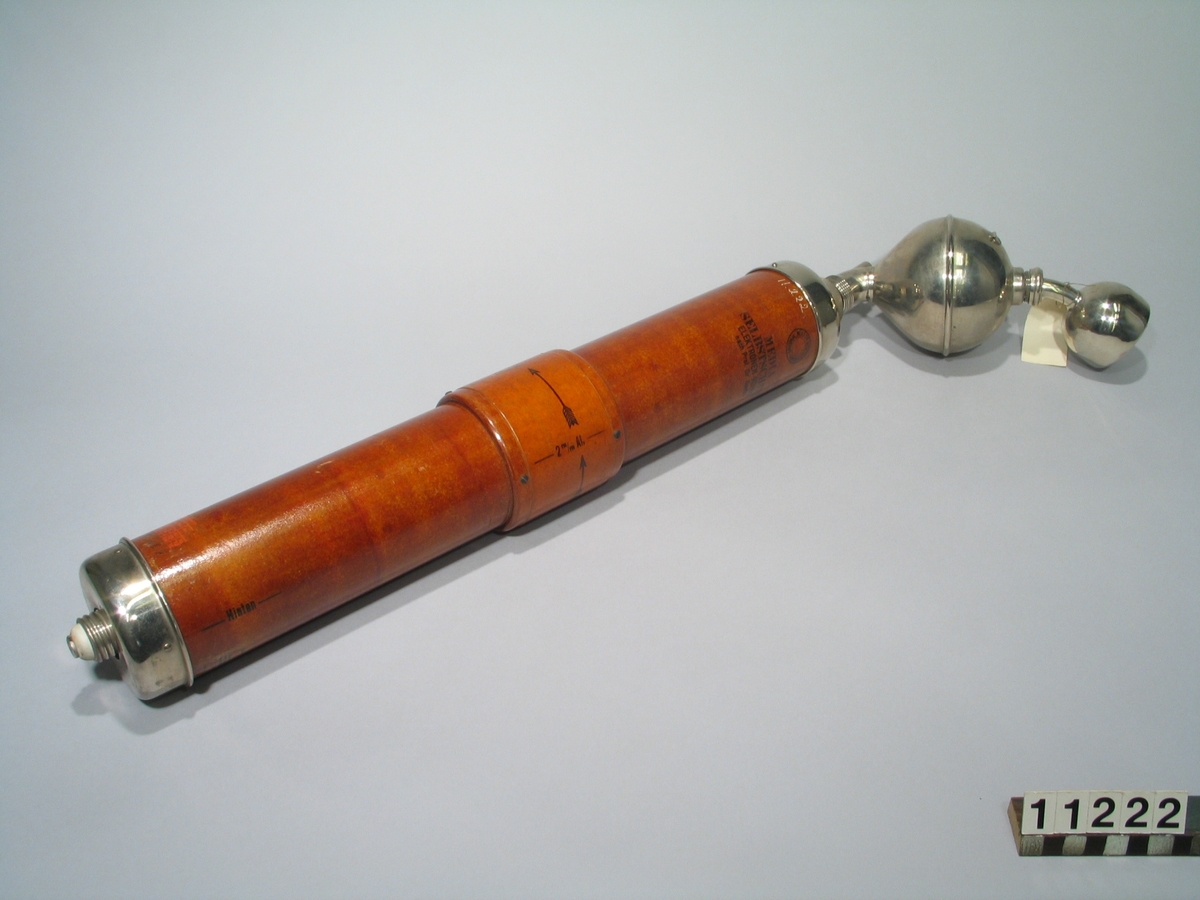
Sealed X-ray Tube by C.H.F. Müller, Hamburg
C.H.F. Müller · c. 1896
An early sealed X-ray tube made by the German firm that began manufacturing such tubes after Röntgen's discovery of X-rays.
An early commercial X-ray tube made soon after Röntgen's 1895 discovery, showing its rapid technological impact.
About this source
What it is
This is a cylindrical, wooden-cased X-ray tube with metal end caps and a bulb-shaped electrode housing, made by the firm C.H.F. Müller of Hamburg. The firm, founded in 1864 as a glass-blowing workshop, began producing X-ray tubes in 1896, the year after Wilhelm Conrad Röntgen's discovery. It is described as the first such tube used in Sweden and is now held by the Swedish National Museum of Science and Technology.
Why it matters
The tube shows how quickly industry responded to Röntgen's 1895 discovery, turning a scientific breakthrough into manufactured technology within a year. It reveals the practical side of scientific history: how a discovery moved from the laboratory into factories and hospitals.
Look closer
- What does the speed of commercial production tell us about the impact of Röntgen's discovery?
- Why might a glass-blowing workshop have been well placed to make this kind of tube?
- What can an object like this tell us that a written account cannot?
This artifact is part of the curated material that grounds the AI version of Wilhelm Röntgen on Humy.ai — when students ask about related events, the AI can quote it and cite it.
More Wilhelm Röntgen sources
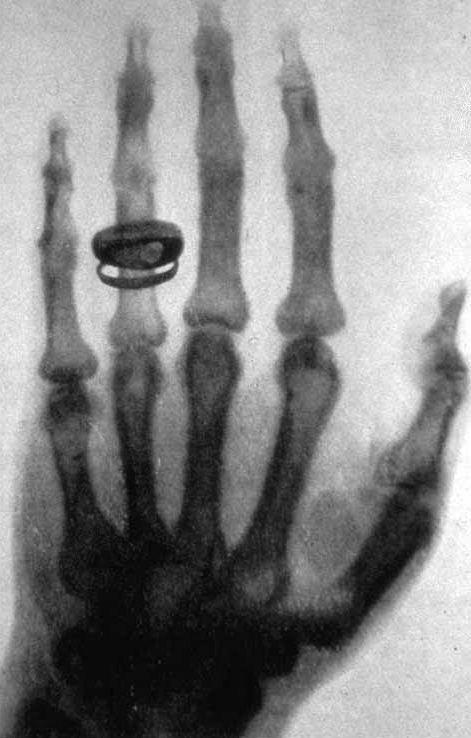
Browse all 96 →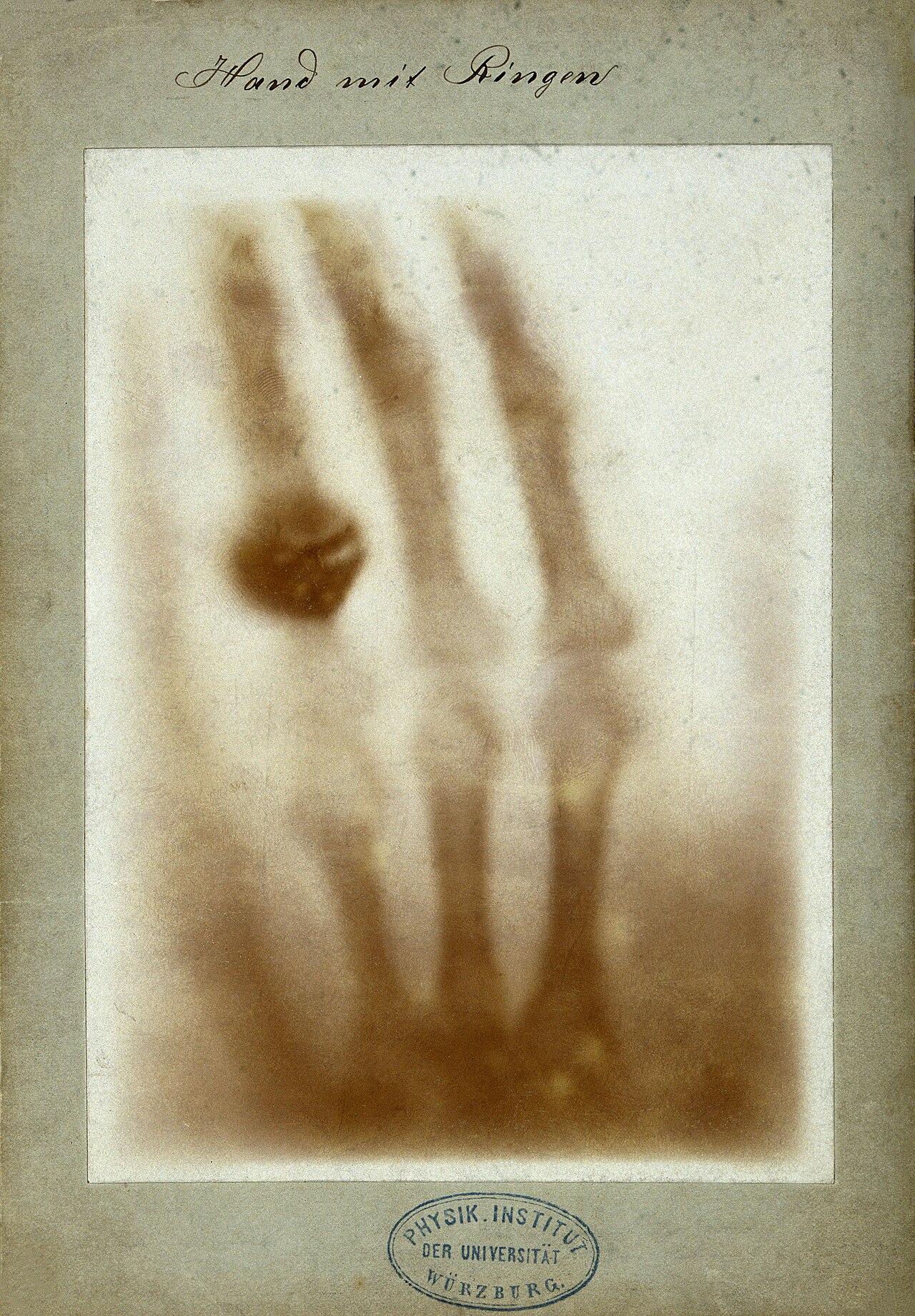 Photograph
Primary source
Hand with Rings
Wilhelm Röntgen · 22 December 1895
 Document
Primary source
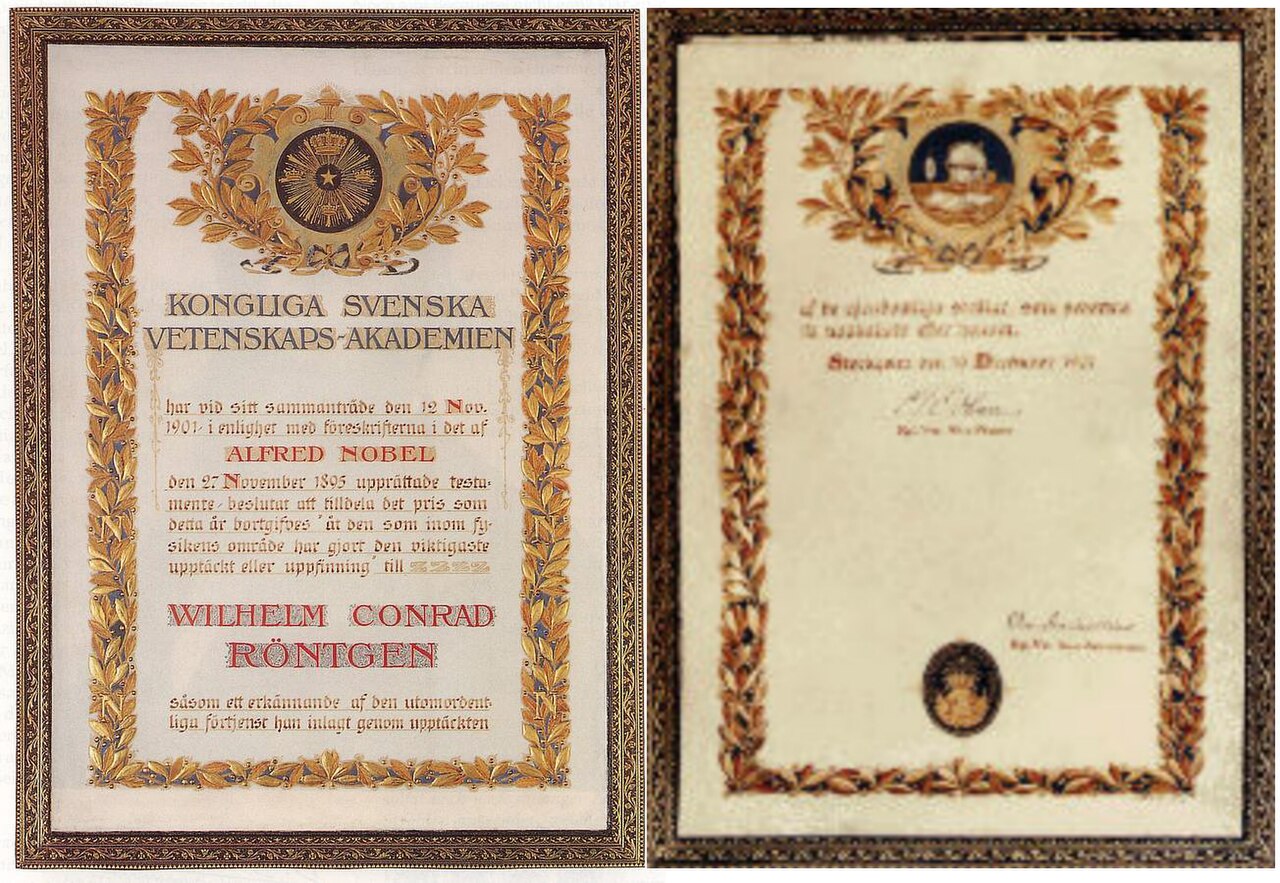
Nobel Prize Diploma of Wilhelm Conrad Röntgen
Sofia Gisberg · 12 November 1901
 Photograph
Primary source
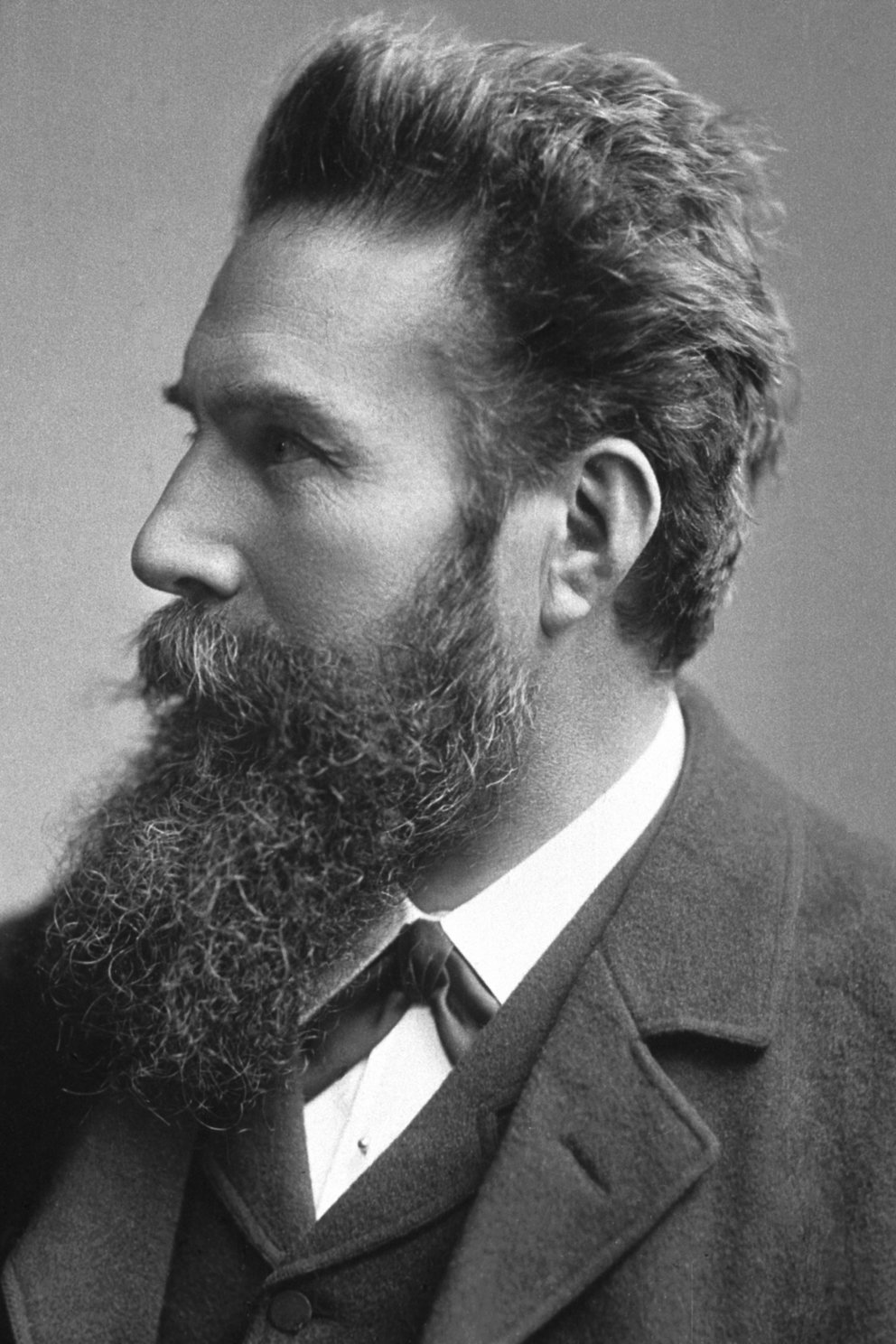
Wilhelm Röntgen
Nobel Foundation
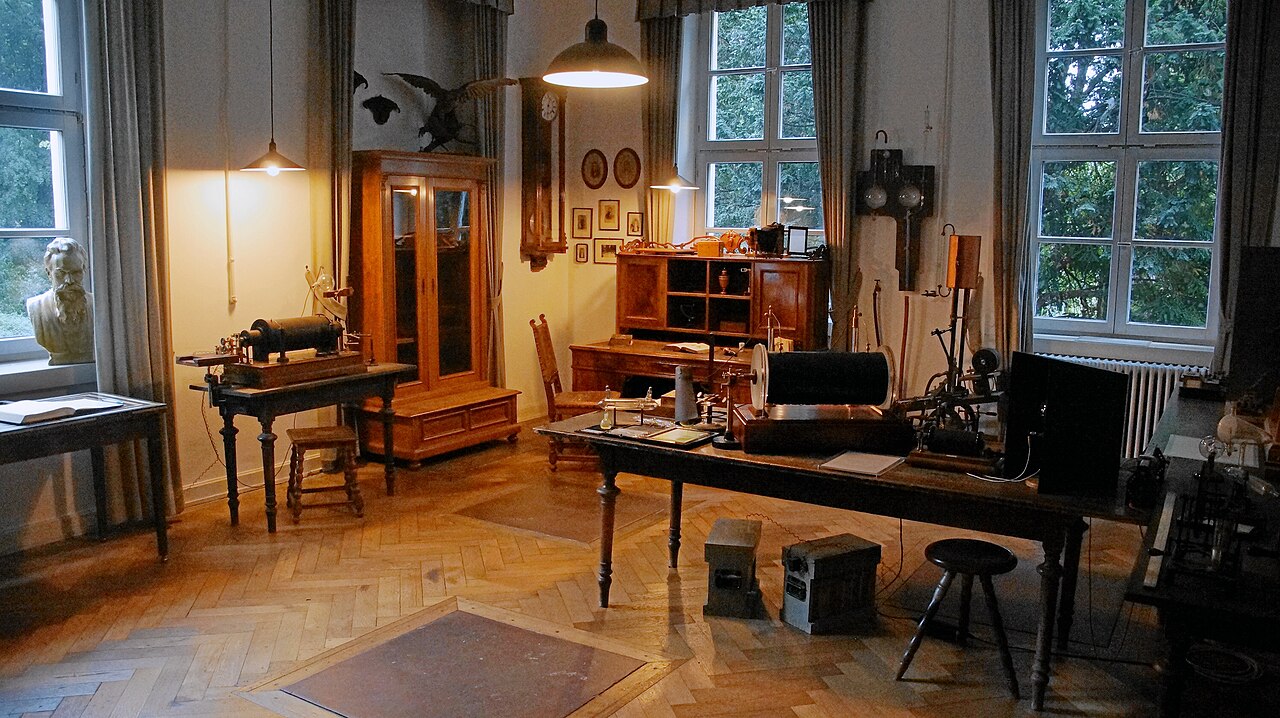 Artifact
Secondary source
Röntgen Memorial Site, Würzburg
1981 (as heritage monument)
Free account
Read every Wilhelm Röntgen source
Sign up free →
Ready when you are
Start chatting with Wilhelm Röntgen now.
20 messages free · No credit card · Available in 50+ languages.