


Primary sourceSpeech1 December 1862
Second State of the Union Address
Abraham Lincoln · 1 December 1862
Lincoln's longest annual message to Congress, given in December 1862, proposing compensated emancipation during the Civil War.
Shows Lincoln proposing a path to end slavery through Congress during the Civil War.
About this source
What it is
Abraham Lincoln delivered this address to the 37th Congress on December 1, 1862. It was his longest State of the Union message, written during the ongoing Civil War.
Why it matters
The address proposed compensated emancipation and ended with words urging Congress to act boldly, including the phrase "the last best hope of earth." The speech shows Lincoln wrestling publicly with how to end slavery while holding the Union together, and its closing words have been quoted by many later presidents.
Look closer
- Why does Lincoln say "we cannot escape history" to the Congress listening to him?
- What does his call to "think anew and act anew" suggest about the pressures of the moment?
- Why might later presidents have returned to this same phrase again and again?
This speech is part of the curated material that grounds the AI version of Abraham Lincoln on Humy.ai — when students ask about related events, the AI can quote it and cite it.
More Abraham Lincoln sources
Meet the AI Abraham Lincoln →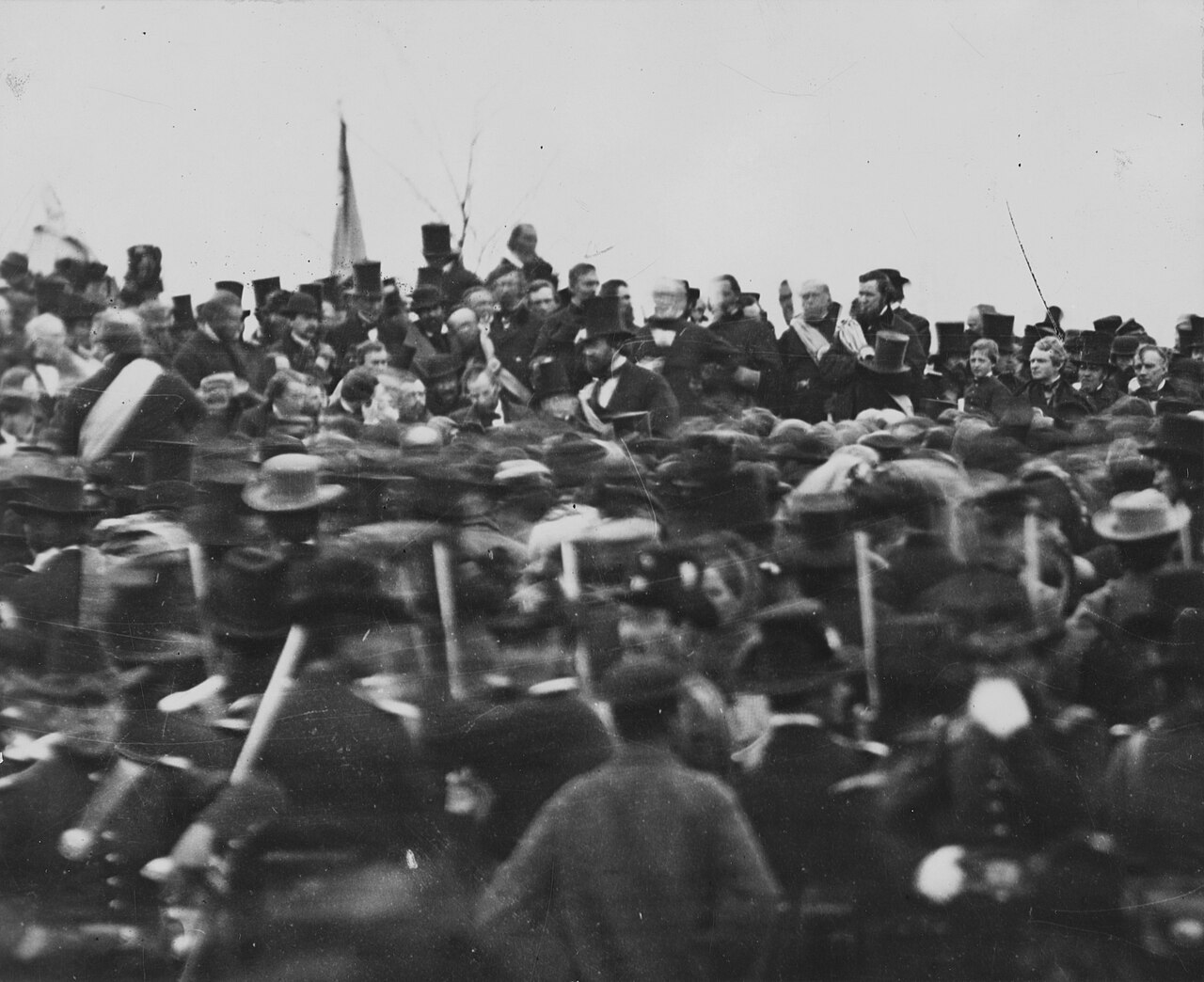 Speech
Primary source
Gettysburg Address
Abraham Lincoln · 19 November 1863
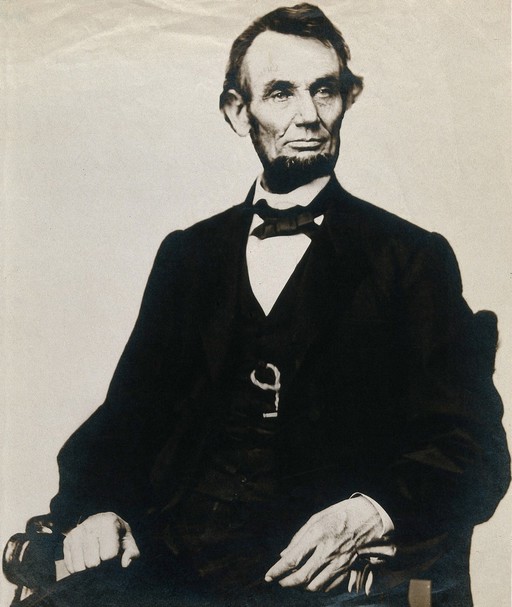 Photograph
Primary source
Abraham Lincoln Photograph after Mathew Brady
Mathew B. Brady · 1864
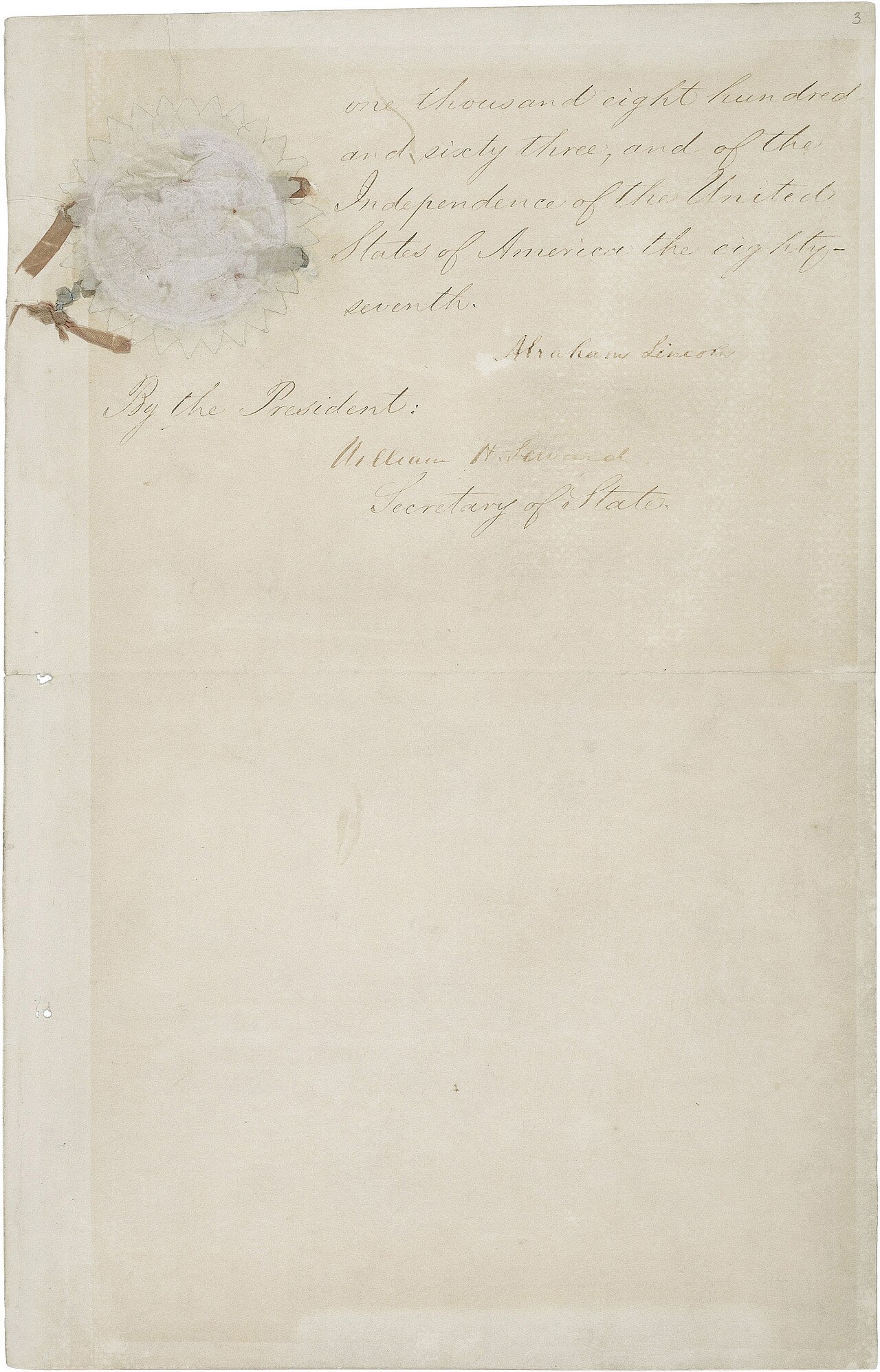 Document
Primary source
Emancipation Proclamation
Abraham Lincoln · 1 January 1863
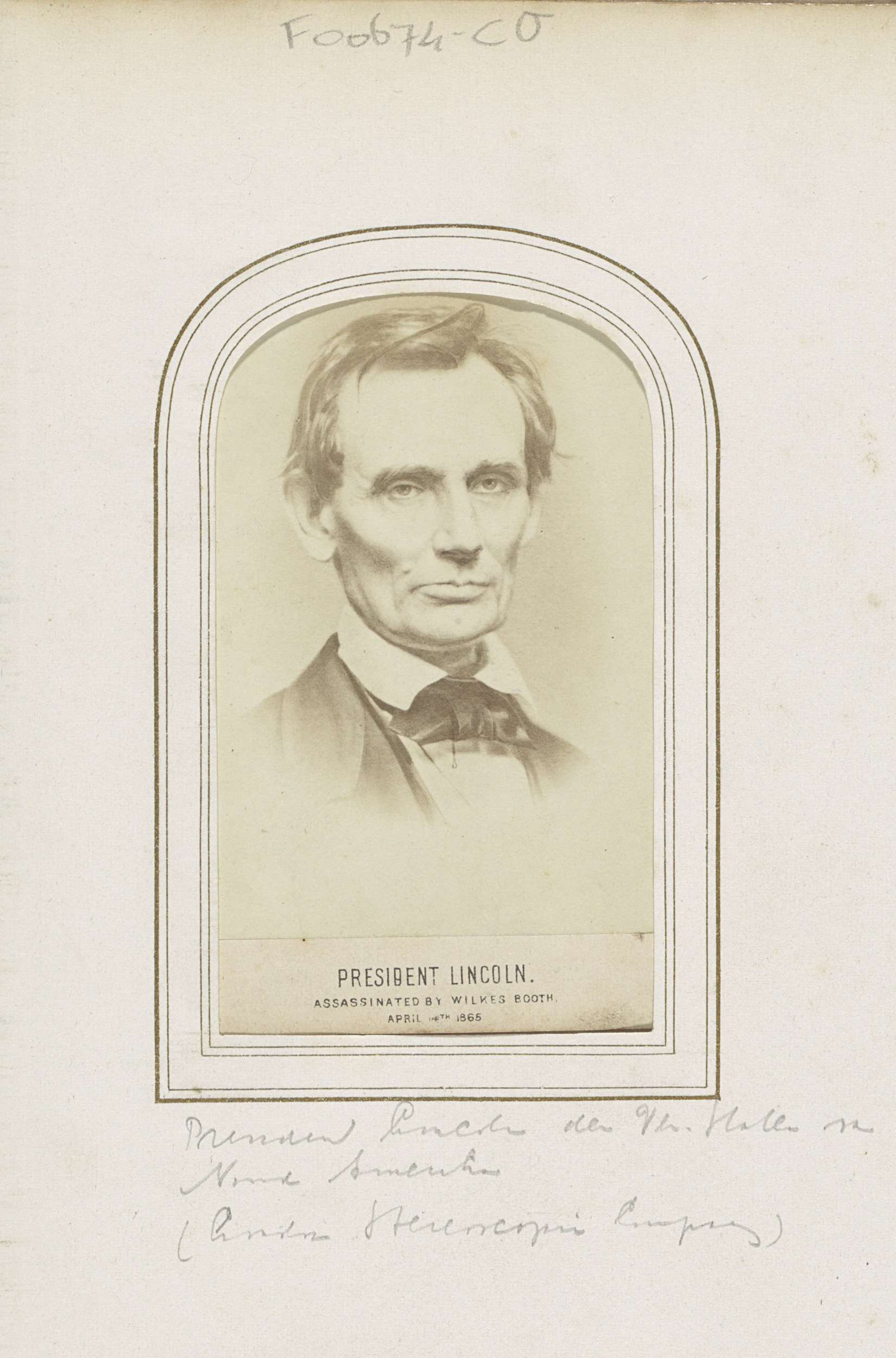 Photograph
Primary source
Carte-de-visite Portrait of Abraham Lincoln
19th century
 Speech
Primary source
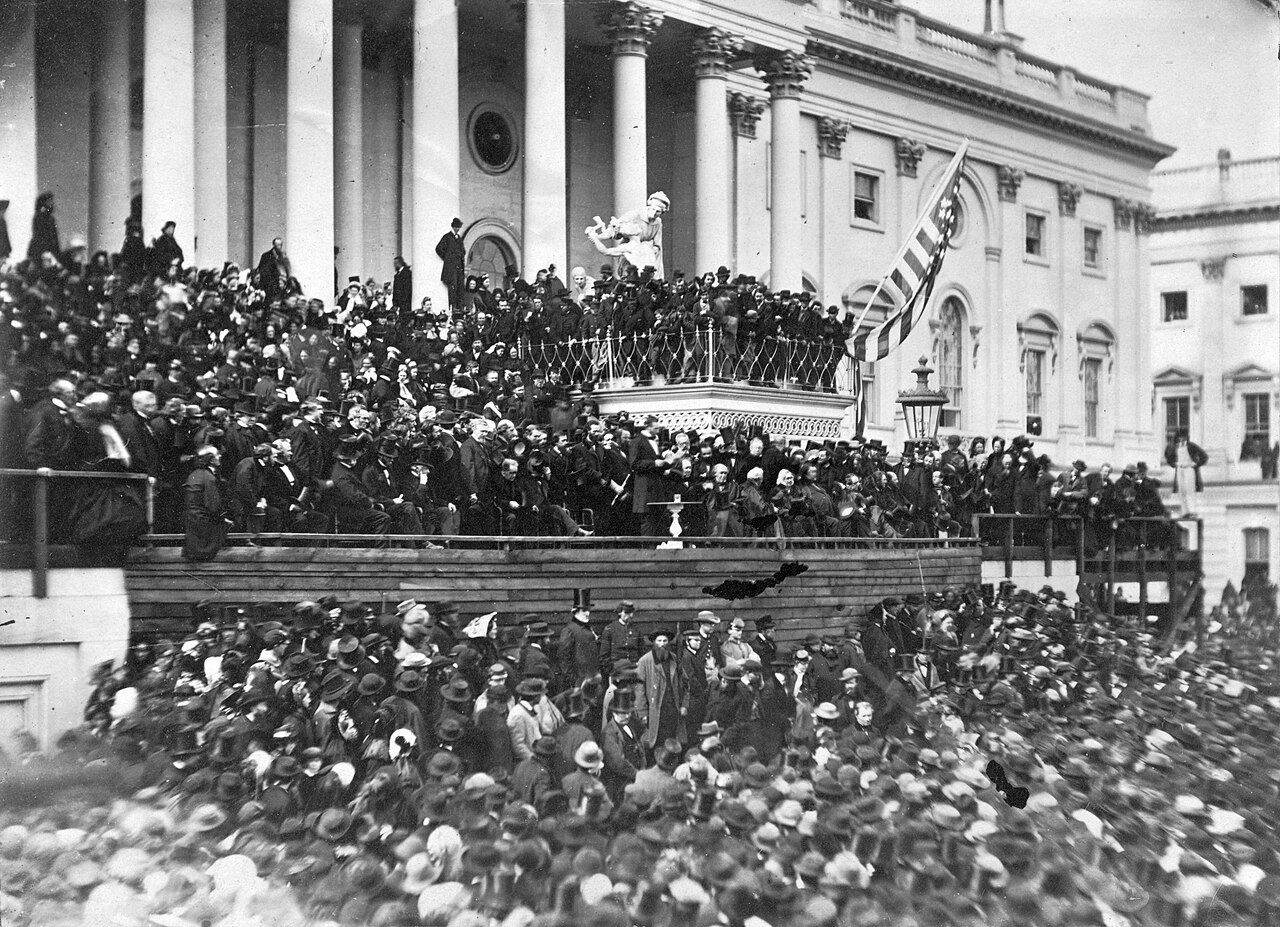
Abraham Lincoln's Second Inaugural Address
Abraham Lincoln · 4 March 1865
Ready when you are
Start chatting with Abraham Lincoln now.
20 messages free · No credit card · Available in 50+ languages.