


Primary sourceDocument13 August 1645
Second Treaty of Brömsebro
13 August 1645
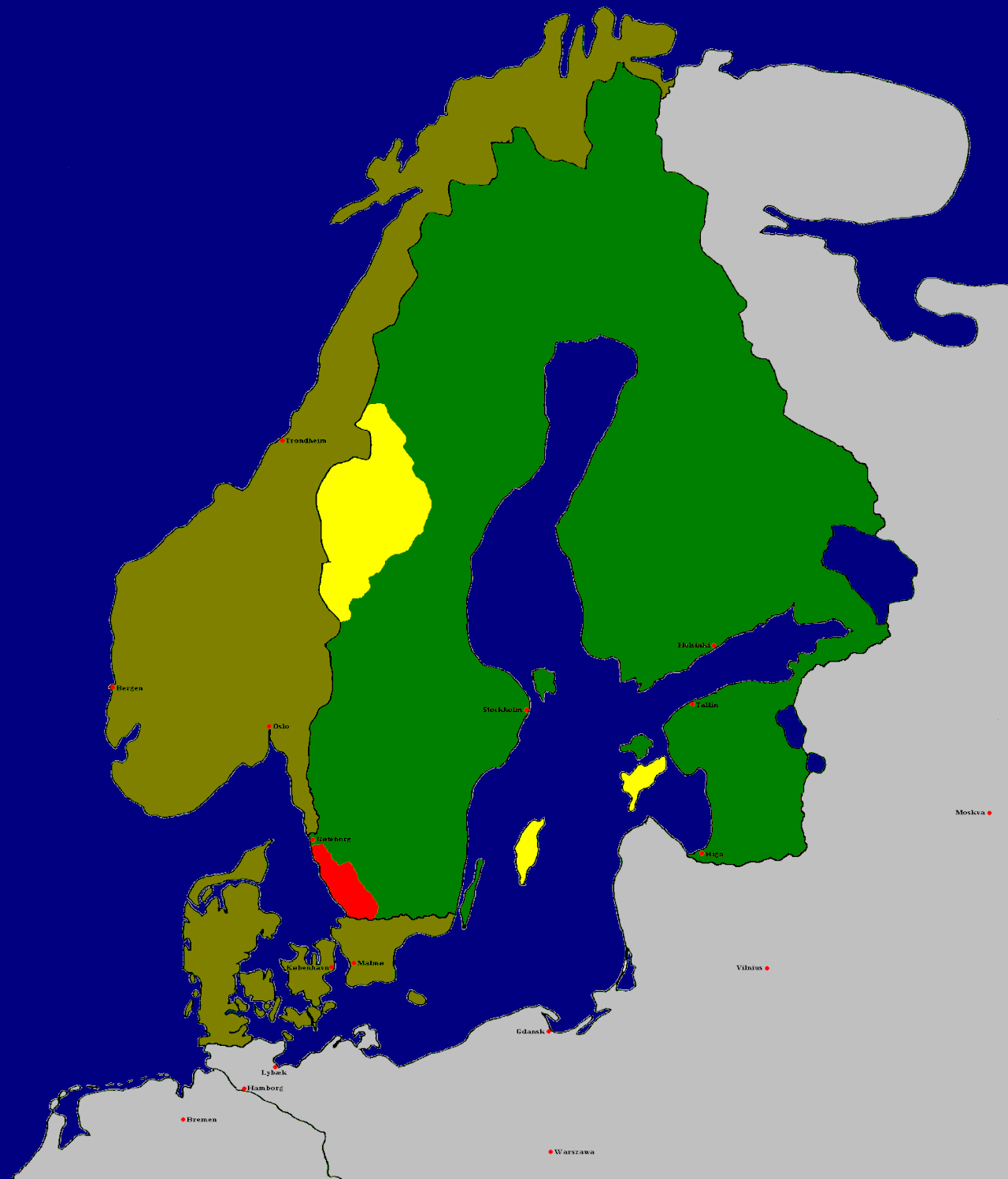
The 1645 peace treaty ending the Torstenson War, signed at the start of Christina's personal rule and expanding Swedish territory.
Signed at the start of Christina's personal rule, this treaty's territorial gains shaped the Sweden she governed.
About this source
What it is
This treaty, signed on 13 August 1645, ended the Torstenson War between Sweden and Denmark-Norway, part of the wider Thirty Years' War. Negotiations were led for Sweden by Lord High Chancellor Axel Oxenstierna, with Johan Skytte and later Ture Sparre, against Danish negotiators Corfitz Ulfeldt and Christen Thomesen Sehested, mediated by French diplomat Gaspard Coignet de la Thuillerie.
Why it matters
The treaty forced Denmark-Norway, weakened militarily, to cede Gotland, Ösel, Jämtland and Härjedalen to Sweden, and exempted Sweden from tolls on Baltic trade. Signed just as Christina began her personal rule, it marks a major expansion of Swedish power achieved largely through the diplomacy of her chancellor Oxenstierna.
Look closer
- Who actually negotiated this treaty, and what does that tell us about where real power lay?
- Why would controlling islands and tolls matter so much to a 17th-century state?
- What does the map's coloring tell us about how territory changed hands?
This document is part of the curated material that grounds the AI version of Christina, Queen of Sweden on Humy.ai — when students ask about related events, the AI can quote it and cite it.
More Christina, Queen of Sweden sources
Browse all 84 →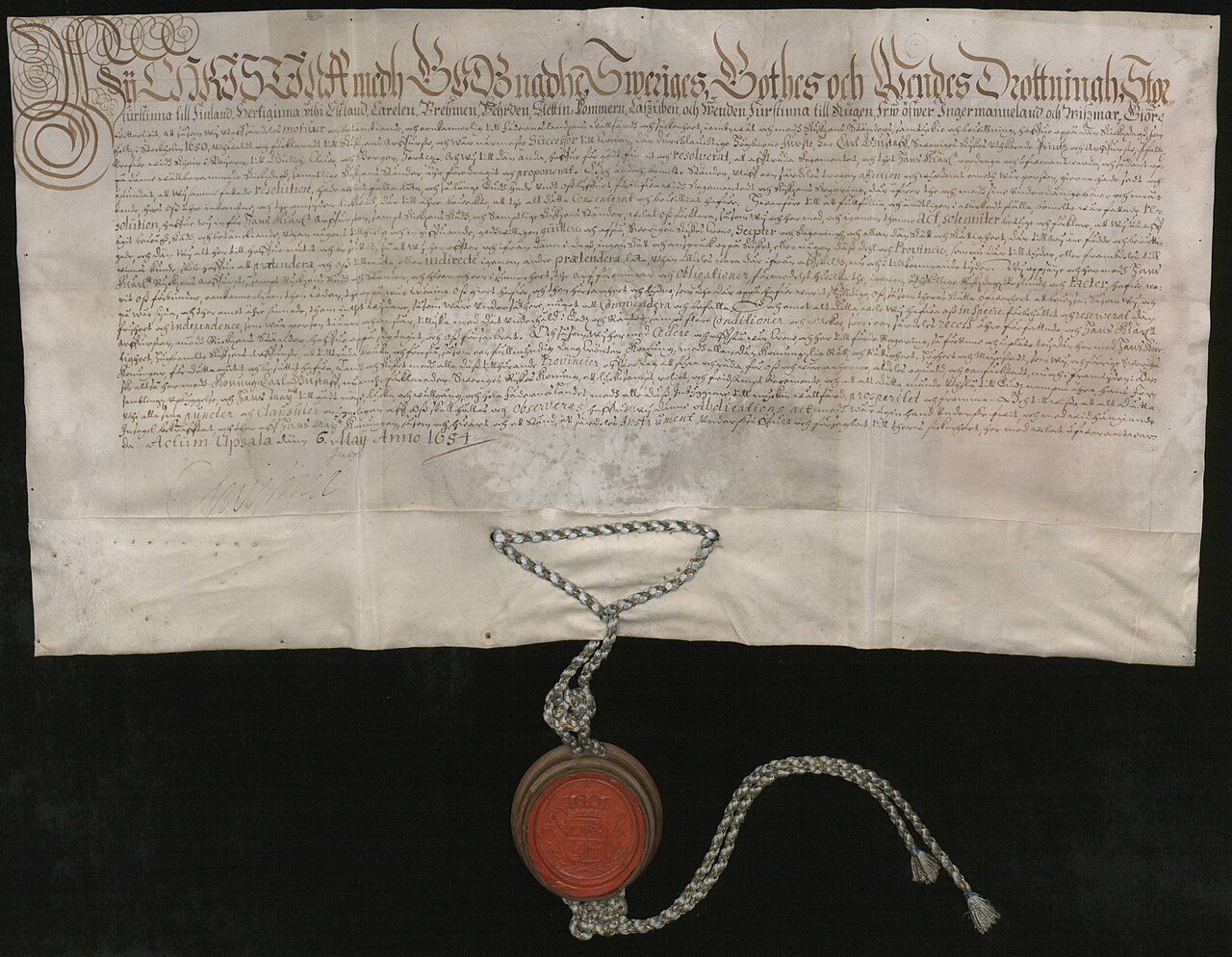 Document
Primary source
Act of Abdication of Christina, Queen of Sweden
Christina of Sweden · 6 May 1654
 Document
Primary source
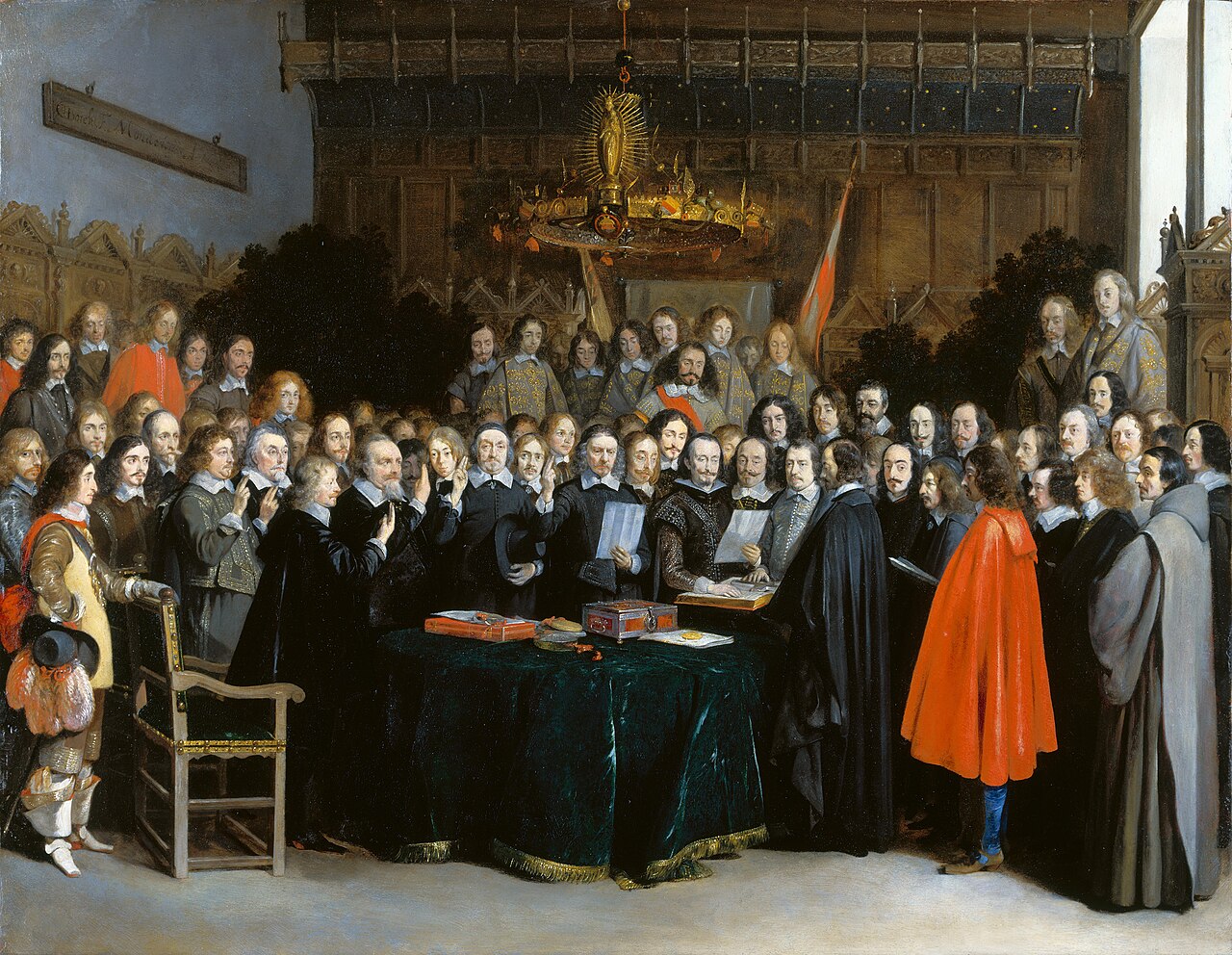
Peace of Westphalia
1648
 Painting
Primary source
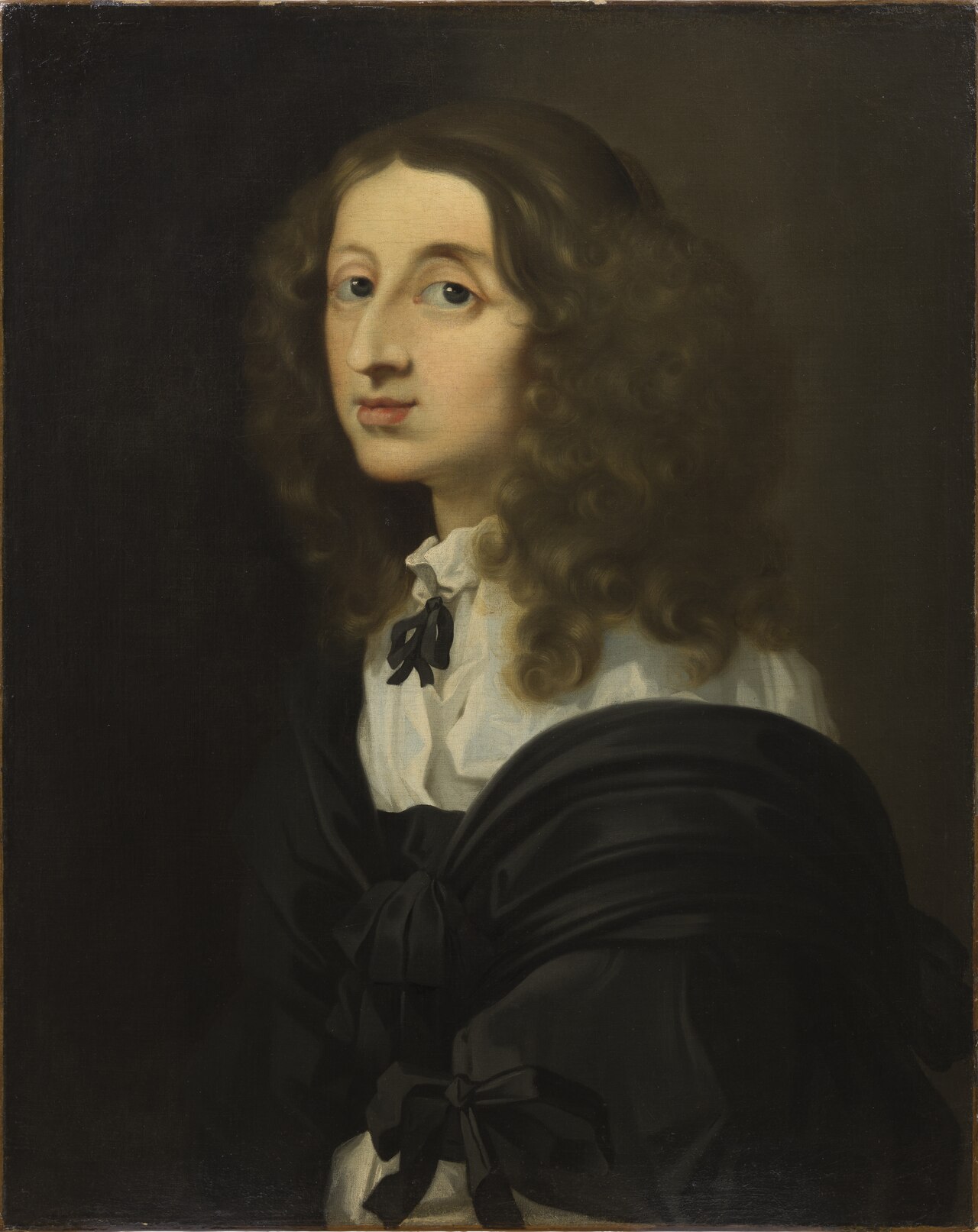
Queen Christina
Sébastien Bourdon · 1653
 Painting
Primary source
Queen Christina of Sweden
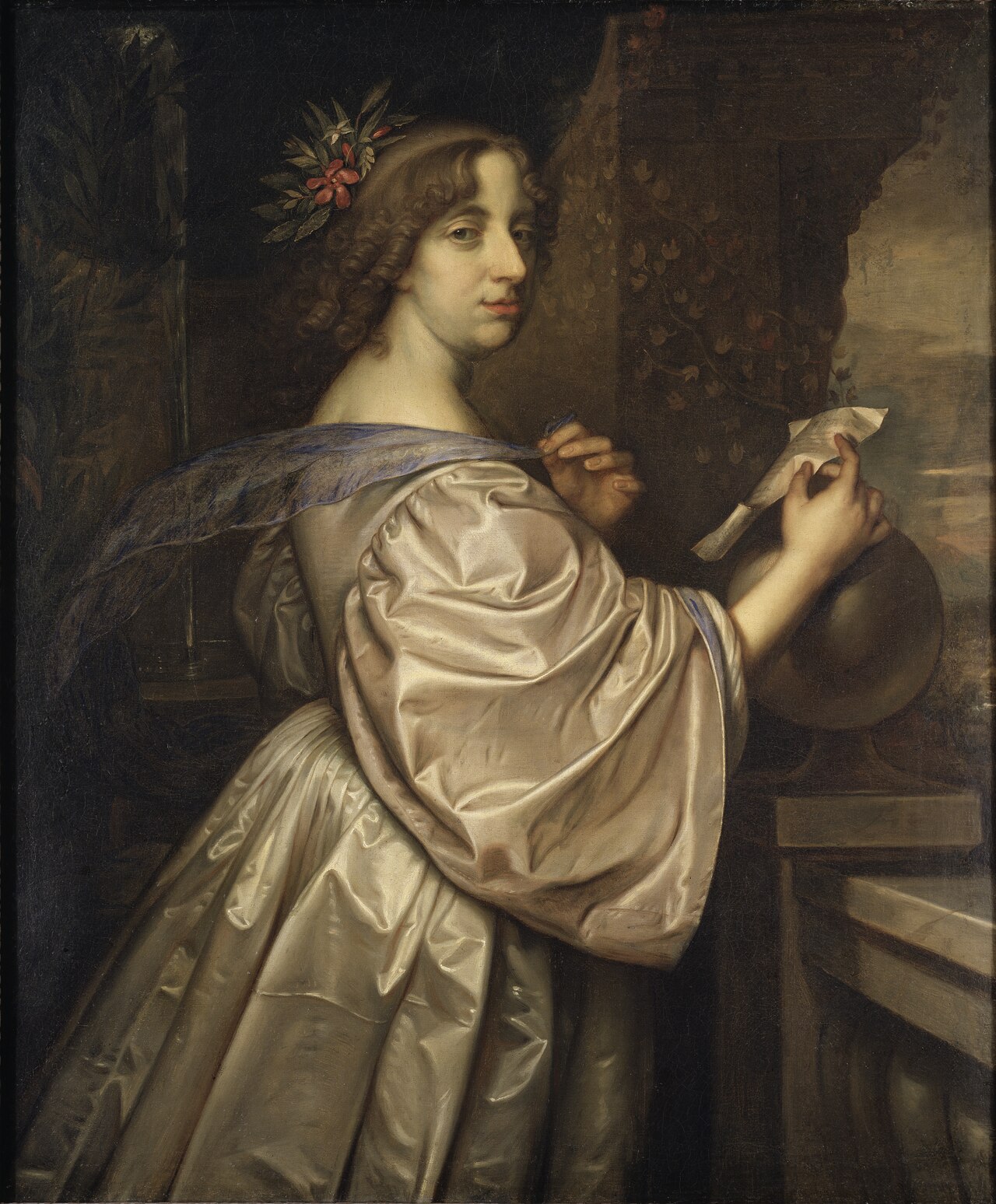
David Beck · 1650
Free account
Read every Christina, Queen of Sweden source
Sign up free →
Ready when you are
Start chatting with Christina, Queen of Sweden now.
20 messages free · No credit card · Available in 50+ languages.