


Primary sourcePaintingSeptember 1889
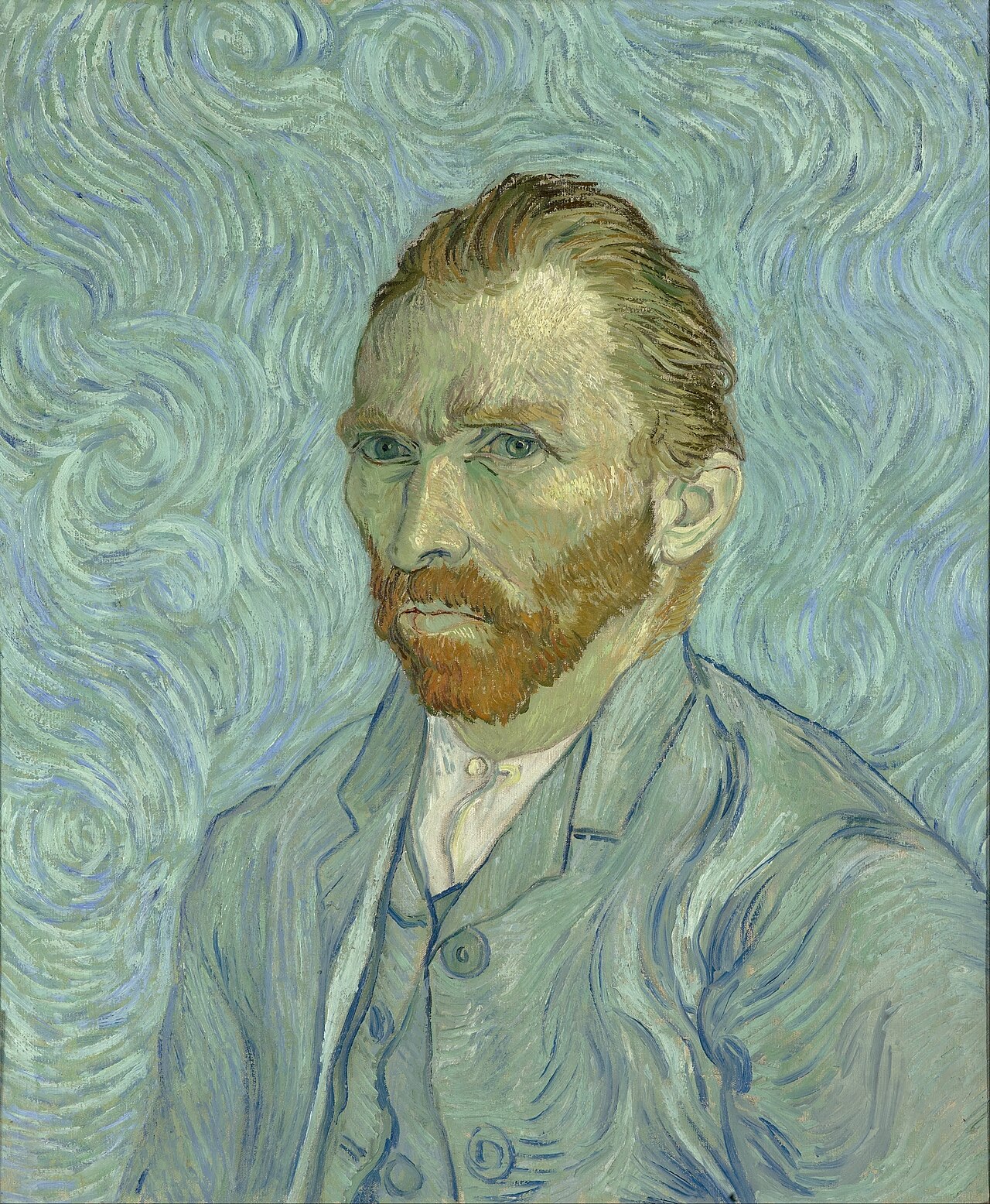
Self-Portrait (1889, Musée d'Orsay)
Vincent van Gogh · September 1889
A self-portrait Van Gogh painted in September 1889 near the end of his stay at the Saint-Rémy asylum, possibly his last self-portrait.
This self-portrait is by Van Gogh himself, painted shortly before leaving the Saint-Rémy asylum.
About this source
What it is
This oil-on-canvas self-portrait was painted by Vincent van Gogh in September 1889, shortly before he left the asylum at Saint-Rémy-de-Provence. It is now held by the Musée d'Orsay in Paris.
Why it matters
Van Gogh painted around 32 self-portraits over ten years, partly because he could not afford to pay models. This one is often seen as his final self-portrait, made during recovery from illness. Van Gogh sent it to his brother Theo, writing that his expression looked calmer though his eyes still held an uneasy look. Some art historians call this his last self-portrait; others argue a different, beardless one came later.
Look closer
- What does the swirling background suggest about the painter's state of mind?
- Why might Van Gogh describe his own expression as 'calmer' while his eyes still look 'insecure'?
- Why do art historians disagree about which was his final self-portrait?
This painting is part of the curated material that grounds the AI version of Vincent van Gogh on Humy.ai — when students ask about related events, the AI can quote it and cite it.
More Vincent van Gogh sources
Meet the AI Vincent van Gogh →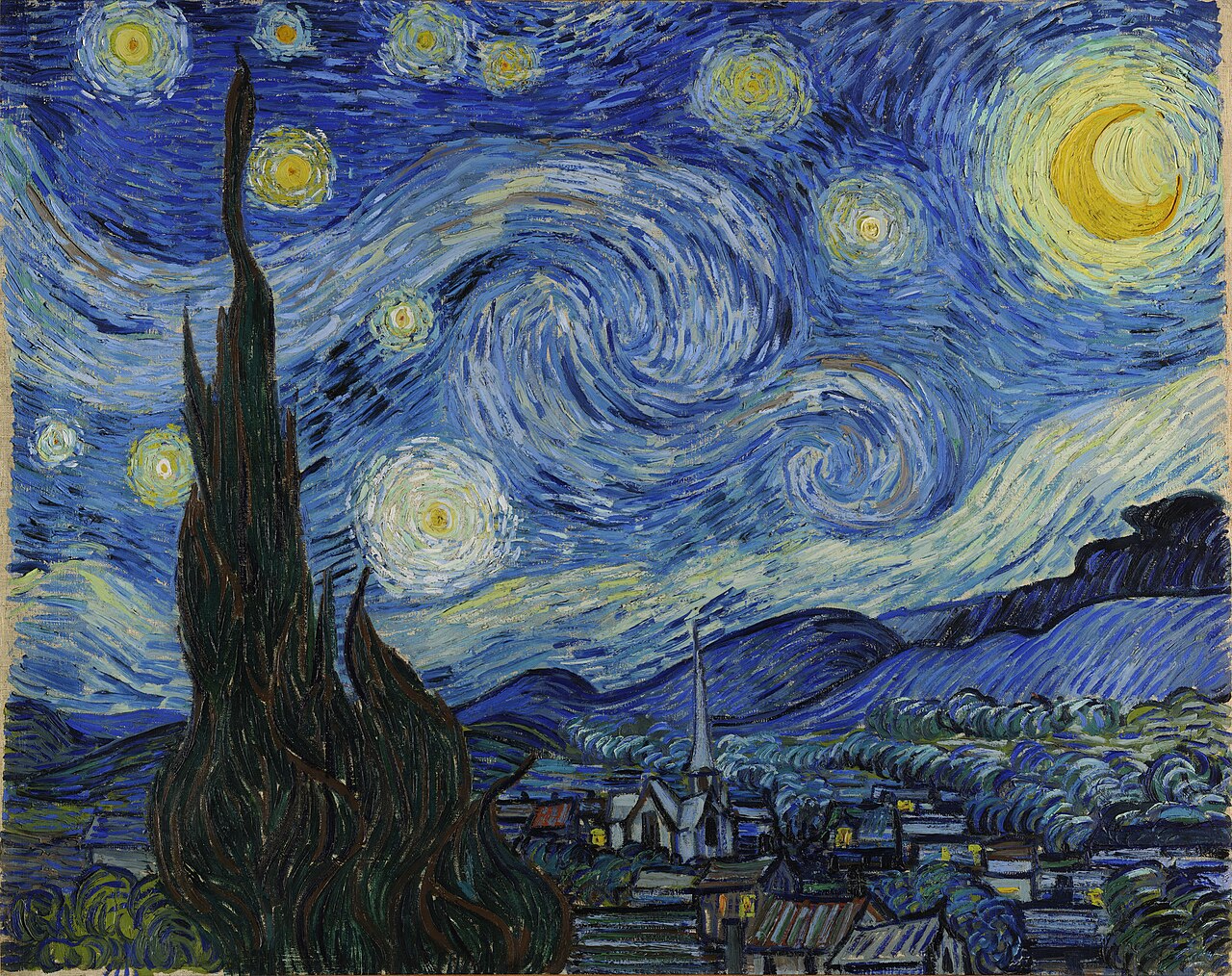 Painting
Primary source
The Starry Night
Vincent van Gogh · June 1889
 Painting
Primary source
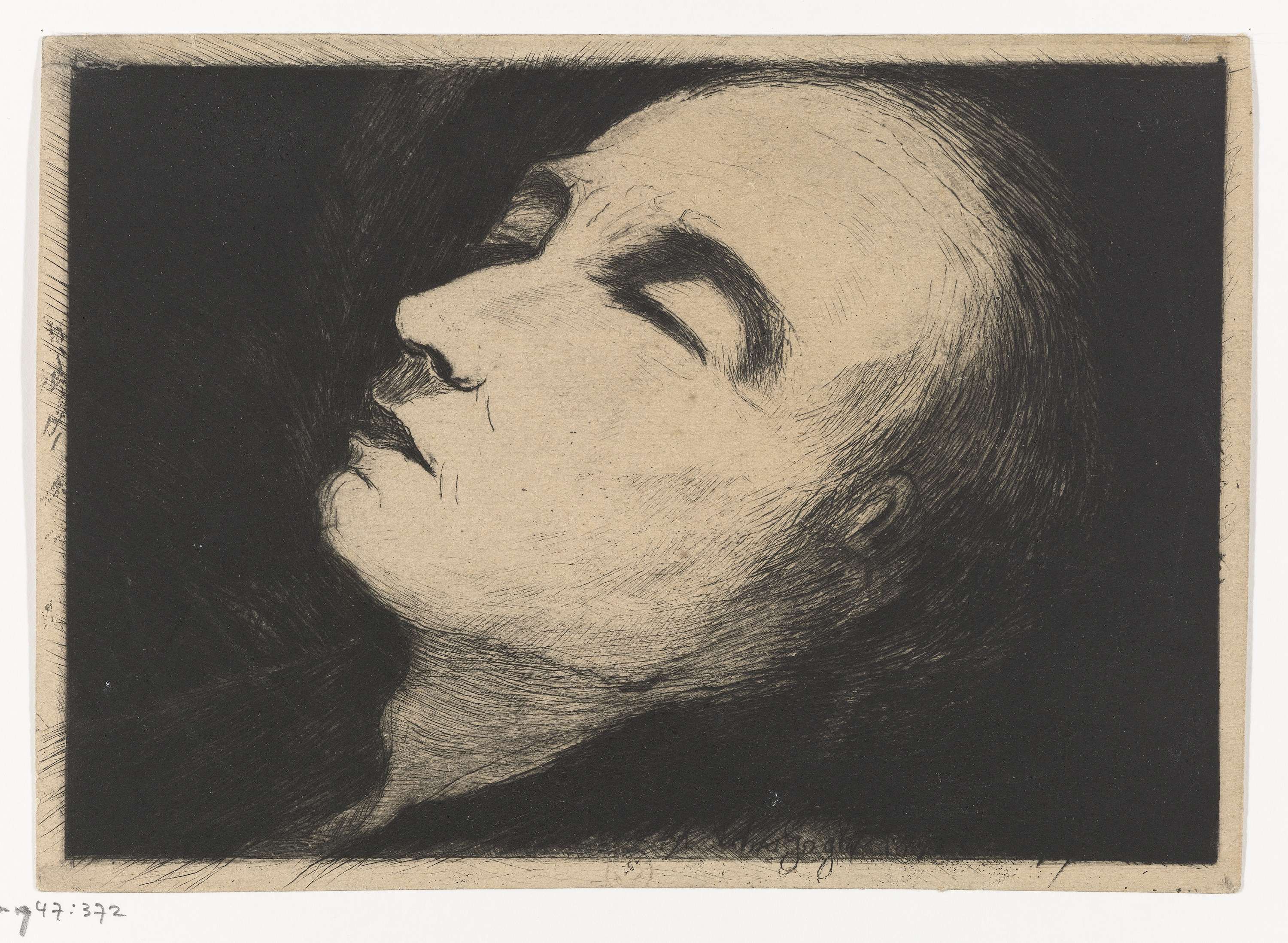
Vincent van Gogh, 29 July 1890
29 July 1890
 Letter
Primary source
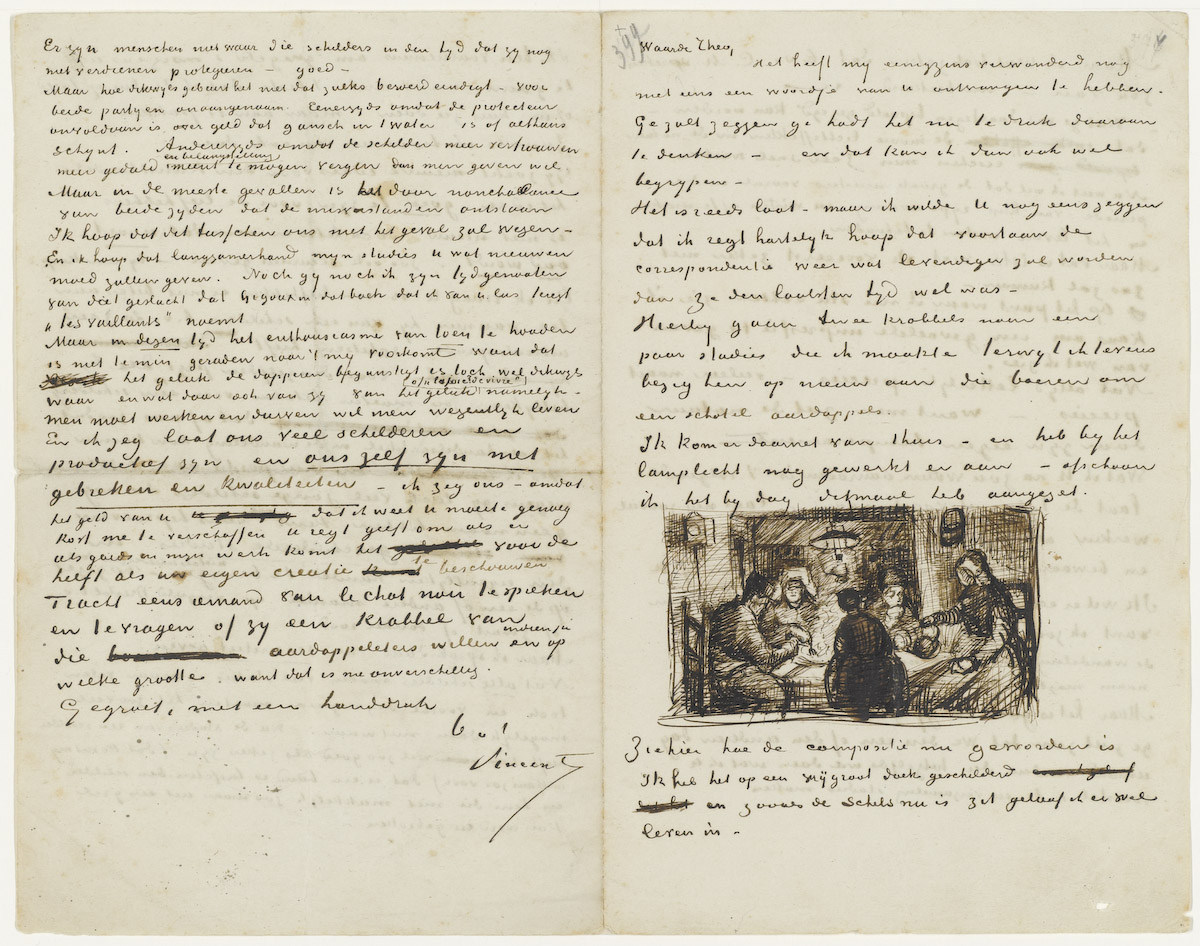
The Letters of Vincent van Gogh
Vincent van Gogh · 1872-1890, published 1914
 Painting
Primary source
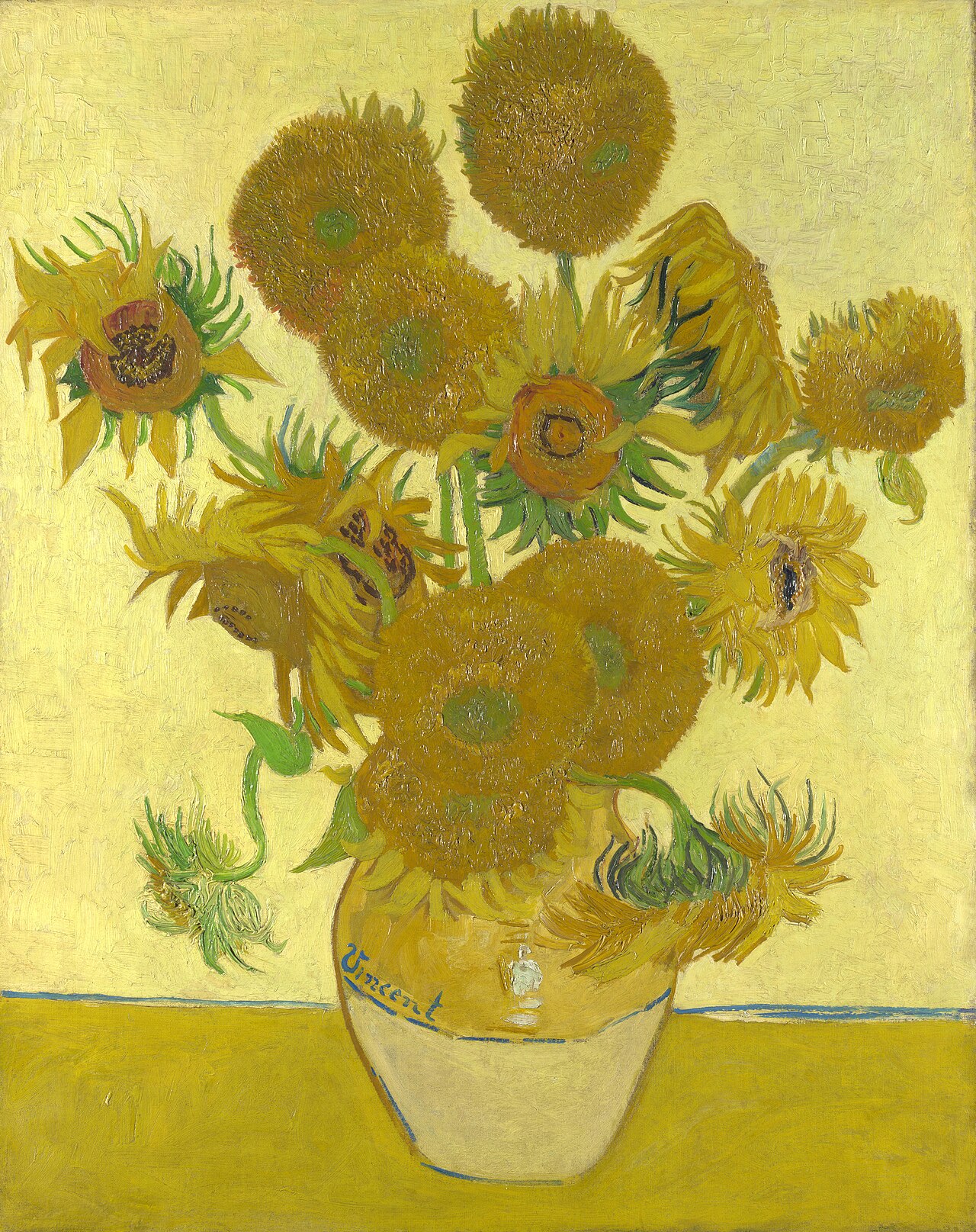
Sunflowers
Vincent van Gogh · 1888
 Artifact
Primary source
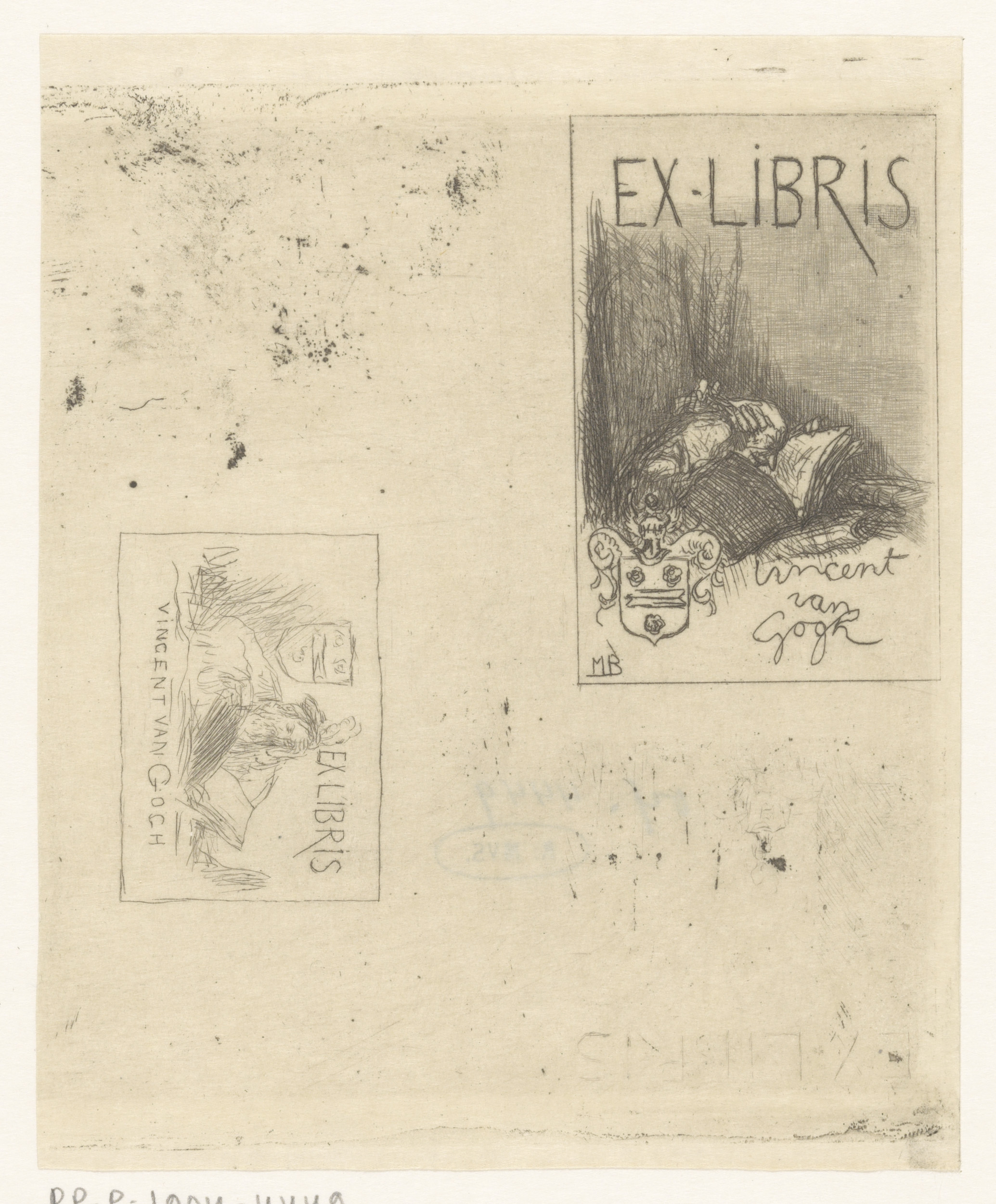
Two Bookplates for Vincent van Gogh
Ready when you are
Start chatting with Vincent van Gogh now.
20 messages free · No credit card · Available in 50+ languages.