


Primary sourcePaintingc. 1595-1600
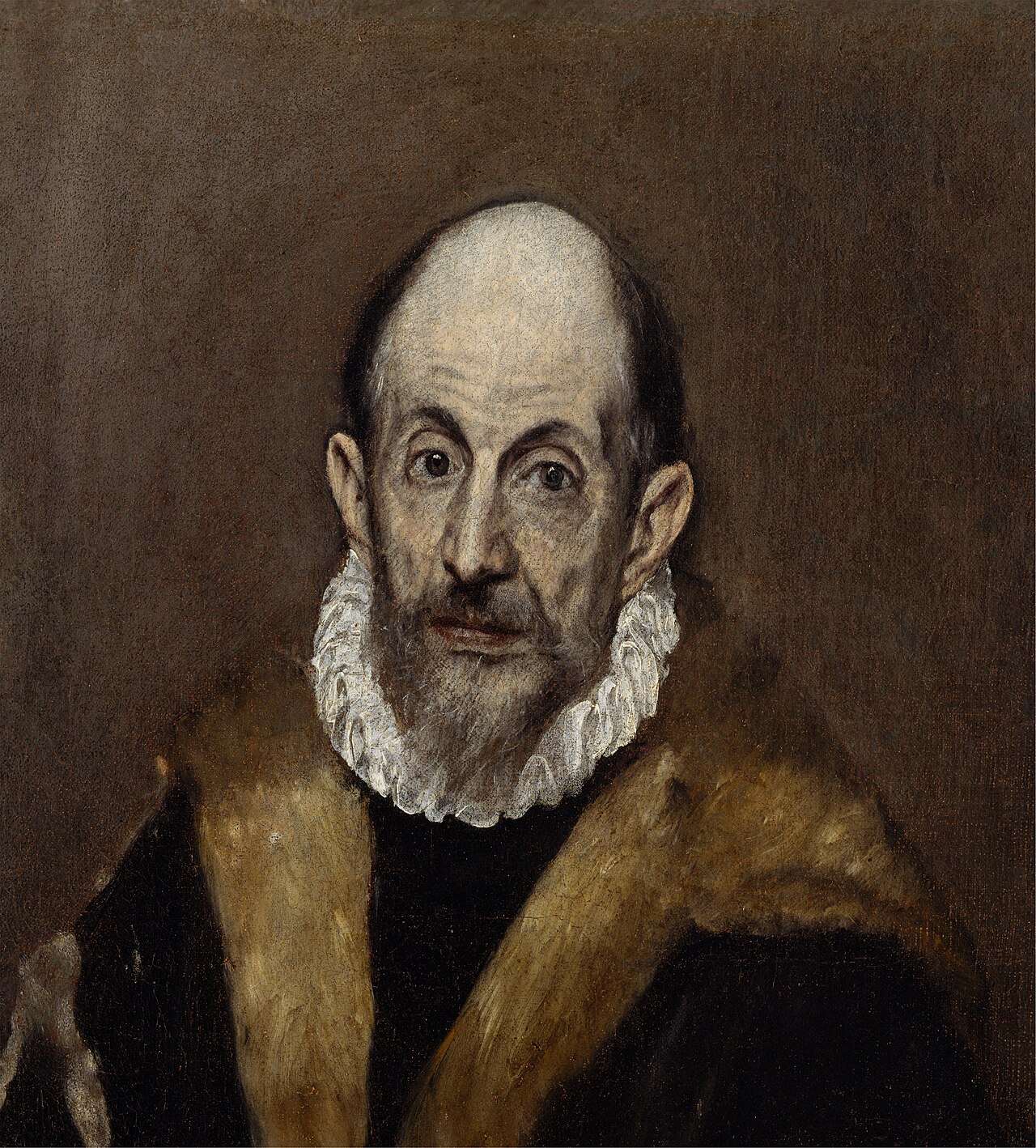
Self-Portrait (?)
El Greco · c. 1595-1600
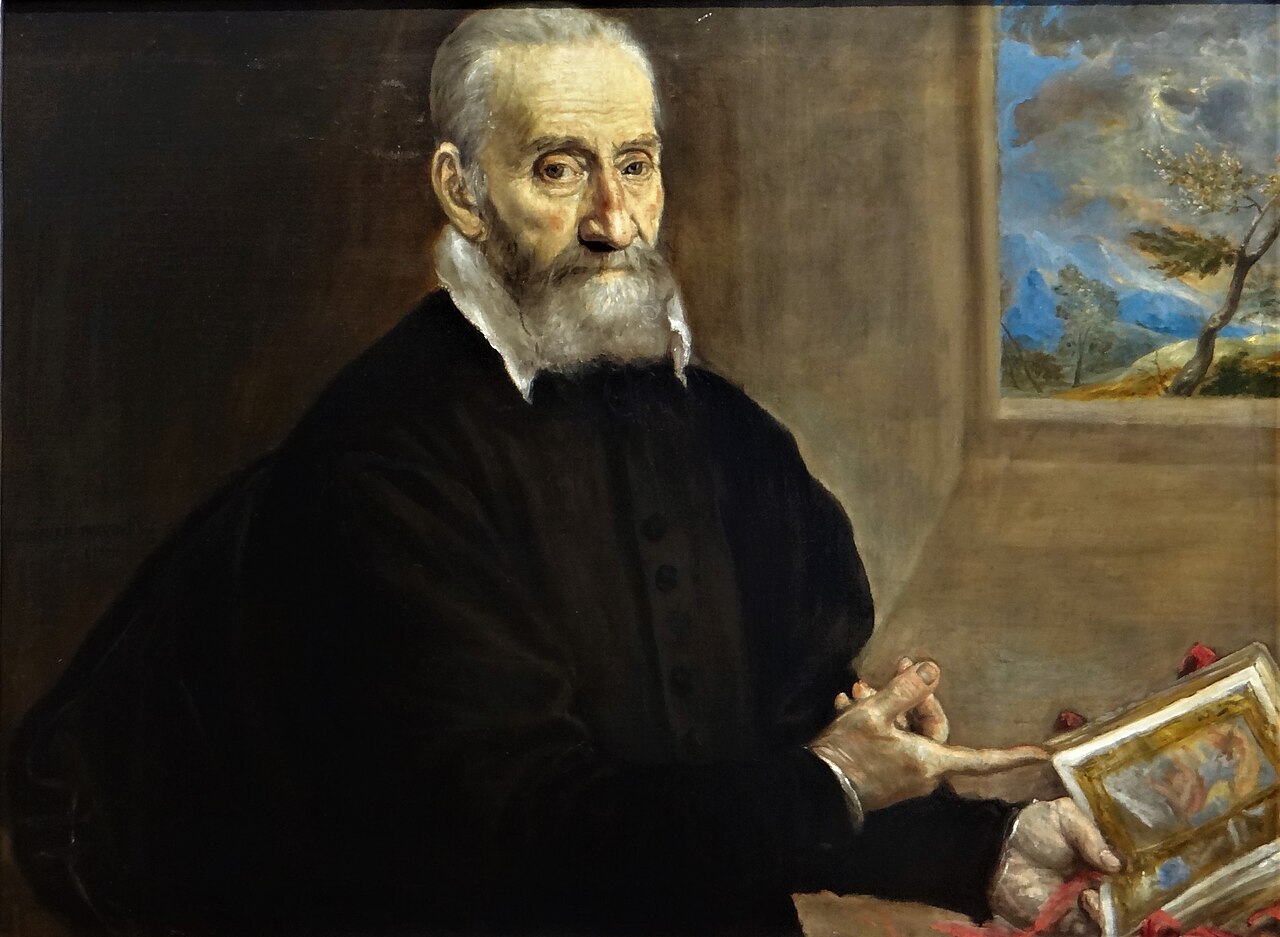
A portrait of an elderly bearded man by El Greco, long debated by scholars as a possible self-portrait of the artist himself.
Long debated as El Greco's own self-portrait, this is the image most often used to represent his face today.
About this source
What it is
An oil painting by El Greco, likely made between 1595 and 1600, showing a half-length portrait of an older man with a receded hairline and sunken eyes, dressed in a coat with a ruff collar. It is held today at the Metropolitan Museum of Art.
Why it matters
Scholars have debated for over a century whether this is a self-portrait of El Greco. Supporters point to a similar face appearing in other works by the artist, including The Burial of the Count of Orgaz, and to a possible match with an inventory description made by El Greco's son, Jorge Manuel. Critics argue there isn't enough evidence, and some suggest the sitter could instead be a relative. The debate shows how hard it can be to pin down the true identity of people in old paintings, even famous ones.
Look closer
- What details in the painting might make scholars think this could be a self-portrait?
- Why is it so difficult to confirm who a painted sitter really is, centuries later?
- If this is El Greco, what might his expression tell us about how he saw himself?
This painting is part of the curated material that grounds the AI version of El Greco on Humy.ai — when students ask about related events, the AI can quote it and cite it.
More El Greco sources
Browse all 98 →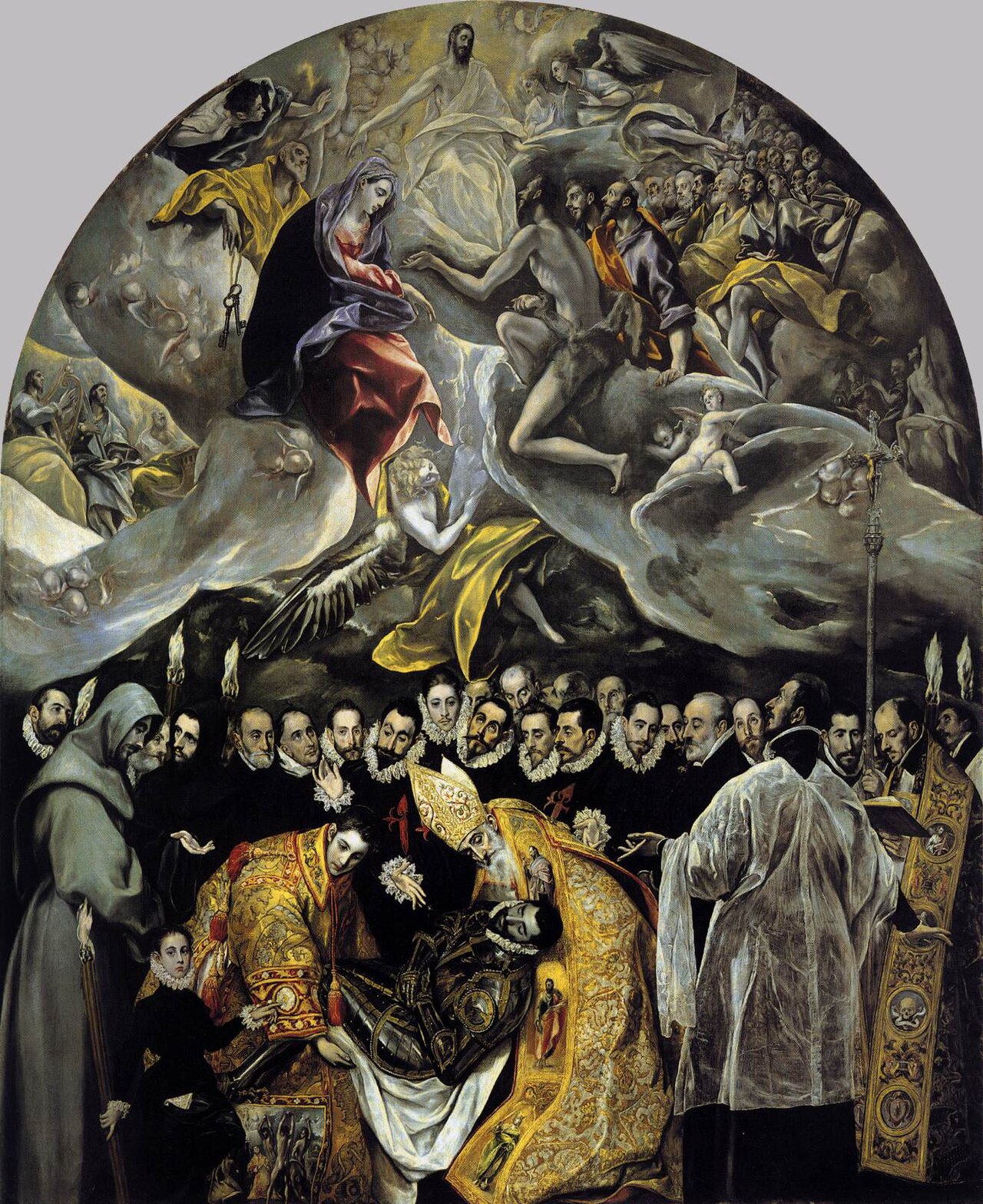 Painting
Primary source
The Burial of the Count of Orgaz
El Greco · 1586
 Painting
Primary source
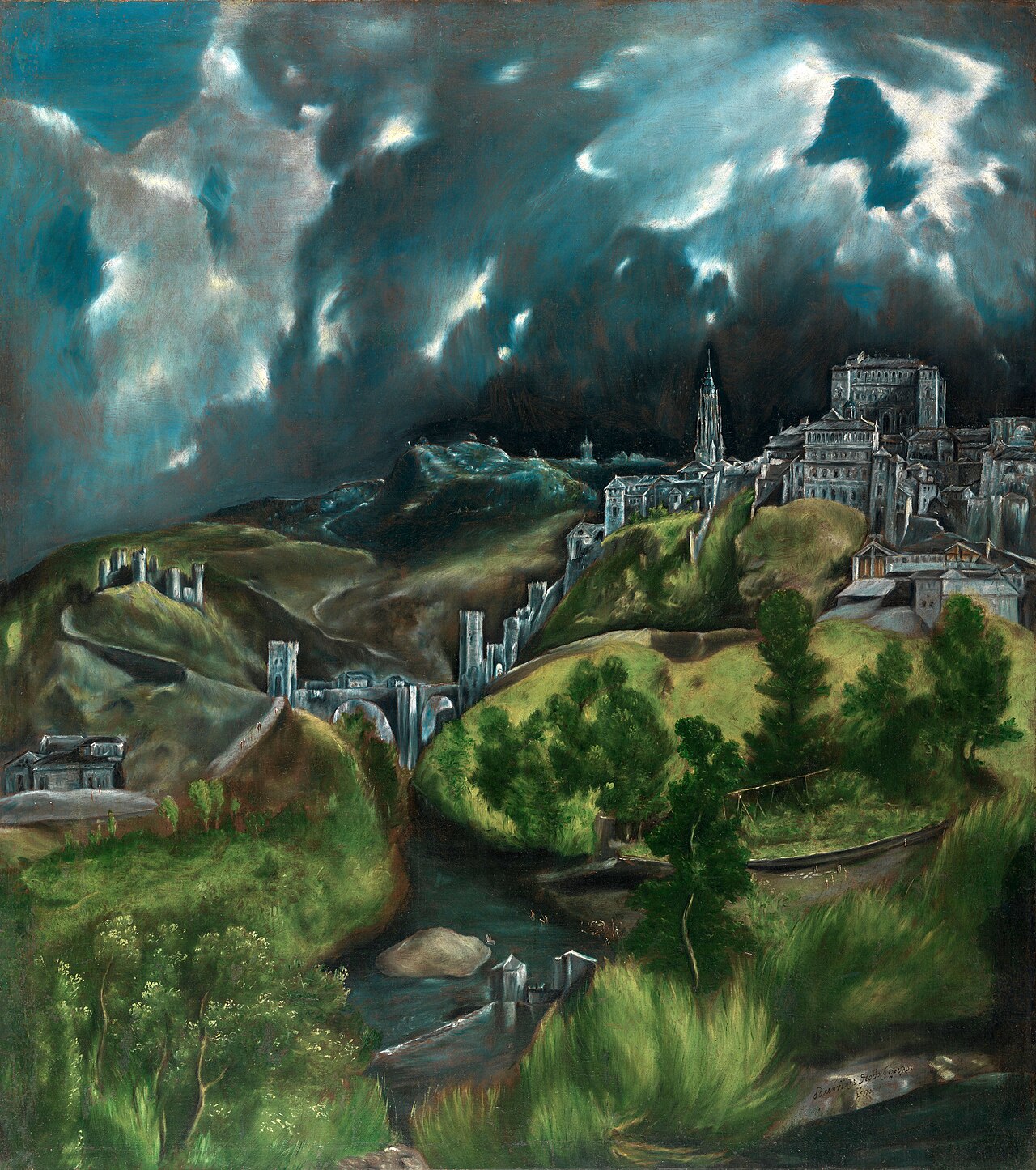
View of Toledo
El Greco · c. 1595-1600
 Painting
Primary source
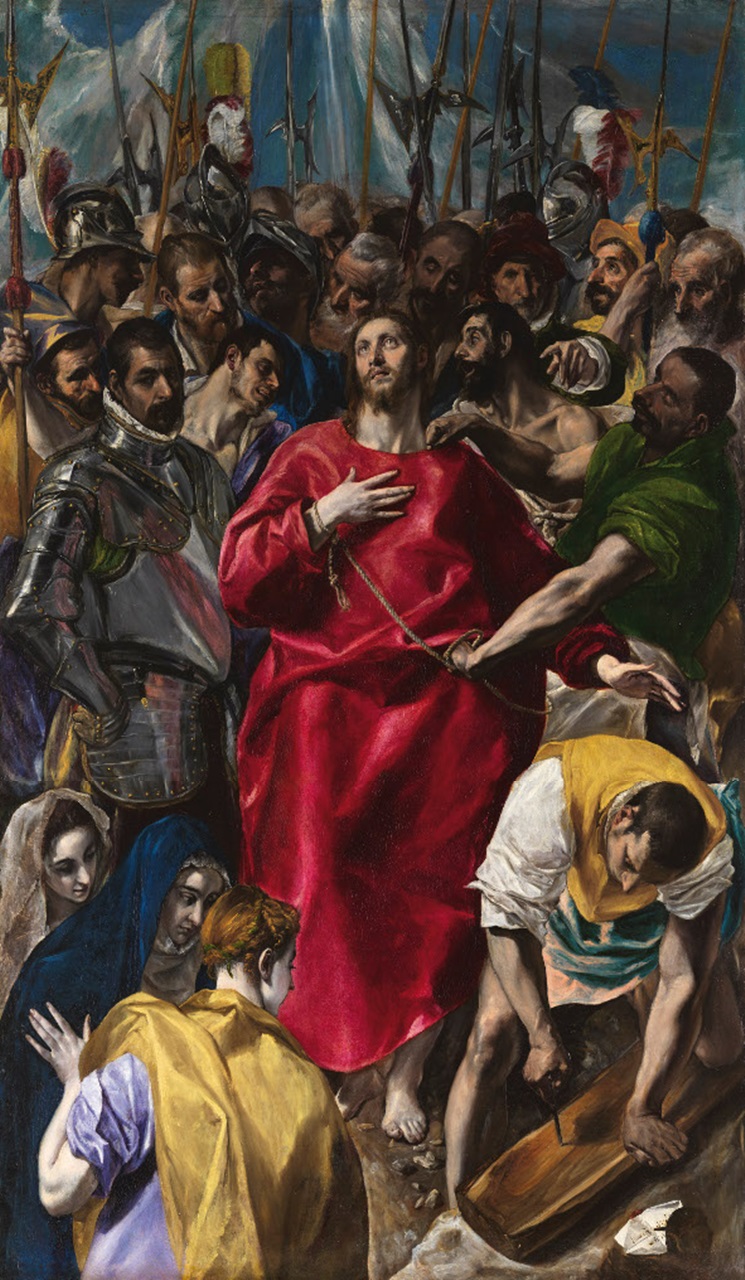
The Disrobing of Christ
El Greco · 1577-1579
 Painting
Primary source
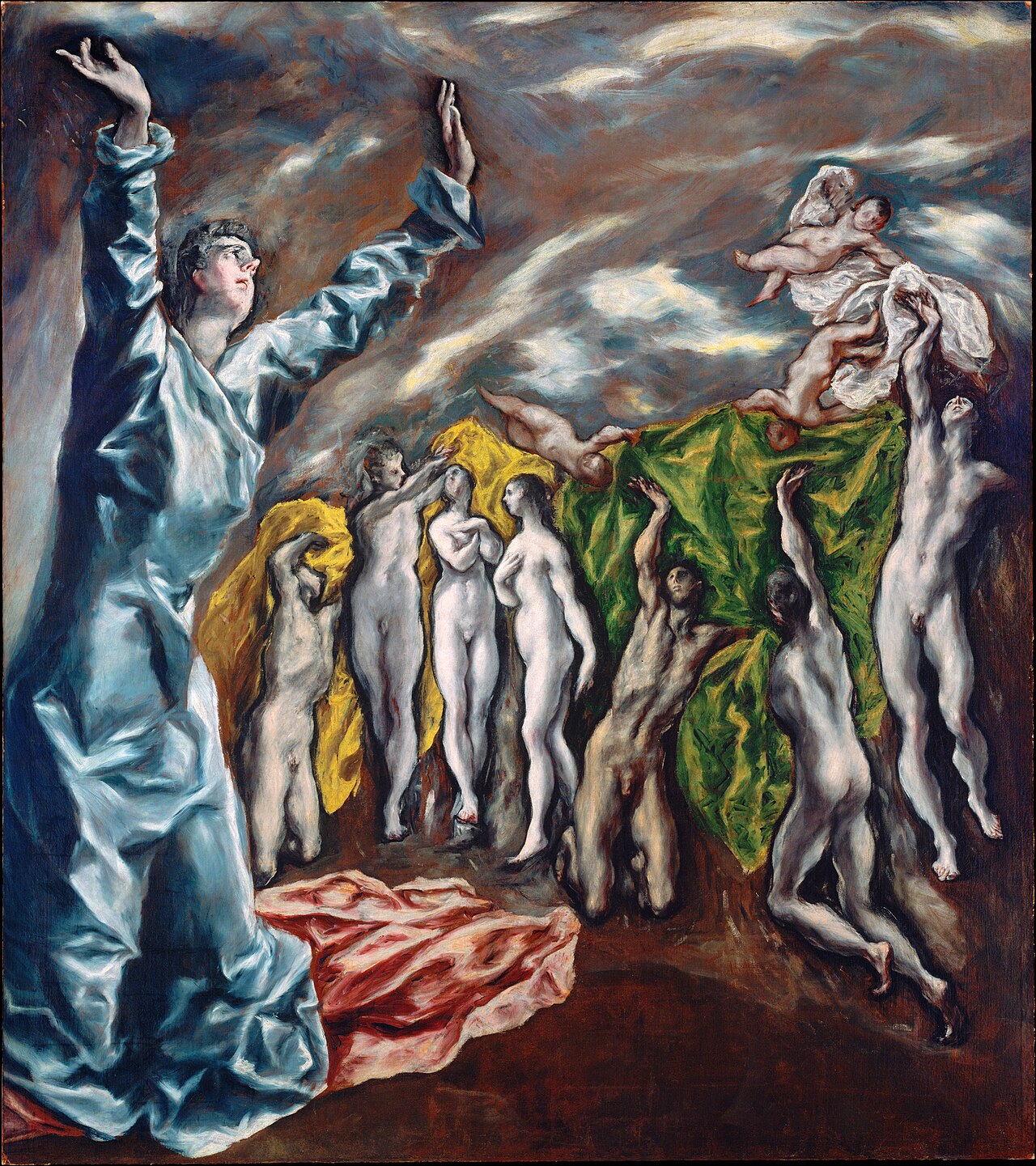
Opening of the Fifth Seal
El Greco · c. 1608-1614
Free account
Read every El Greco source
Sign up free →
Ready when you are
Start chatting with El Greco now.
20 messages free · No credit card · Available in 50+ languages.