


Primary sourcePaintingJanuary 1889
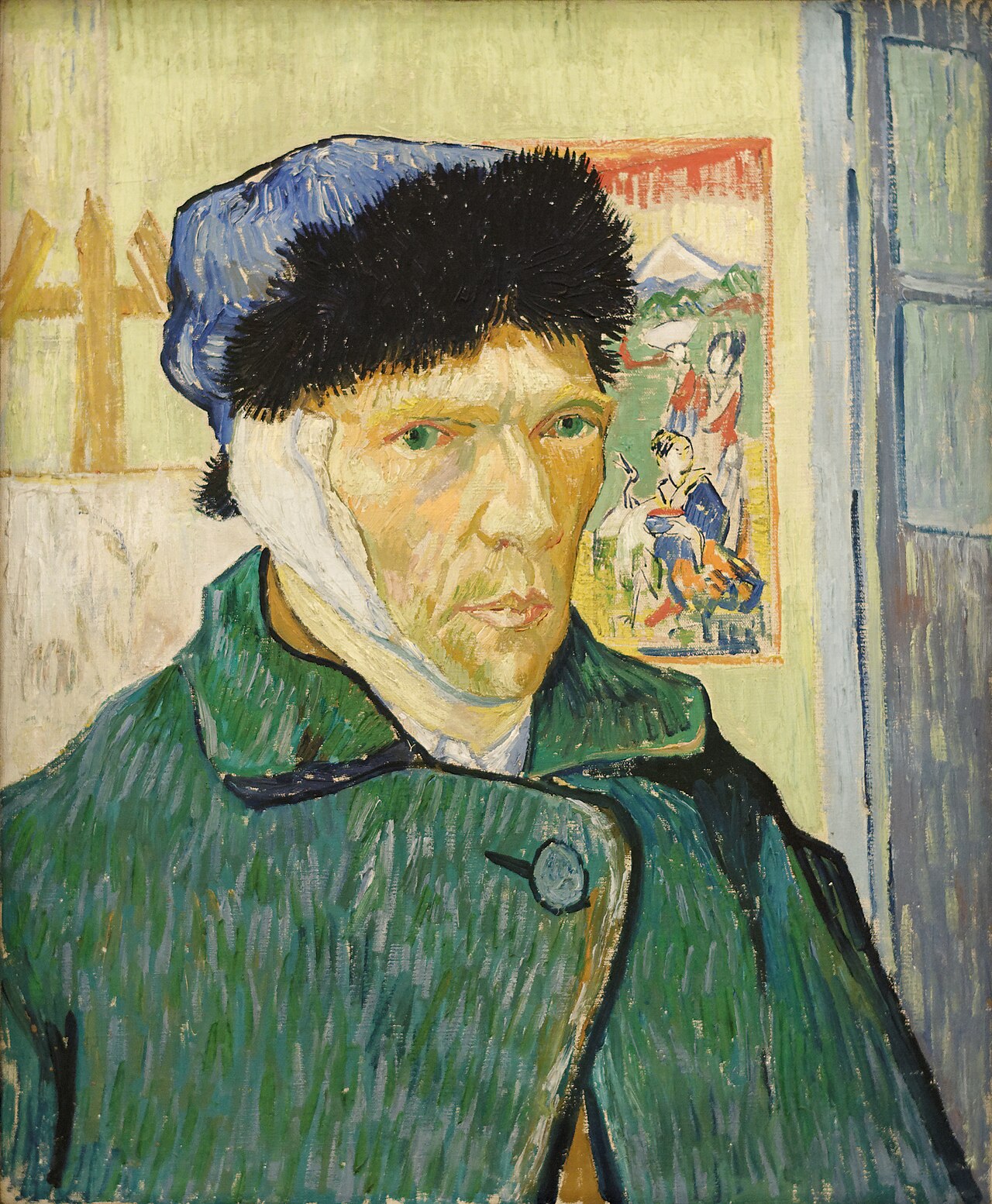
Self-Portrait with Bandaged Ear
Vincent van Gogh · January 1889
Van Gogh's own painted record of himself weeks after he cut off part of his ear during a crisis in Arles in December 1888.
Van Gogh's own self-portrait made weeks after injuring himself, documenting the crisis that shaped his popular image.
About this source
What it is
A self-portrait painted by Vincent van Gogh in January 1889, showing himself in a fur cap and overcoat with a bandaged ear, with a Japanese woodblock print and canvas visible behind him. It is held by the Courtauld Institute of Art in London.
Why it matters
Painted soon after Van Gogh injured himself during a crisis involving Paul Gauguin at the Yellow House in Arles, it is his own account of that difficult period, made using a mirror so the bandage appears on the opposite side from the real injury. The painting also shows his deep interest in Japanese prints, which he collected and used to shape his bold use of colour and flat composition.
Look closer
- Why might Van Gogh have chosen to paint himself soon after such a difficult event, rather than avoid the subject?
- What does the Japanese print in the background tell you about his artistic influences?
- Because he used a mirror, what does the portrait get 'wrong' about the actual injury, and why might that matter?
This painting is part of the curated material that grounds the AI version of Vincent van Gogh on Humy.ai — when students ask about related events, the AI can quote it and cite it.
More Vincent van Gogh sources
Meet the AI Vincent van Gogh →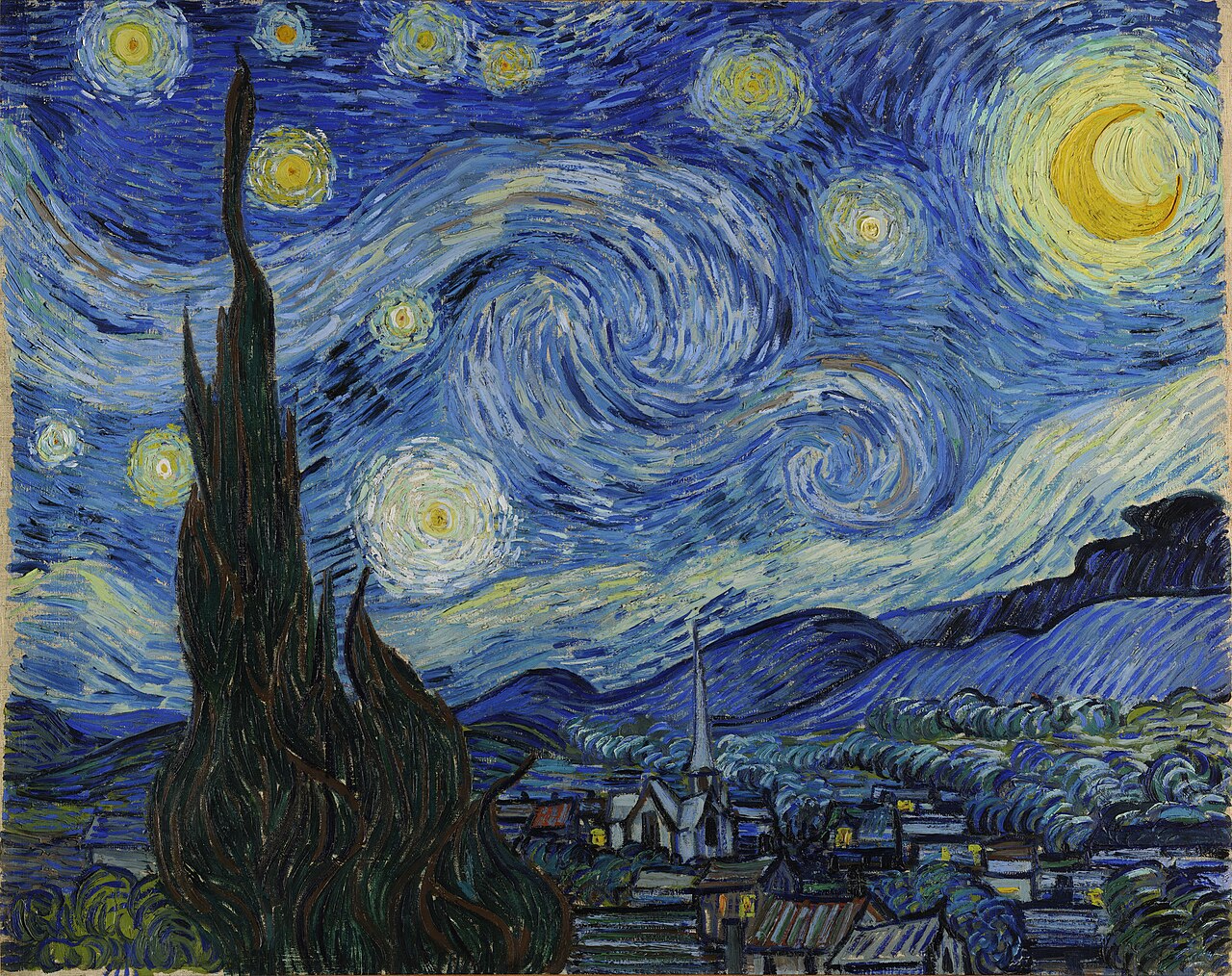 Painting
Primary source
The Starry Night
Vincent van Gogh · June 1889
 Painting
Primary source
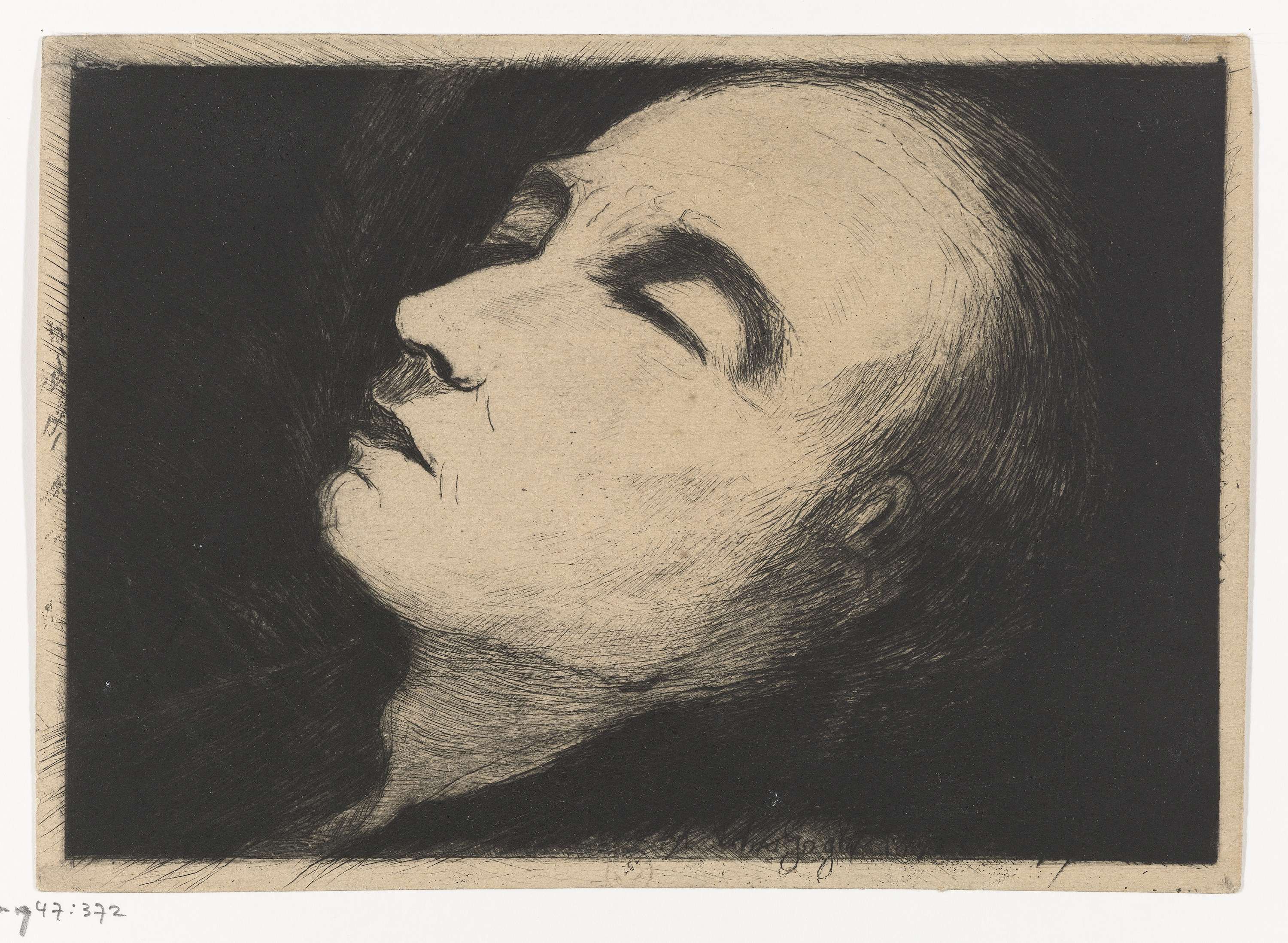
Vincent van Gogh, 29 July 1890
29 July 1890
 Letter
Primary source
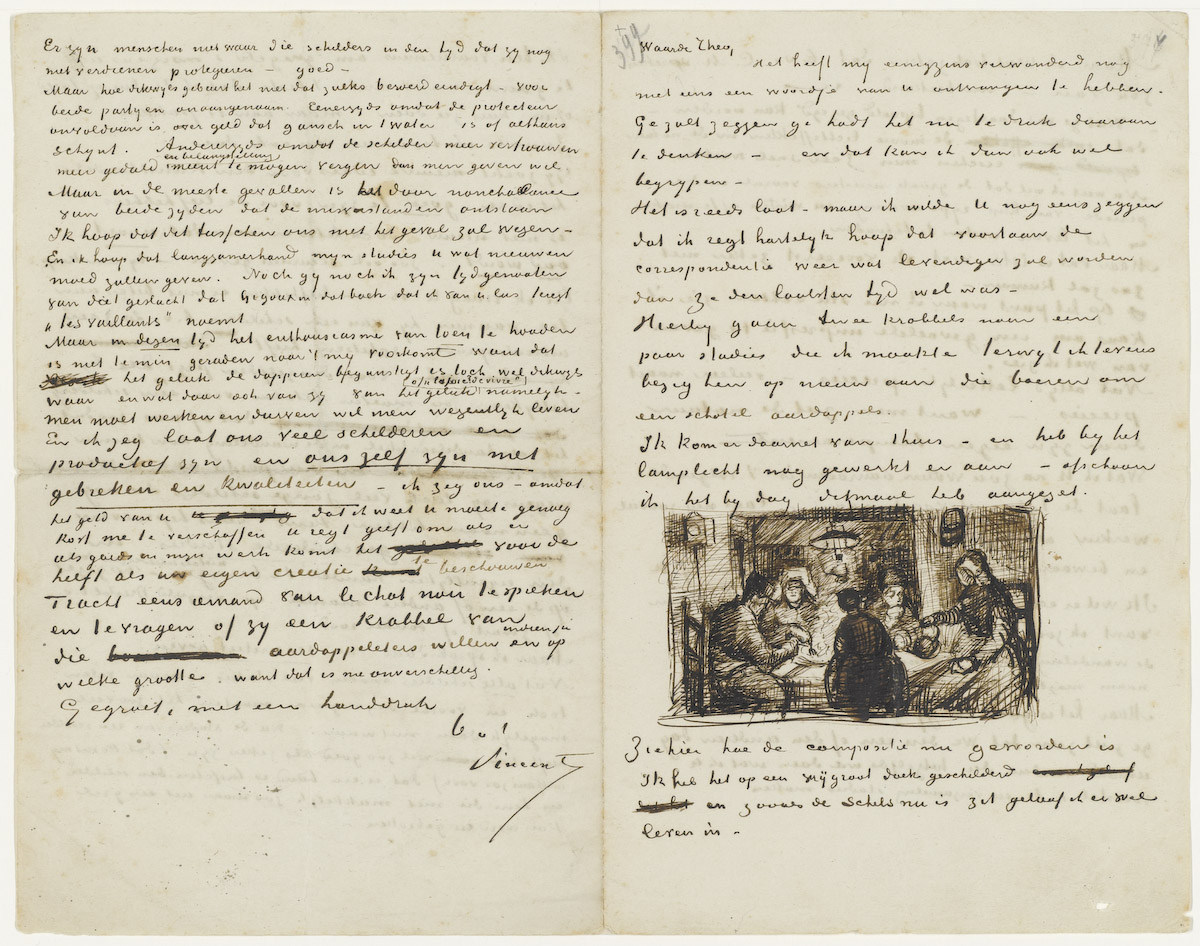
The Letters of Vincent van Gogh
Vincent van Gogh · 1872-1890, published 1914
 Painting
Primary source
Sunflowers
Vincent van Gogh · 1888
 Artifact
Primary source
Two Bookplates for Vincent van Gogh
Ready when you are
Start chatting with Vincent van Gogh now.
20 messages free · No credit card · Available in 50+ languages.