


Secondary sourcePainting1757
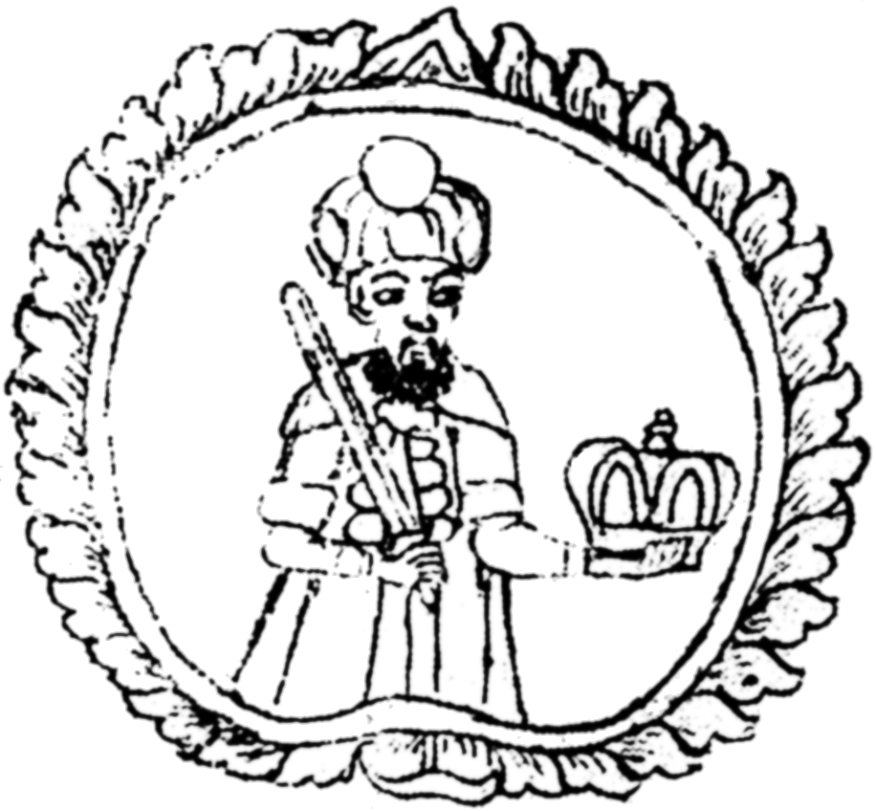
Selim II with the Crown of Tsarigrad
Constantin Săidăcar ot Mogoșoaia · 1757
A Romanian manuscript drawing showing Selim II holding the legendary 'Crown of Tsarigrad' as heir to the Byzantine emperors.
This later chronicle drawing presents Selim II as heir to Byzantine imperial power, showing his symbolic legacy.
About this source
What it is
This drawing comes from an eighteenth-century manuscript by the Wallachian scribe Constantin Săidăcar, made in 1757. It is part of a Romanian version of a Byzantine chronicle known as Leatopiseț ce-i zice Cartea împăraților, and shows Selim II holding a crown called the 'Crown of Tsarigrad'.
Why it matters
Made nearly two centuries after Selim II's reign, the drawing reflects a legend that Ottoman sultans were successors to the Byzantine emperors who once ruled Constantinople (Tsarigrad). It shows how later writers and artists in Southeastern Europe understood Ottoman power through older imperial traditions.
Look closer
- What does the crown symbolize, and why might a Romanian chronicler connect Selim II to the Byzantine emperors?
- Why do you think the artist chose to show him holding both a sword and a crown?
- What does this image tell us about how different peoples under Ottoman rule viewed their sultans?
This painting is part of the curated material that grounds the AI version of Selim II on Humy.ai — when students ask about related events, the AI can quote it and cite it.
More Selim II sources
Browse all 95 →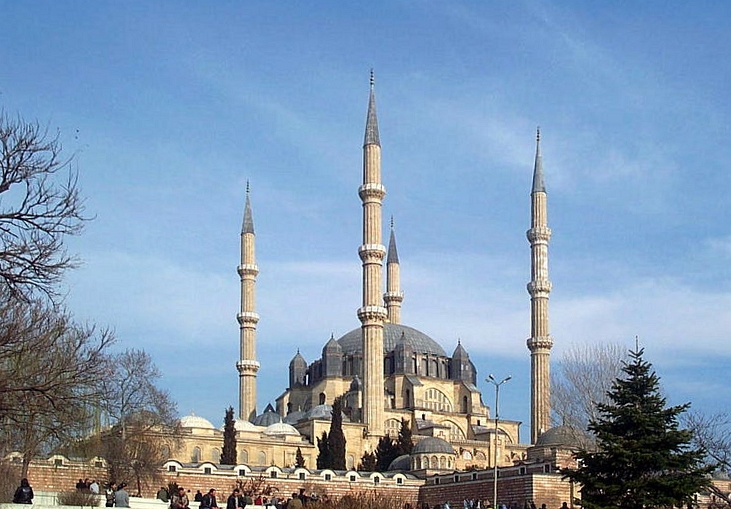 Artifact
Primary source
Selimiye Mosque
Mimar Sinan · 1568-1575
 Painting
Secondary source
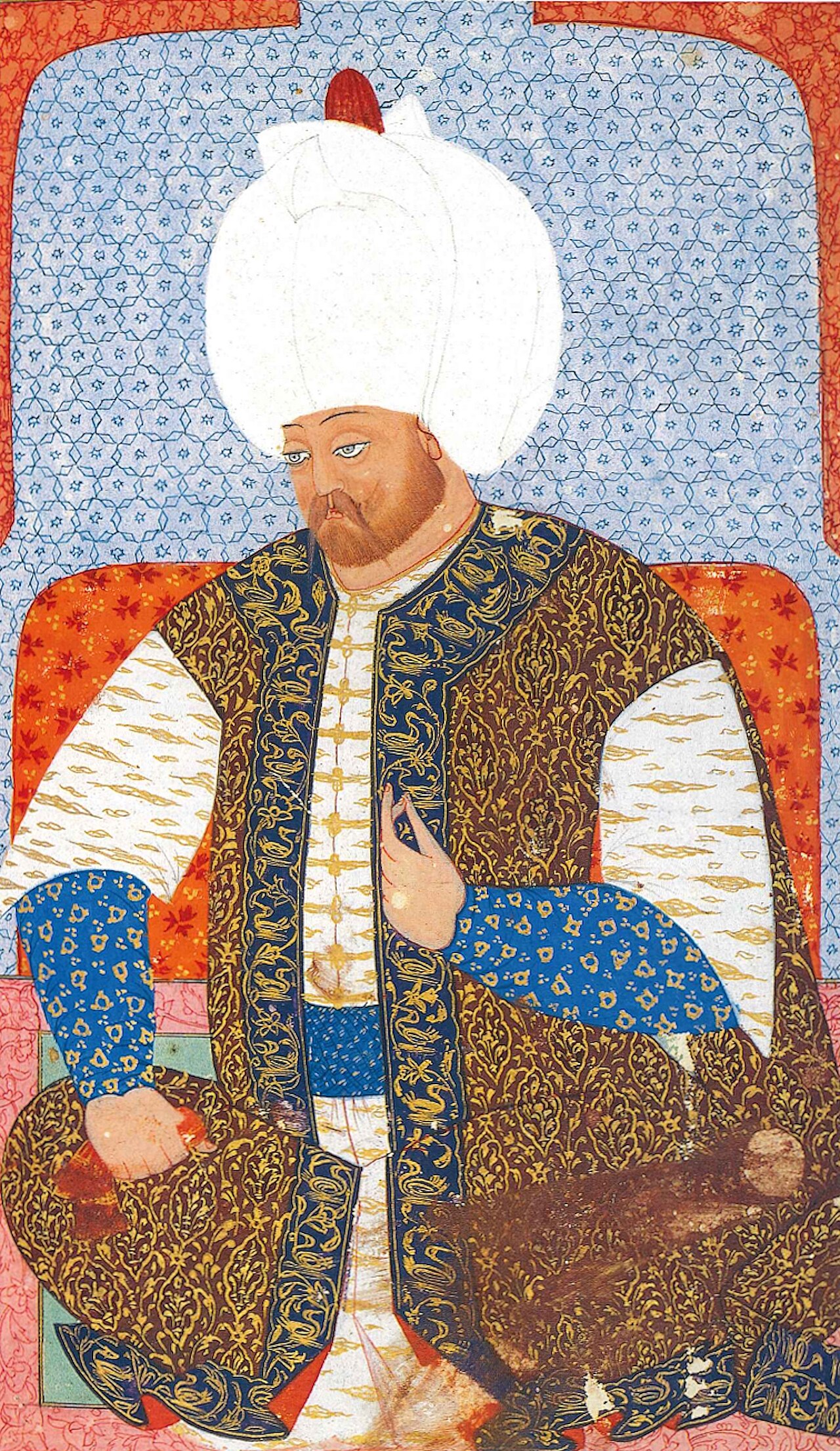
Portrait of Selim II
Nakkaş Osman · 1579
 Painting
Primary source
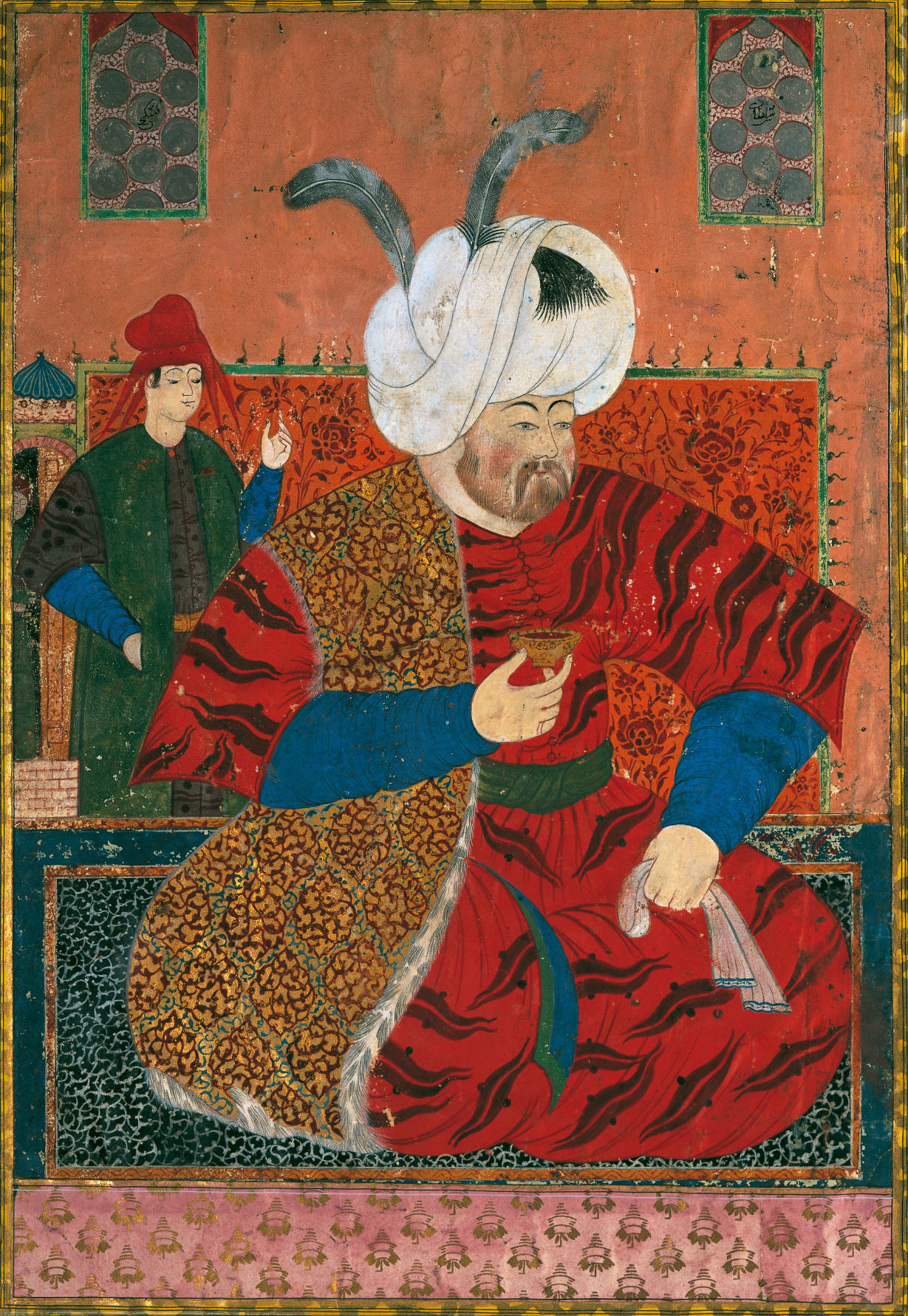
Portrait Of Sultan Selim II
Nigâri
 Document
Primary source
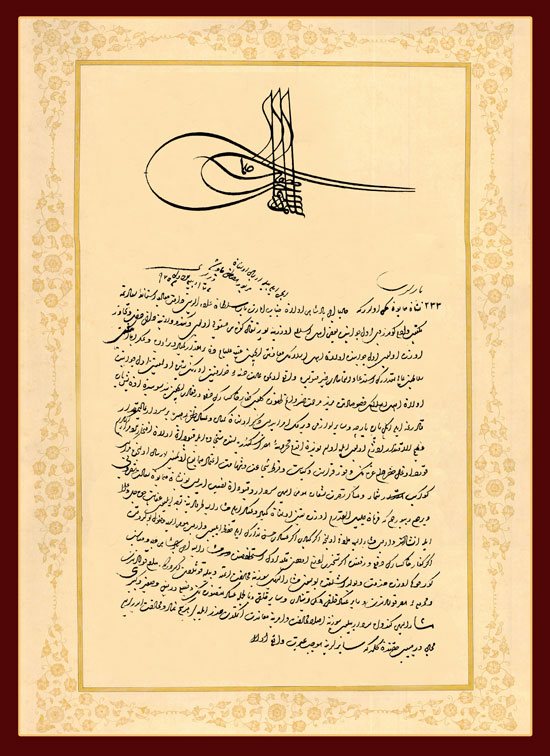
Firman of Sultan Selim II
Selim II
Free account
Read every Selim II source
Sign up free →
Ready when you are
Start chatting with Selim II now.
20 messages free · No credit card · Available in 50+ languages.