


Primary sourcePainting1833
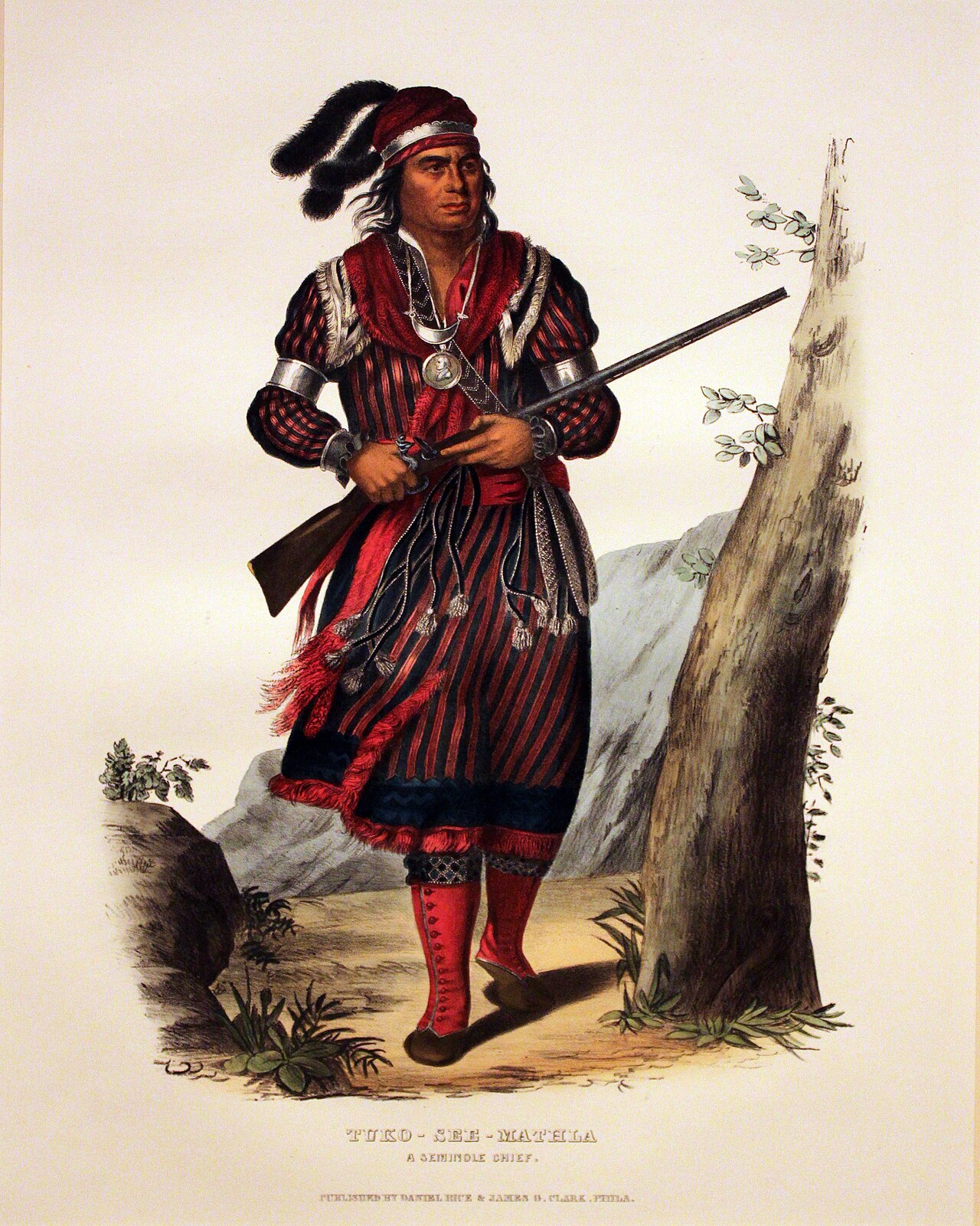
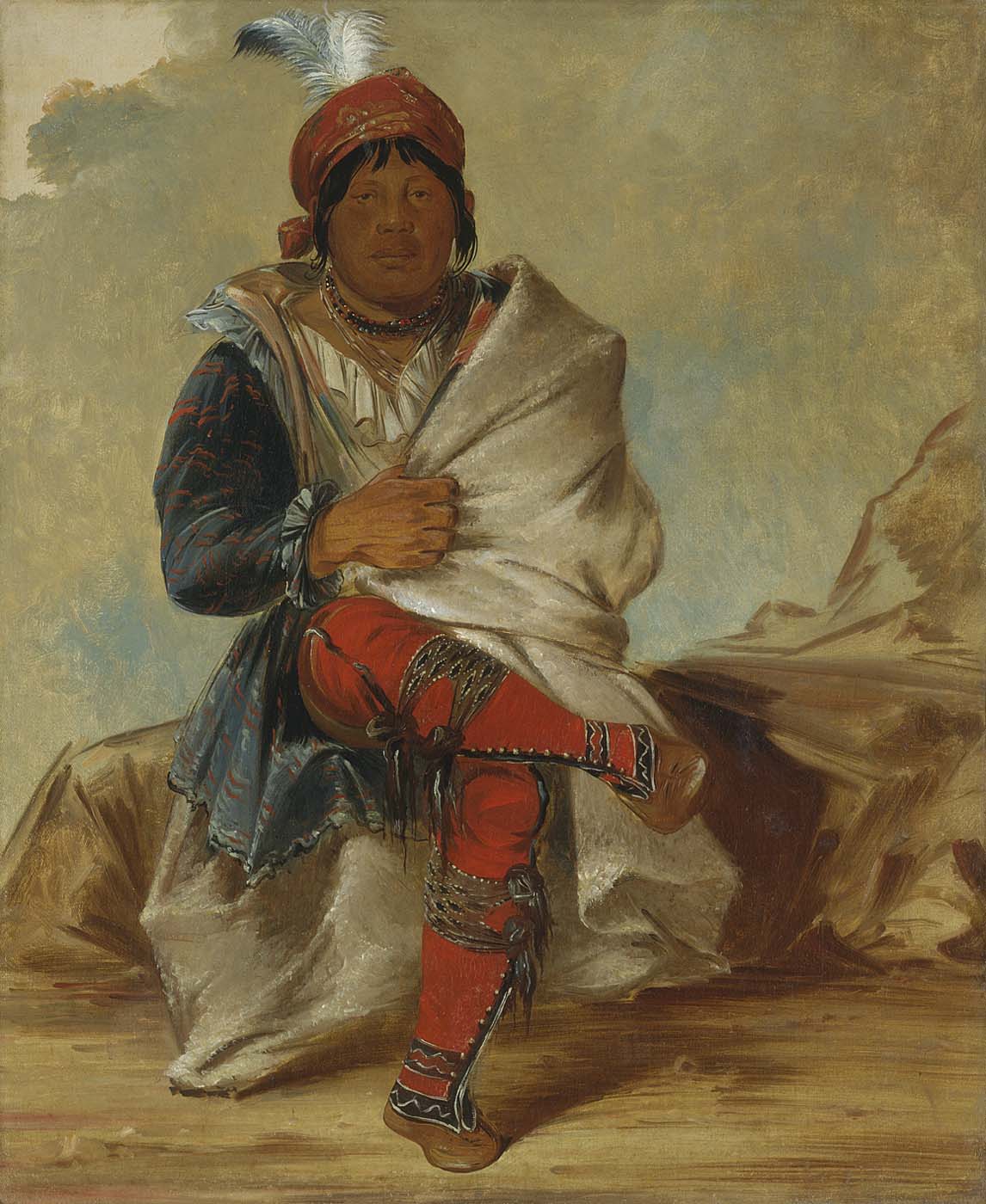
Seminole Chief Tuko-See-Mathla
George Catlin · 1833
A hand-colored lithograph portrait of a Seminole chief, painted the same year George Catlin made his famous portrait of Osceola.
A contemporary portrait of another Seminole chief, giving visual context for Osceola's world in 1833 Florida.
About this source
What it is
This is a hand-colored lithograph by the artist George Catlin, made in 1833. It shows a Seminole chief named Tuko-See-Mathla standing full length, dressed in a red turban with feathers, a striped jacket, silver armbands and medal, and holding a long rifle.
Why it matters
Catlin travelled widely painting portraits of Native American leaders during the 1830s, the same period when Osceola became famous for resisting removal from Florida. This image helps show the dress, status symbols and setting of Seminole leadership in Osceola's lifetime, though it depicts a different chief.
Look closer
- What objects and clothing in the portrait show this man's rank among his people?
- Why might an outside artist like Catlin have been interested in painting Native leaders at this time?
- What does this image not tell us about the pressures Seminole leaders faced in the 1830s?
This painting is part of the curated material that grounds the AI version of Osceola and George Catlin on Humy.ai — when students ask about related events, the AI can quote it and cite it.
More Osceola sources
Meet the AI Osceola →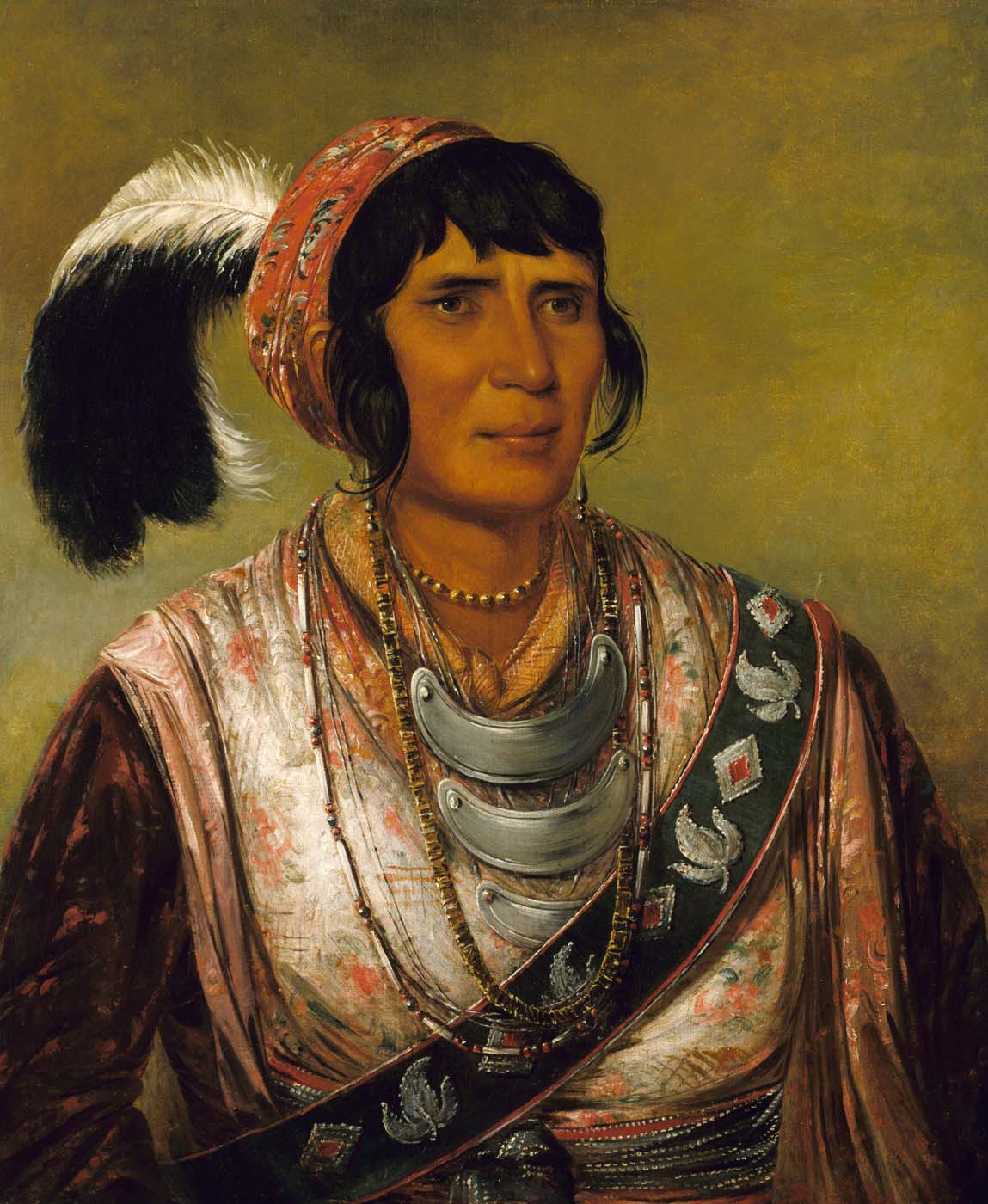 Painting
Primary source
Osceola, The Black Drink, a Warrior of Great Distinction
George Catlin · 1838
 Painting
Primary source
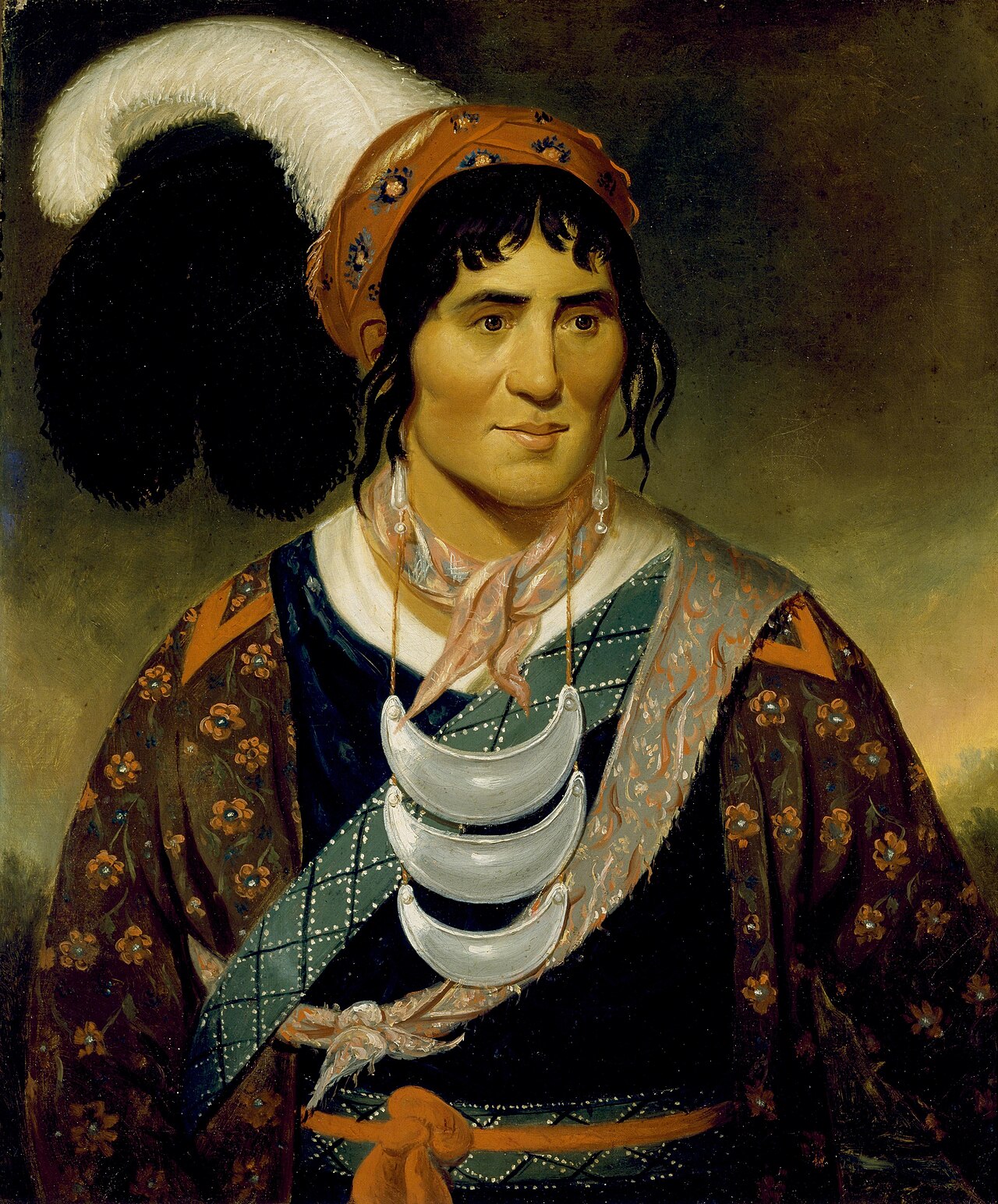
Portrait of Osceola by Robert John Curtis
Robert John Curtis · 1838
 Speech
Primary source
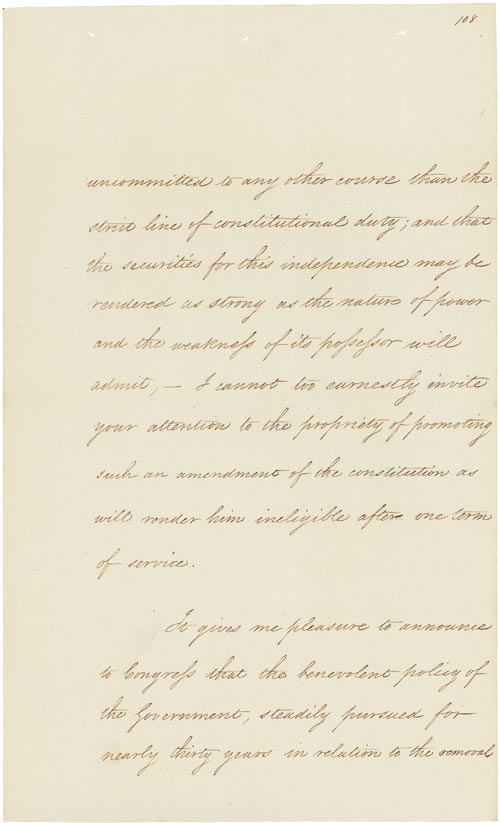
Message to Congress On Indian Removal
Andrew Jackson · 6 December 1830
 Painting
Primary source
Mick-e-no-páh, Chief of the Tribe
George Catlin · 1838
 Book
Secondary source
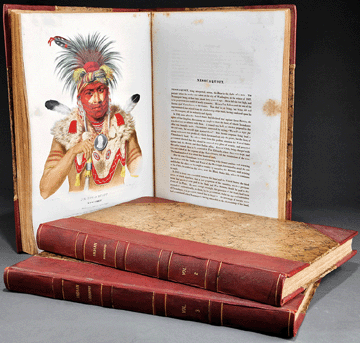
History of the Indian Tribes of North America
Thomas L. McKenney · 1836
Ready when you are
Start chatting with Osceola now.
20 messages free · No credit card · Available in 50+ languages.