


Primary sourceArtifact
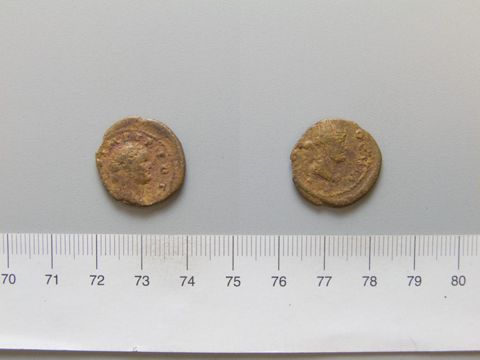
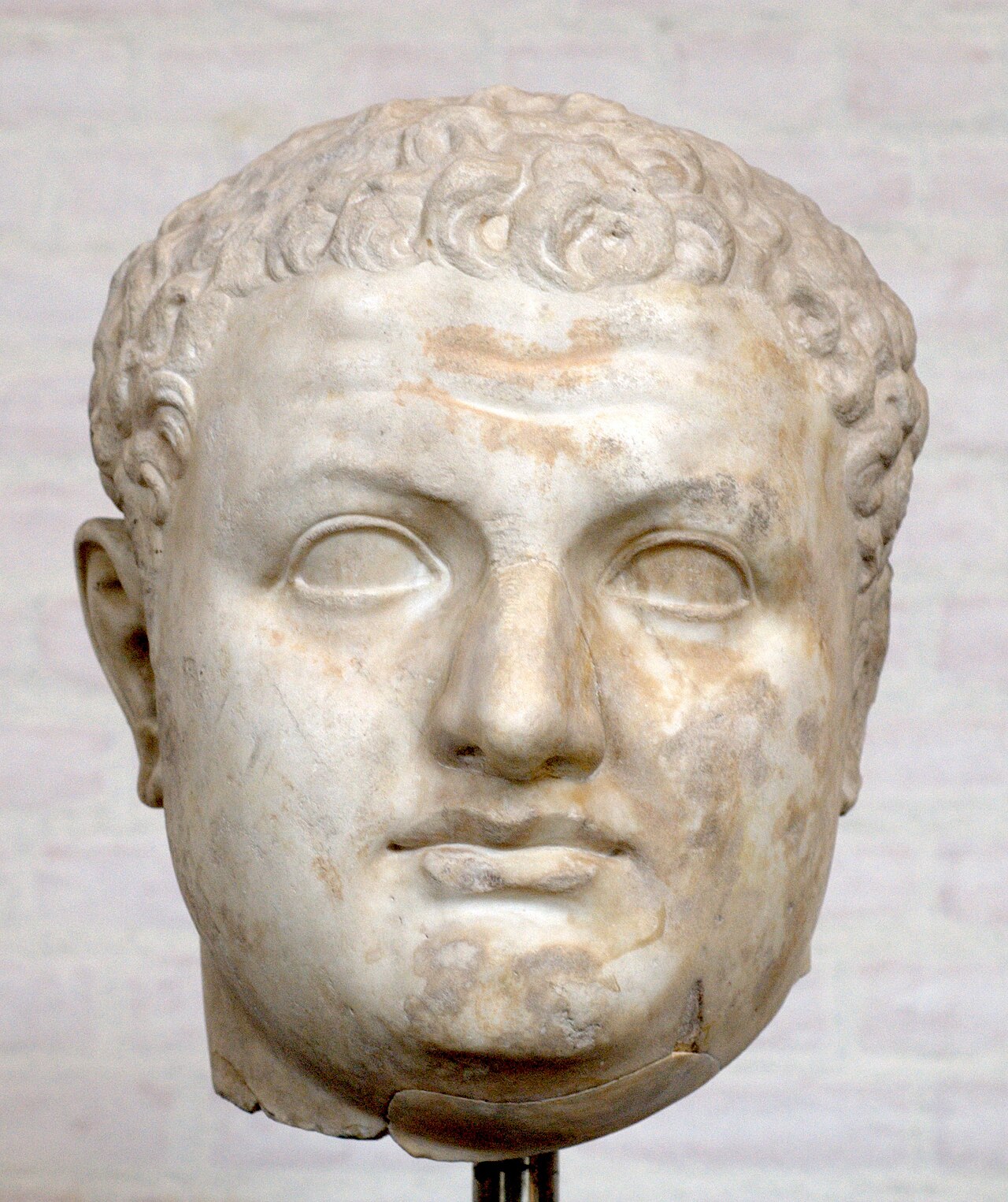
Semis of Titus, Emperor of Rome, from Antioch
A bronze coin bearing Titus's portrait, excavated at Dura-Europos, showing how his image reached the empire's eastern frontier.
A coin bearing Titus's own portrait, circulated to the empire's eastern frontier during his reign.
About this source
What it is
This small bronze coin, minted in Antioch, carries a portrait of the Roman emperor Titus. It was found during excavation at Dura-Europos in Syria by the Yale-French archaeological team between 1928 and 1937, and is now held by the Yale University Art Gallery.
Why it matters
Coins like this one carried the emperor's face across the Roman Empire, even to its distant eastern edges. Finding Titus's portrait so far from Rome shows how Roman imperial imagery and authority reached ordinary people living on the frontier.
It is a small but direct piece of evidence from his own time, unlike later paintings or statues.
Look closer
- Why might an emperor want his face on everyday money?
- What does finding this coin far from Rome tell us about how the empire worked?
- What can a coin tell us that a painting cannot, and what can it not tell us?
This artifact is part of the curated material that grounds the AI version of Titus on Humy.ai — when students ask about related events, the AI can quote it and cite it.
More Titus sources
Browse all 98 →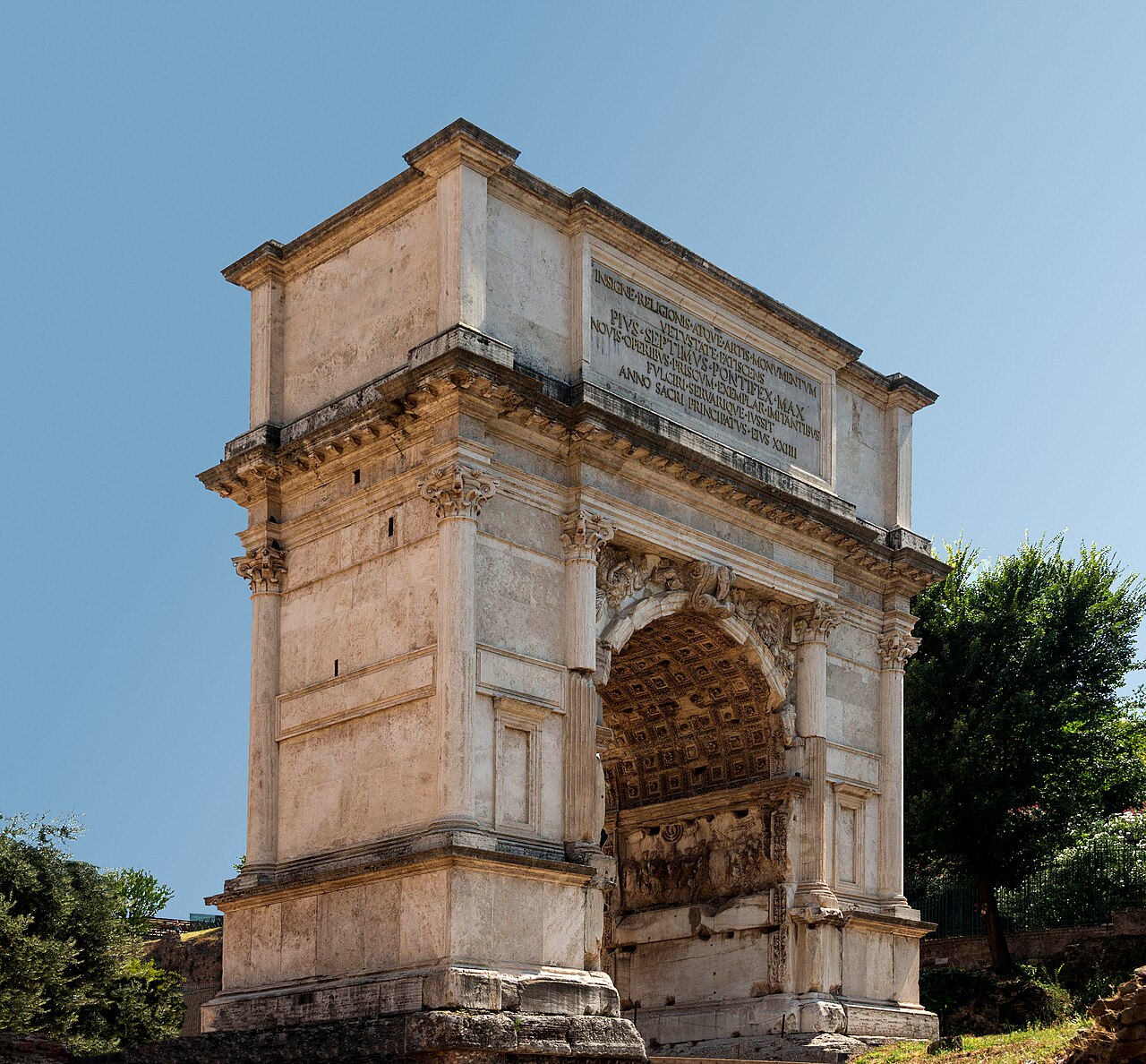 Artifact
Primary source
Arch of Titus
Rabirius · c. 81–82 AD
 Sculpture
Secondary source
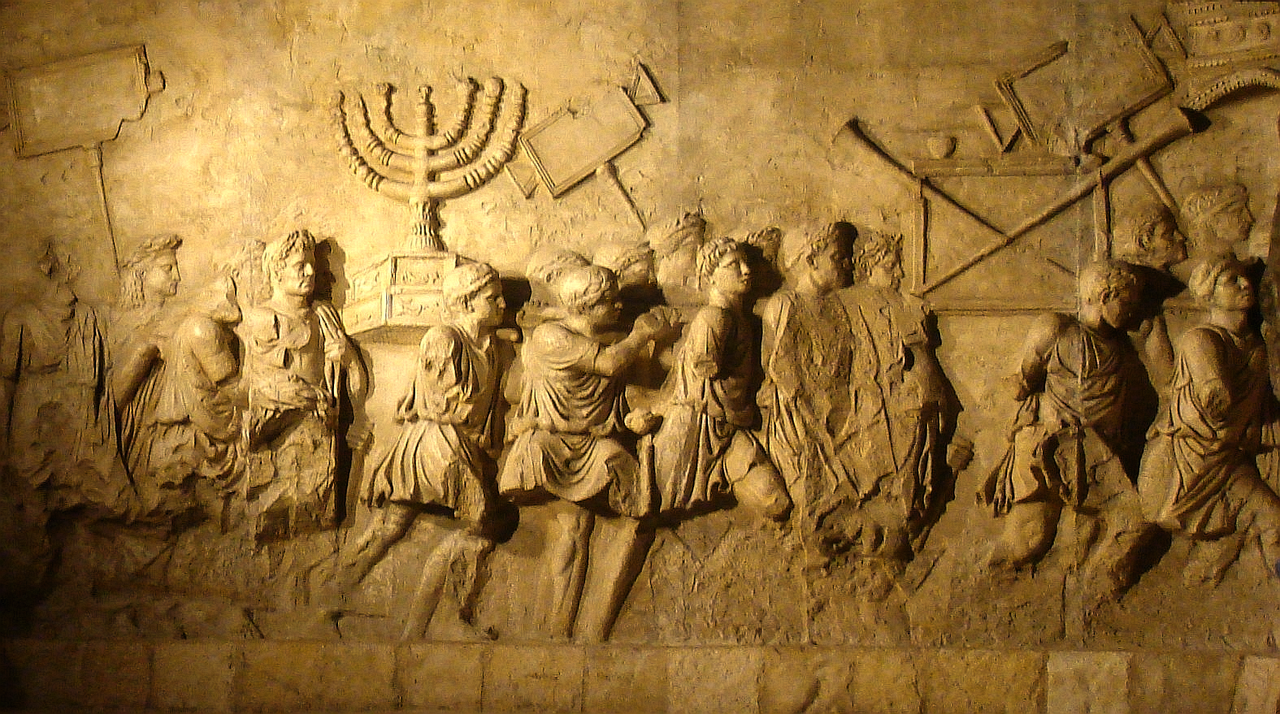
Spoils of Jerusalem Relief (Menorah Panel)
Roman sculptors under Domitian · c. 81–82 AD
 Book
Secondary source
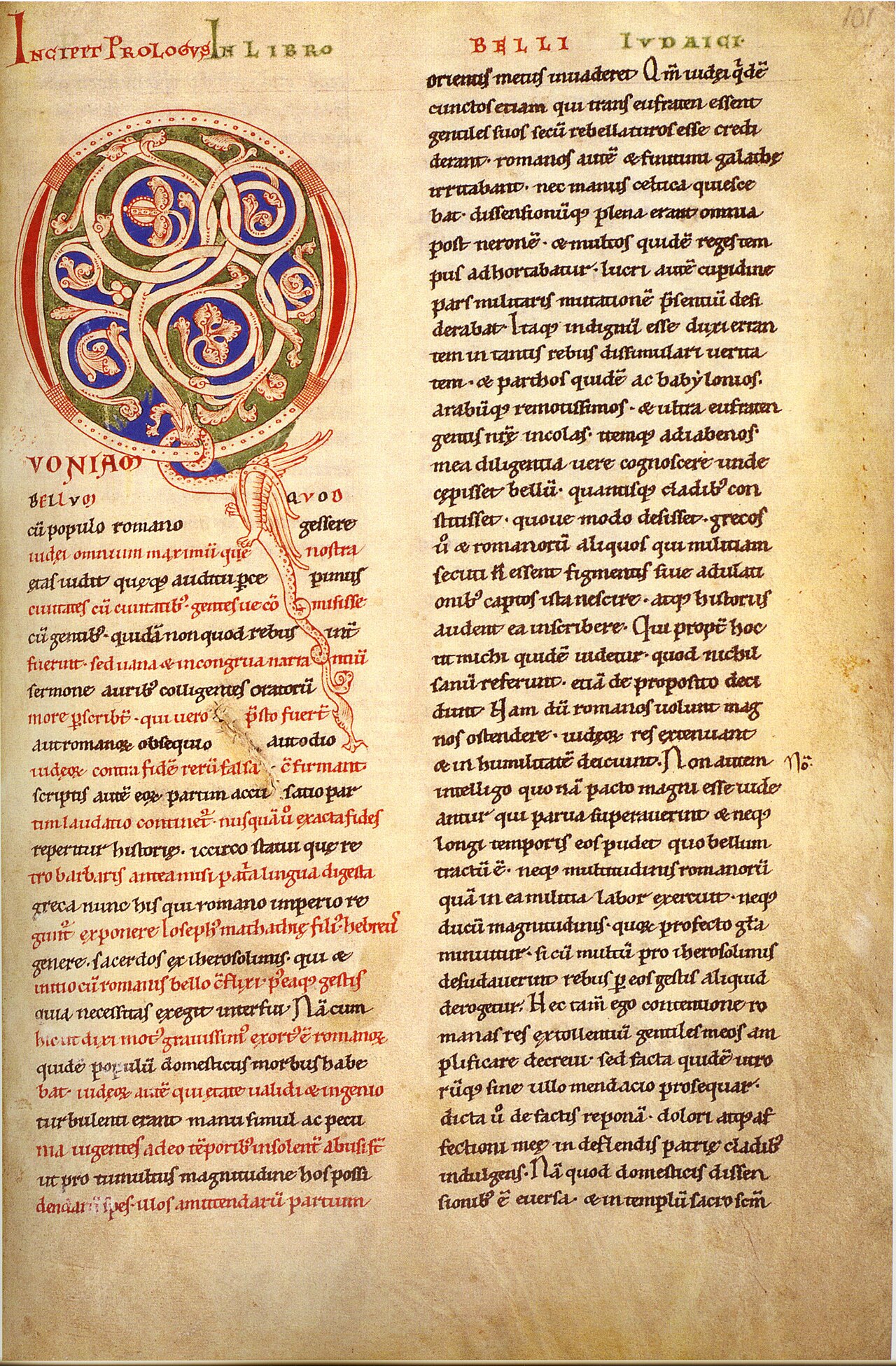
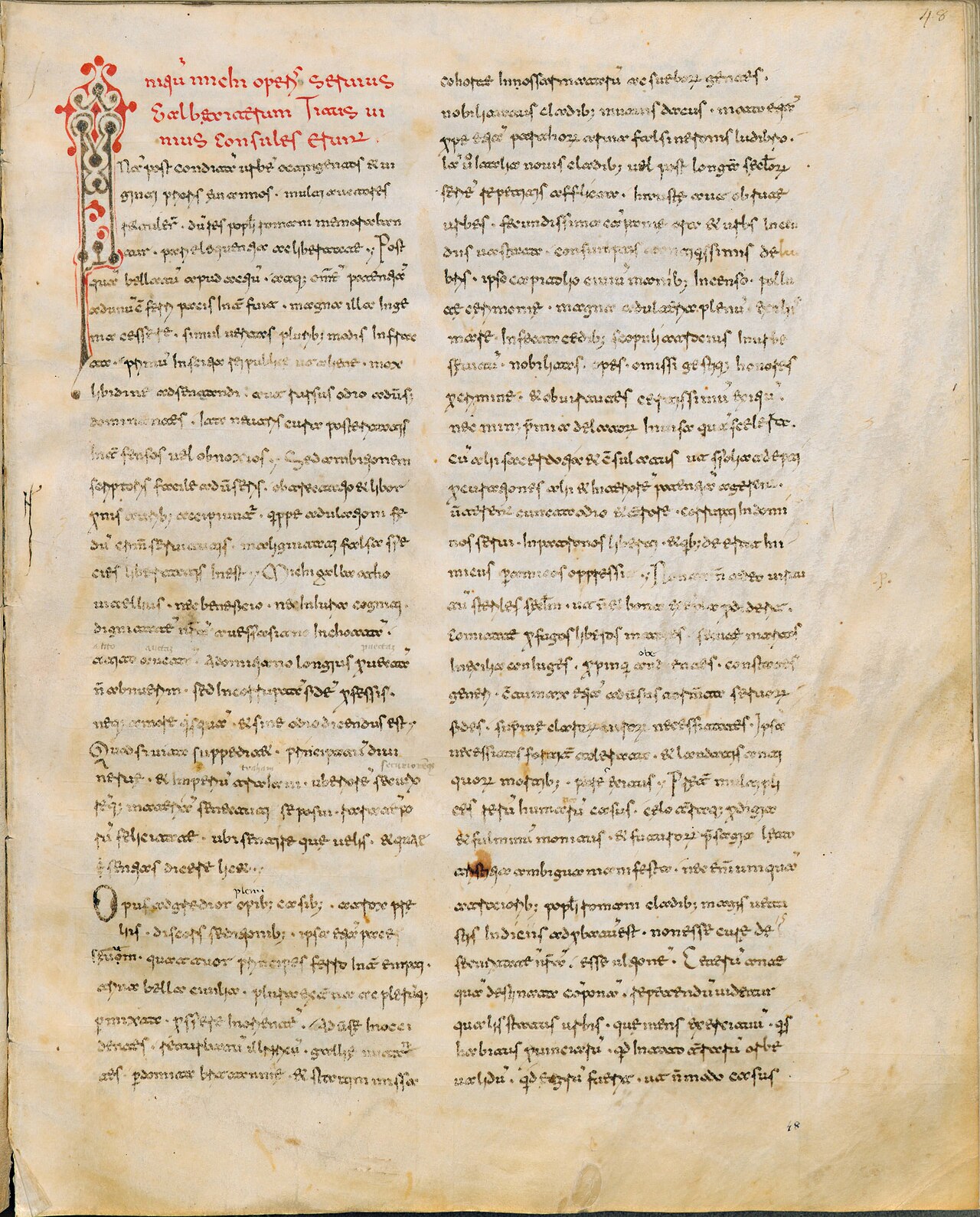
The Jewish War
Josephus · c. AD 75
 Artifact
Primary source
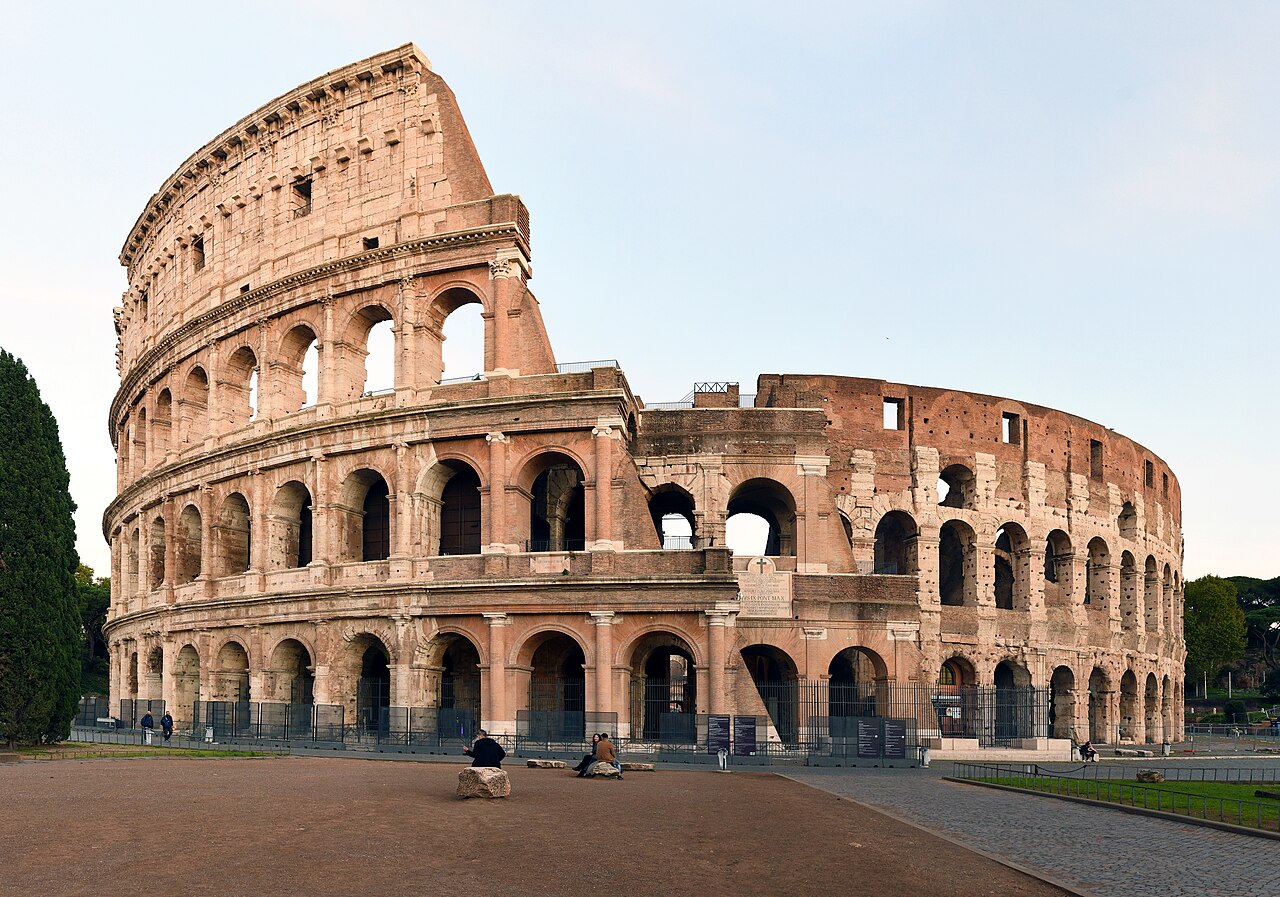
Colosseum
begun 72 AD, completed 80 AD
Free account
Read every Titus source
Sign up free →
Ready when you are
Start chatting with Titus now.
20 messages free · No credit card · Available in 50+ languages.