


Secondary sourceSculpture1906
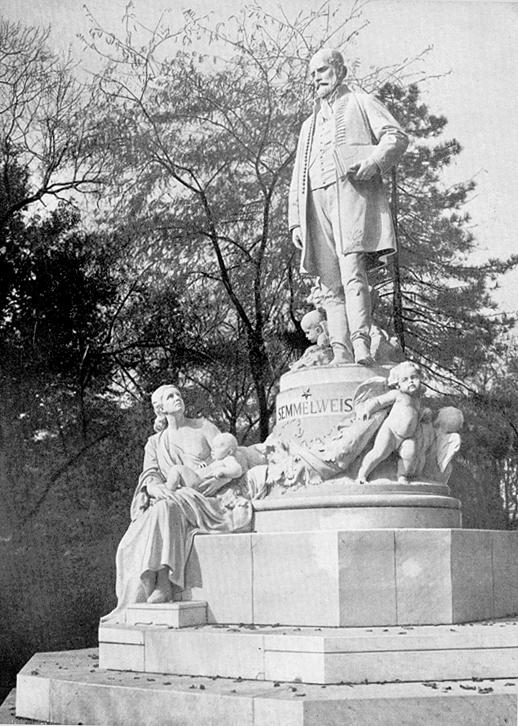
Semmelweis Statue, Budapest
Alajos Stróbl · 1906
A 1906 marble statue by Alajos Stróbl outside Rókus Hospital in Budapest, honoring Semmelweis as the 'saviour of mothers'.
This statue commemorates Semmelweis's posthumous recognition as the physician who saved mothers from childbed fever.
About this source
What it is
This marble monument was created by the sculptor Alajos Stróbl and stands on the grounds of Rókus Hospital in Budapest. It shows a standing bearded man on a tall pedestal inscribed with the name SEMMELWEIS, with a seated woman holding a child and a small cherub at the base.
Why it matters
Erected decades after Semmelweis's death, the statue marks his posthumous recognition as a pioneer who reduced deaths from childbed fever through hand disinfection. The imagery of a mother and child reflects his legacy as the physician credited with saving the lives of new mothers, after his ideas were rejected during his lifetime but later accepted.
Look closer
- Why do you think it took until 1906 for this statue to be built?
- What does the choice to include a mother and child figure tell you about how Semmelweis was remembered?
- What does a monument like this tell us, and what does it leave out, about his actual struggles during his career?
This sculpture is part of the curated material that grounds the AI version of Ignaz Semmelweis on Humy.ai — when students ask about related events, the AI can quote it and cite it.
More Ignaz Semmelweis sources
Browse all 93 →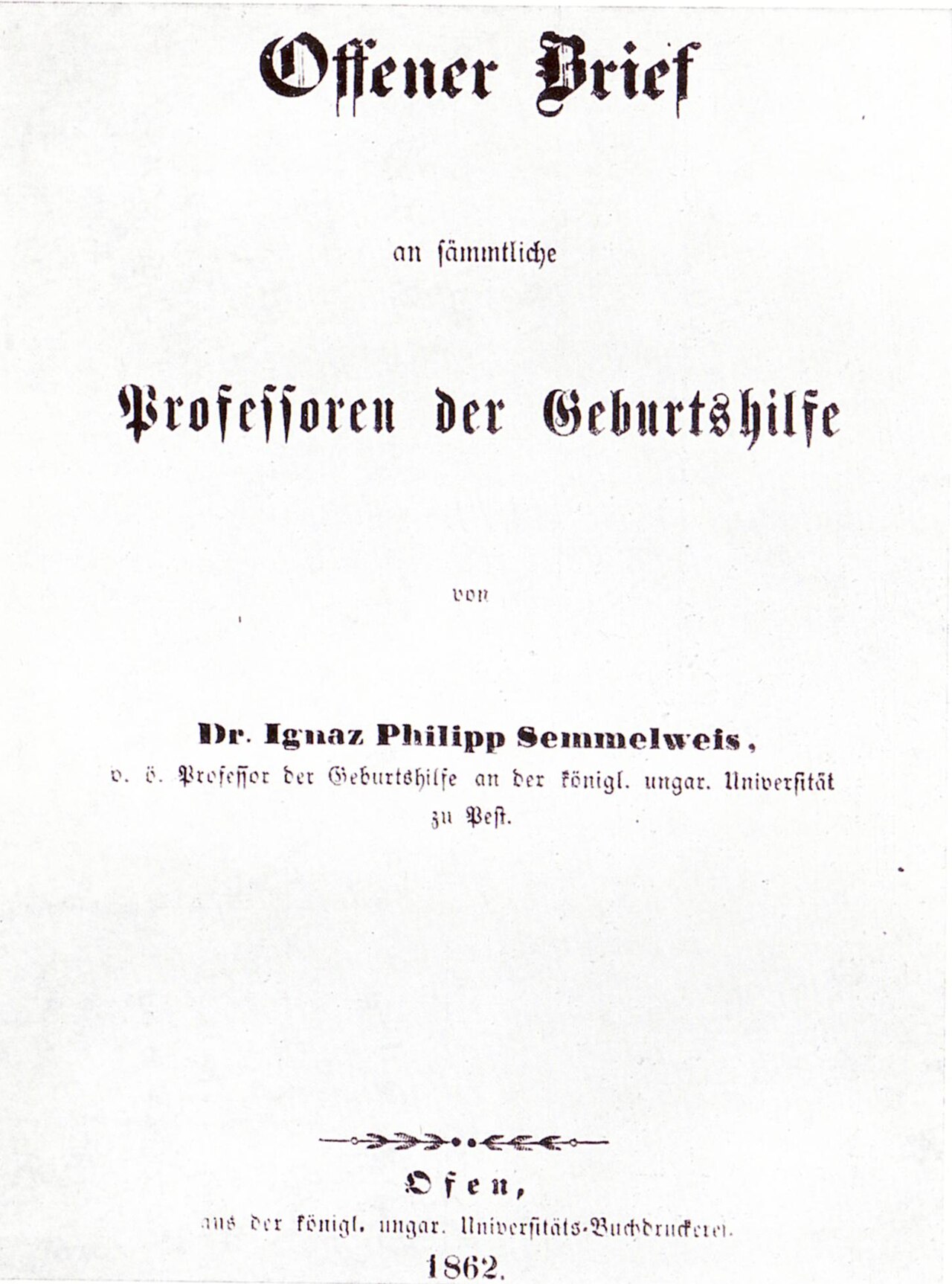 Letter
Primary source
Open Letter to All Professors of Obstetrics
Ignaz Semmelweis · 1862
 Document
Primary source
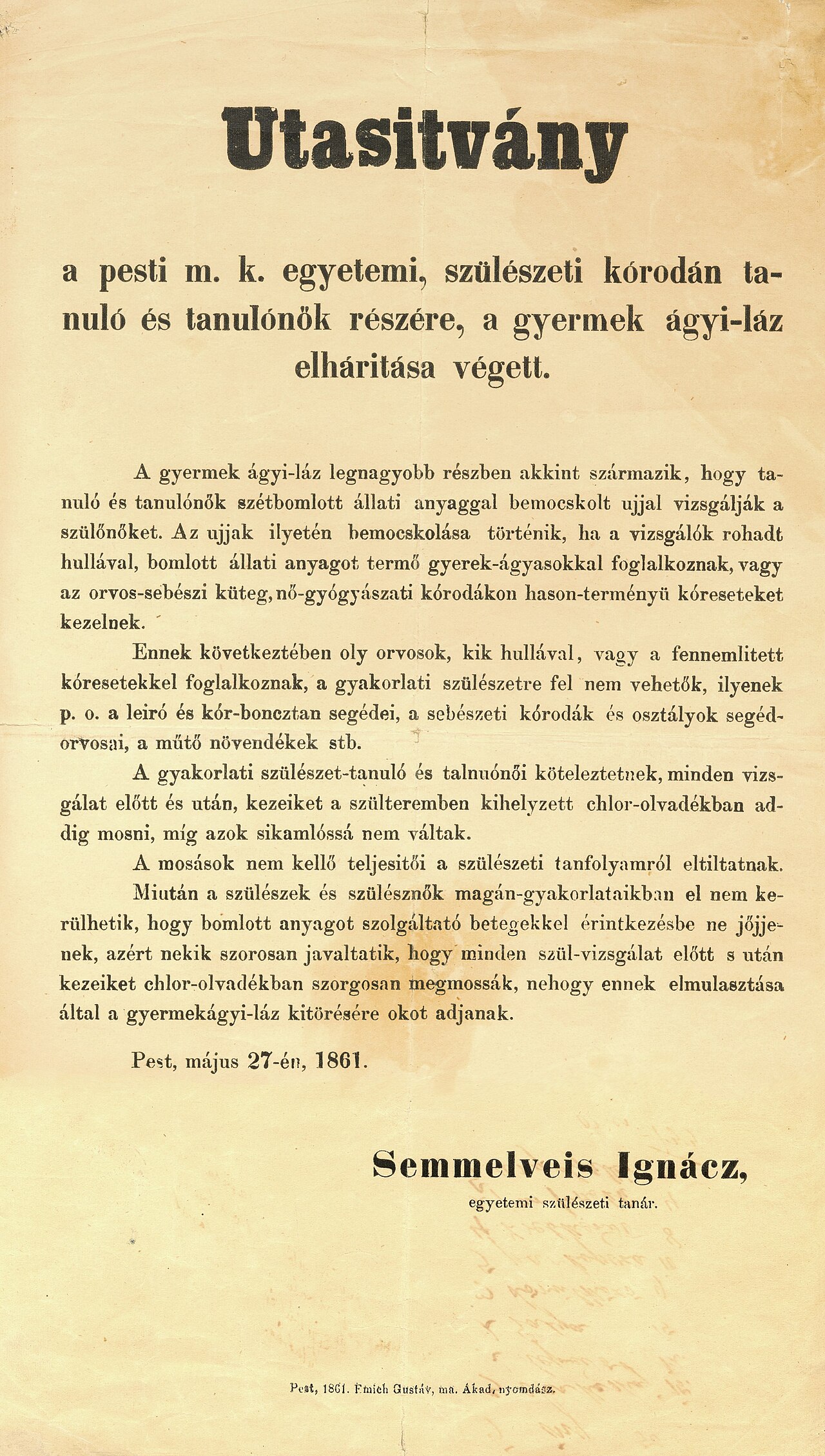
Instructions to Students at the Pest Obstetrics Clinic
Ignaz Semmelweis · 27 May 1861
 Photograph
Primary source
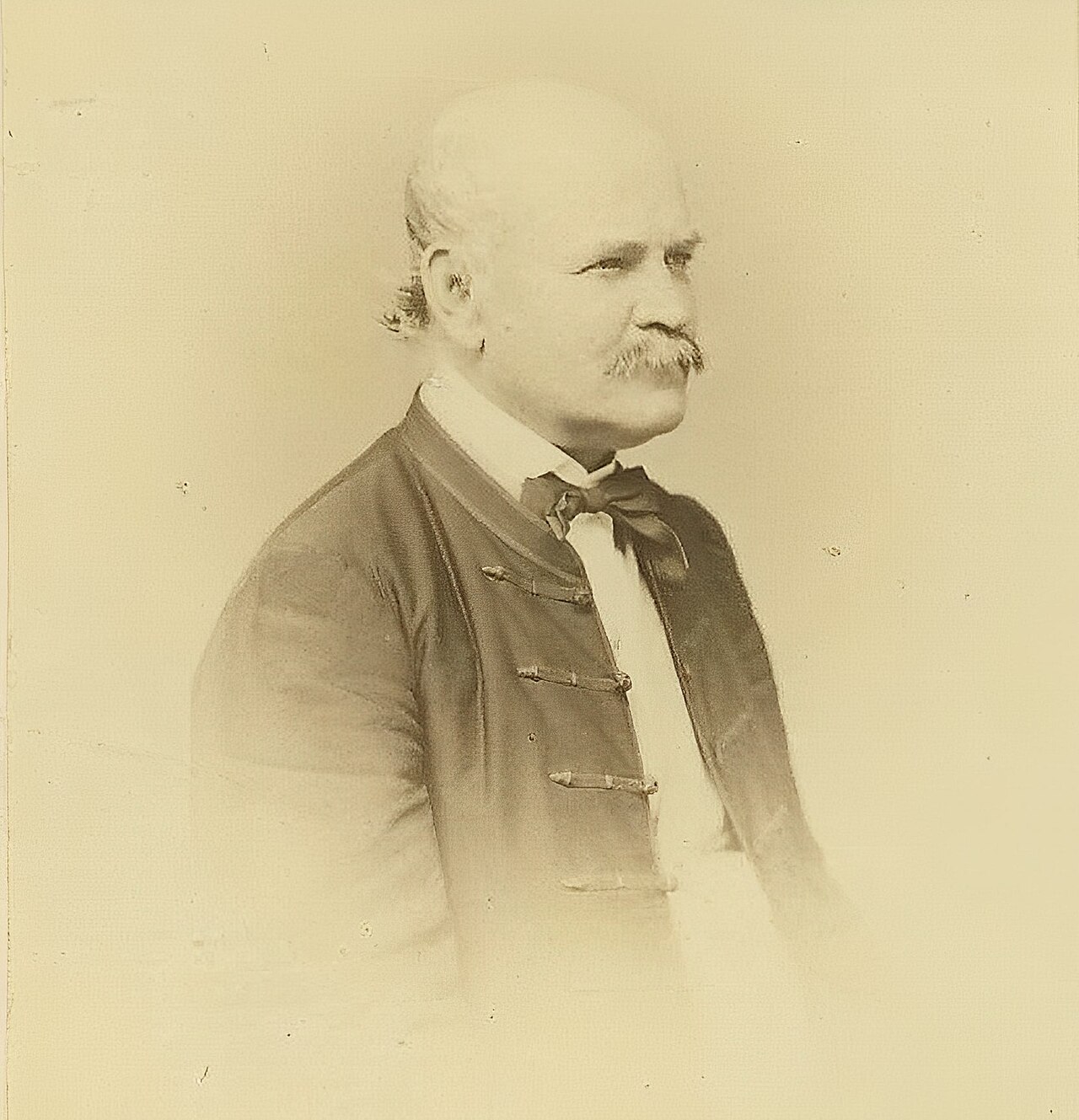
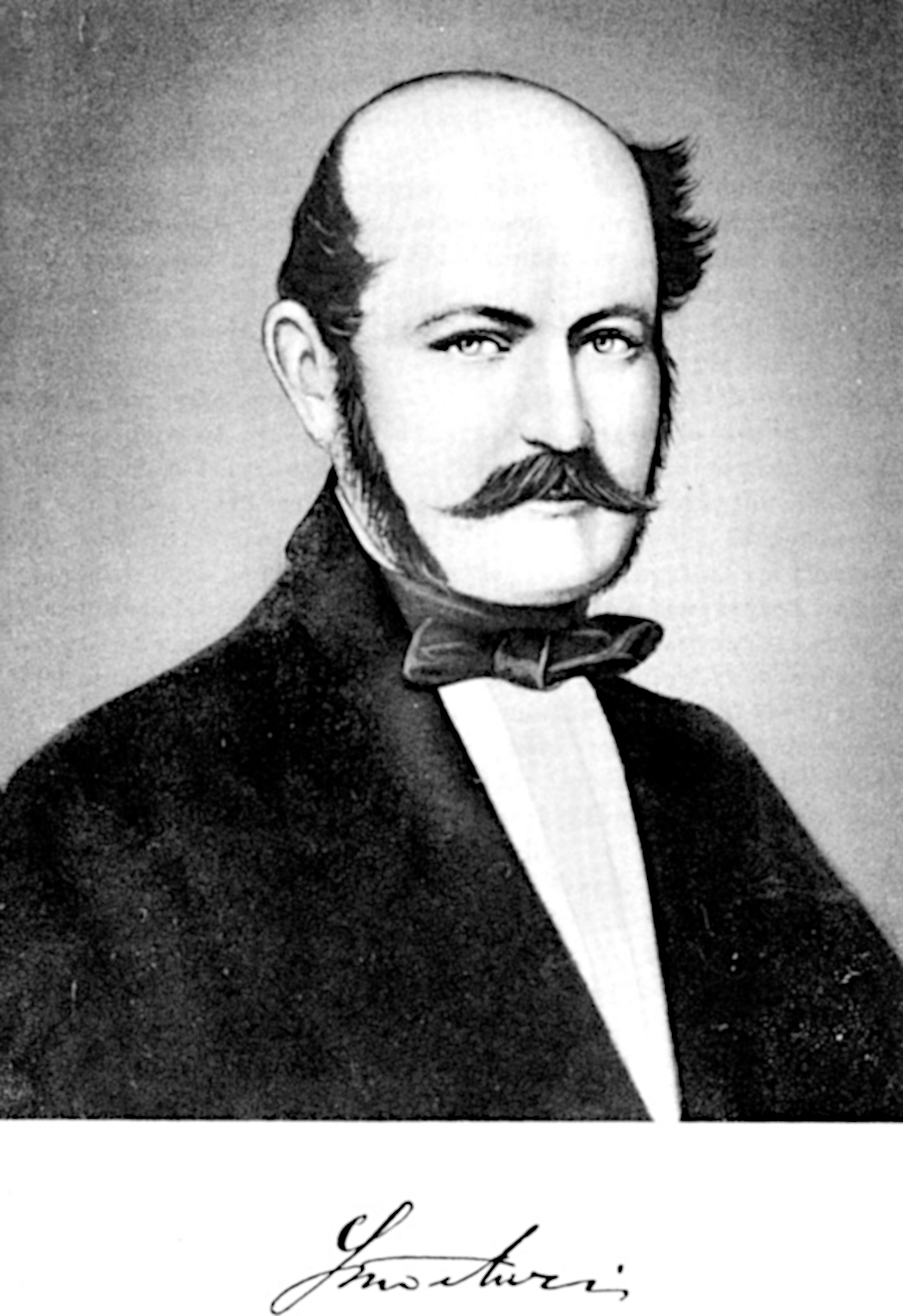
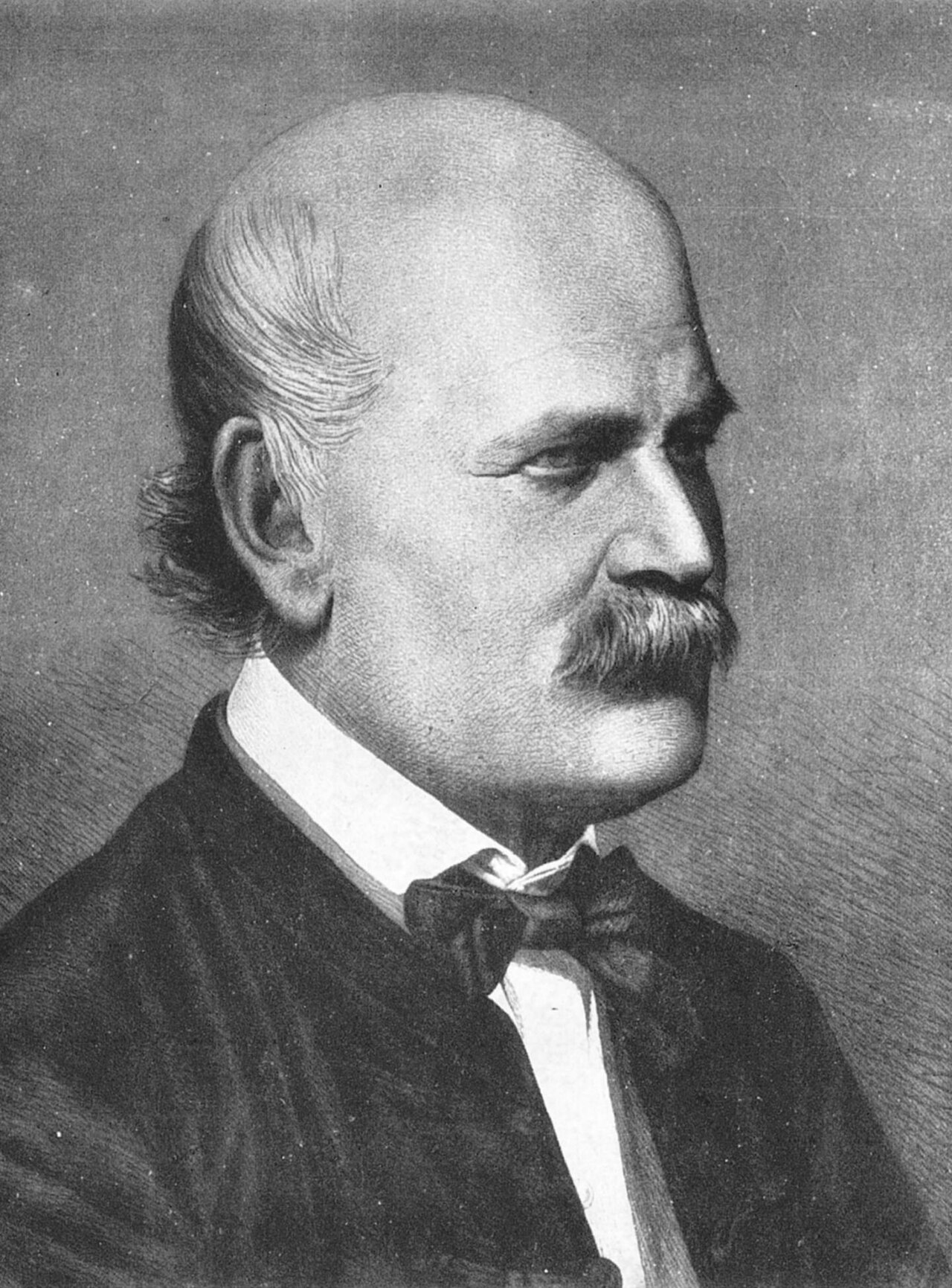
Portrait of Ignaz Semmelweis
Borsos & Doctor · 1860
 Letter
Primary source
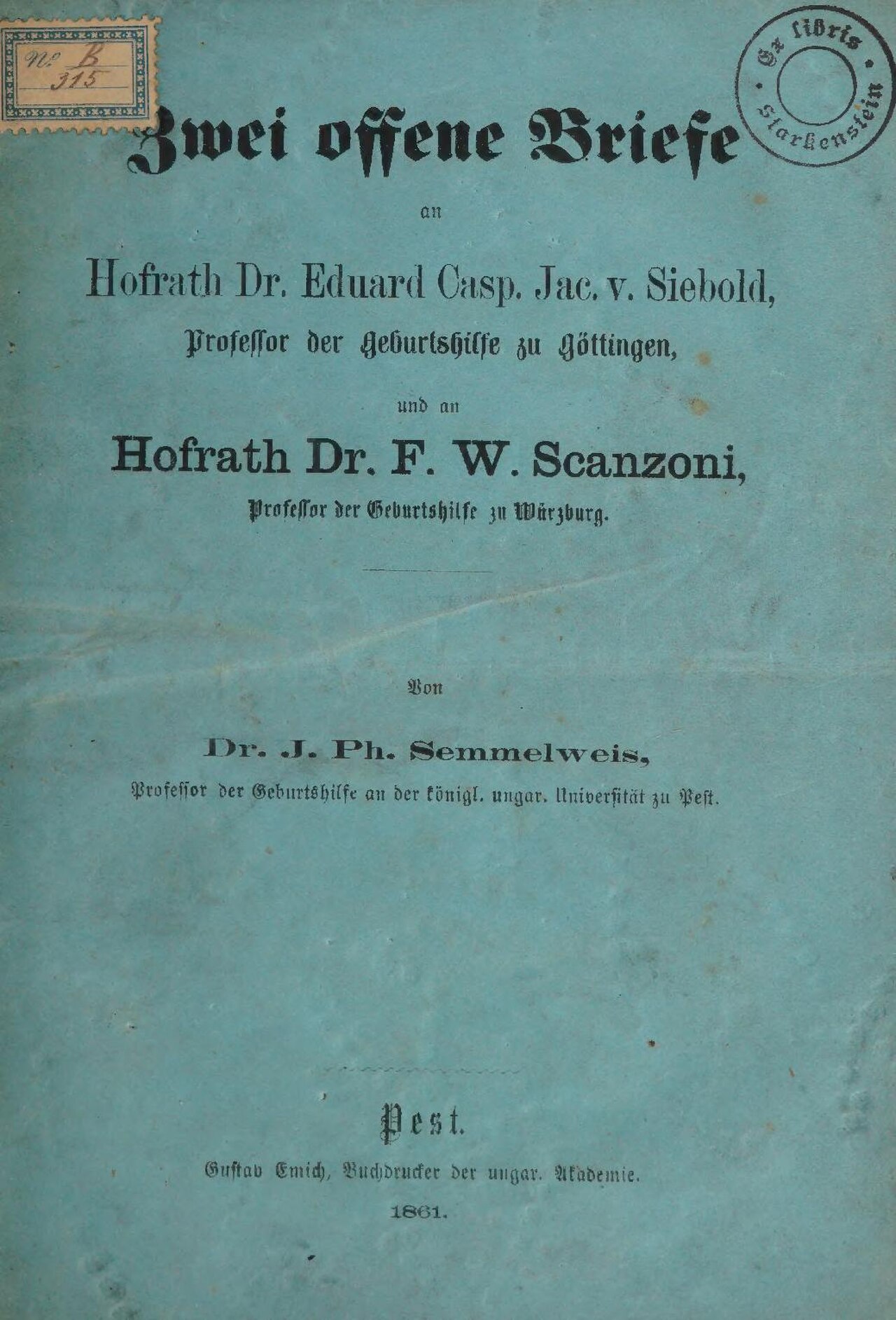
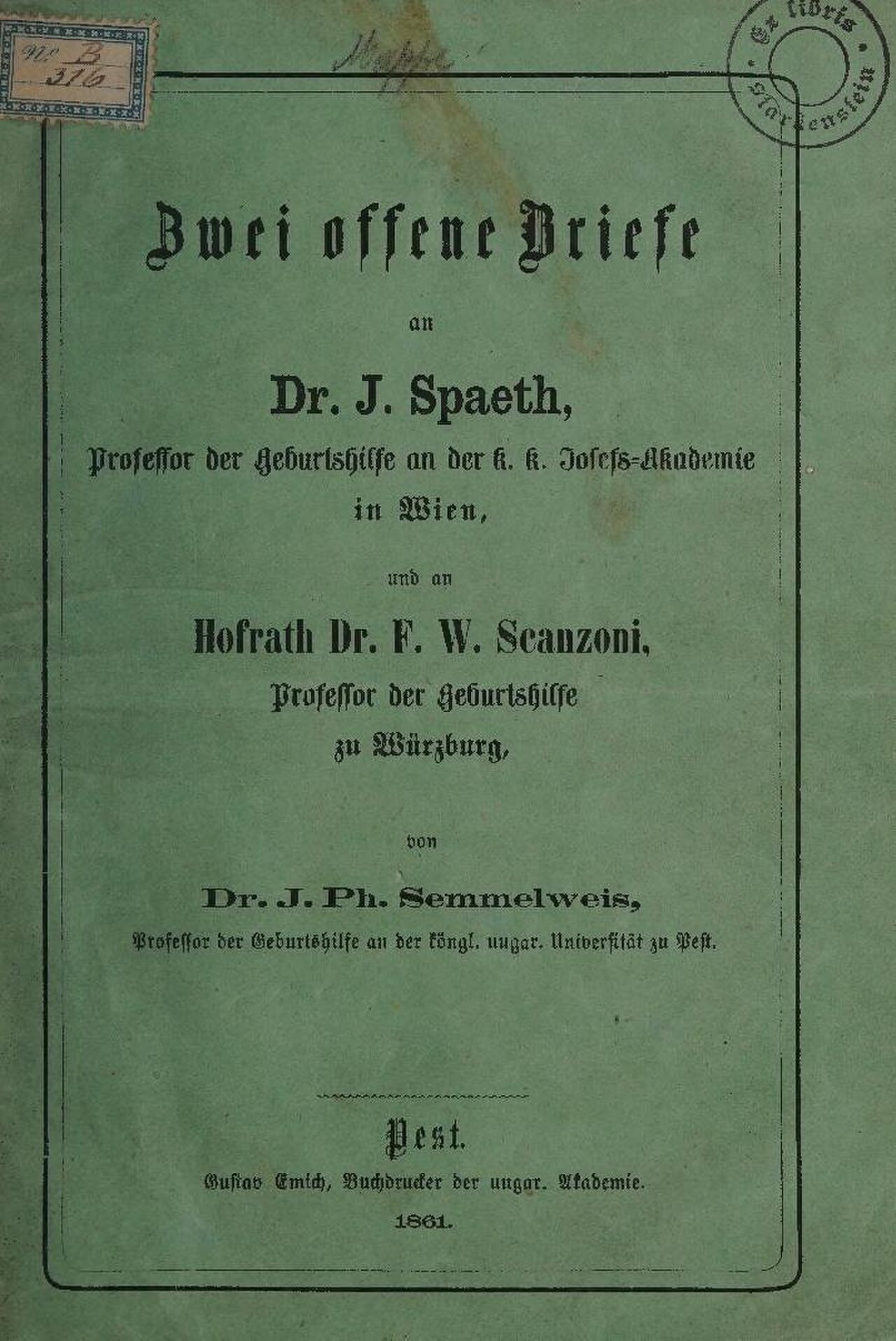
Two Open Letters to Siebold and Scanzoni
Ignaz Philipp Semmelweis · 1861
Free account
Read every Ignaz Semmelweis source
Sign up free →
Ready when you are
Start chatting with Ignaz Semmelweis now.
20 messages free · No credit card · Available in 50+ languages.