


Secondary sourceSculpture1924
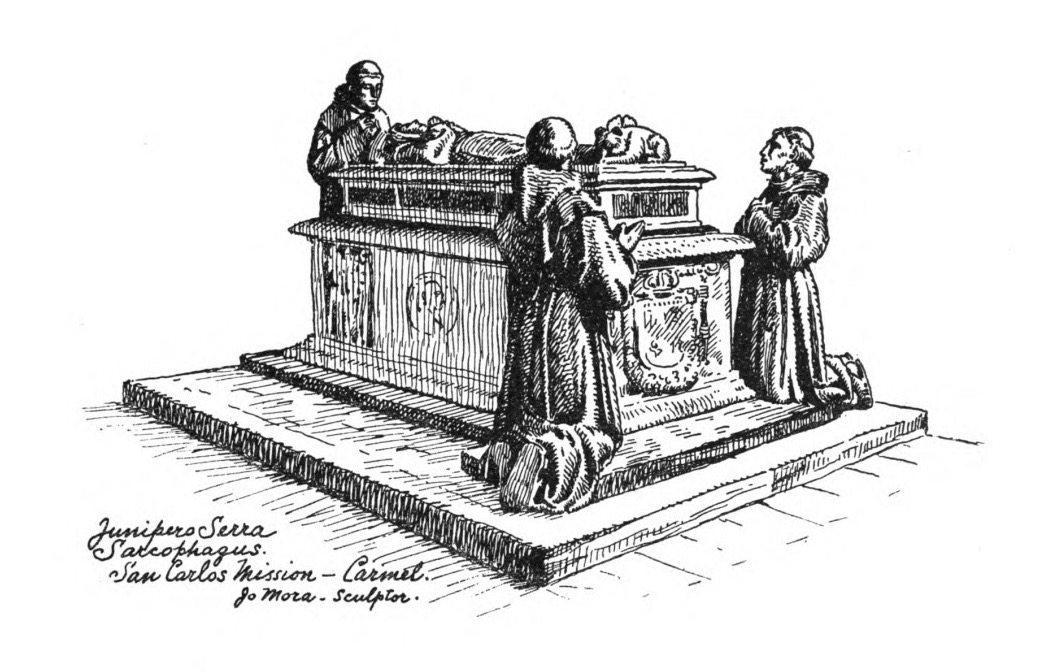
Serra Cenotaph, Carmel Mission
Jo Mora · 1924
A bronze and travertine monument by sculptor Jo Mora, created in 1924 to memorialize Junípero Serra at Mission Carmel.
This elaborate tomb monument shaped the romanticized twentieth-century image of Serra as a saintly mission founder.
About this source
What it is
This cenotaph, made of bronze and travertine, was created by sculptor Jo Mora in 1924 for the Memorial Chapel at the west end of Mission Carmel. It depicts Serra as a recumbent carved figure, flanked by two kneeling friars, in the style of a tomb monument.
Why it matters
The cenotaph belongs to a wave of early twentieth-century monuments that romanticized the California missions and their founders as part of the 'Mission Revival' movement. Made by artist Jo Mora, it shaped how later generations pictured Serra — as a noble, dying figure surrounded by devoted brethren — rather than reflecting any firsthand account of him.
Look closer
- Why might an artist in the 1920s choose to depict Serra lying in repose, like a tomb effigy?
- What feelings is this kind of monument meant to inspire in visitors to the mission?
- How might this image differ from how Serra's contemporaries or the Indigenous people he worked among saw him?
This sculpture is part of the curated material that grounds the AI version of Junípero Serra on Humy.ai — when students ask about related events, the AI can quote it and cite it.
More Junípero Serra sources
Meet the AI Junípero Serra →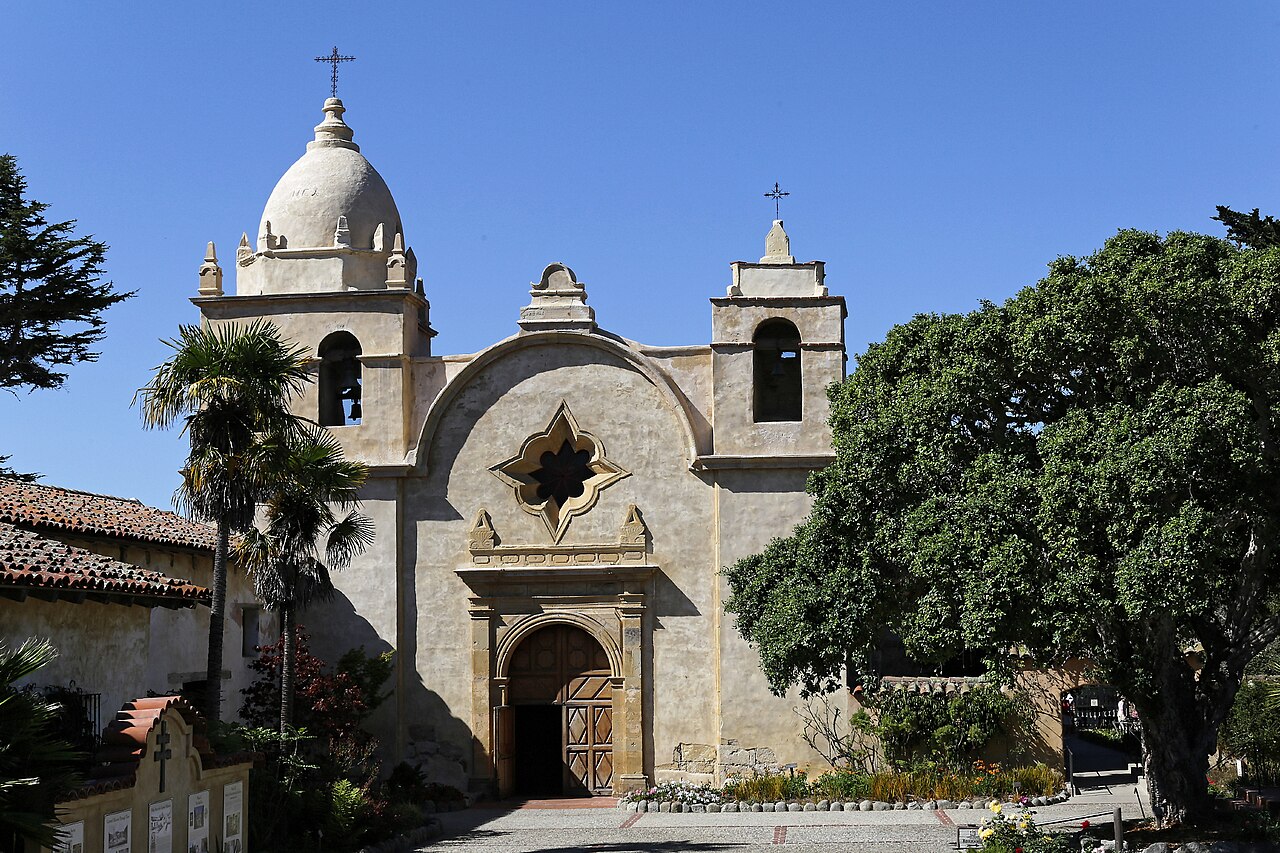 Artifact
Primary source
Mission San Carlos Borromeo de Carmelo
1770
 Book
Primary source
Relación histórica de la vida y apostólicas tareas del venerable padre fray Junípero Serra
Francisco Palóu · 1787
 Painting
Secondary source
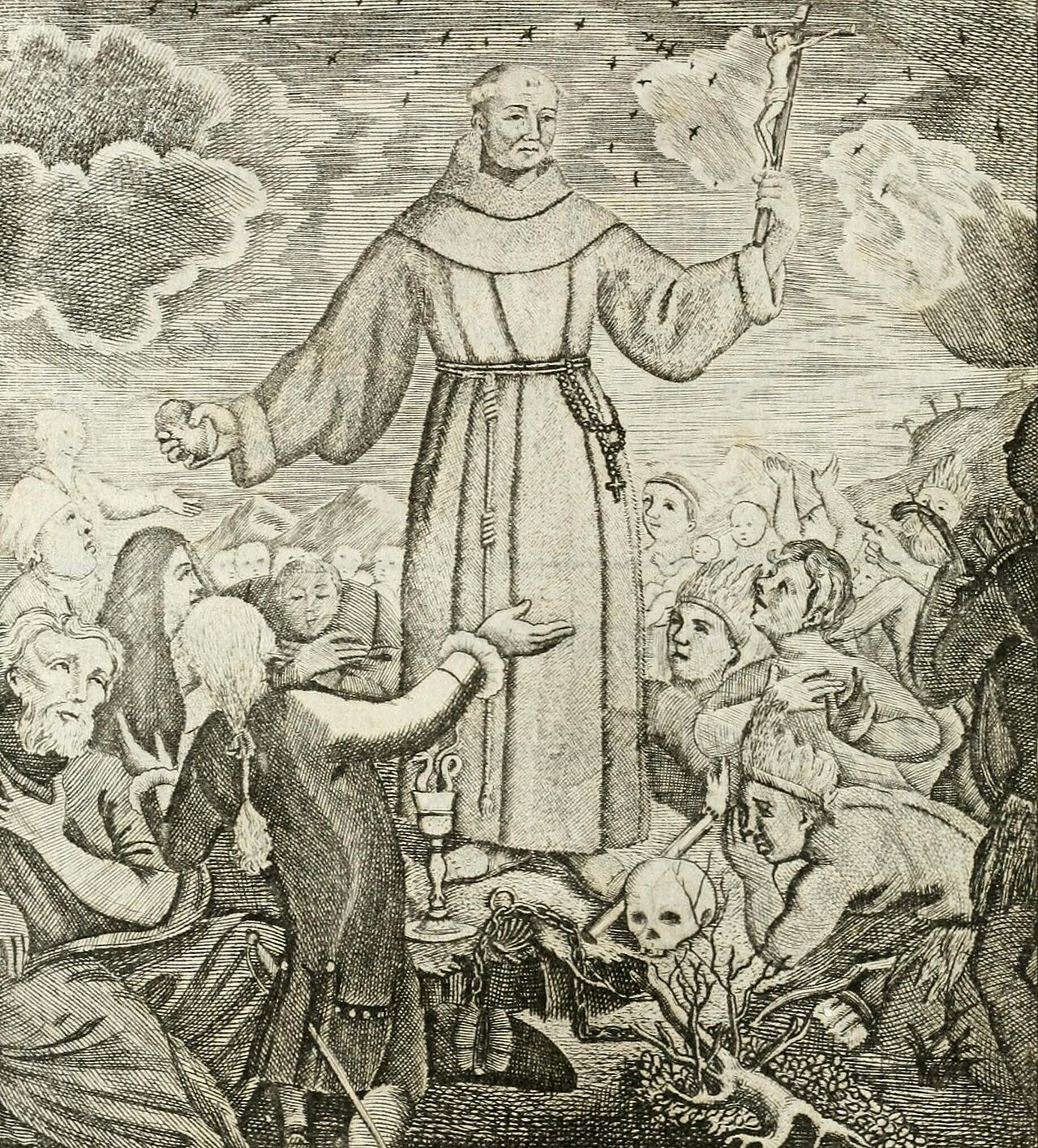
Portrait of Junípero Serra
Anonymous · 1787
 Artifact
Secondary source
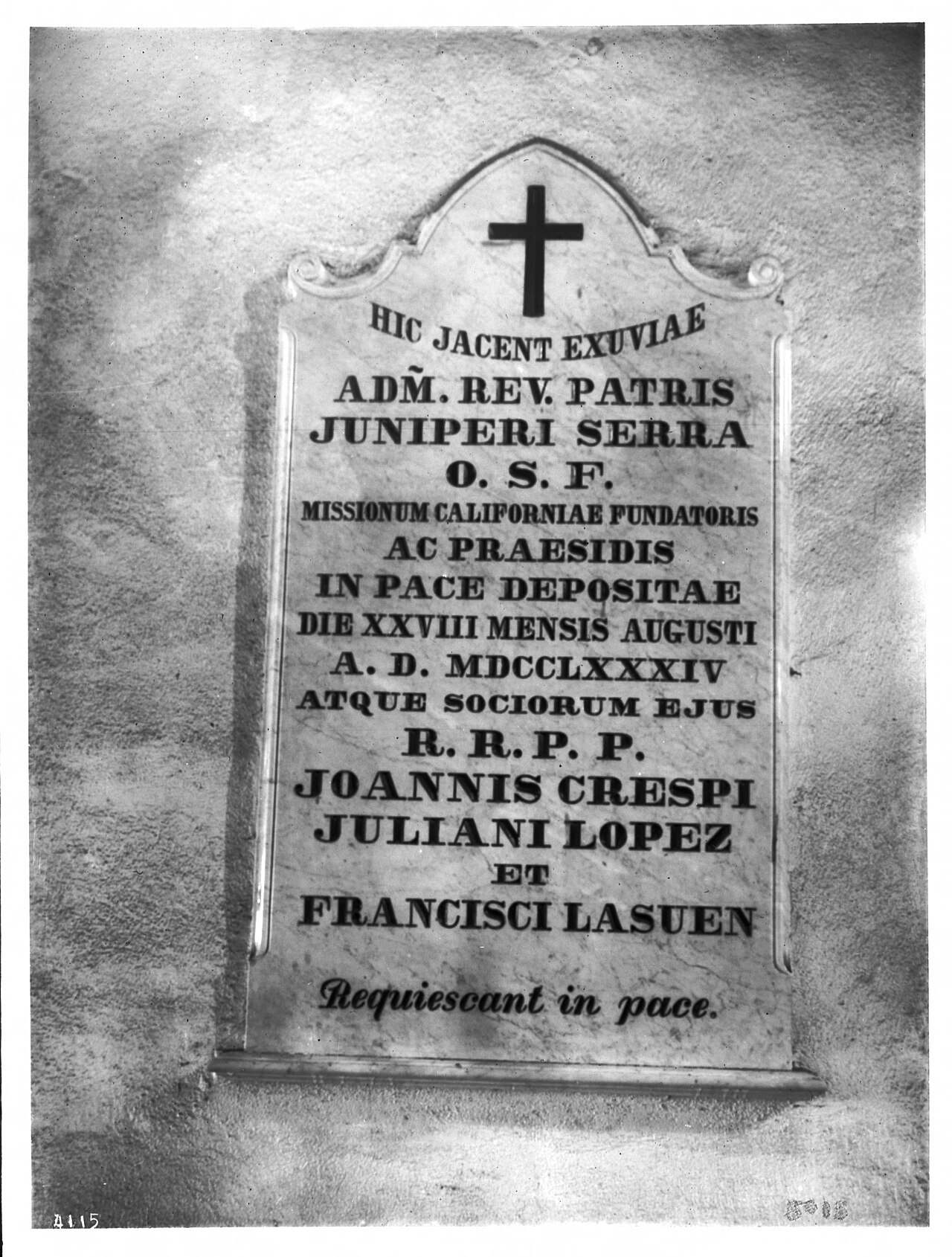
Grave of Junípero Serra
George Wharton James (photographer) · c. 1905 (photograph of tablet)
 Artifact
Secondary source
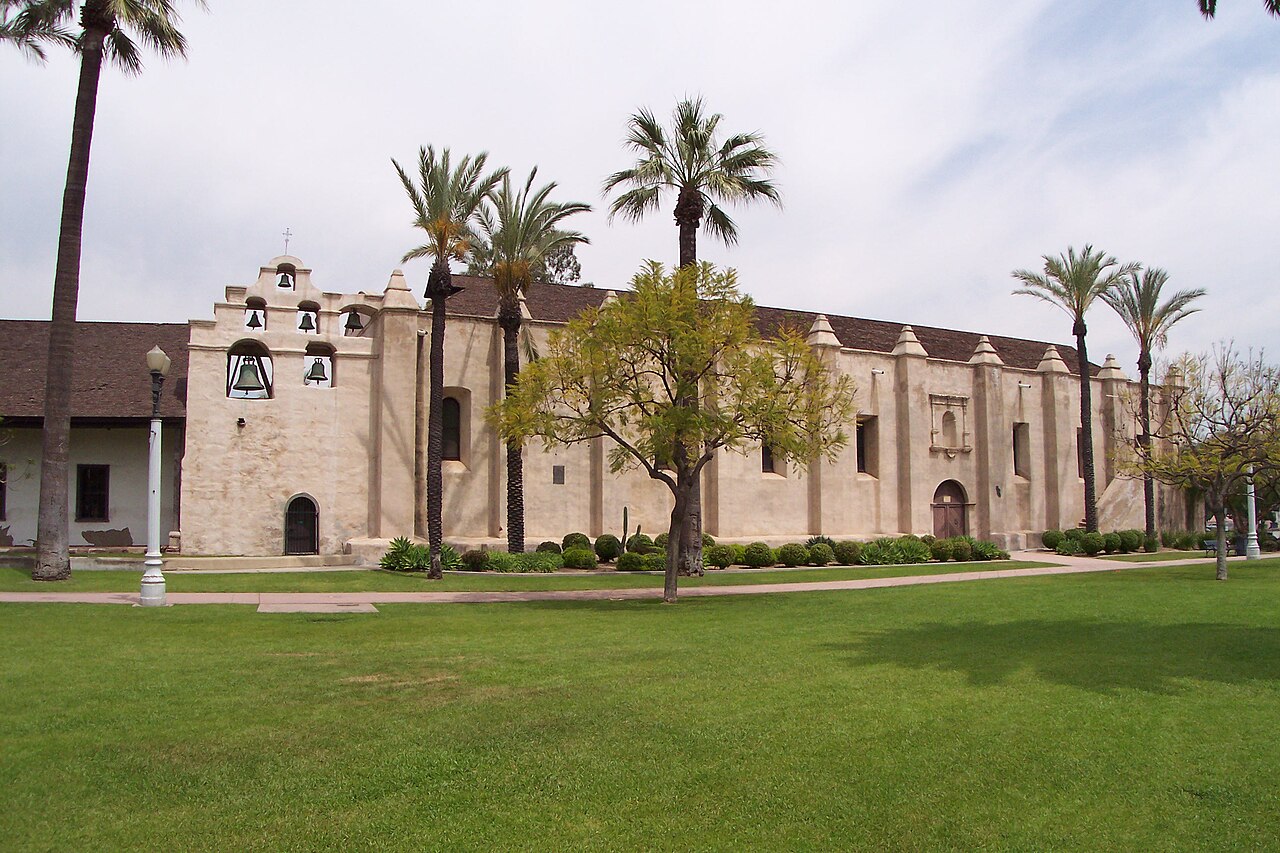
Mission San Gabriel Arcángel
1771
Ready when you are
Start chatting with Junípero Serra now.
20 messages free · No credit card · Available in 50+ languages.