


Primary sourceArtifactc. AD 116-117
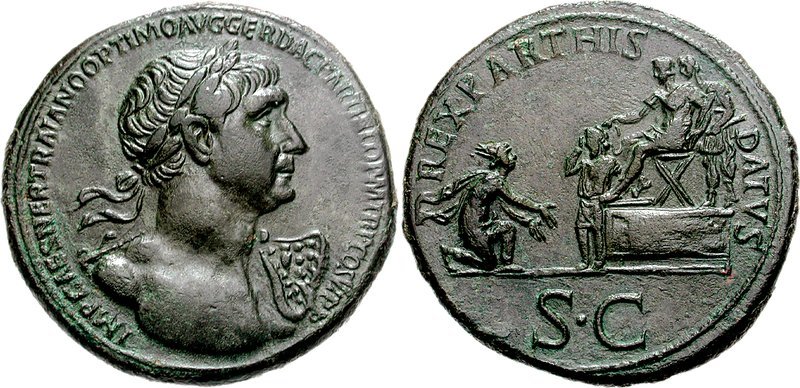
Sestertius of Trajan Presenting Parthamaspates to Parthia
c. AD 116-117
A Roman coin showing Trajan installing Parthamaspates as king of Parthia, part of his eastern policy, AD 116-117.
This coin records Trajan's act of installing a client king in Parthia, a key event of his reign.
About this source
What it is
This bronze sestertius, struck at Rome around AD 116-117, shows Trajan's laureate bust wearing an aegis on one side. The reverse shows Trajan seated on a raised platform presenting a kneeling figure, representing Parthia, with an attendant standing behind him. The legend reads 'a king given to the Parthians.'
Why it matters
After his campaigns in the east, Trajan tried to settle the Parthian question by installing Parthamaspates as a client king loyal to Rome rather than annexing Parthia outright. This coin presents that act as a triumph of Roman power, showing how the emperor's government used coinage to frame diplomatic and military decisions as personal achievements of the ruler.
Look closer
- Why might Trajan choose to show himself 'giving' a king rather than conquering a country?
- What does the kneeling pose of the Parthian figure suggest about how Rome wanted to present this relationship?
- What questions would you want answered that this coin alone cannot tell you?
This artifact is part of the curated material that grounds the AI version of Trajan on Humy.ai — when students ask about related events, the AI can quote it and cite it.
More Trajan sources
Meet the AI Trajan →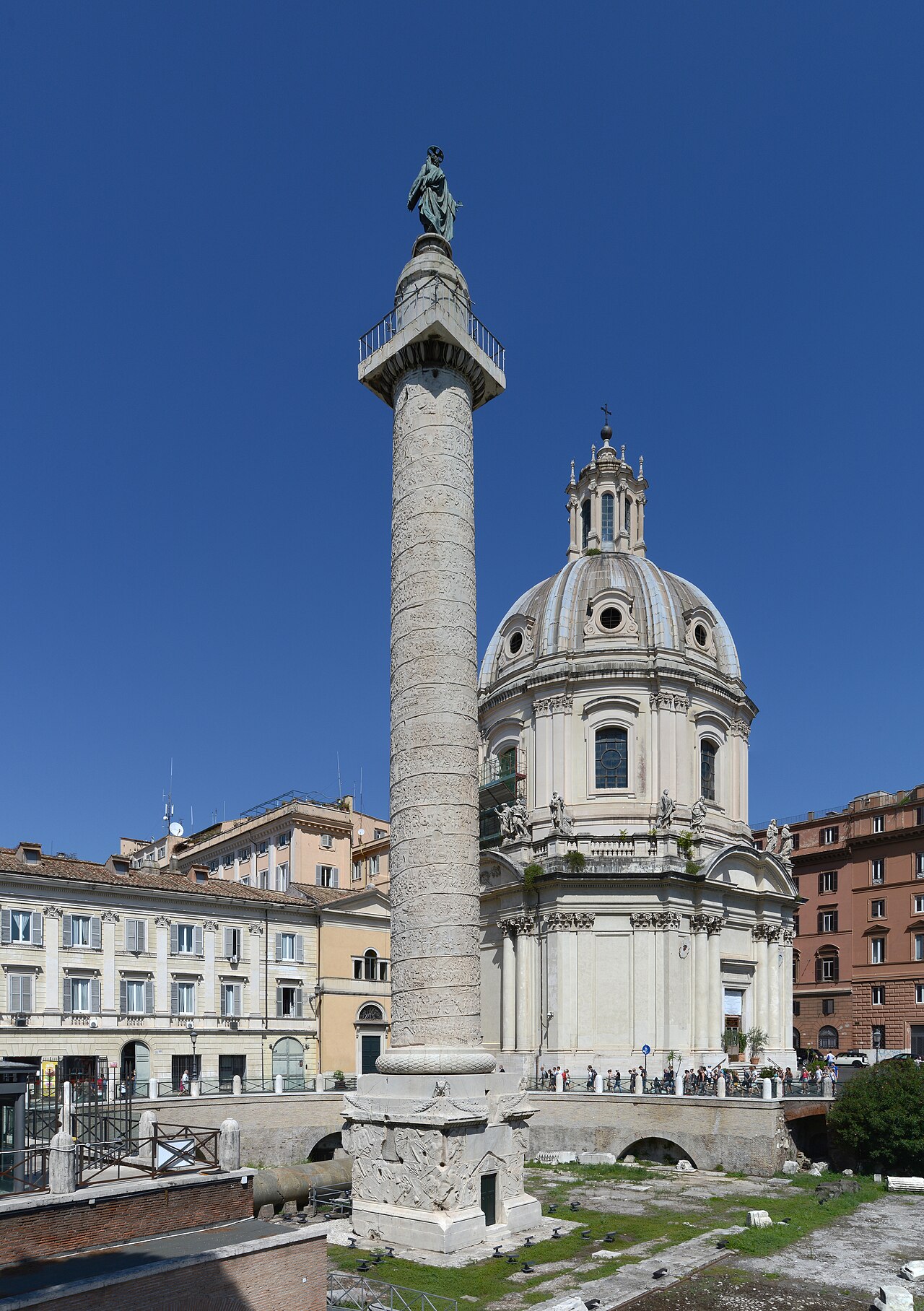 Sculpture
Primary source
Trajan's Column
Apollodorus of Damascus · 113 AD
 Artifact
Primary source
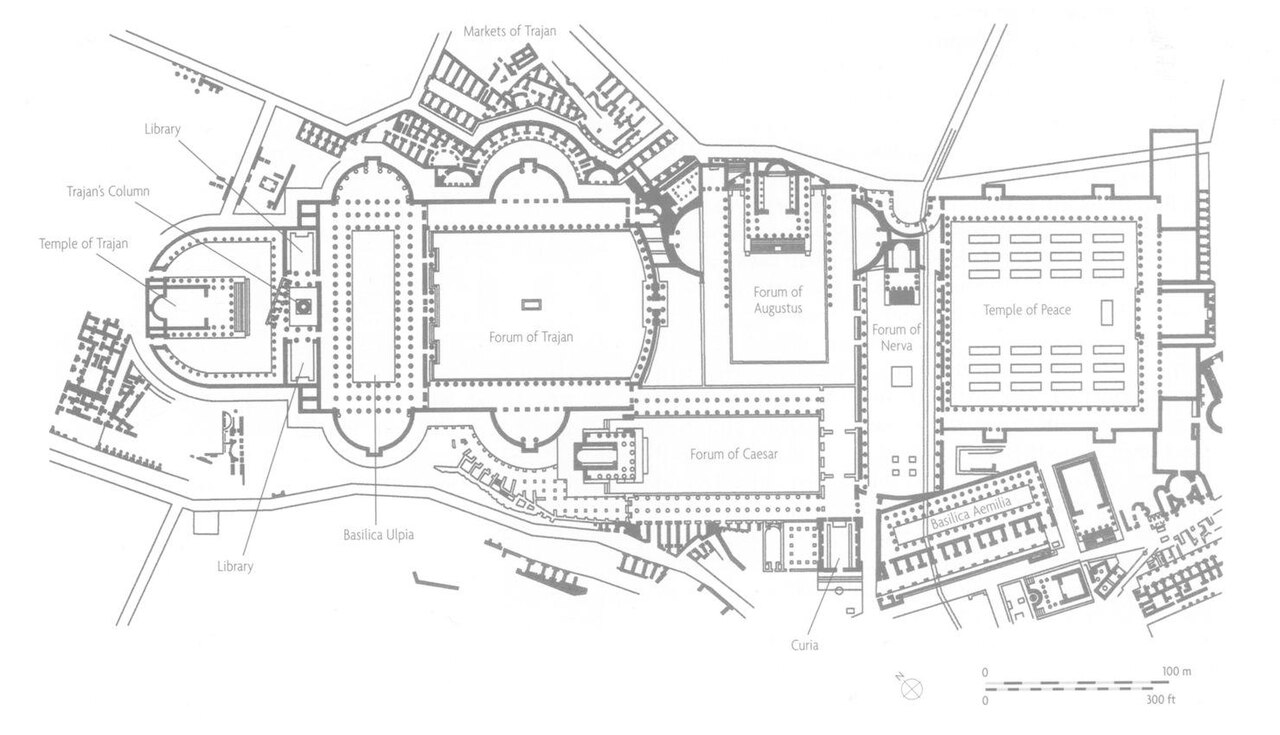
Trajan's Forum
Apollodorus of Damascus · c. 100-113 AD
 Speech
Primary source
Panegyricus
Pliny the Younger · c. 100 AD
 Artifact
Secondary source
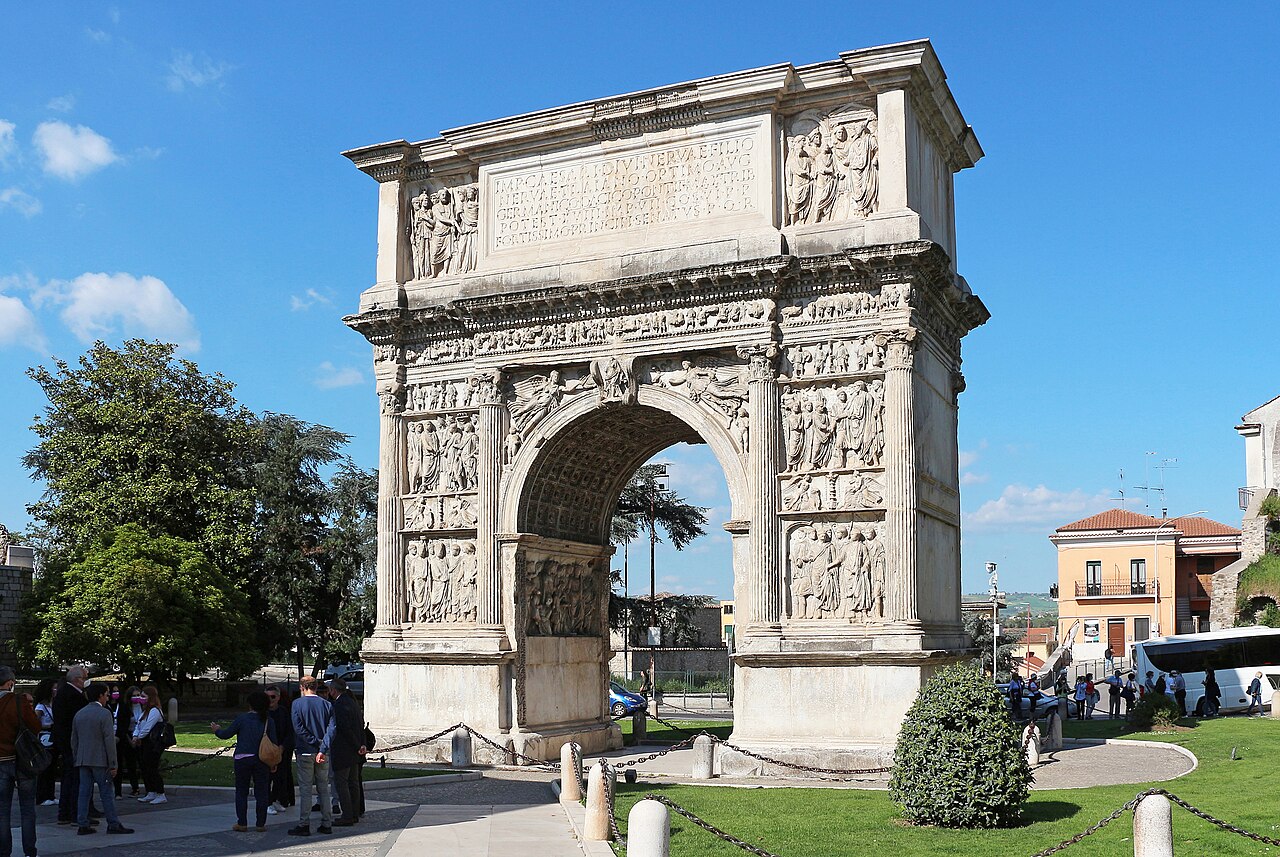
Arch of Trajan at Benevento
114-117 AD
 Sculpture
Primary source
Portrait of Trajan
Ready when you are
Start chatting with Trajan now.
20 messages free · No credit card · Available in 50+ languages.