


Primary sourceArtifact128-132
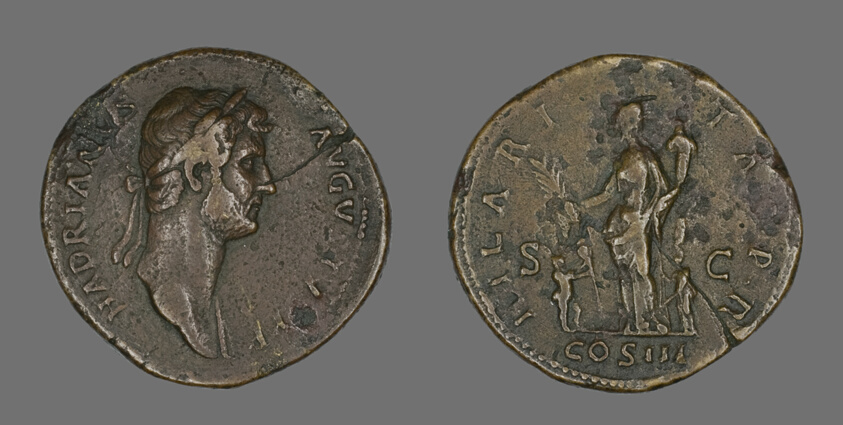
Sestertius Portraying Emperor Hadrian
128-132
A bronze Roman coin minted in Rome showing Hadrian's portrait and the figure of Hilaritas, used to study imperial coinage and propaganda.
This bronze coin carries Hadrian's official portrait and was struck during his reign as part of imperial messaging.
About this source
What it is
This is a bronze sestertius minted in Rome between 128 and 132 CE, during Hadrian's reign. One side shows his laureate portrait with the inscription HADRIANVS AVGVSTVS. The other shows the figure of Hilaritas, a personification of joy, holding a palm branch and cornucopia, along with letters marking the coin's authority and Hadrian's consulships. It is held by the Art Institute of Chicago.
Why it matters
Roman coins were an everyday object that carried an emperor's image and chosen messages to every corner of the empire. This sestertius shows how Hadrian's government used imagery of cheerfulness and abundance to present his rule in a positive light, giving historians a primary window into imperial propaganda.
Look closer
- Why might an emperor choose to put a figure representing "joy" on his coins?
- What does the large size of a sestertius, compared to a smaller silver coin, suggest about its use?
- What is missing from this coin that a letter or statue might tell us about Hadrian instead?
This artifact is part of the curated material that grounds the AI version of Hadrian on Humy.ai — when students ask about related events, the AI can quote it and cite it.
More Hadrian sources
Browse all 96 → Artifact
Primary source
Hadrian's Wall
Hadrian · begun AD 122
 Artifact
Primary source
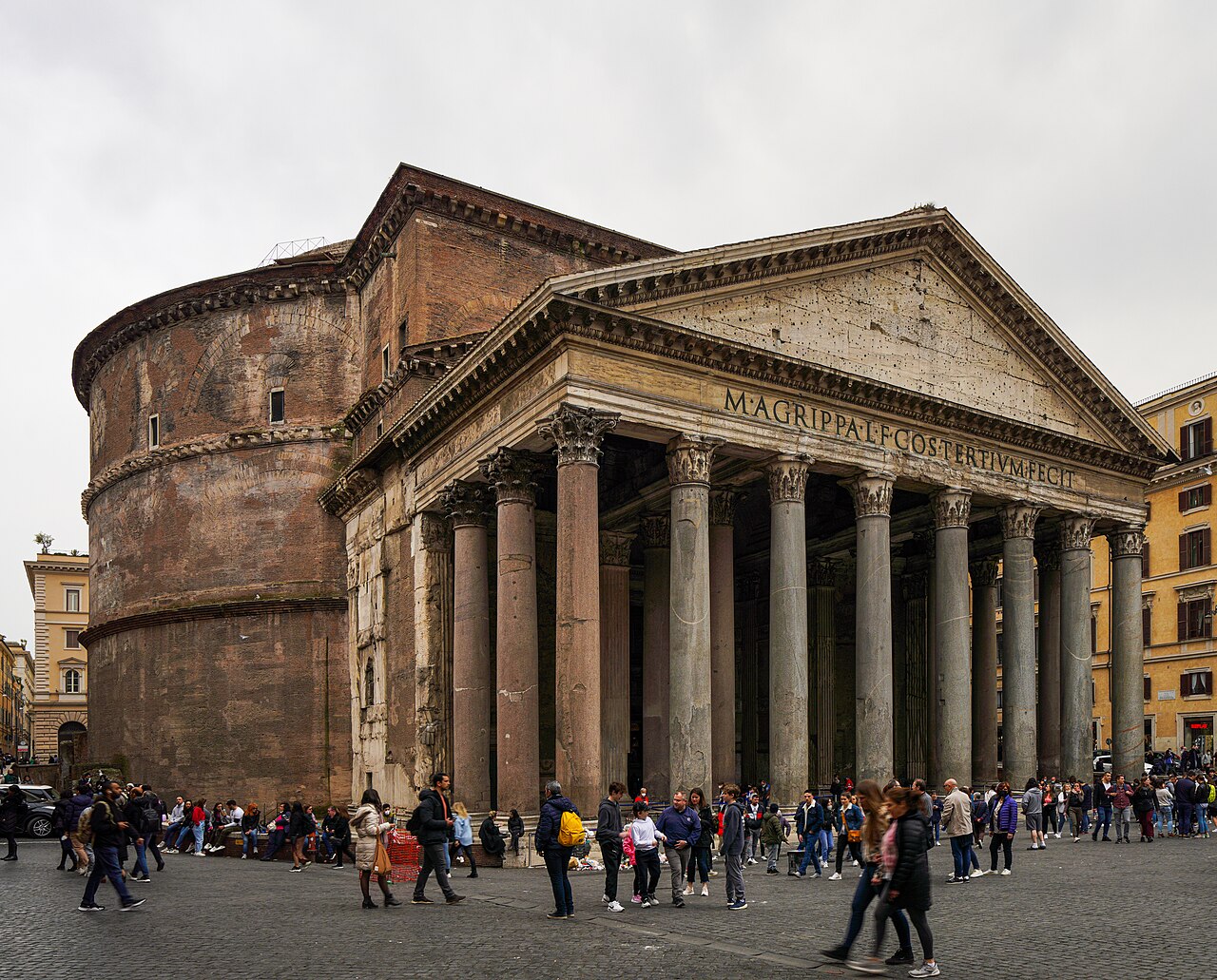
Pantheon
Hadrian · c. AD 126-128
Secondary source
Hadrian
Scriptores Historiae Augustae · late 4th century AD
 Artifact
Primary source
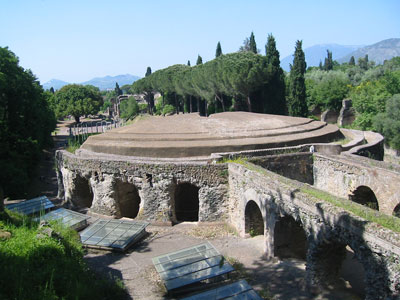
Hadrian's Villa
Hadrian · begun c. AD 120
Free account
Read every Hadrian source
Sign up free →
Ready when you are
Start chatting with Hadrian now.
20 messages free · No credit card · Available in 50+ languages.