


Secondary sourcePainting1765
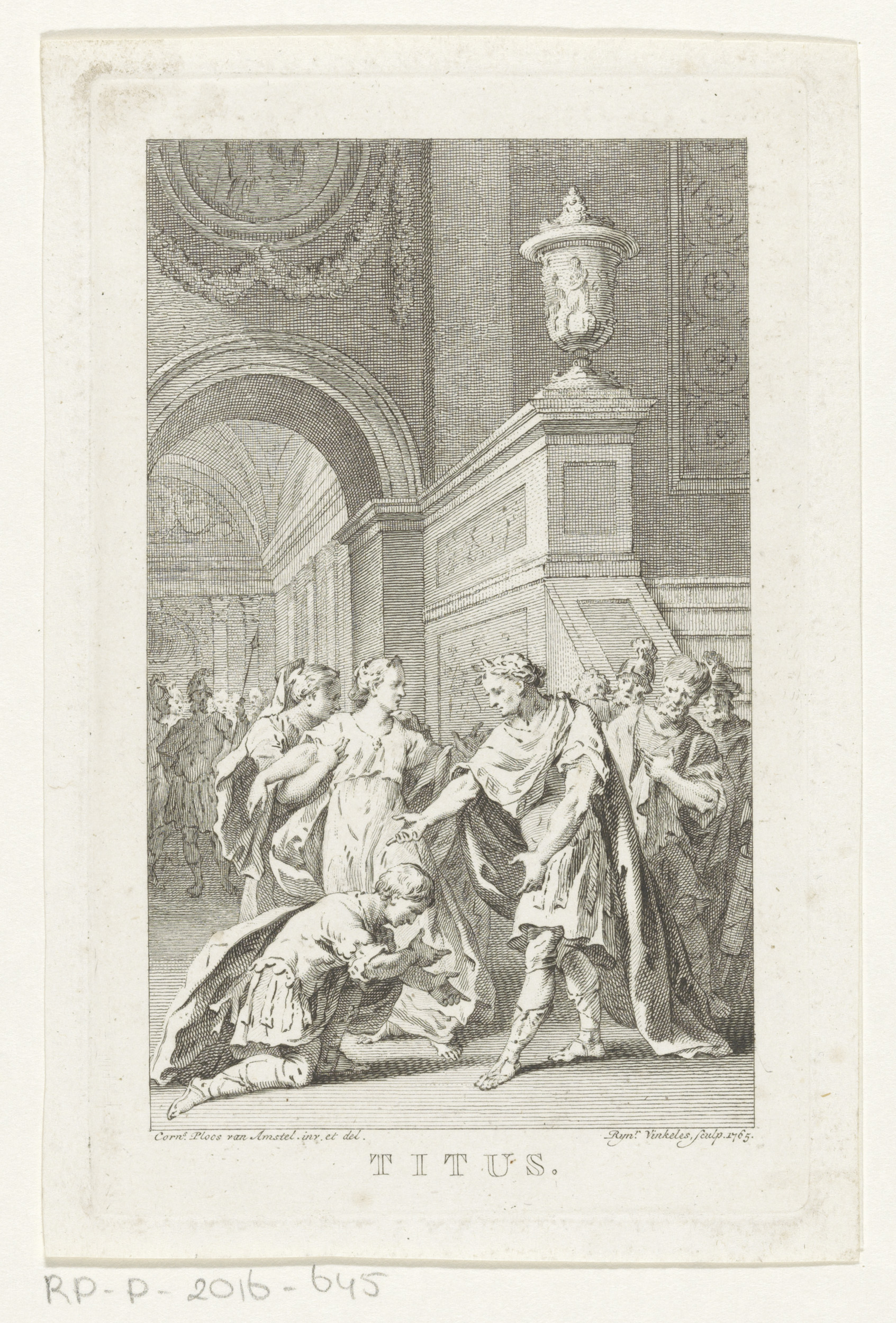
Sextus Kneels Before Emperor Titus
Cornelis Ploos van Amstel and Reinier Vinkeles · 1765
A 1765 engraving depicting a legendary scene of Titus showing mercy, kneeling Sextus before him after an act of betrayal.
This later engraving depicts Titus in the legendary act of showing clemency, shaping his reputation as a merciful ruler.
About this source
What it is
This engraving, signed by Cornelis Ploos van Amstel and Reinier Vinkeles in 1765, shows a scene in which Titus pardons a kneeling man named Sextus. In the background a woman named Vitellia falls into the arms of another woman, Tullia. It is held by the Rijksmuseum.
Why it matters
This artwork illustrates the legendary 'Clemency of Titus,' a story used to celebrate the emperor's reputation for mercy and forgiveness, even toward those who had wronged him. The scene was a popular subject in later art and opera, showing how Titus became a symbol of ideal, merciful rulership centuries after his death.
Look closer
- What gestures and expressions in the image suggest mercy or forgiveness?
- Why might 18th-century artists have been drawn to stories about ancient emperors showing clemency?
- What parts of the story might this single image leave out?
This painting is part of the curated material that grounds the AI version of Titus on Humy.ai — when students ask about related events, the AI can quote it and cite it.
More Titus sources
Browse all 98 →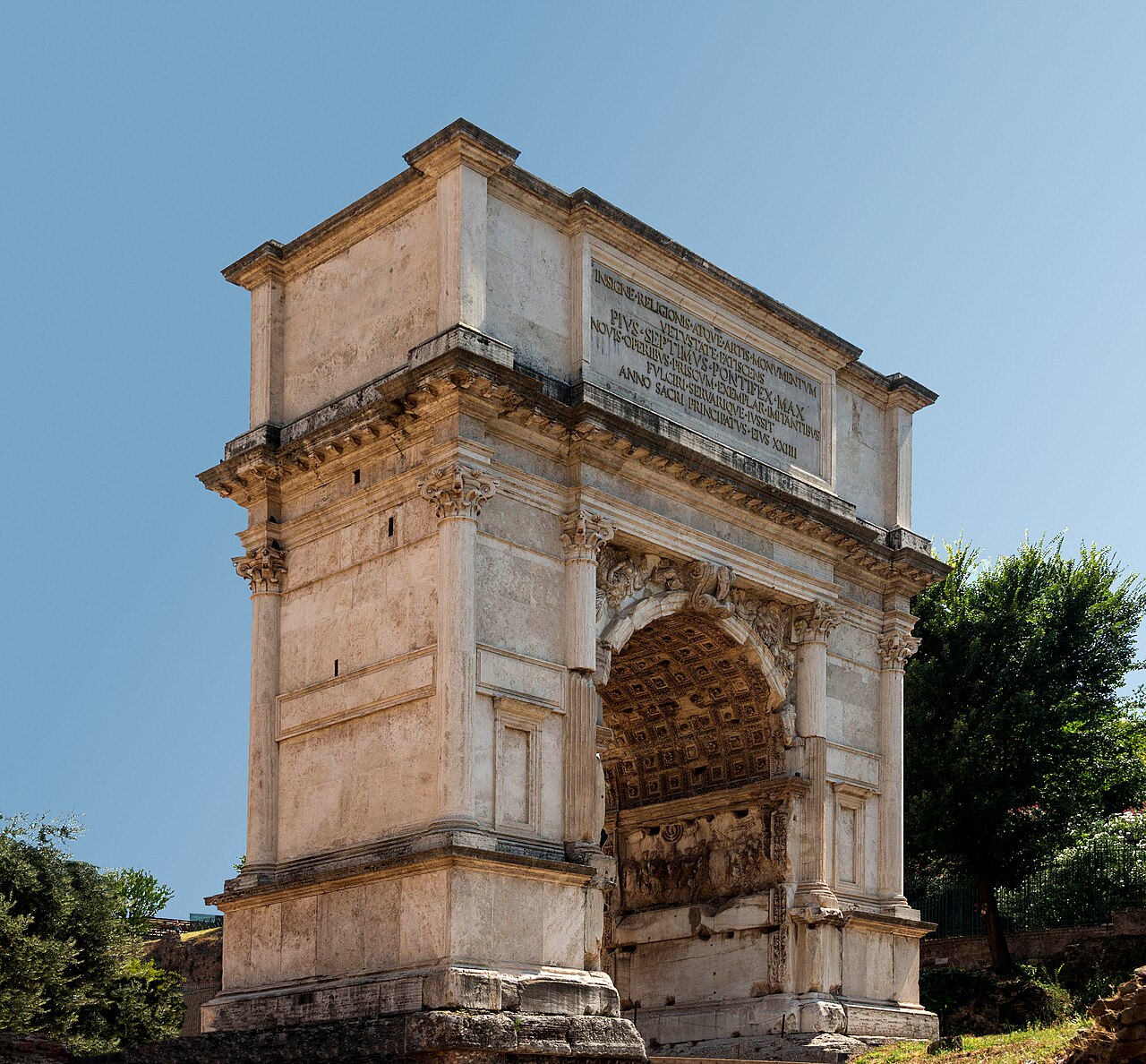 Artifact
Primary source
Arch of Titus
Rabirius · c. 81–82 AD
 Sculpture
Secondary source
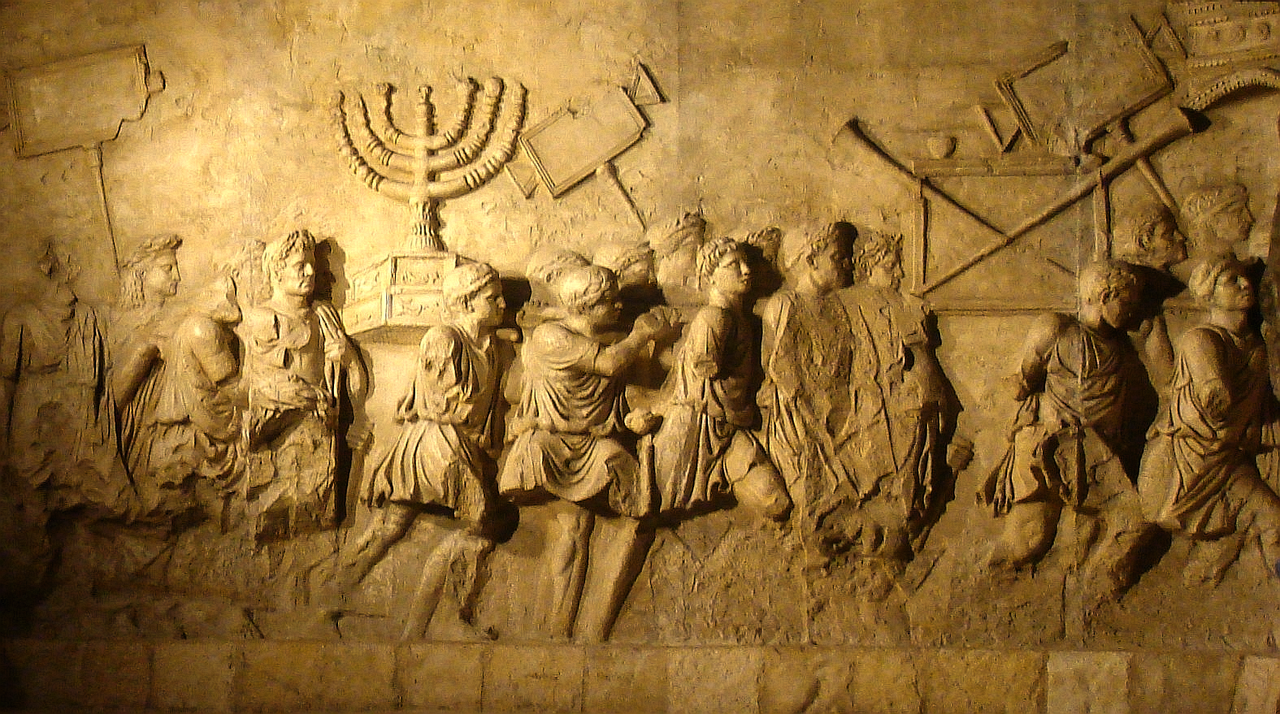
Spoils of Jerusalem Relief (Menorah Panel)
Roman sculptors under Domitian · c. 81–82 AD
 Book
Secondary source
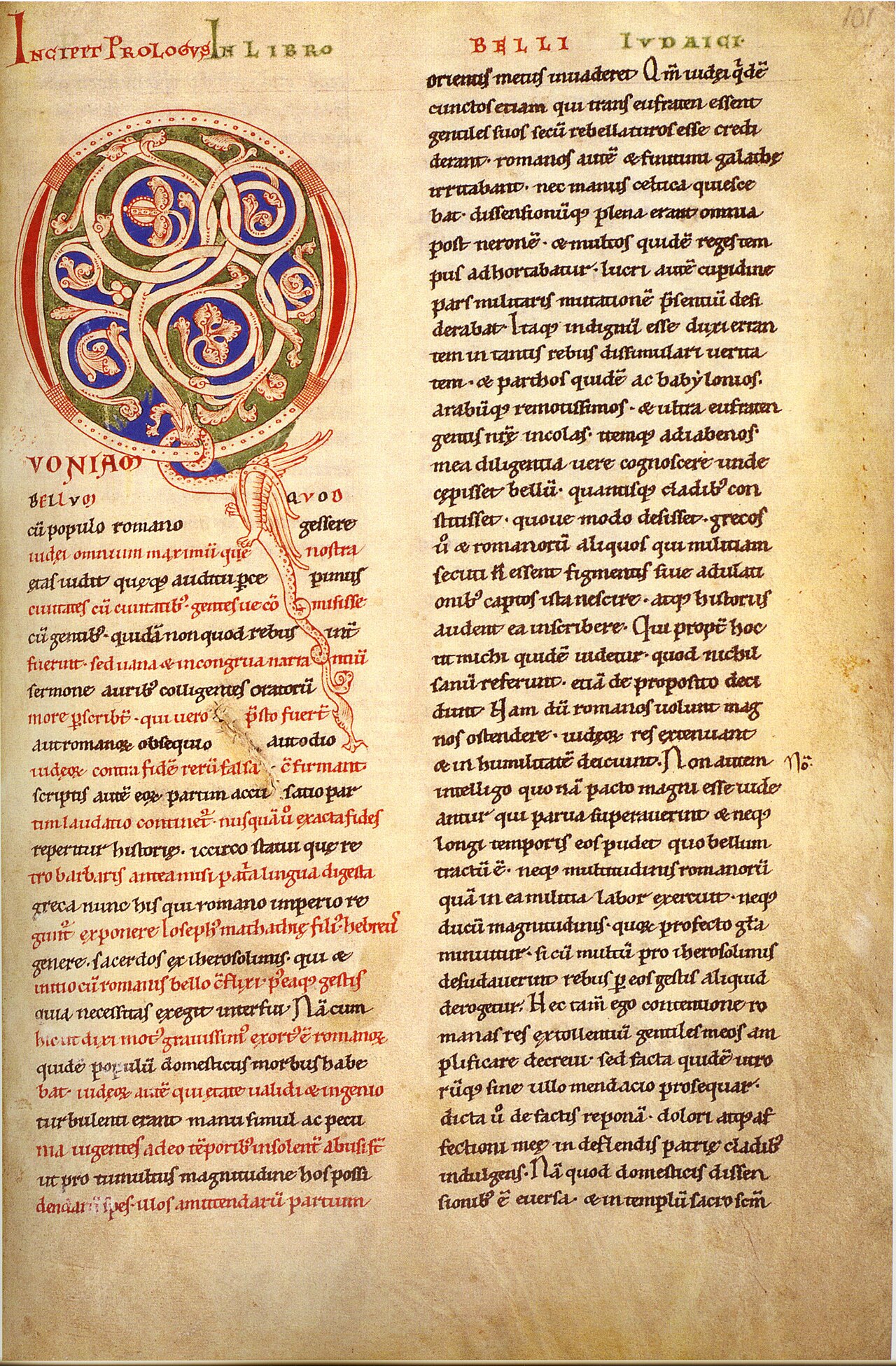
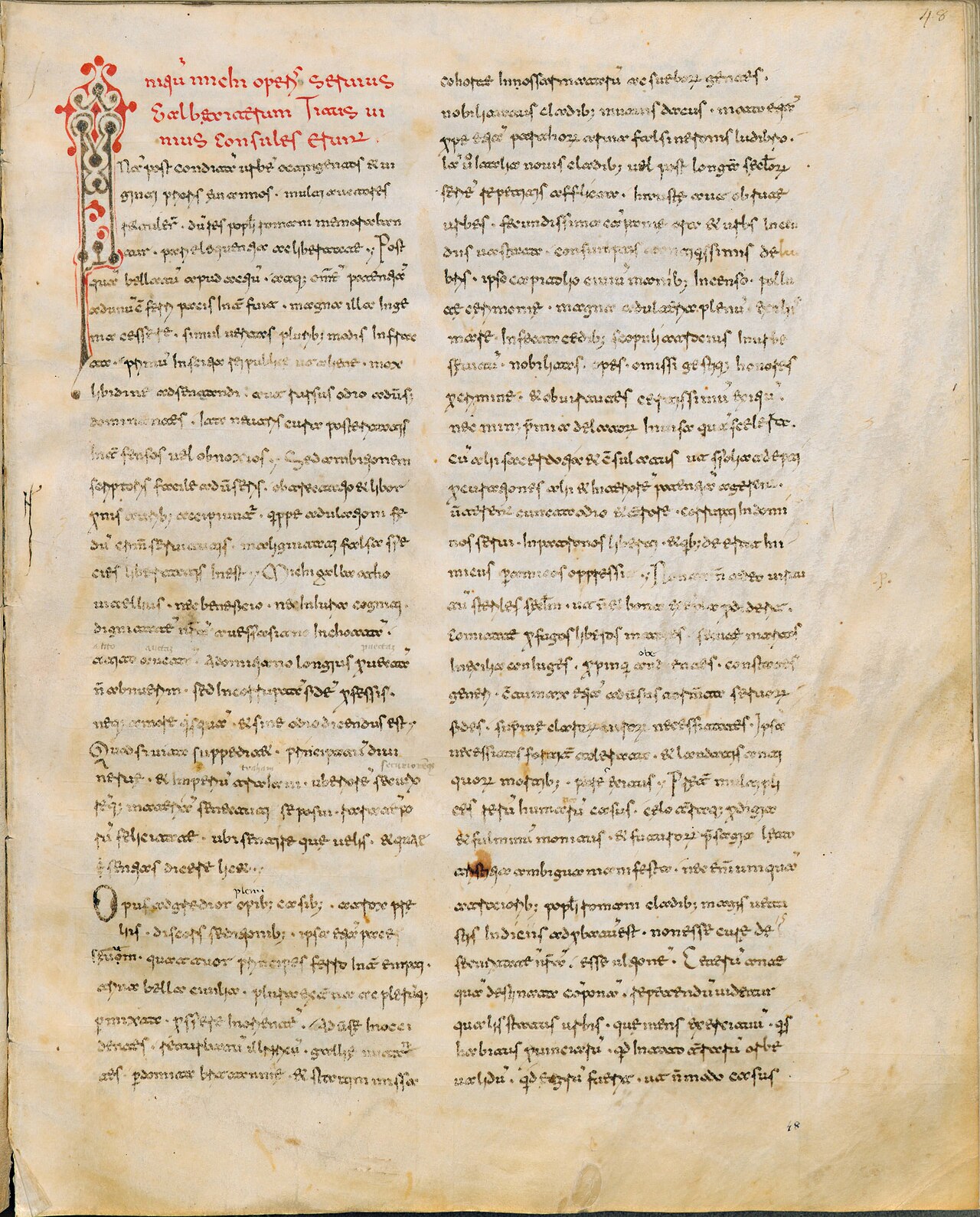
The Jewish War
Josephus · c. AD 75
 Artifact
Primary source
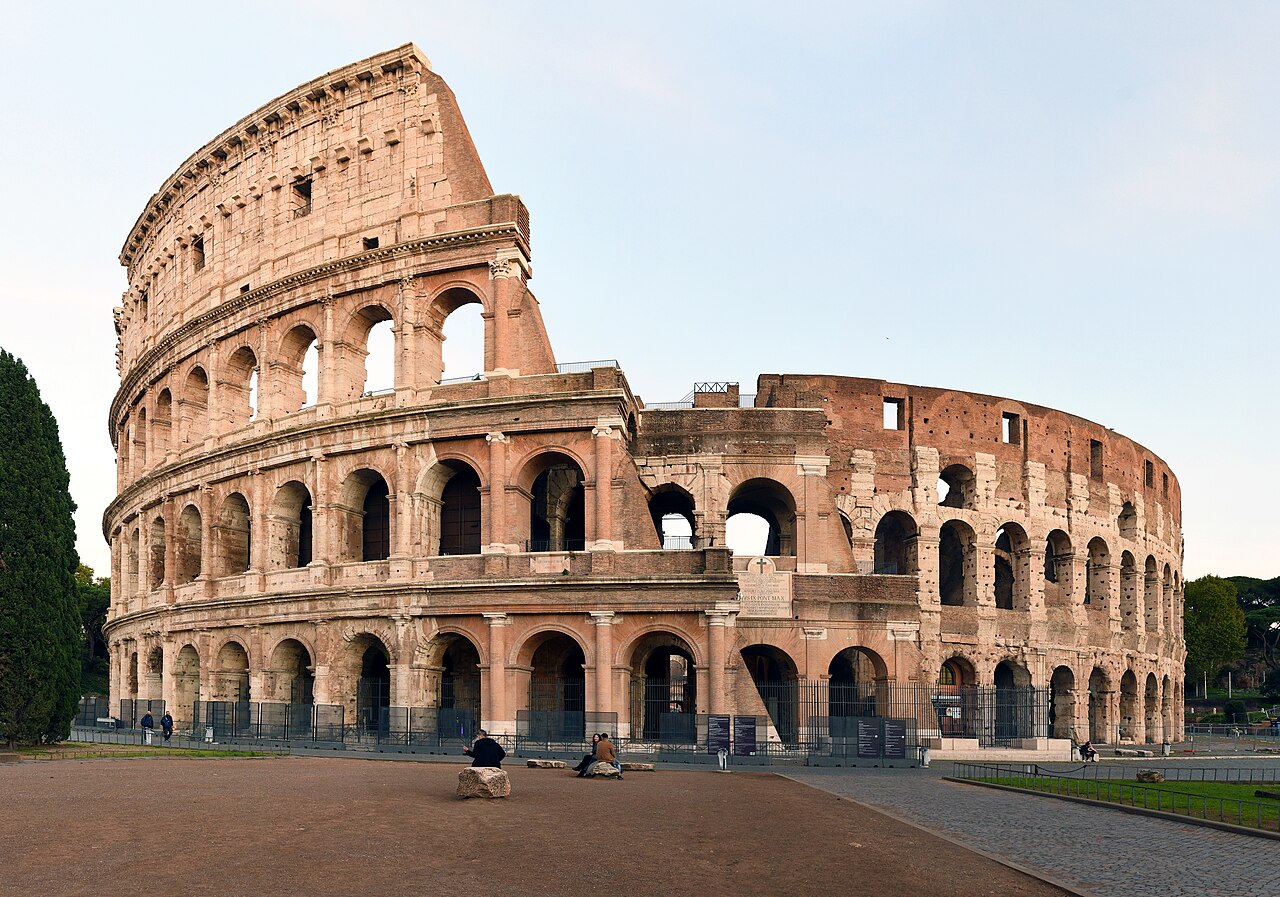
Colosseum
begun 72 AD, completed 80 AD
Free account
Read every Titus source
Sign up free →
Ready when you are
Start chatting with Titus now.
20 messages free · No credit card · Available in 50+ languages.