


Primary sourceArtifactca. 1490-1500, redecorated 1539
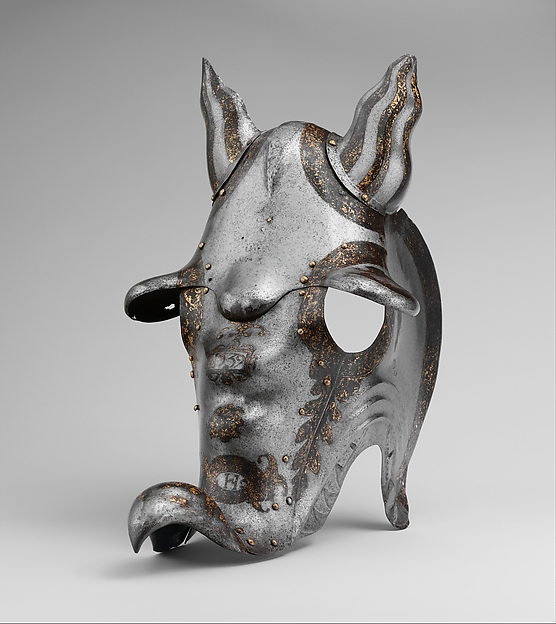
Shaffron (horse's head armour) of Henry II when Dauphin
Romain des Ursins · ca. 1490-1500, redecorated 1539
Steel horse's head armour made around 1490-1500 and redecorated in 1539, owned by Henry II when he was Dauphin. It is held by The Metropolitan Museum of Art.
This horse armour was made for Henry as Dauphin and shows his equipment from his youth, before he became king.
About this source
What it is
This is a shaffron, the armour that protected a horse's head. The Metropolitan Museum of Art dates it to about 1490-1500 and records that it was redecorated in 1539. The museum credits Romain des Ursins as its creator, describes it as Franco-Italian, and lists it as made of steel, gold and brass. The museum says it was made for Henry as Dauphin, the heir to the French throne, and that it was a court object of his youth. The photograph shows pointed ears, a long snout with a flared nostril guard, and gilded bands with etched foliage.
Why it matters
The armour was made before Henry became king and was redecorated in 1539, while his father Francis I still reigned. Its link to Henry as Dauphin shows how the royal family equipped its heirs for display and for battle. Because the record connects the piece to both its maker and its later redecoration, it also reveals how older armour was reworked to suit the taste of a new owner.
Look closer
- Which parts of the shaffron are decorated, and why might a horse's armour have been decorated at all?
- Who made the armour and who later changed it, and what does that tell you about its value over time?
- What does this object leave out about the horse it protected or the rider who used it?
This artifact is part of the curated material that grounds the AI version of Henry II of France on Humy.ai — when students ask about related events, the AI can quote it and cite it.
More Henry II of France sources
Browse all 93 →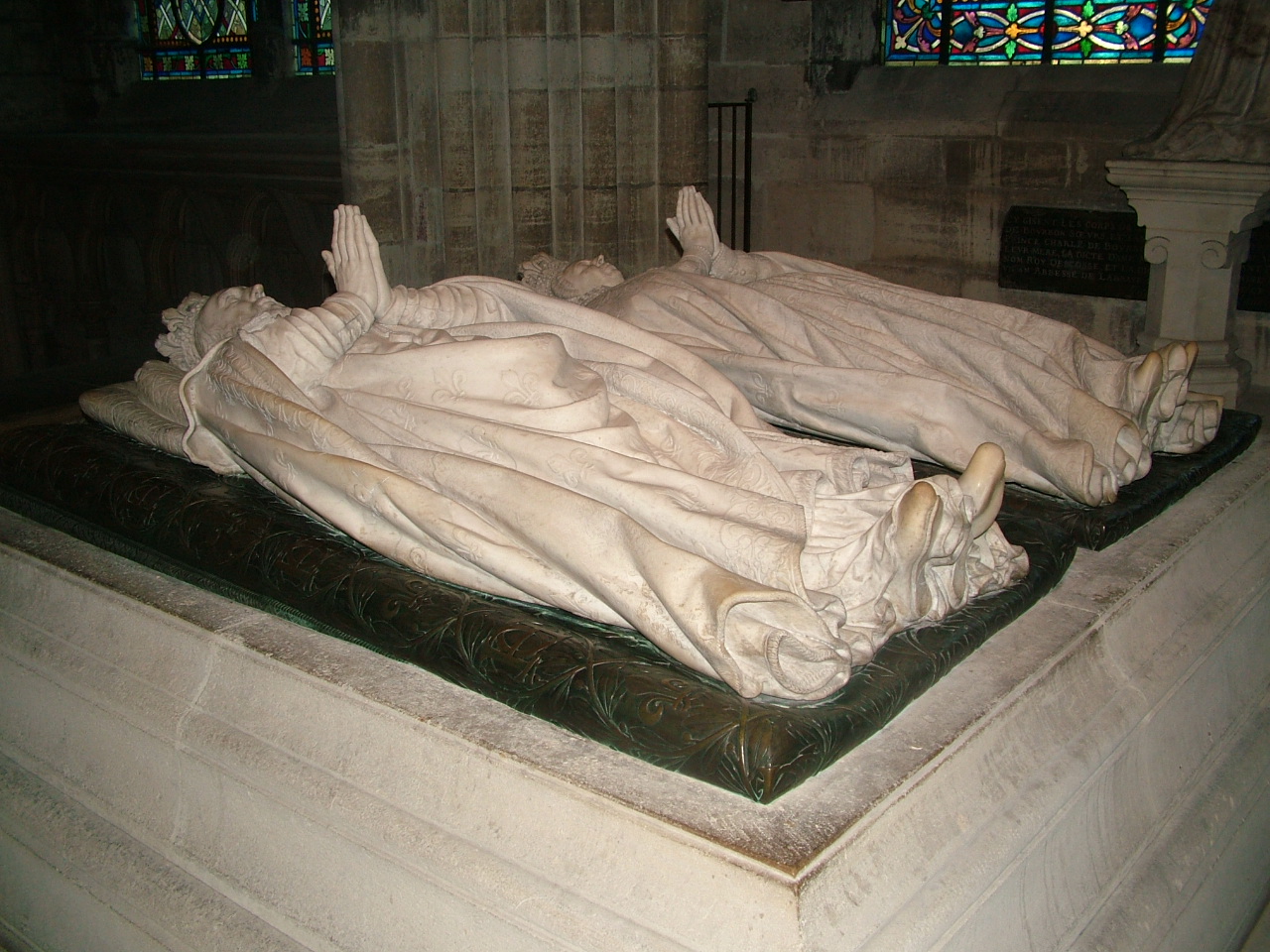 Sculpture
Secondary source
Grave of Henry II of France
Germain Pilon
Primary source
Treaty of Cateau-Cambrésis
1559
 Painting
Primary source
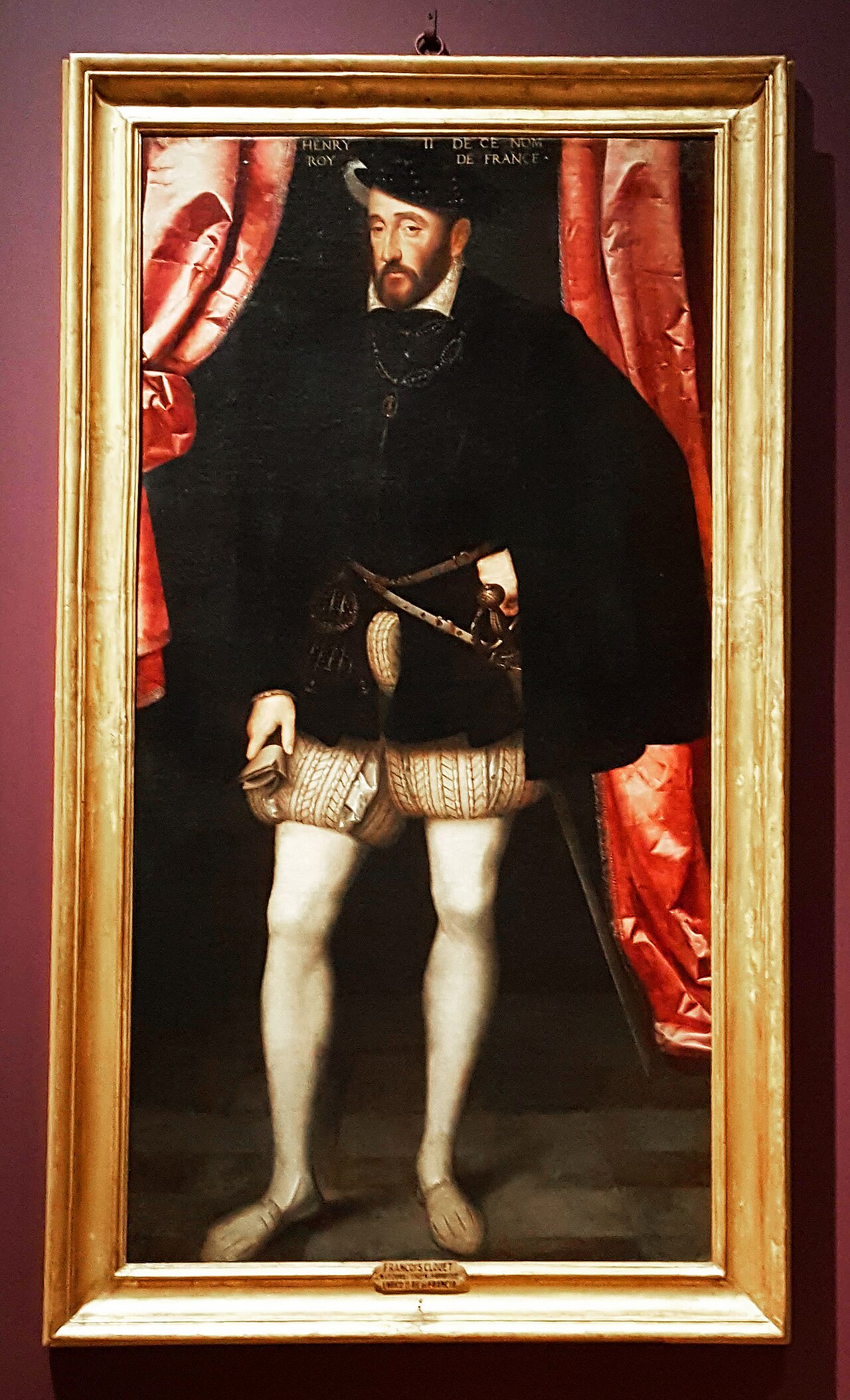
Portrait of Henry II
François Clouet · 1547
 Artifact
Primary source
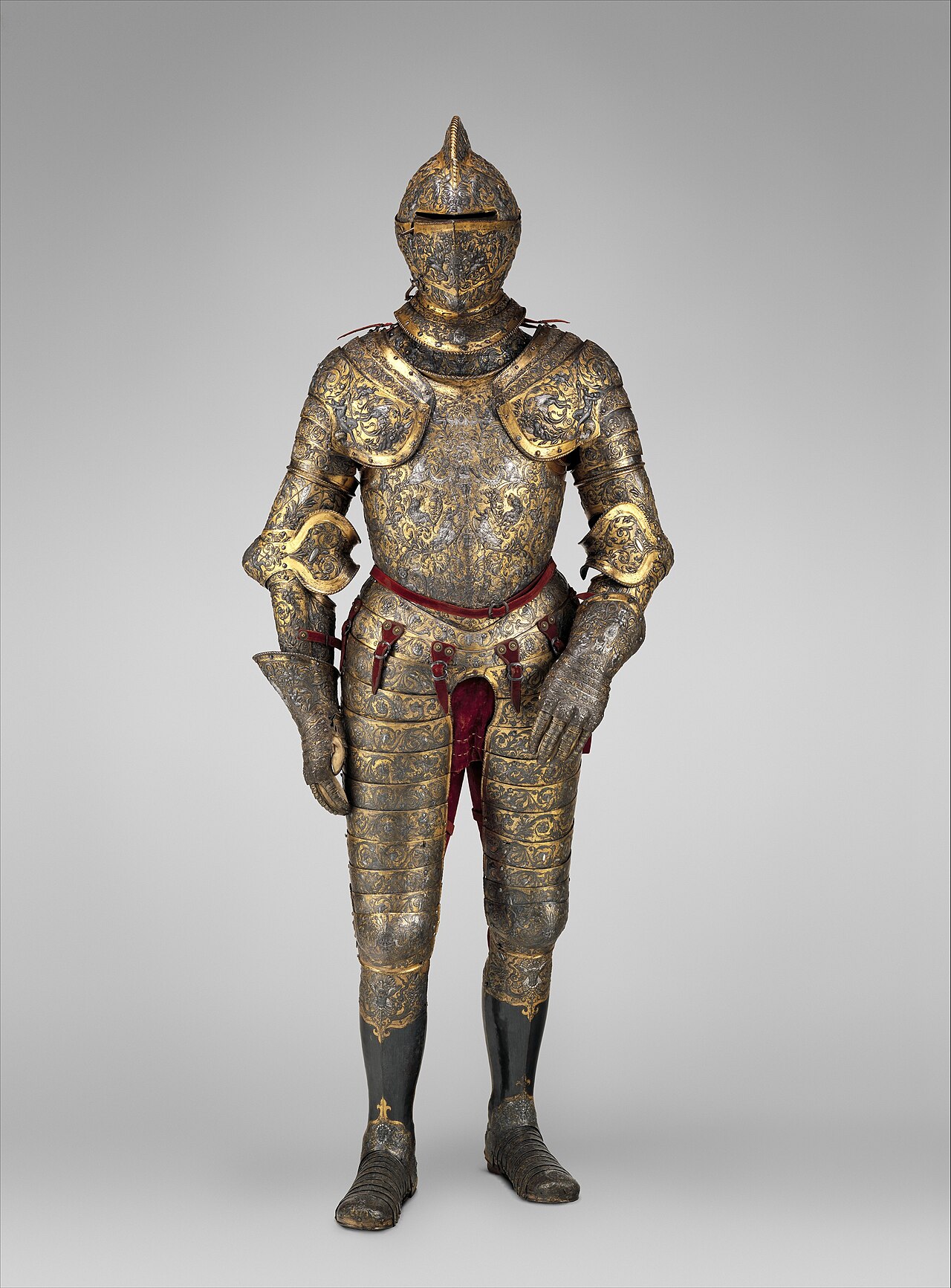
Parade Armour of Henry II of France
Étienne Delaune · c. 1553-1555
Free account
Read every Henry II of France source
Sign up free →
Ready when you are
Start chatting with Henry II of France now.
20 messages free · No credit card · Available in 50+ languages.