


Primary sourceArtifact11th-19th centuries; main buildings 14th-15th century
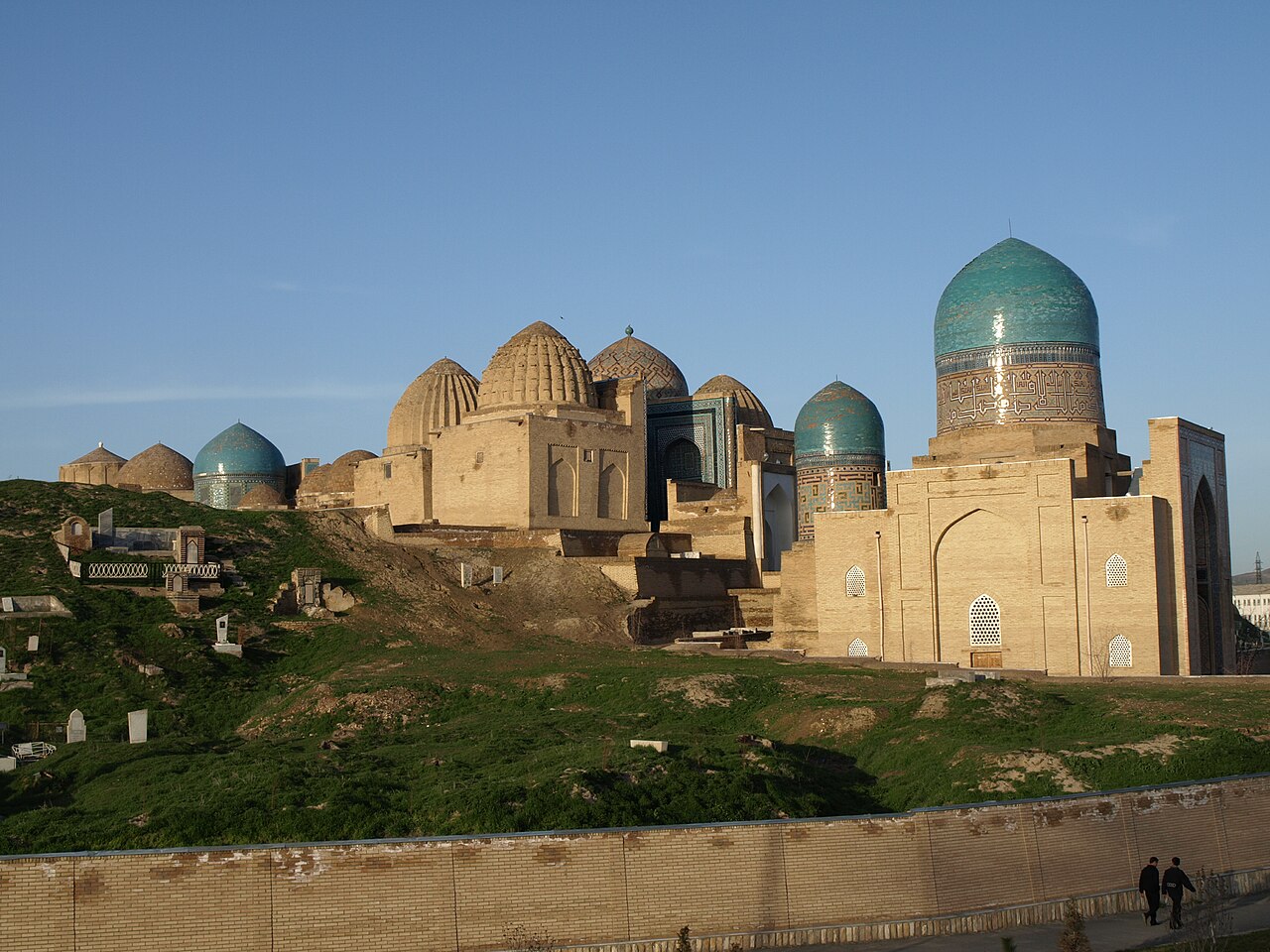
Shah-i-Zinda
11th-19th centuries; main buildings 14th-15th century
A necropolis of tiled mausoleums in Samarkand, including tombs built for Timur's sister, nieces and commanders.
The burial complex built for Timur's sister, nieces and commanders in his capital, Samarkand.
About this source
What it is
Shah-i-Zinda is a necropolis in Samarkand, Uzbekistan, made up of mausoleums and other buildings constructed over several centuries, from the 11th to the 19th. Many of the finest tombs date from the last quarter of the 14th century to the first half of the 15th century, the era of Timur's rule.
Why it matters
Several tombs in the middle group belong to Timur's relatives and officials, including his niece Turkan Aqa and his sister Shirin Bika Aqa, as well as military and religious leaders of his court. The site shows how Timur's family and inner circle used grand architecture to display status and piety in his capital city, Samarkand.
Look closer
- Why might Timur's relatives and commanders be buried in such elaborately decorated tombs?
- What does the scale and decoration of this necropolis tell you about Samarkand under Timur?
- What questions can't this building answer about the people buried here?
This artifact is part of the curated material that grounds the AI version of Timur on Humy.ai — when students ask about related events, the AI can quote it and cite it.
More Timur sources
Browse all 68 →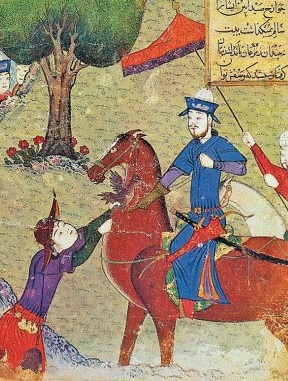 Painting
Secondary source
Timur Hunting
1436 CE (AH 839)
 Painting
Secondary source
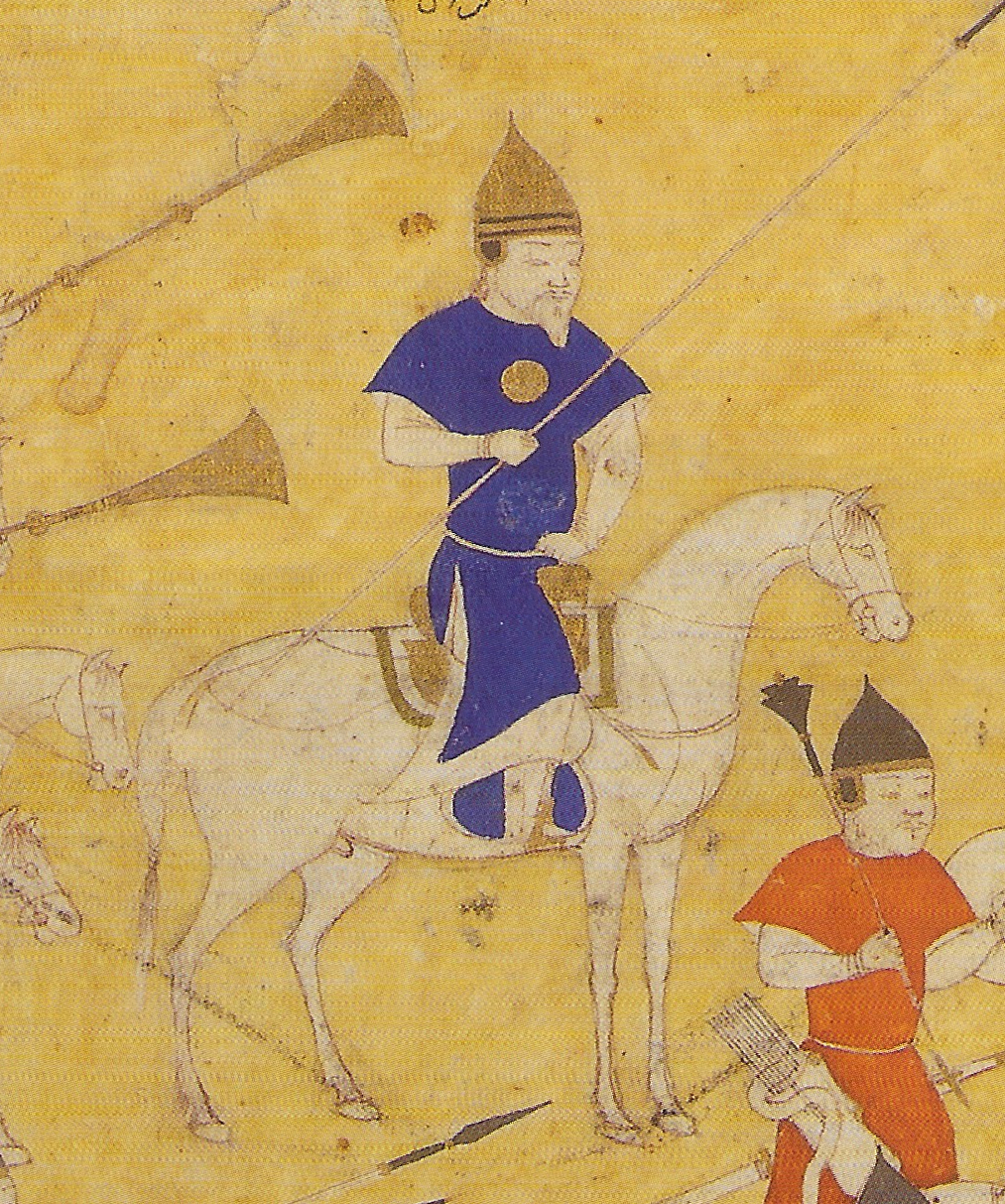
Timur on Horse: Battle Between Timur and Toqtamish Khan
1420-1440
 Painting
Secondary source
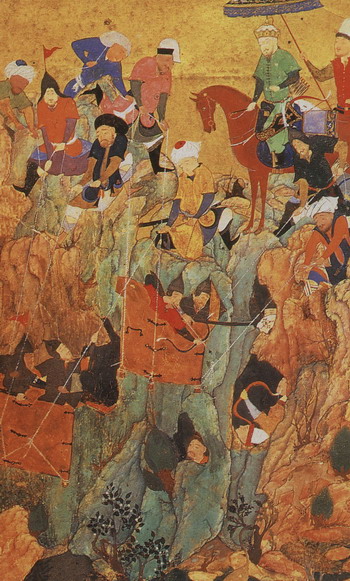
Timur's Army Attacks Nerges, Georgia
Kamal ud-Din Behzad · spring 1396 (depicted); 16th century (painted)
 Painting
Secondary source
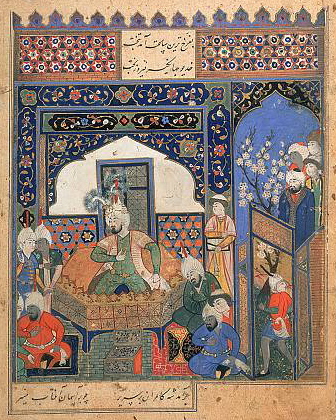
Timur Enthroned at Balkh, Afghanistan
Free account
Read every Timur source
Sign up free →
Ready when you are
Start chatting with Timur now.
20 messages free · No credit card · Available in 50+ languages.