


Secondary sourcePaintingc. 1600
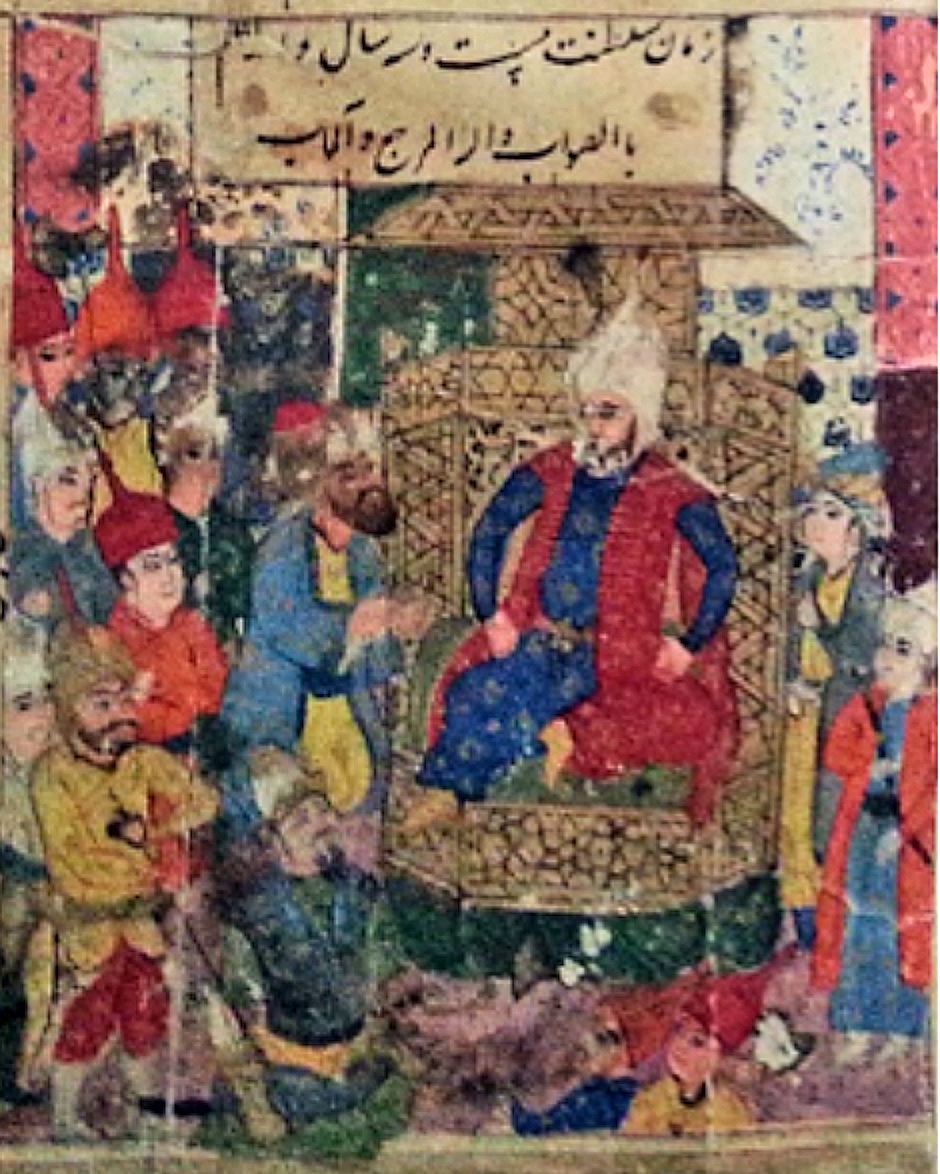
Shah Ismail I and His Court, from Cem-i Tarikh
c. 1600
An Ottoman history manuscript illustration of about 1600 showing Ismail at his court. It was painted about 80 years after his death.
Shows how an Ottoman history of about 1600 pictured Ismail and his court, painted long after his reign.
About this source
What it is
This is a manuscript illustration from the Cem-i Tarikh, an Ottoman history, made by an Ottoman artist around 1600. It shows Shah Ismail I and his court. The page is held by the Museum of Ethnography in Ankara as MS 8457, folio 17a. The facts available for this entry give only the title and location, so the picture's details are not described here.
Why it matters
Ismail was the founder of the Safavid dynasty, Iran's ruling house and a rival of the Ottoman Empire. An Ottoman history made decades after his death shows how Ottoman writers and artists remembered this neighbouring ruler. The image tells us about the Ottoman view of the Safavids as much as about Ismail himself.
Look closer
- What can you tell about the court from the people shown and how they are arranged?
- Why might an Ottoman history include a picture of a Safavid ruler?
- What might a painting made about 80 years after his death get wrong about Ismail's real court?
This painting is part of the curated material that grounds the AI version of Ismail I on Humy.ai — when students ask about related events, the AI can quote it and cite it.
More Ismail I sources
Browse all 92 →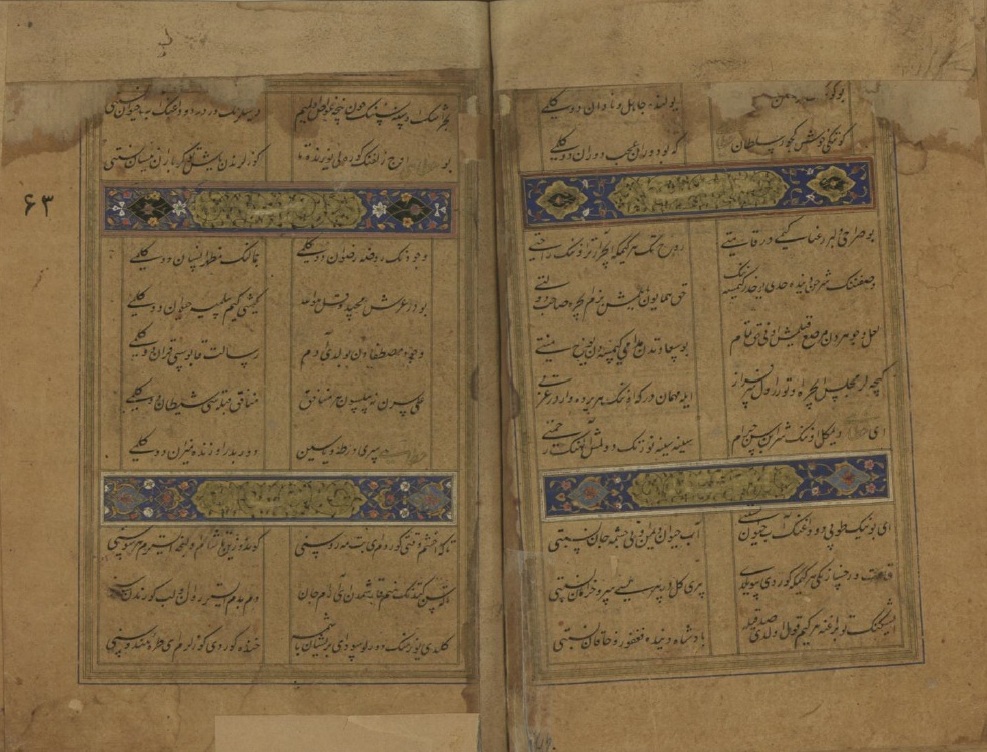 Book
Primary source
Diwan of Shah Ismail Khatai
Ismail I (as Khata'i)
 Painting
Secondary source
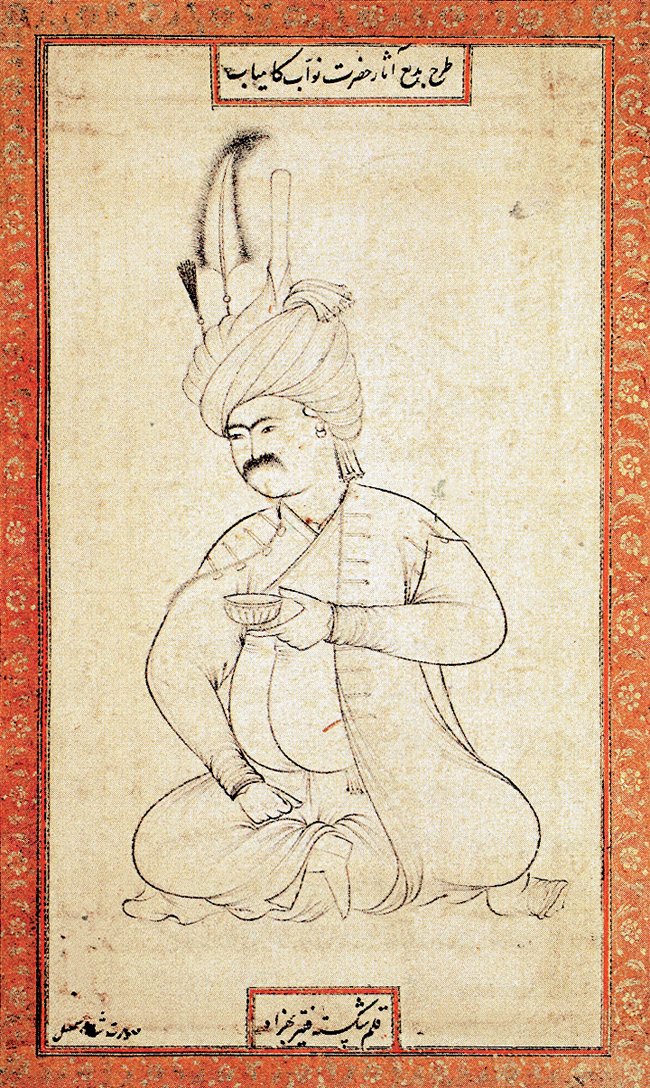
Portrait of Ismail I
Attributed to Kamal al-din Behzad (posthumous copy)
 Painting
Secondary source
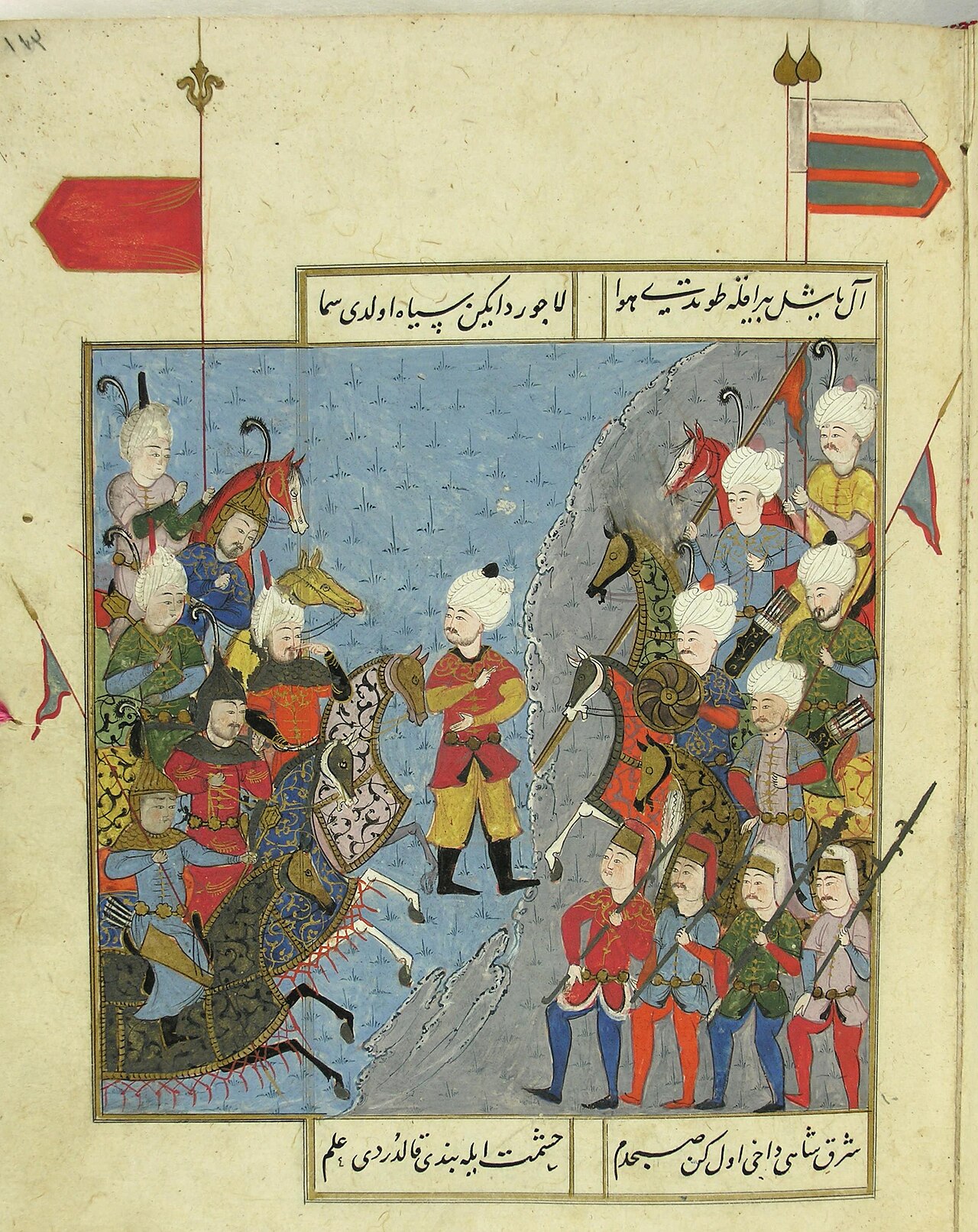
Shah Ismail at the Battle of Chaldiran
Unknown Ottoman court artist · c. 1525-1530
 Letter
Secondary source
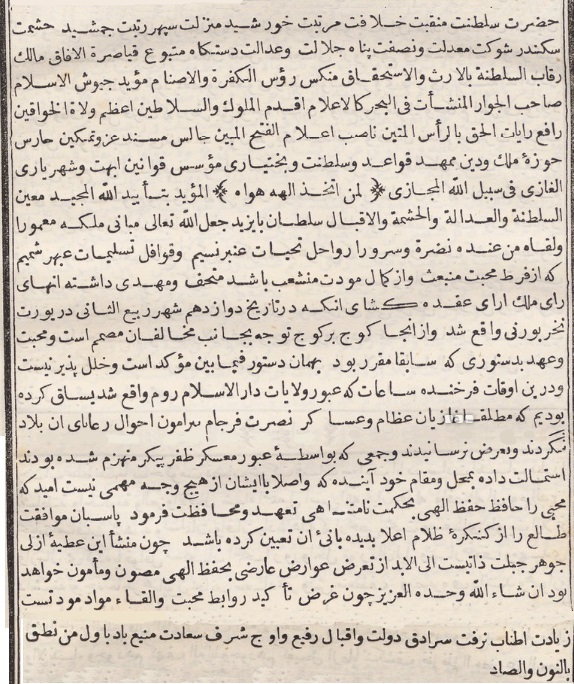
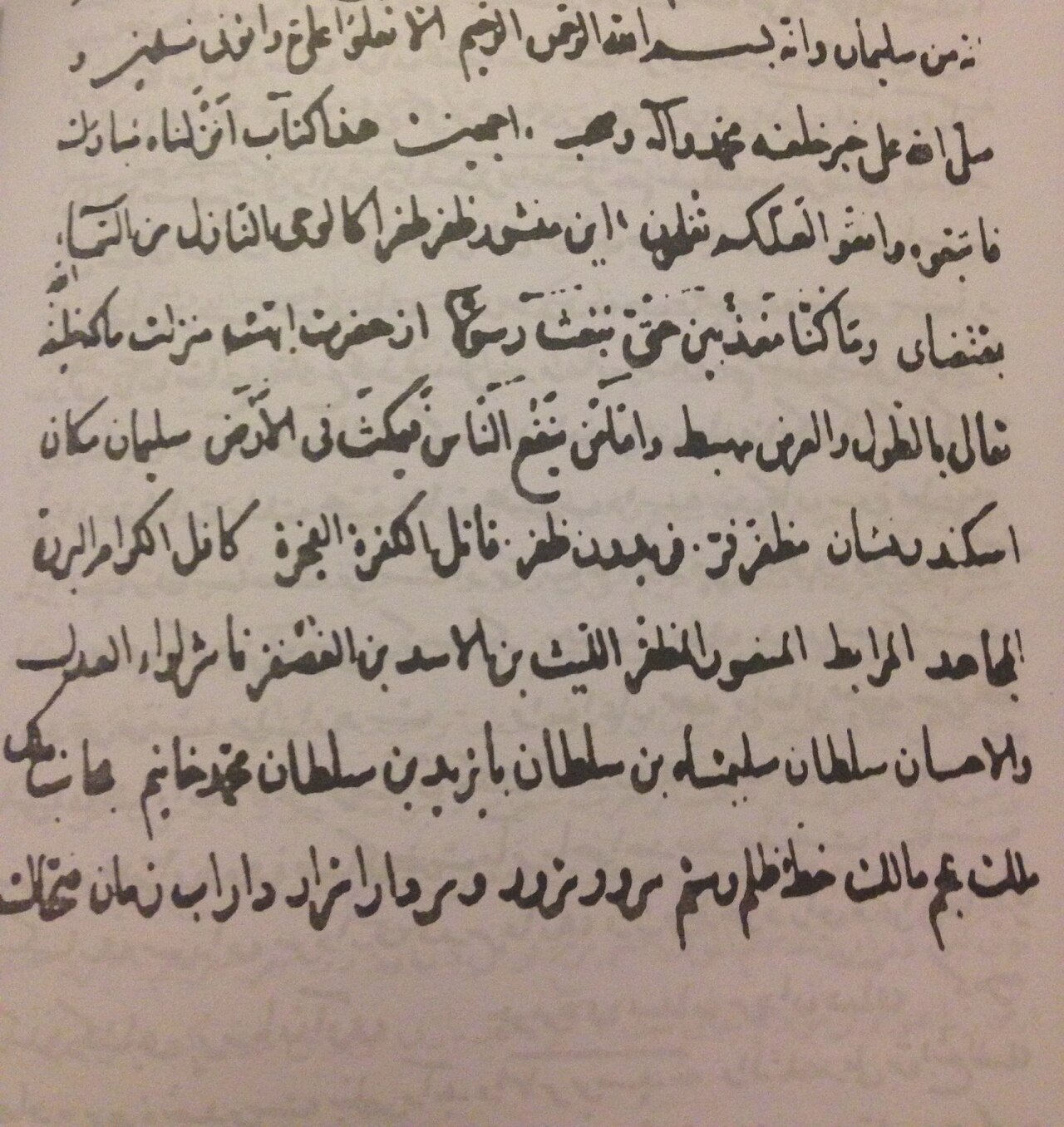
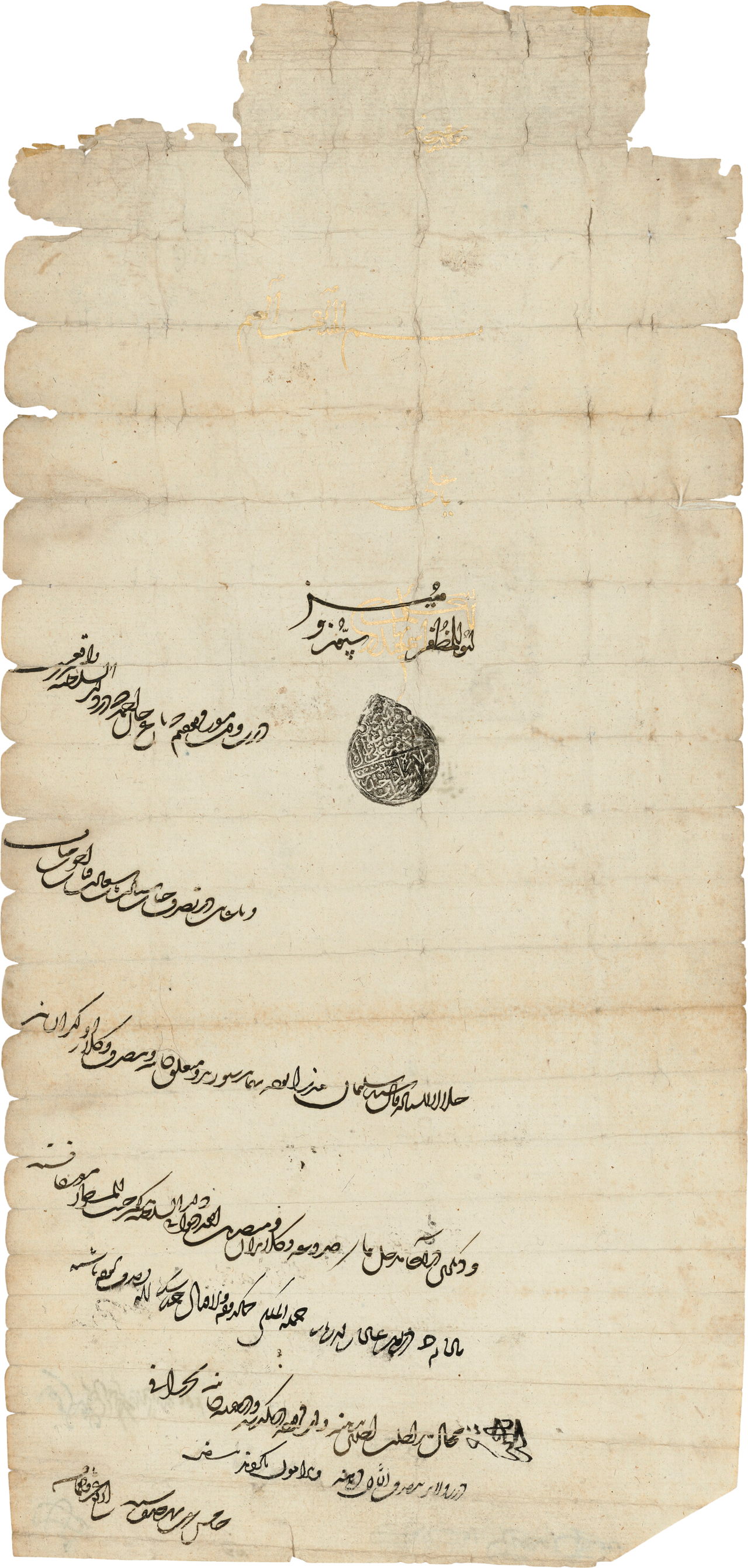
Letter from Şah İsmail to Sultan Bayezid II
Feridun Ahmed Bey · c. 1508
Free account
Read every Ismail I source
Sign up free →
Ready when you are
Start chatting with Ismail I now.
20 messages free · No credit card · Available in 50+ languages.