


Secondary sourcePaintingc. 1647
Shah Ismail I Portrait, Chehel Sotoun
c. 1647
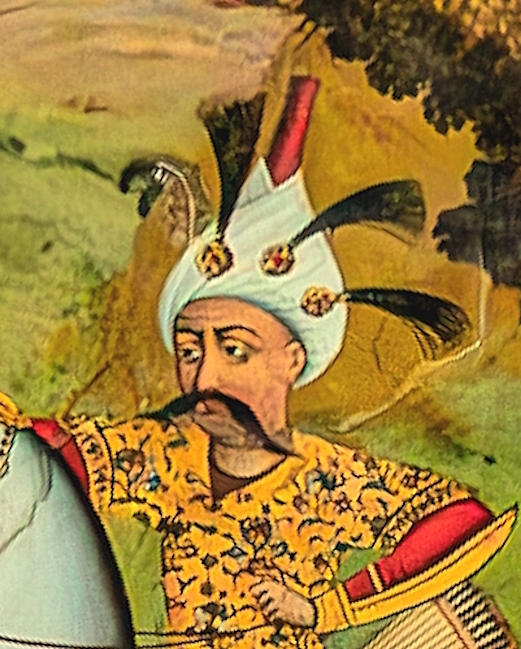
A palace portrait of Shah Ismail I painted around 1647 for the audience hall of Chehel Sotoun, over a century after his death.
A commemorative palace portrait of Ismail painted a century after his death for a later shah's audience hall.
About this source
What it is
This painting shows a man in a jewelled white turban with a red plume, a black mustache and a yellow floral robe, seated in a green landscape. It was made around 1647 for the Chehel Sotoun palace, built for Shah Abbas II.
Why it matters
Shah Isma'il I founded the Safavid dynasty in the early 16th century. By the time this portrait was painted, over a hundred years after his death, he was remembered as the dynasty's founding figure. Including his image in a royal audience hall shows how later Safavid rulers used memory of Isma'il to support their own authority and connect themselves to the dynasty's origins.
Look closer
- Since this was painted long after Isma'il died, how might the artist have decided what he looked like?
- Why would a later shah want an image of the dynasty's founder in his audience hall?
- What do the turban, plume and robe suggest about royal status?
This painting is part of the curated material that grounds the AI version of Ismail I on Humy.ai — when students ask about related events, the AI can quote it and cite it.
More Ismail I sources
Browse all 92 →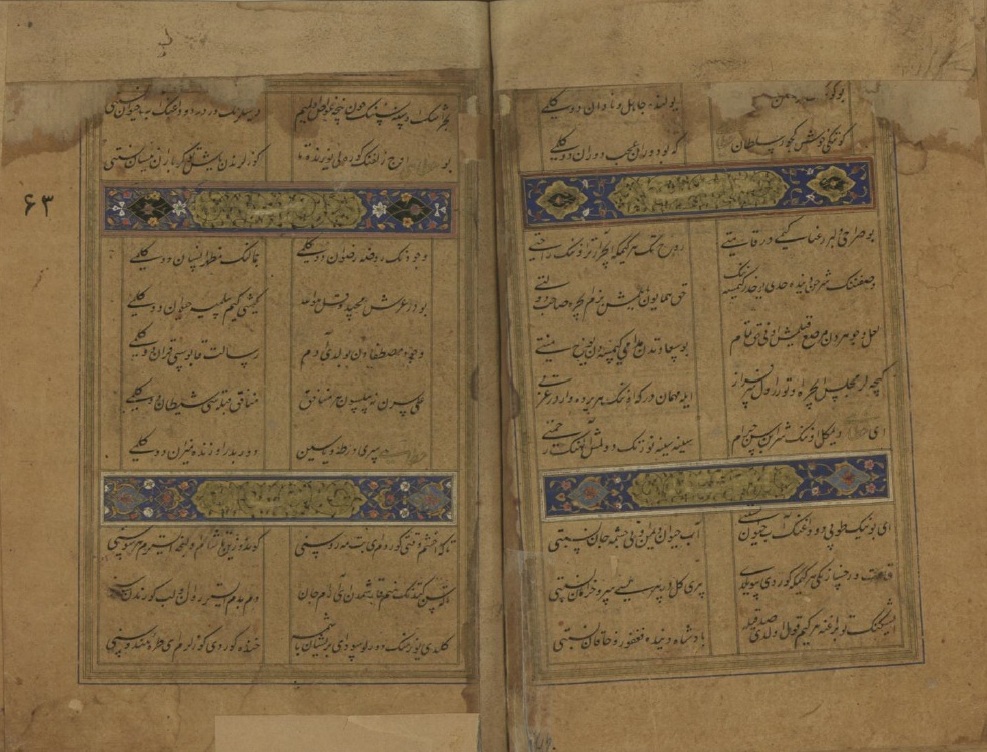 Book
Primary source
Diwan of Shah Ismail Khatai
Ismail I (as Khata'i)
 Painting
Secondary source
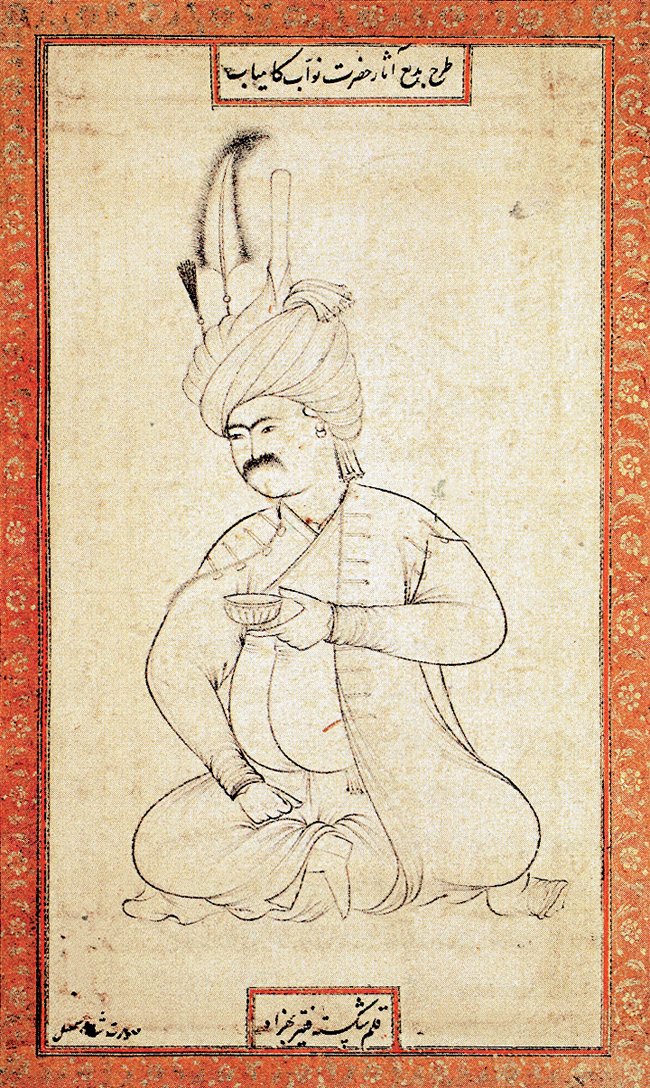
Portrait of Ismail I
Attributed to Kamal al-din Behzad (posthumous copy)
 Painting
Secondary source
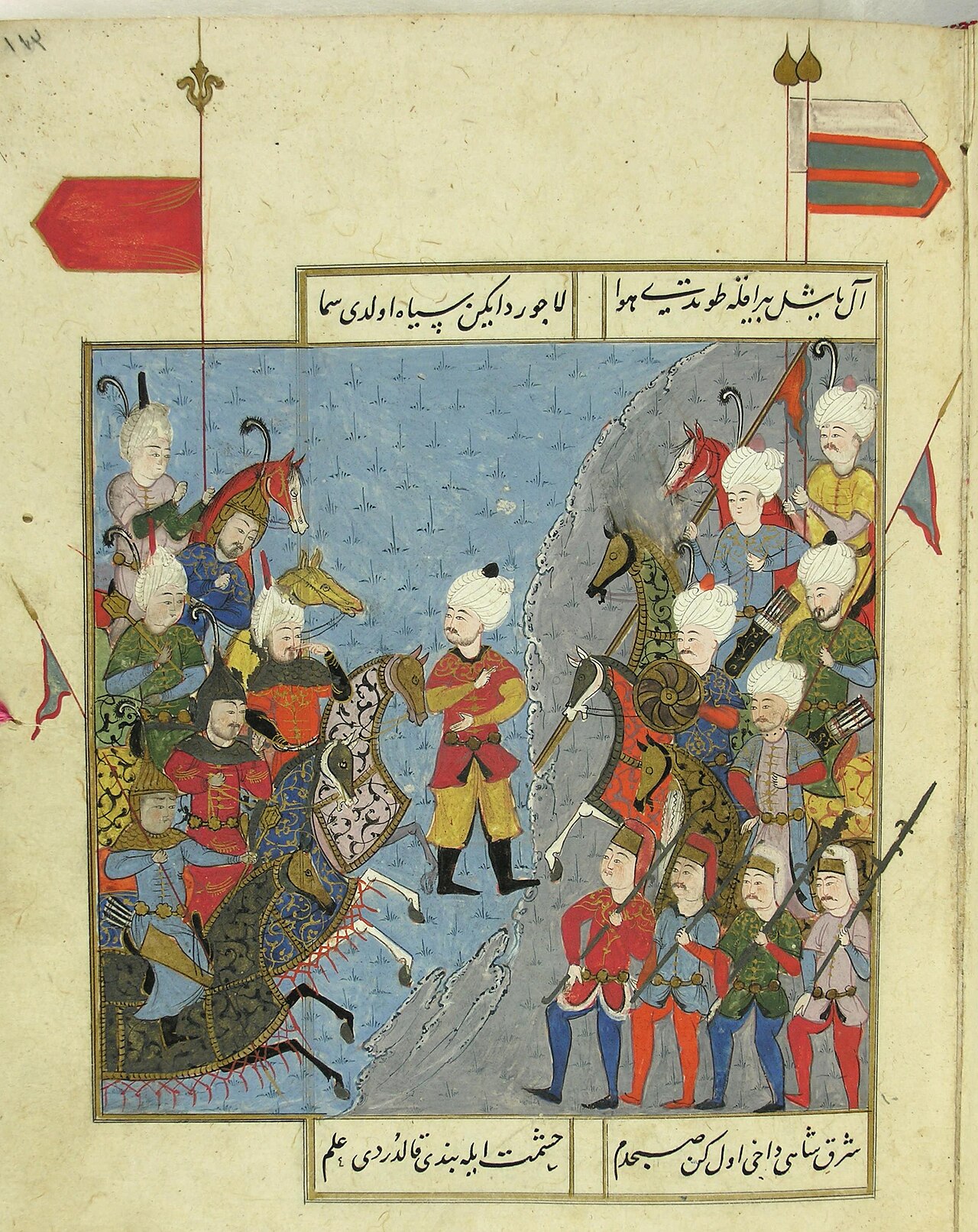
Shah Ismail at the Battle of Chaldiran
Unknown Ottoman court artist · c. 1525-1530
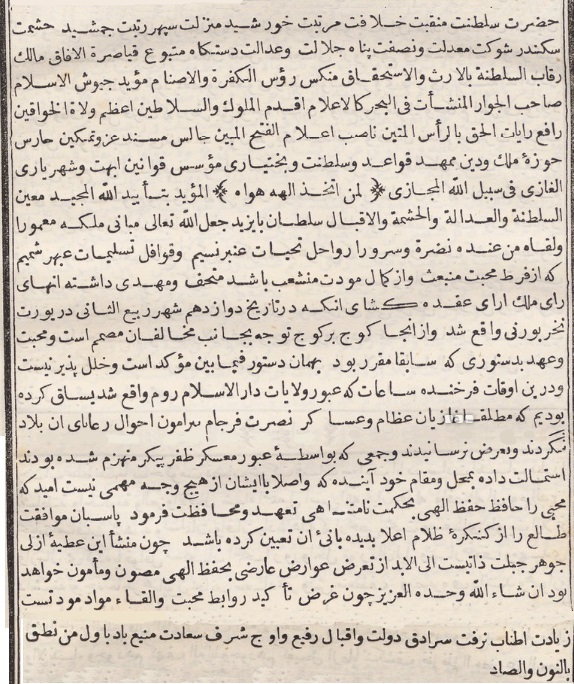 Letter
Secondary source
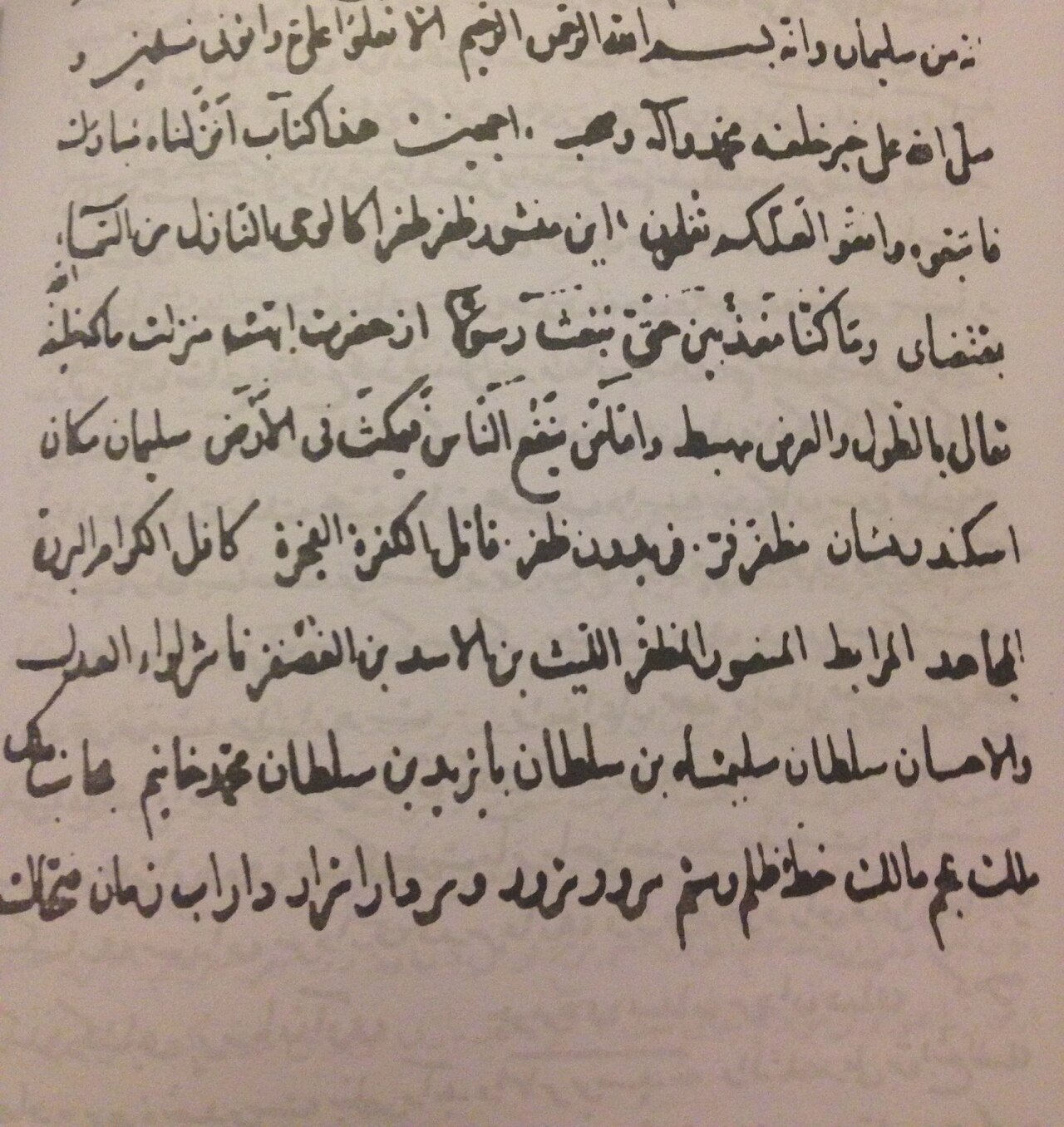
Letter from Şah İsmail to Sultan Bayezid II
Feridun Ahmed Bey · c. 1508
Free account
Read every Ismail I source
Sign up free →
Ready when you are
Start chatting with Ismail I now.
20 messages free · No credit card · Available in 50+ languages.