


Secondary sourceDocumentary1958
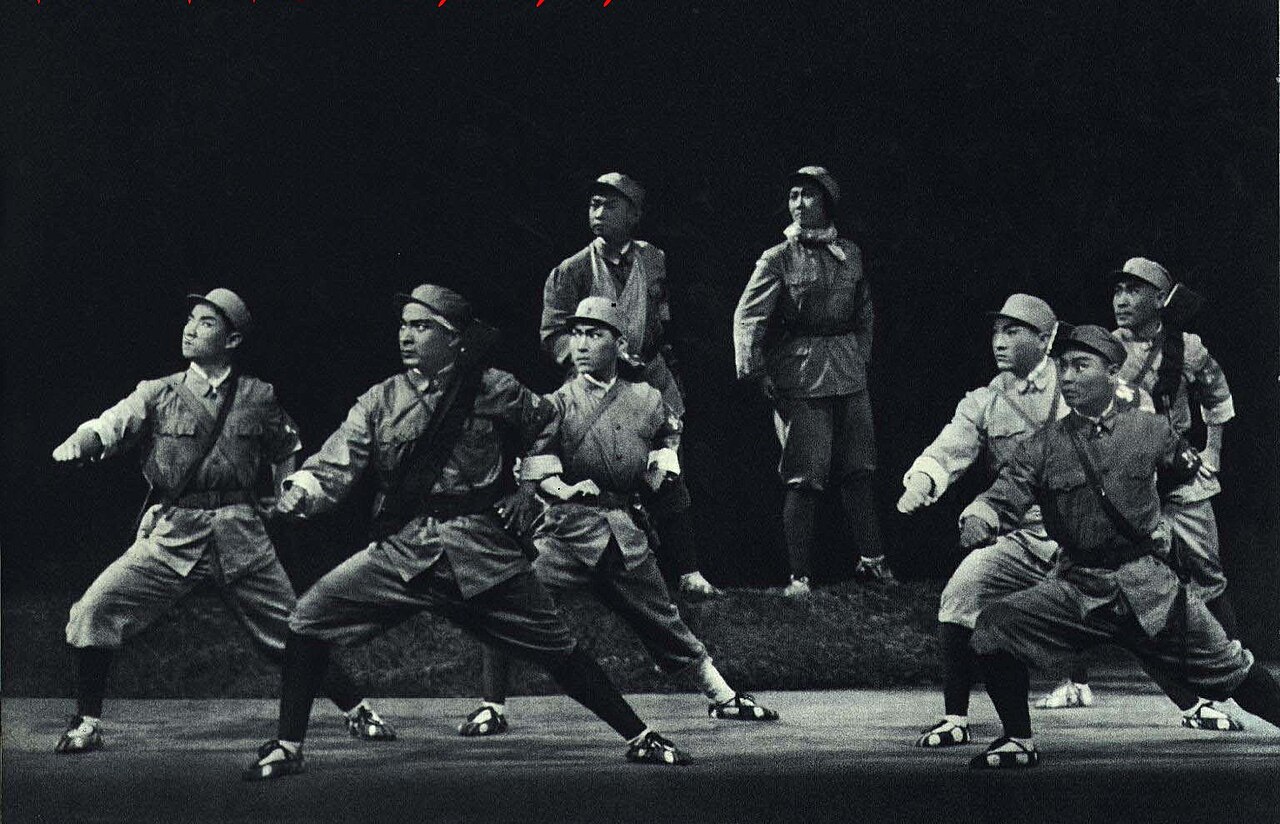
Shajiabang
1958
A revolutionary opera developed under Jiang Qing's patronage, one of the model works of the Cultural Revolution.
Jiang Qing personally intervened in this opera's development, expanding a political role, as part of her Cultural Revolution model works.
About this source
What it is
Shajiabang was first produced as a Shanghai opera in 1958 under the title Sparks Amid the Reeds. It was adapted into a Peking opera in 1963, and Mao Zedong asked for its title to be changed since sparks would not light wet reeds. Jiang Qing insisted that the role of a political commissar be expanded, and the work was further revised until reaching its final form around 1970. Writer Wang Zengqi also contributed.
Why it matters
Set during the war against Japanese occupation, the opera tells of a teahouse owner secretly working for the Communist Party. As one of the model operas Jiang Qing promoted during the Cultural Revolution, Shajiabang shows how she directly shaped revolutionary culture, insisting on changes that highlighted Communist political roles.
Look closer
- What do the poses and uniforms in the stage photograph suggest about the opera's themes?
- Why might Jiang Qing have wanted the political commissar's role expanded?
- How does knowing a powerful political figure shaped this opera change how you view it as a historical source?
This documentary is part of the curated material that grounds the AI version of Jiang Qing on Humy.ai — when students ask about related events, the AI can quote it and cite it.
More Jiang Qing sources
Browse all 68 →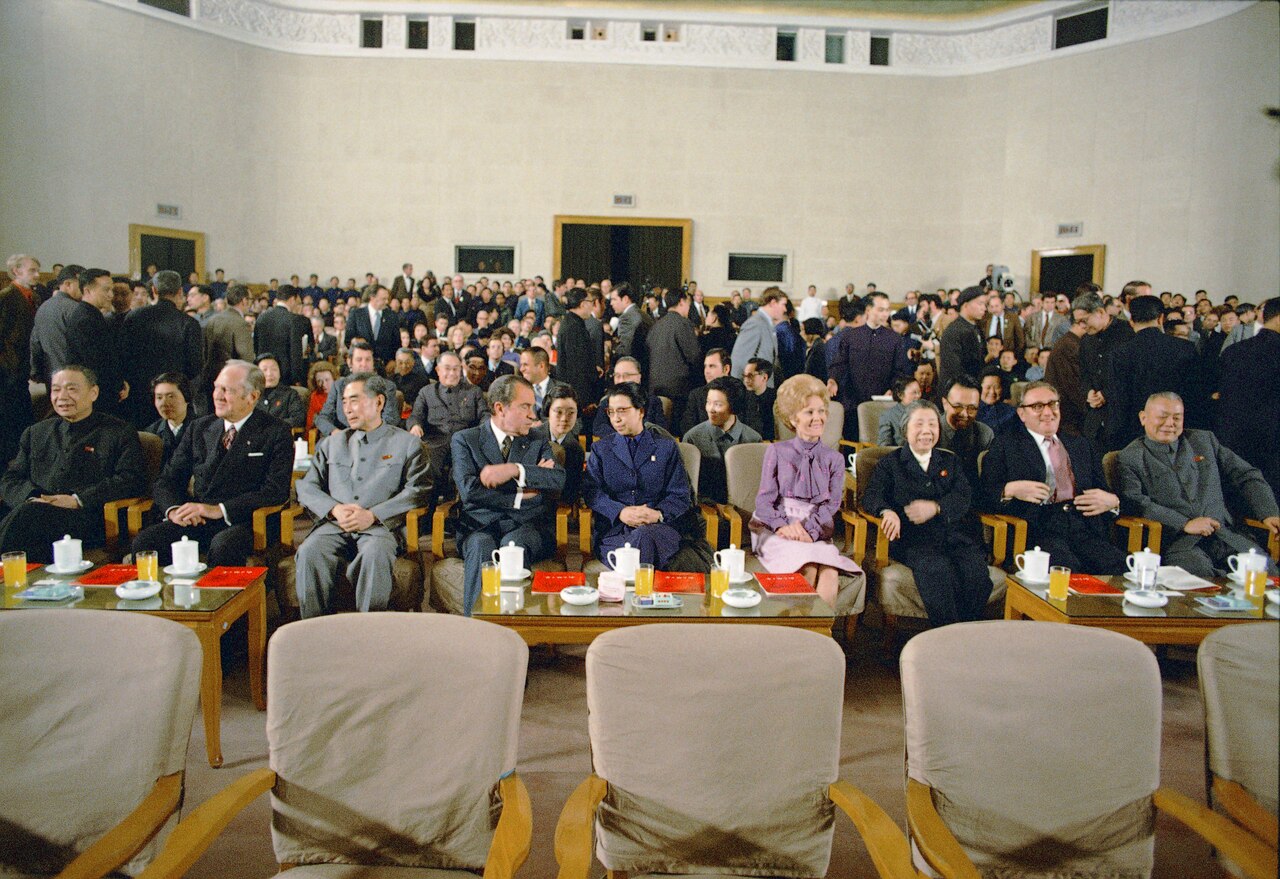 Photograph
Primary source
Nixon, Pat Nixon and Chou En-lai at Revolutionary Opera, 1972
White House Photo Office · 22 February 1972
 Photograph
Primary source
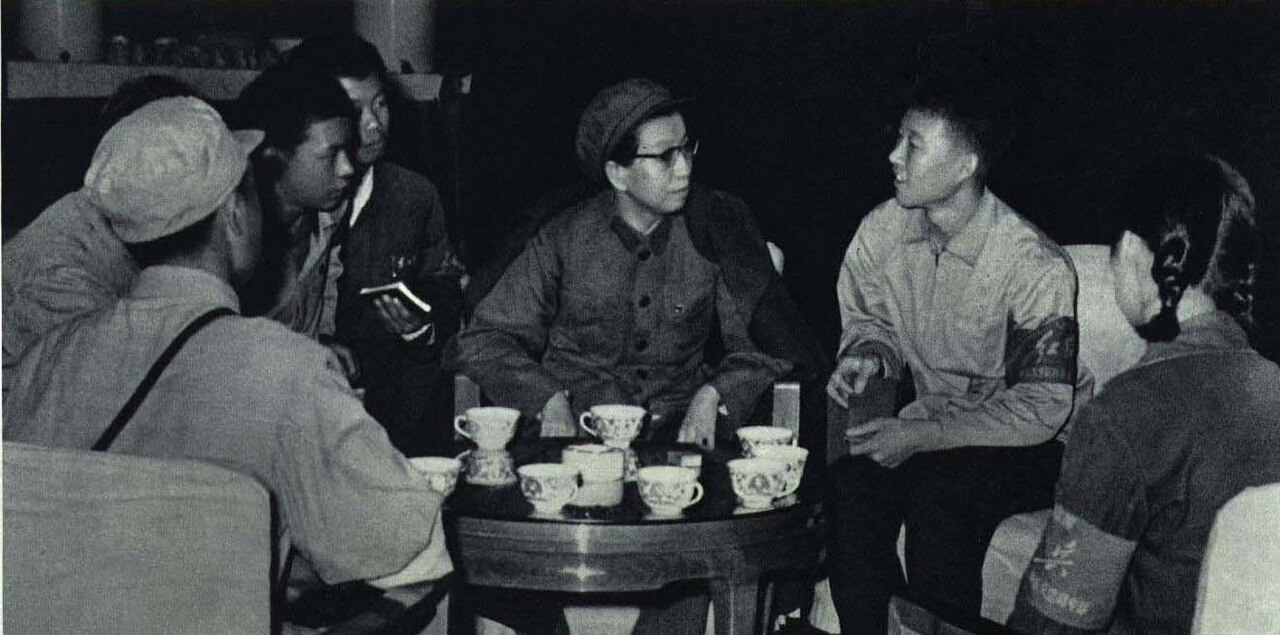
Jiang Qing and the Red Guards, 1967
People's Pictorial · August 1967
Primary source
Resolution on Certain Questions in the History of Our Party Since the Founding of the People's Republic of China
11th Central Committee of the Chinese Communist Party · 27 June 1981
 Document
Primary source
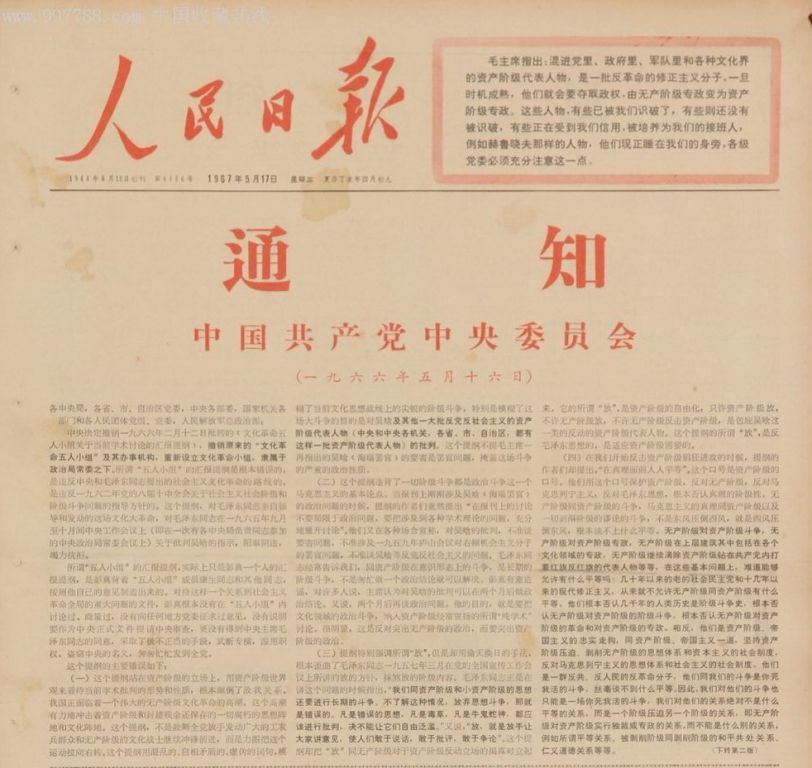
16 May Notification
Chinese Communist Party Central Committee · 16 May 1966

Free account
Read every Jiang Qing source
Sign up free →
Ready when you are
Start chatting with Jiang Qing now.
20 messages free · No credit card · Available in 50+ languages.