


Secondary sourceArtifact1334 (begun); construction continued 16th-18th century
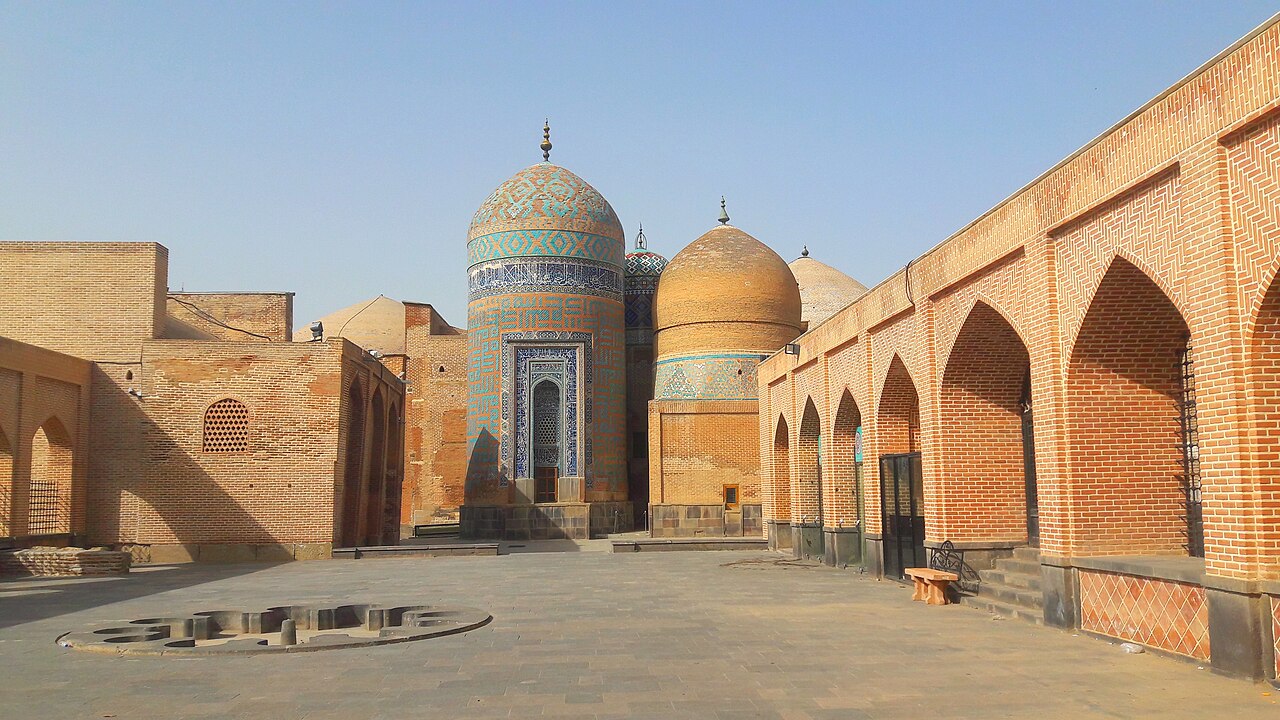
Sheikh Safi al-Din Khānegāh and Shrine Ensemble
1334 (begun); construction continued 16th-18th century
The Sufi shrine and tomb complex in Ardabil, built for Sheikh Safi al-Din, ancestor of the Safavid dynasty, and the burial place of Shah Ismail I.
This is the ancestral Sufi shrine of Ismail's family and the site of his own burial.
Free Humy account · No credit card · 120,912 sources to read
About this source
What it is
This is a Sufi khanegah and shrine complex in Ardabil, Iran, containing the tomb of Sheikh Safi-ad-Din Ardabili. It was built by his son after Sheikh Safi's death in 1334, with construction continuing from the early 16th to the late 18th century. It is a UNESCO World Heritage Site and an Iranian national heritage site.
Why it matters
Sheikh Safi founded the Sufi order from which the Safavid dynasty took its name, and the complex includes the grave of Shah Ismail I himself. It shows the direct link between the religious order Ismail's family led and the political dynasty he founded, blending Sufi mysticism with royal power.
Why it matters
The complex's architecture, with its seven-stage route and eight gates, reflects Sufi spiritual stages, showing how religion shaped the physical space tied to the Safavid family.
Look closer
- Why might a ruling dynasty choose to be buried at the shrine of its spiritual ancestor?
- What do the tiles, inscriptions, and calligraphy tell you about who funded and valued this site?
- What parts of the complex's history are missing from what you can see today?
This artifact is part of the curated material that grounds the AI version of Ismail I on Humy.ai — when students ask about related events, the AI can quote it and cite it.
More Ismail I sources
Browse all 92 →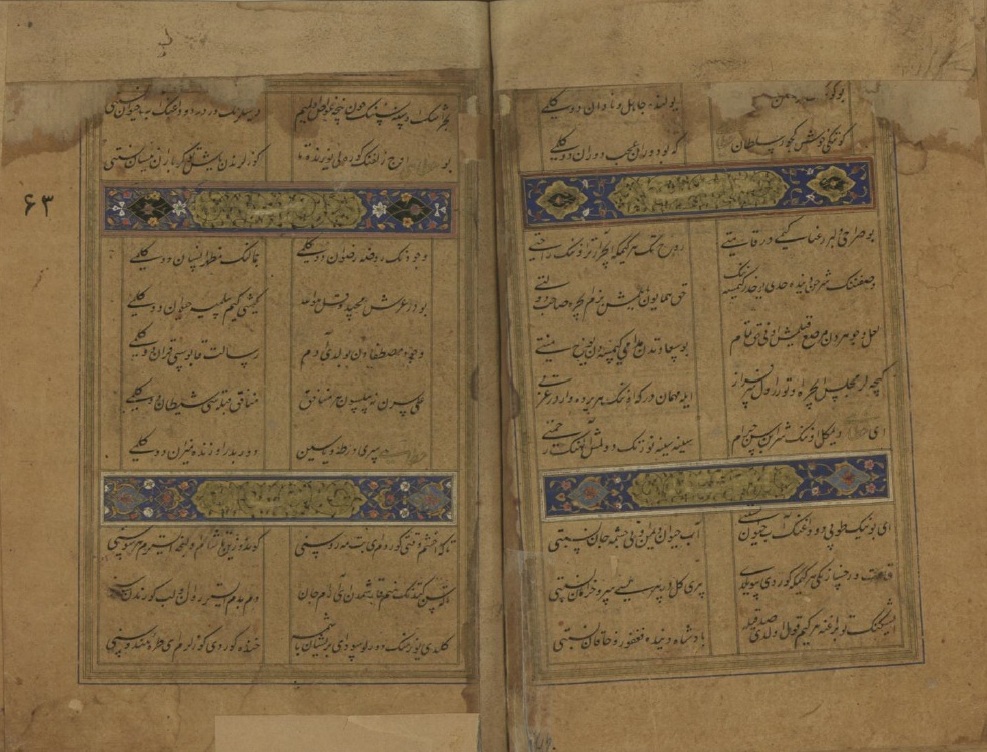 Book
Primary source
Diwan of Shah Ismail Khatai
Ismail I (as Khata'i)
 Painting
Secondary source
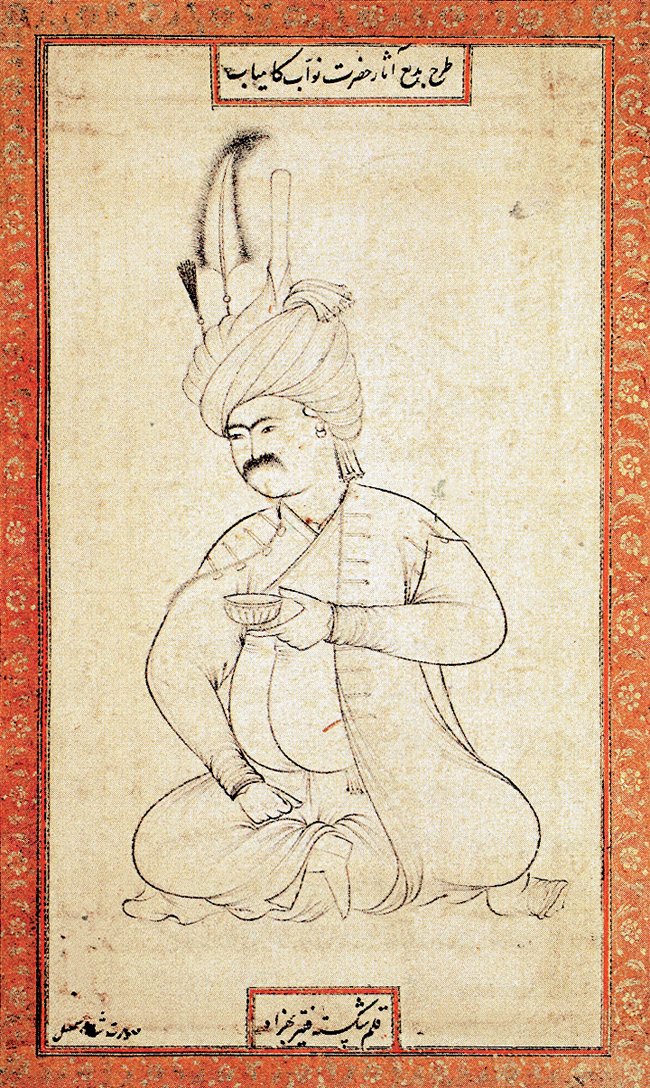
Portrait of Ismail I
Attributed to Kamal al-din Behzad (posthumous copy)
 Painting
Secondary source
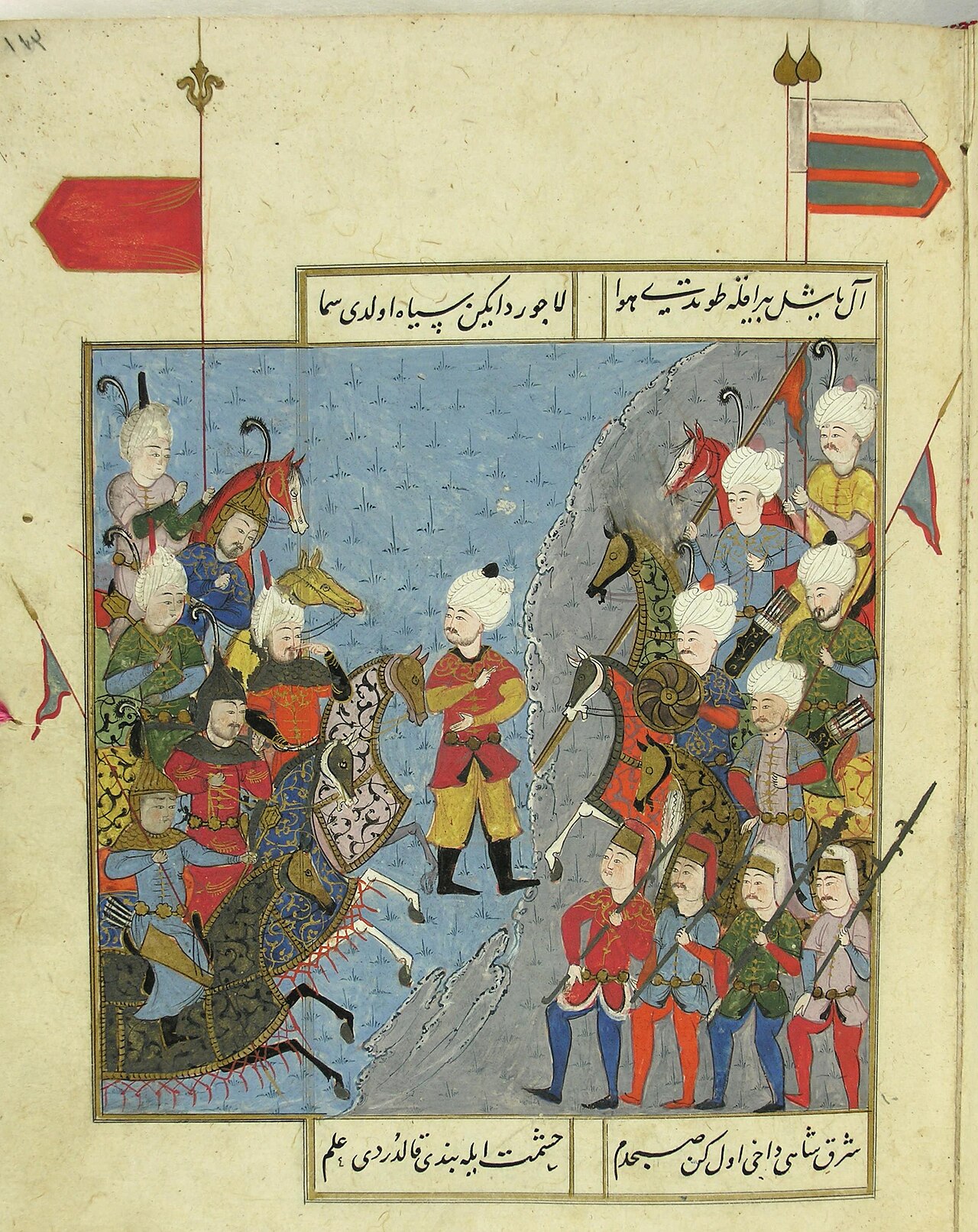
Shah Ismail at the Battle of Chaldiran
Unknown Ottoman court artist · c. 1525-1530
 Letter
Secondary source
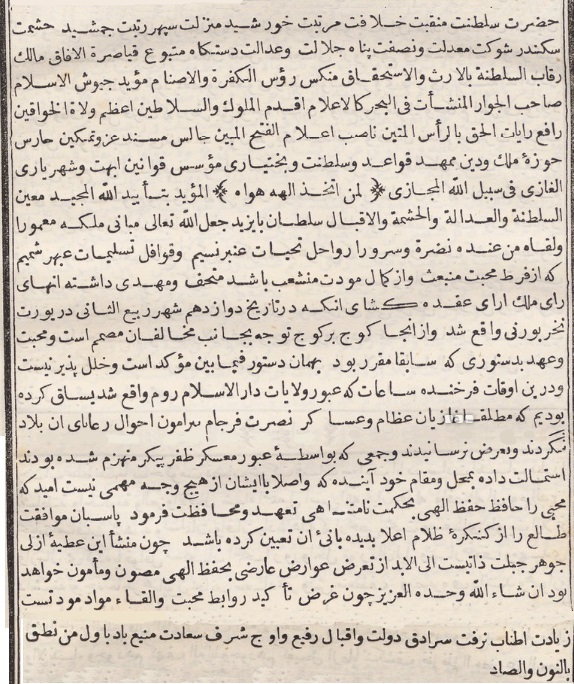
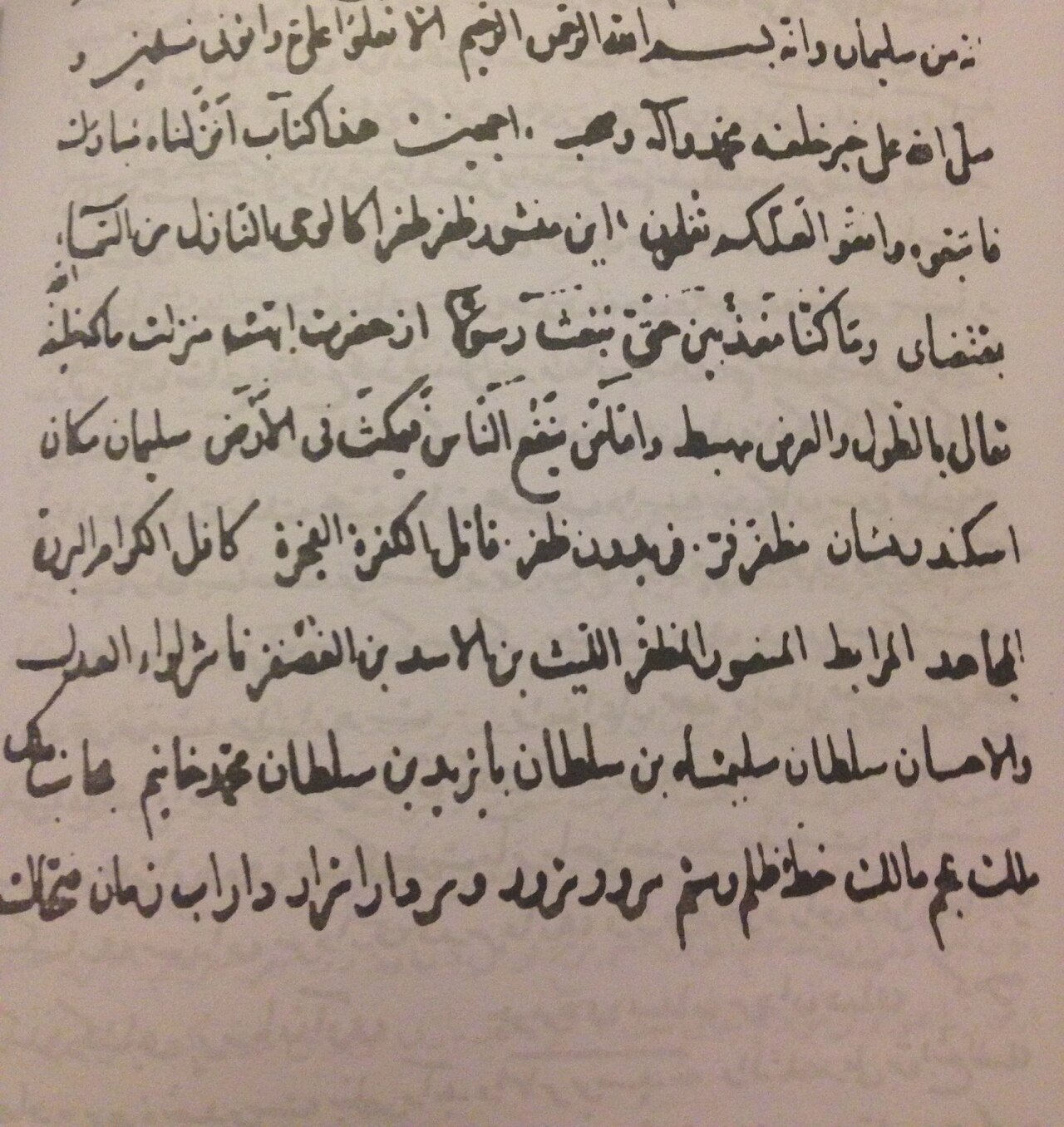
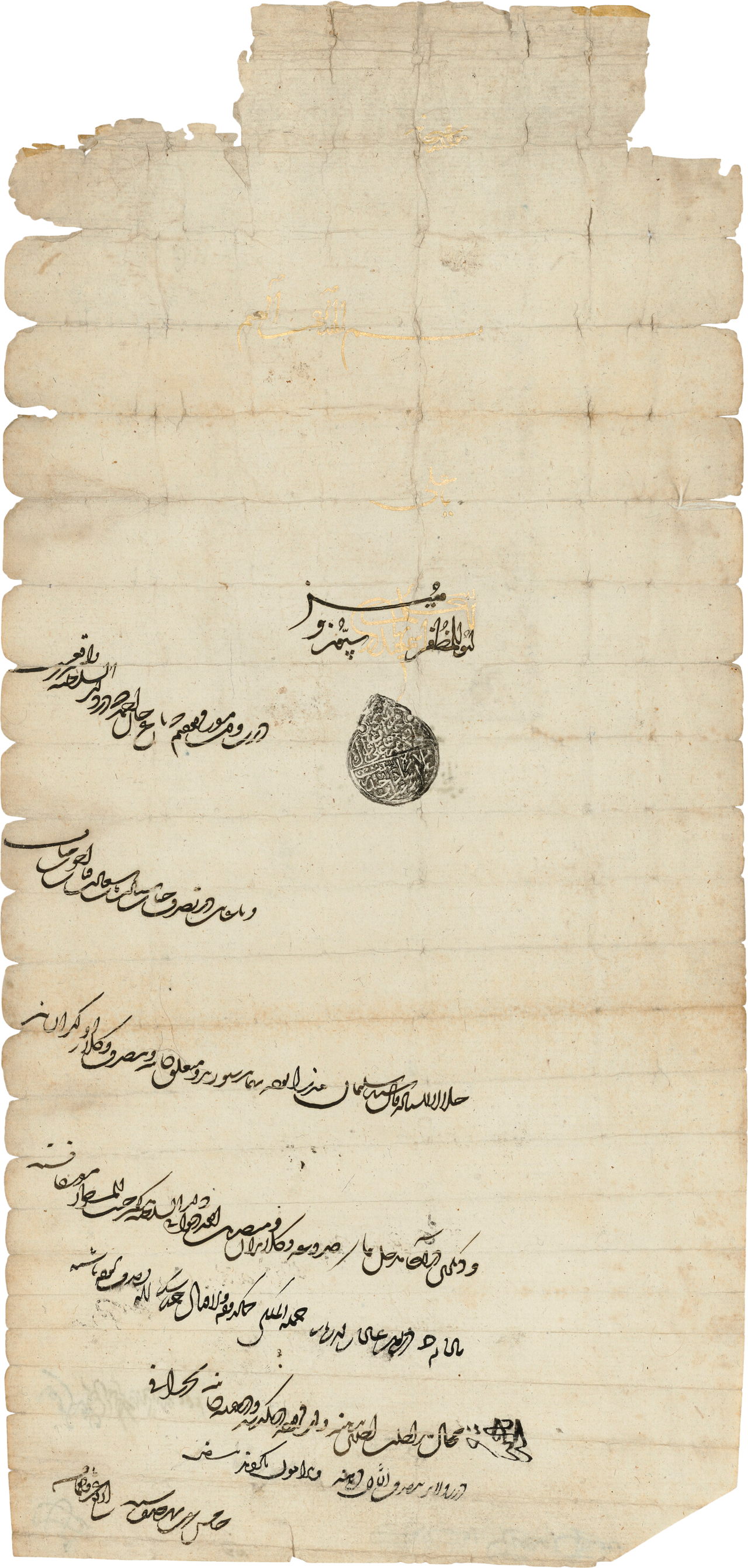
Letter from Şah İsmail to Sultan Bayezid II
Feridun Ahmed Bey · c. 1508
Free account
Read every Ismail I source
Sign up free →
Ready when you are
Start chatting with Ismail I now.
20 messages free · No credit card · Available in 50+ languages.