


Secondary sourcePainting17th century
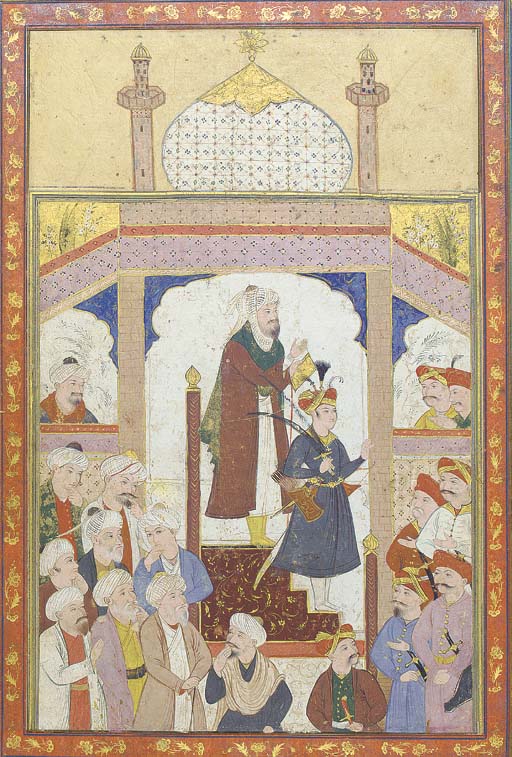
Sheikh Safi Blessing Shah Isma'il
School of Mu'in Musavvir · 17th century
A 17th-century Persian miniature showing Shah Ismail I being blessed by his Sufi ancestor Sheikh Safi al-Din, asserting Safavid legitimacy.
Shows Ismail receiving the blessing of his Sufi ancestor Sheikh Safi, a key claim to his dynasty's legitimacy.
About this source
What it is
This gouache and gold miniature, made in the Isfahan school associated with the painter Mu'in Musavvir in the 17th century, shows Sheikh Safi al-Din standing on a mosque's minbar, holding a Qur'an and blessing Shah Isma'il I, who stands on a lower step below him, surrounded by courtiers.
Why it matters
The painting is a statement of Safavid legitimacy. Shah Isma'il I founded the Safavid dynasty in the early 16th century by defeating rivals and uniting Iran. His family claimed descent from Sheikh Safi al-Din, a Sufi spiritual leader whose religious order eventually grew into the royal dynasty. Painted long after both men lived, the image was meant to remind viewers that Isma'il's rule was sanctioned by a holy ancestor, not just by conquest.
Look closer
- Why might later Safavid rulers want images like this made, decades after Isma'il's reign?
- What details show that Sheikh Safi is meant to look more important than Isma'il?
- How does this image mix religion and political power?
This painting is part of the curated material that grounds the AI version of Ismail I on Humy.ai — when students ask about related events, the AI can quote it and cite it.
More Ismail I sources
Browse all 92 →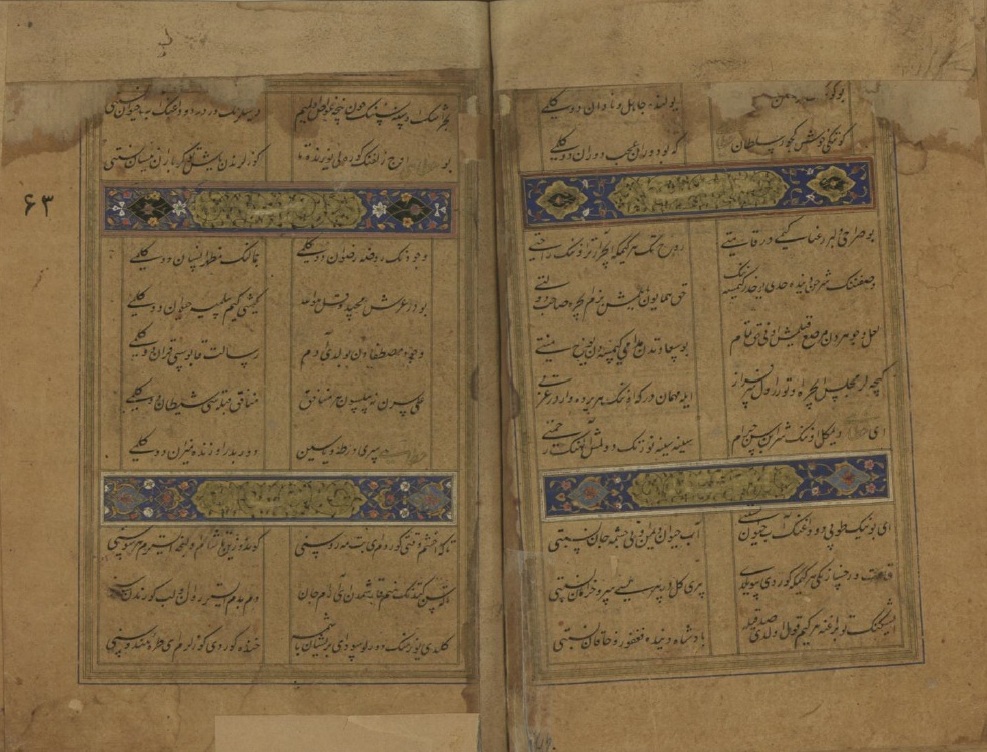 Book
Primary source
Diwan of Shah Ismail Khatai
Ismail I (as Khata'i)
 Painting
Secondary source
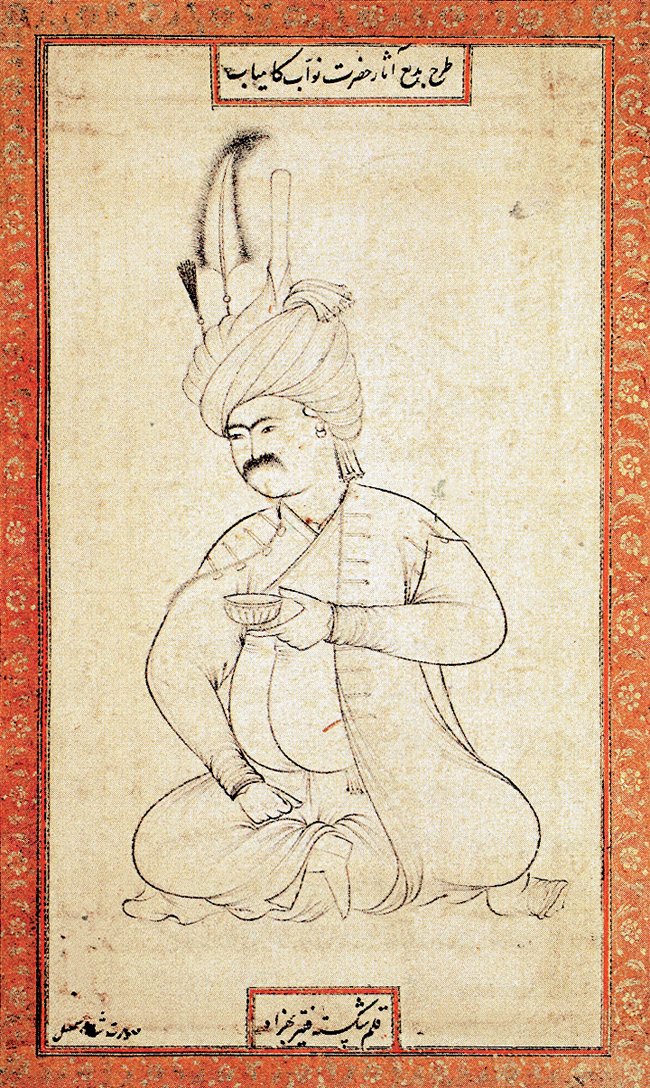
Portrait of Ismail I
Attributed to Kamal al-din Behzad (posthumous copy)
 Painting
Secondary source
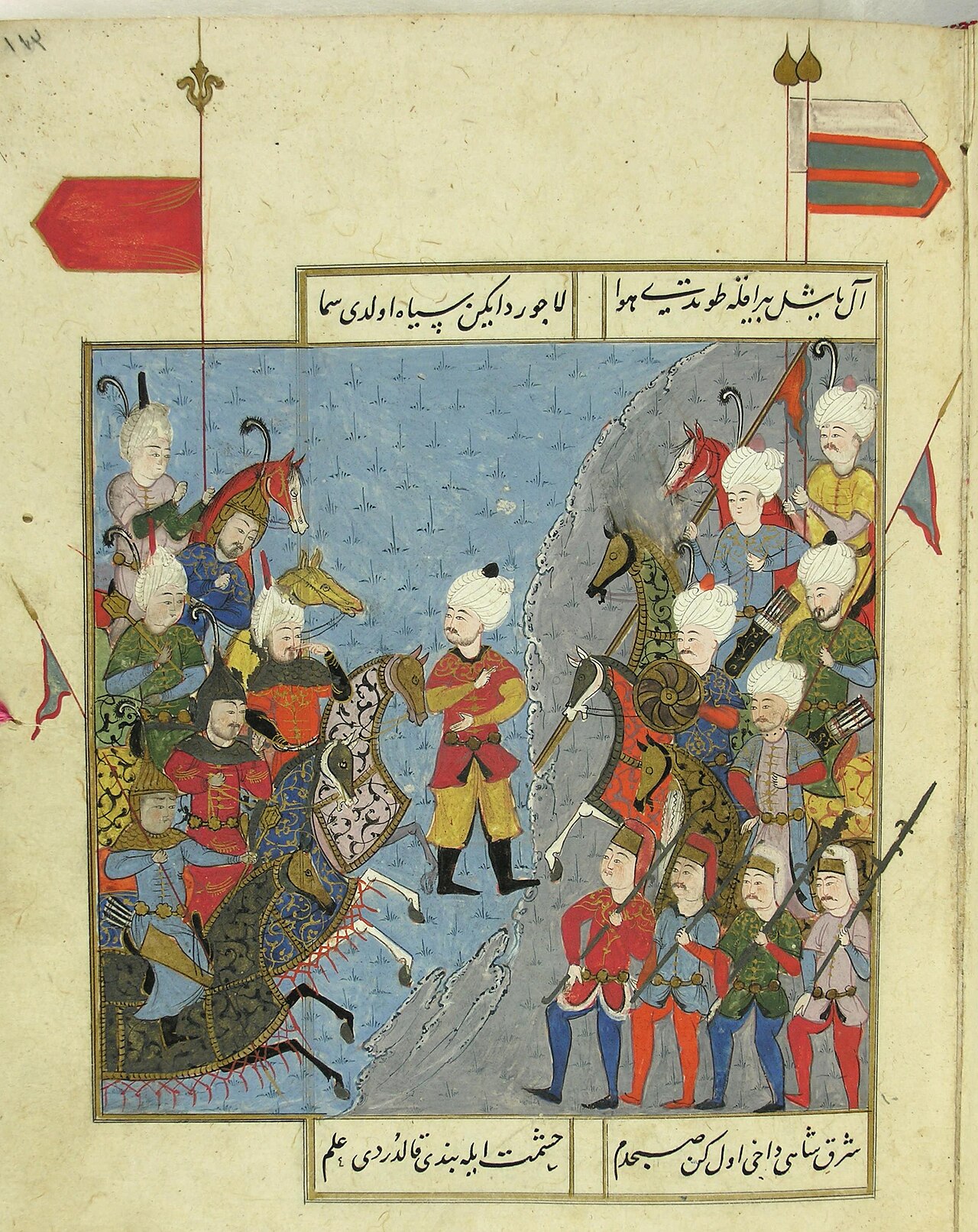
Shah Ismail at the Battle of Chaldiran
Unknown Ottoman court artist · c. 1525-1530
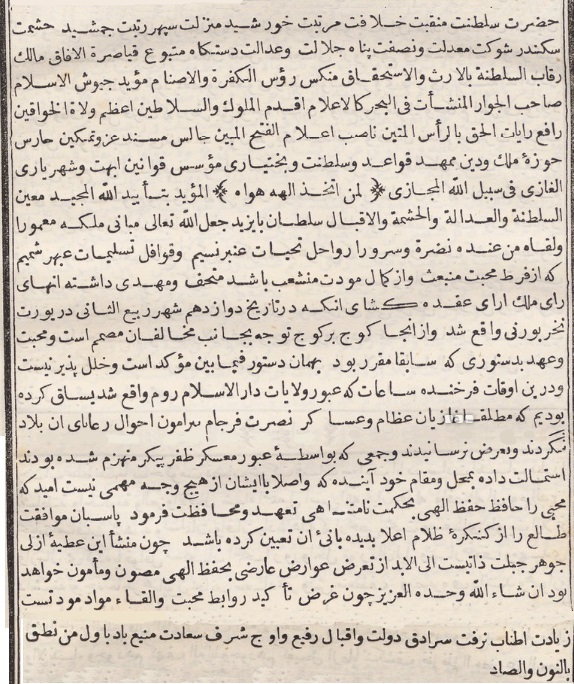 Letter
Secondary source
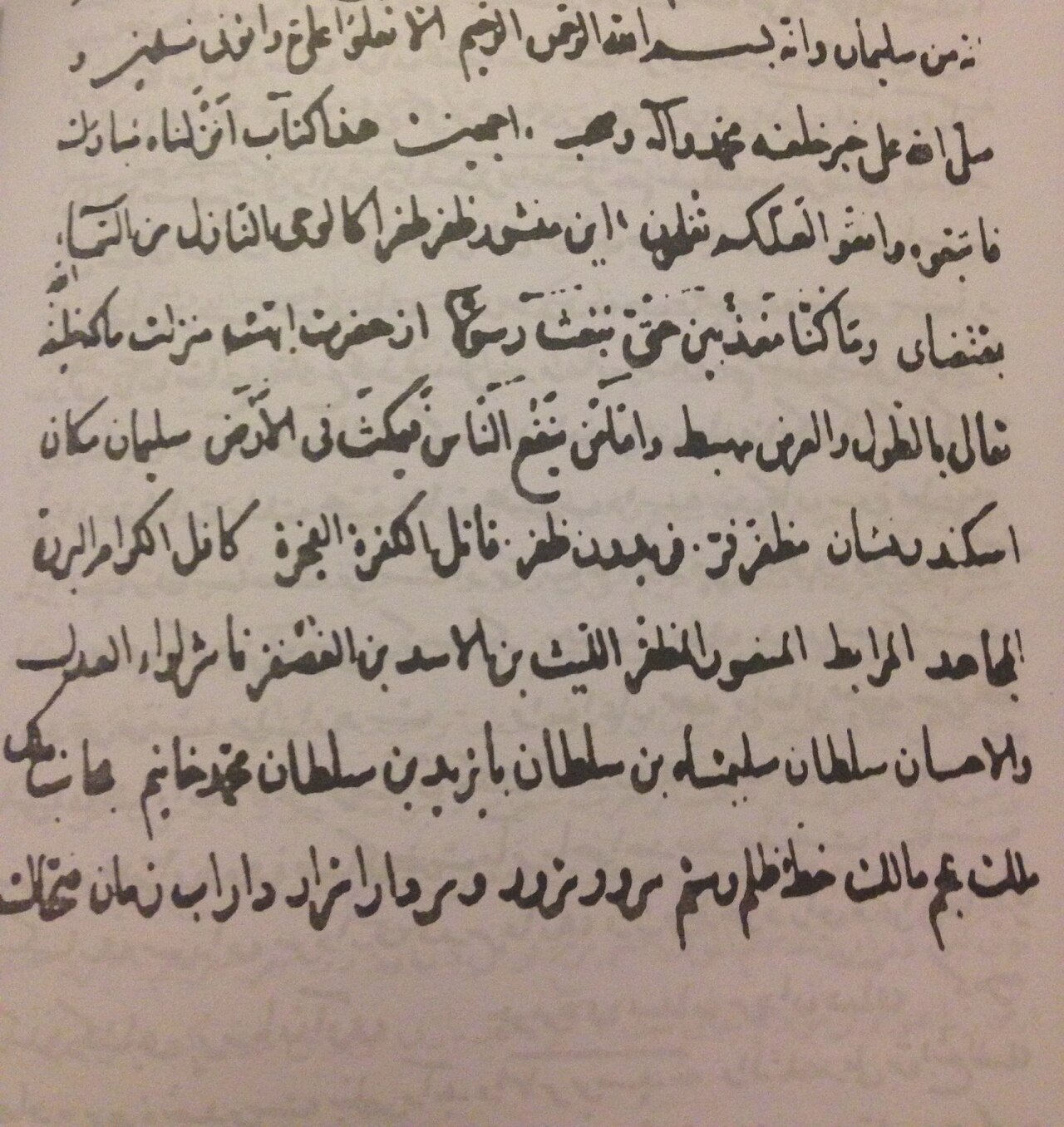
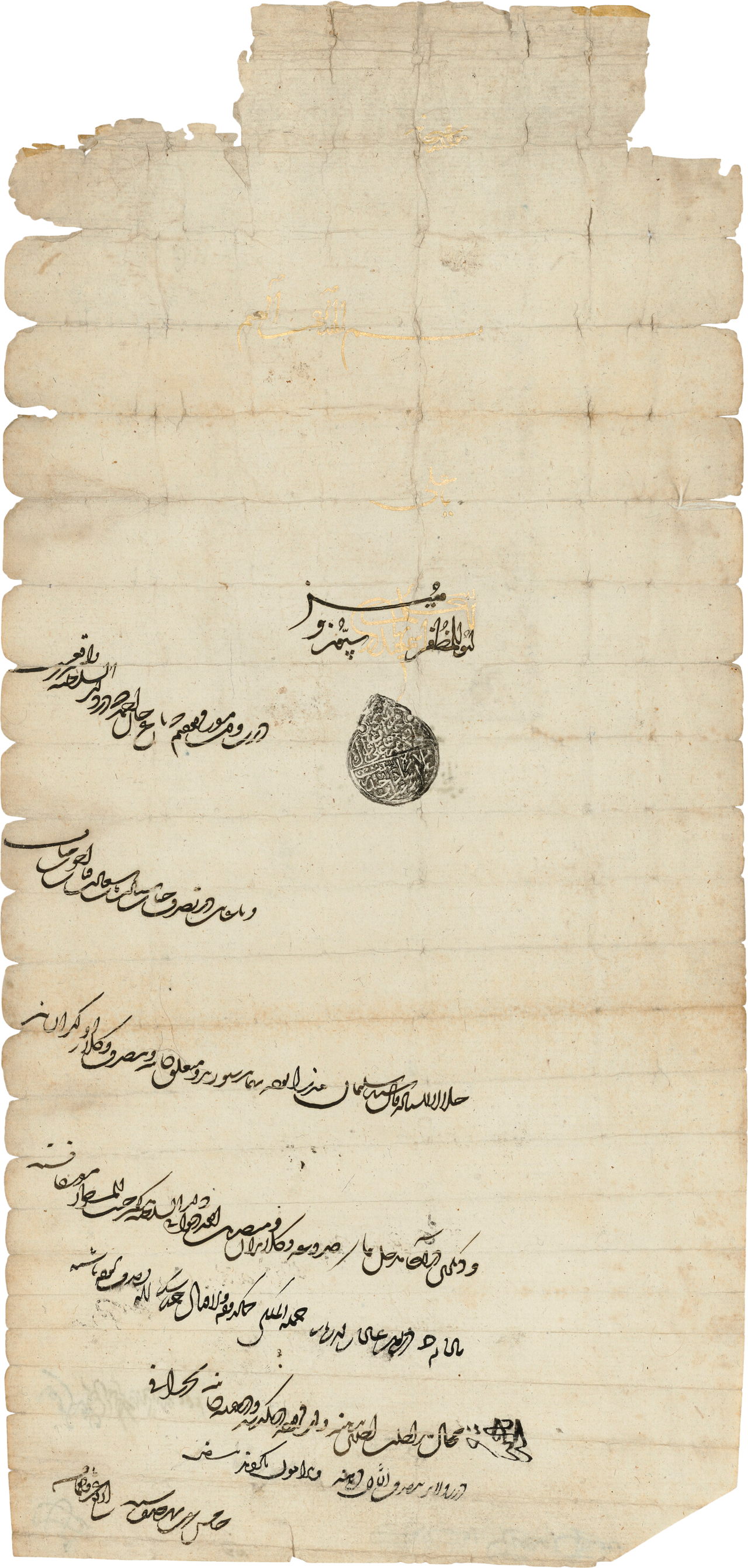
Letter from Şah İsmail to Sultan Bayezid II
Feridun Ahmed Bey · c. 1508
Free account
Read every Ismail I source
Sign up free →
Ready when you are
Start chatting with Ismail I now.
20 messages free · No credit card · Available in 50+ languages.