


Primary sourceDocument1899
Sherlock Holmes
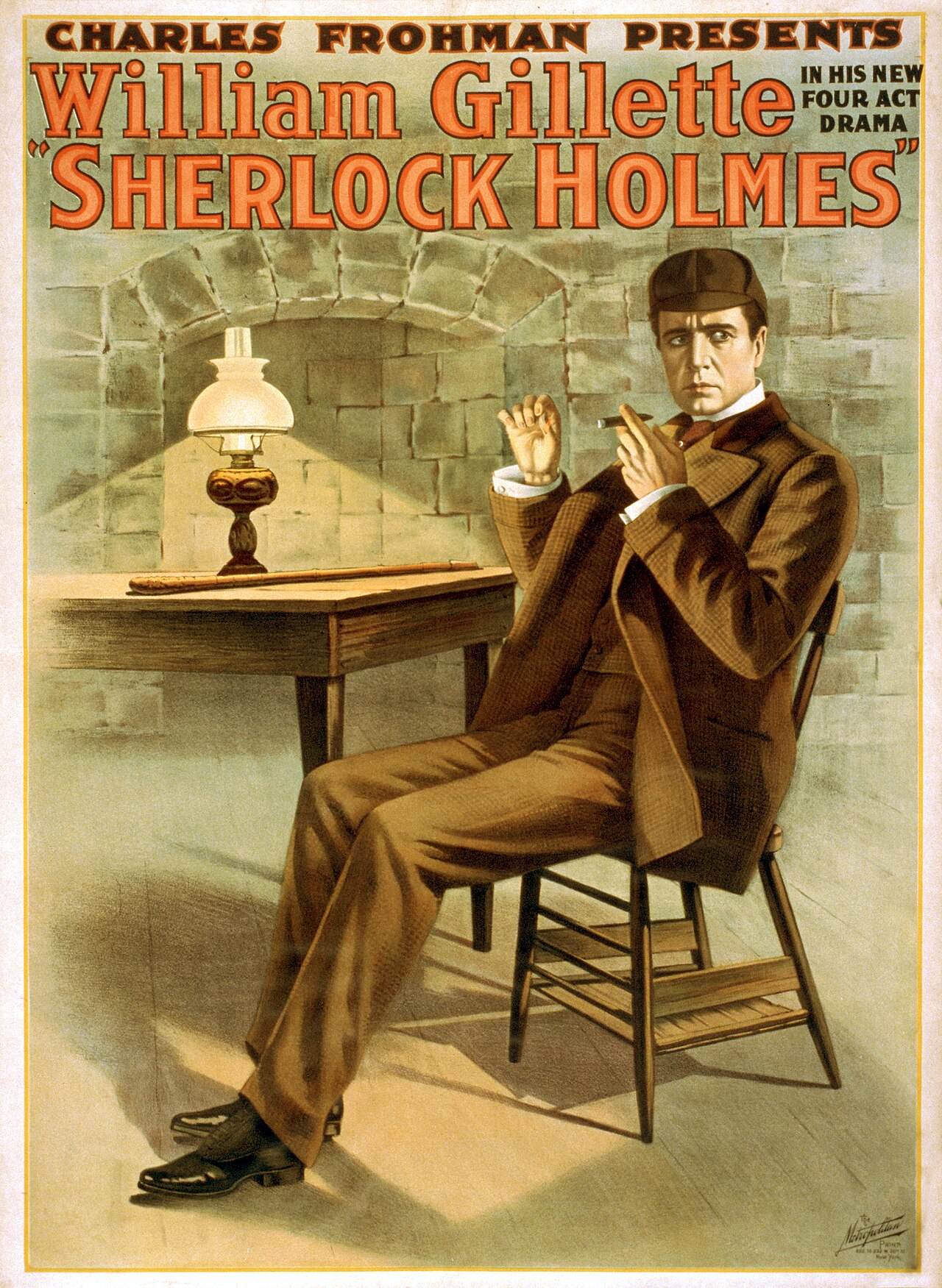
William Gillette and Arthur Conan Doyle · 1899
A 1899 stage play co-credited to Doyle and William Gillette that shaped the popular image of Sherlock Holmes.
Doyle received co-author credit for this stage adaptation, which shaped the popular image of his character Sherlock Holmes.
About this source
What it is
This four-act play was written by the American actor William Gillette, based on characters created by Arthur Conan Doyle, who received co-author credit. It premiered on Broadway in 1899 at the Garrick Theatre in New York, produced by Charles Frohman.
Why it matters
Gillette drew on several of Doyle's published Holmes stories but added new material, including a love interest for Holmes and the villain Professor Moriarty under a different first name. Gillette's costume and mannerisms, including the deerstalker cap, helped fix the popular visual image of Holmes that still endures, even though many of these details do not come from Doyle's original stories.
Look closer
- Why do you think Doyle allowed Gillette to take such liberties with his character?
- How did this play change the way people picture Sherlock Holmes, compared to the original stories?
- What does the exchange about being allowed to 'marry, murder, or do anything' to Holmes reveal about Doyle's attitude toward his own creation?
This document is part of the curated material that grounds the AI version of Arthur Conan Doyle on Humy.ai — when students ask about related events, the AI can quote it and cite it.
More Arthur Conan Doyle sources
Browse all 95 →Primary source
The Sign of Four
Arthur Conan Doyle · 1890
 Book
Primary source
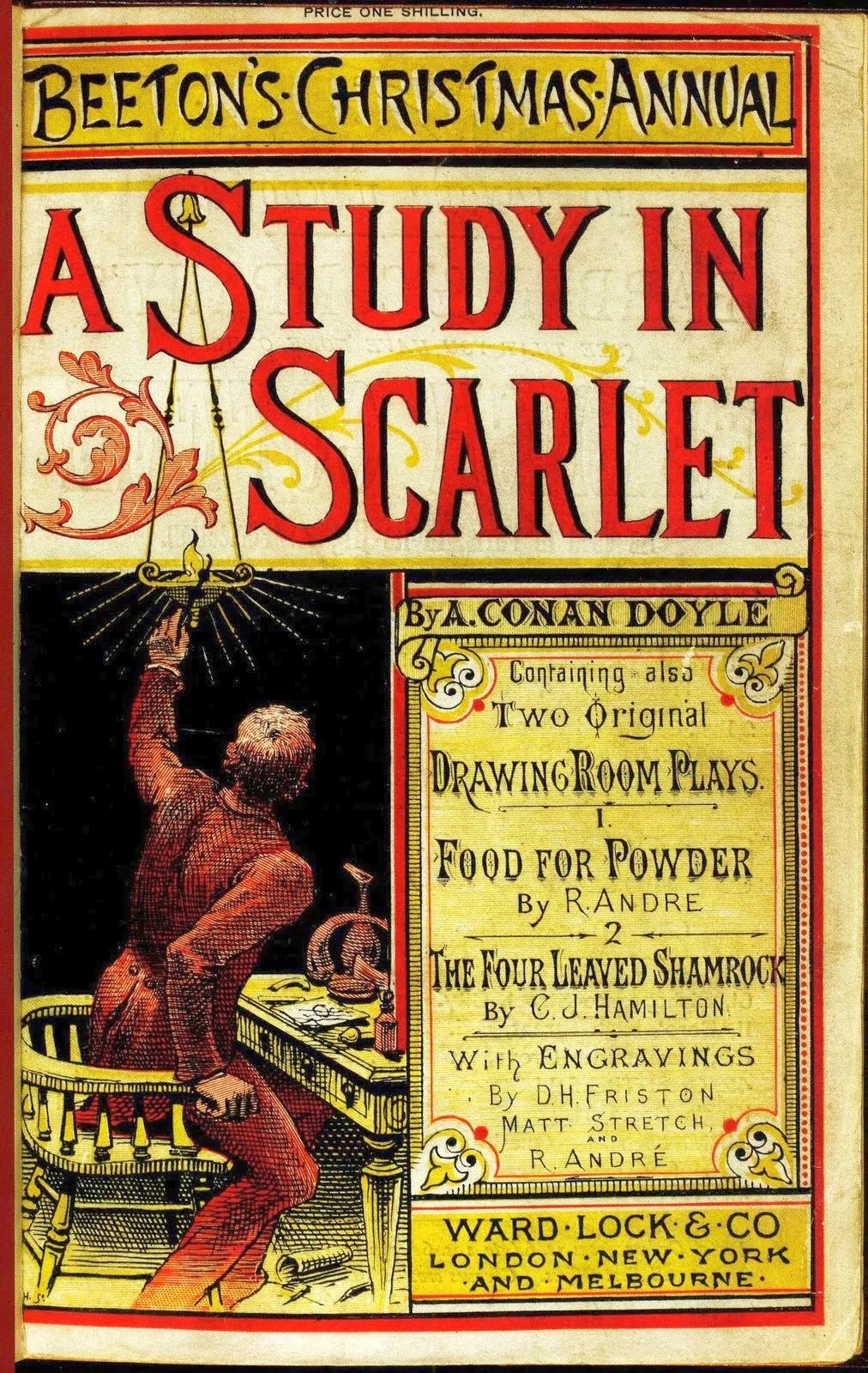
A Study in Scarlet
Arthur Conan Doyle · 1887
 Book
Primary source
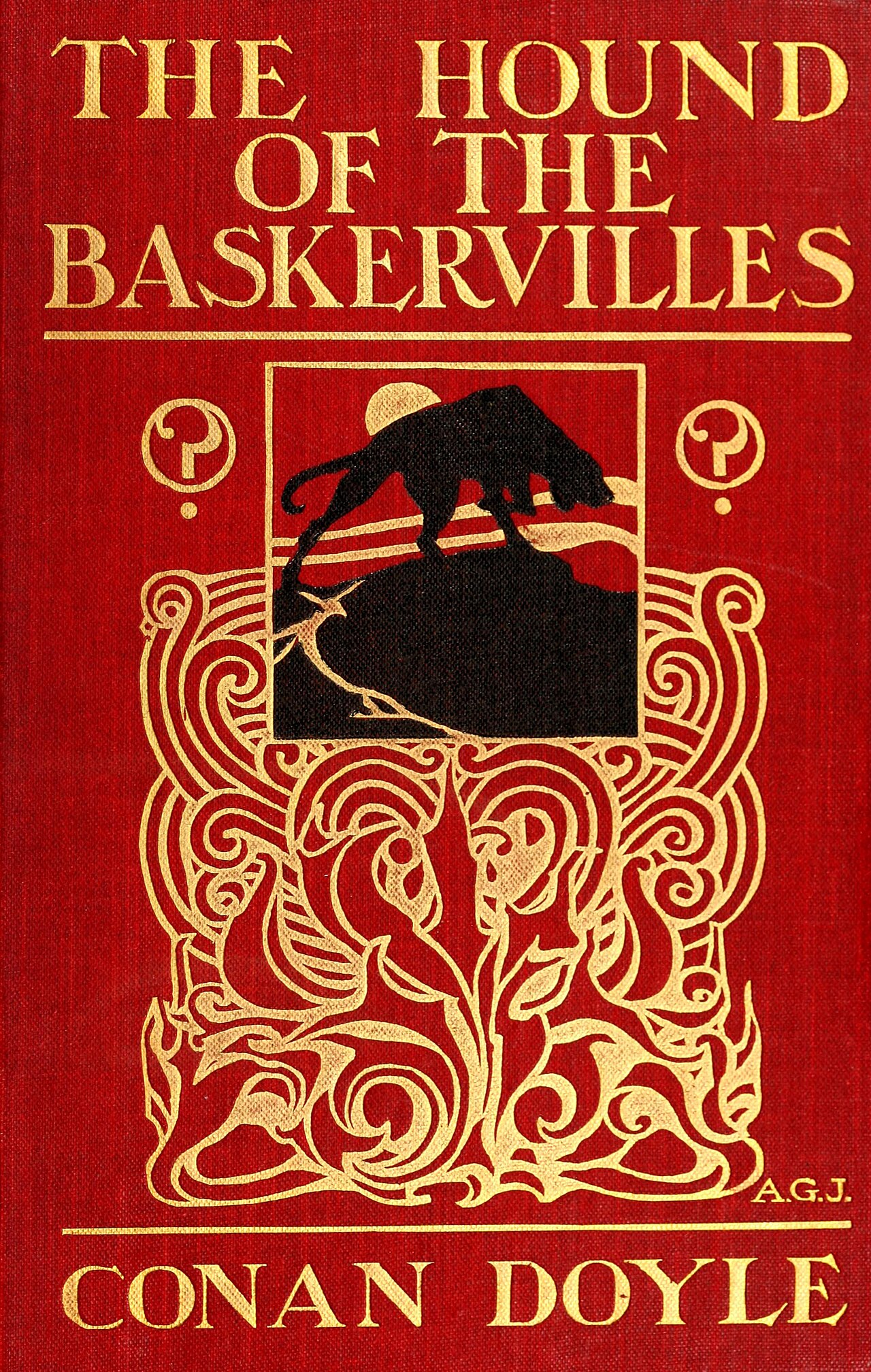
The Hound of the Baskervilles
Arthur Conan Doyle · 1902
Primary source
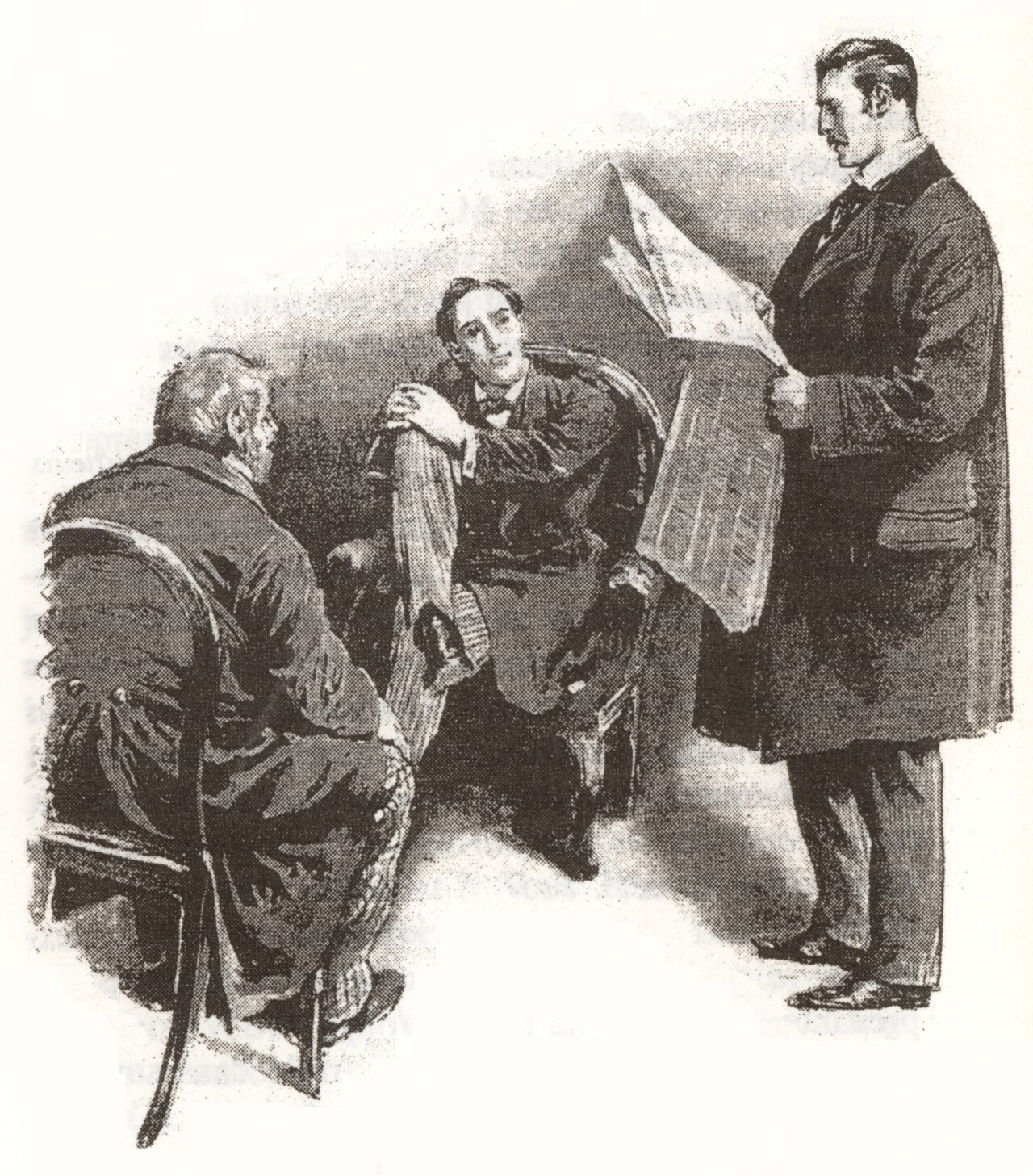
The Adventure of the Speckled Band
Arthur Conan Doyle · 1891
Free account
Read every Arthur Conan Doyle source
Sign up free →
Ready when you are
Start chatting with Arthur Conan Doyle now.
20 messages free · No credit card · Available in 50+ languages.