


Primary sourceDocument1958
Sherman v. United States
Earl Warren · 1958
Warren's 1958 opinion on the entrapment defense in a narcotics case, showing his reasoning on criminal procedure.
Warren wrote this opinion on entrapment, illustrating his approach to criminal justice and government conduct.
About this source
What it is
This is the Supreme Court's majority opinion in Sherman v. United States, written by Chief Justice Earl Warren. The case concerned whether a man's narcotics conviction should be overturned because he had been entrapped by a government informant. The opinion survives as a public-domain legal text, now hosted on Wikisource.
Why it matters
This opinion shows Warren grappling with the limits of government power in law enforcement, a theme that runs through many of his criminal justice rulings. It offers a window into how the Warren Court balanced crime control against fairness to defendants.
Look closer
- What does the description of the informant's relationship with the defendant suggest about how entrapment cases unfold?
- Why might the Court care about distinguishing entrapment from ordinary criminal behavior?
- What is left out of this opening passage that a reader would need to understand the full ruling?
This document is part of the curated material that grounds the AI version of Earl Warren on Humy.ai — when students ask about related events, the AI can quote it and cite it.
More Earl Warren sources
Meet the AI Earl Warren →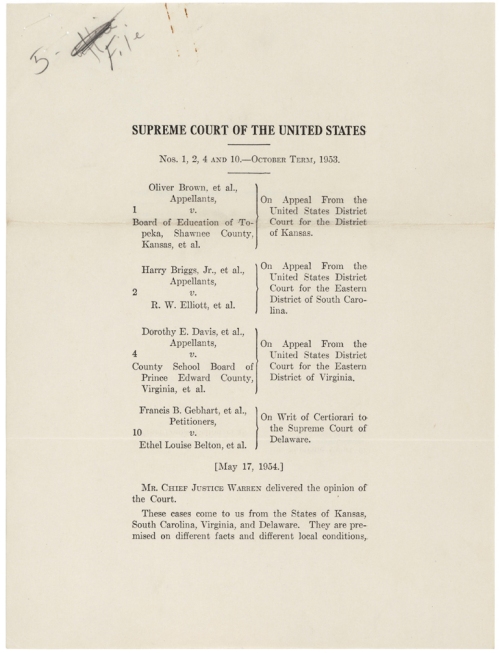 Document
Primary source
Brown v. Board of Education
Earl Warren · 17 May 1954
 Document
Primary source
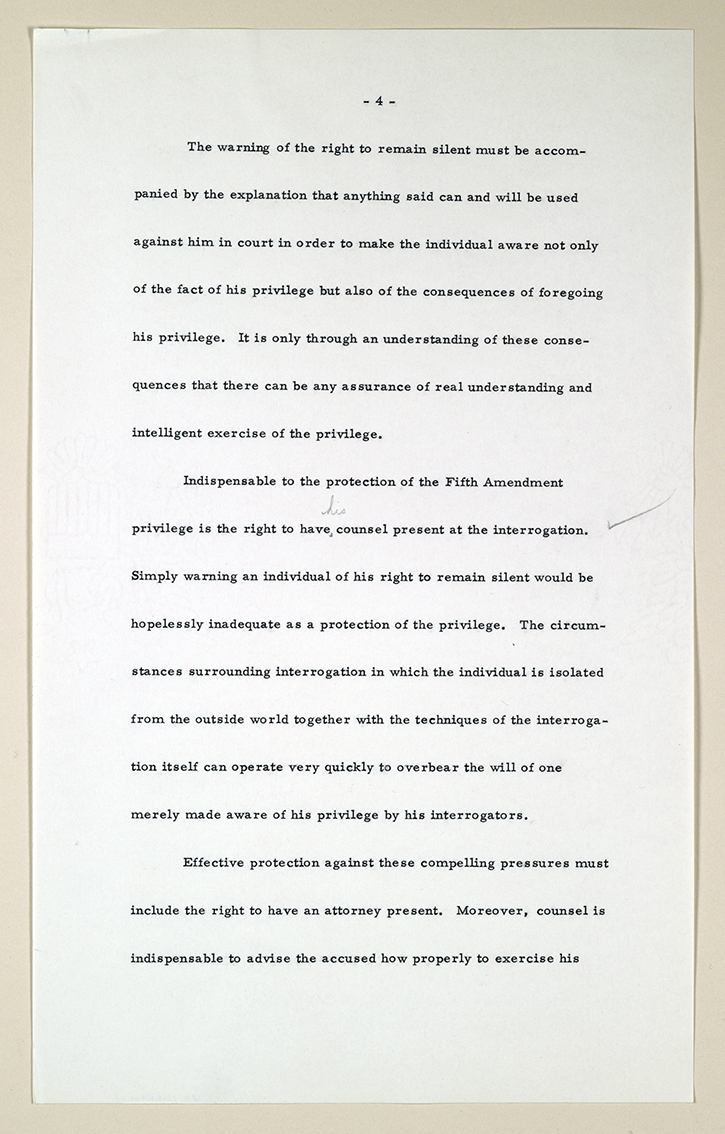
Miranda v. Arizona
Earl Warren · 13 June 1966
Primary source
Reynolds v. Sims
Earl Warren · 1964
Primary source
Loving v. Virginia
Earl Warren · June 1967
 Document
Secondary source
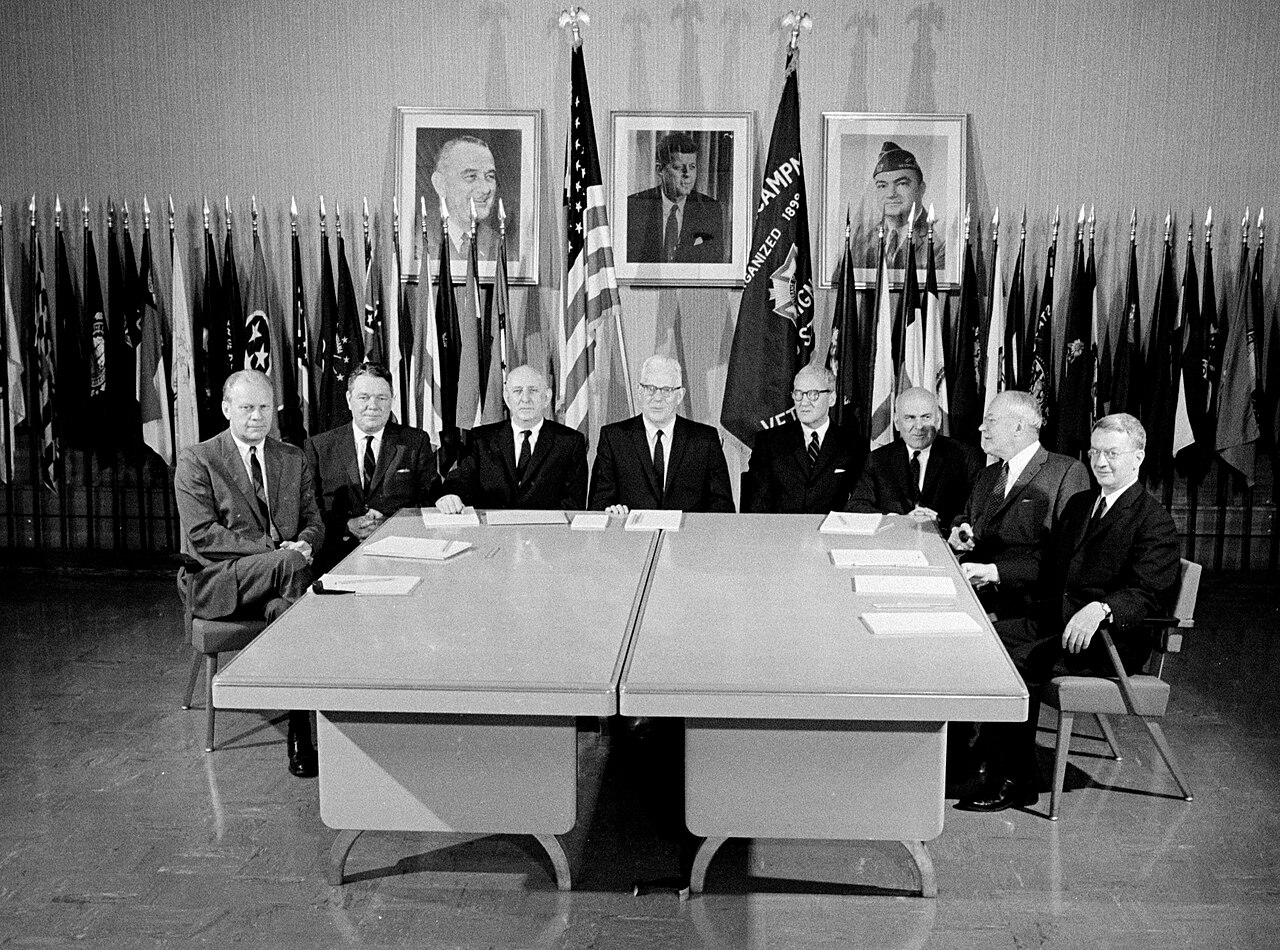
Warren Commission Report
Warren Commission · 24 September 1964
Ready when you are
Start chatting with Earl Warren now.
20 messages free · No credit card · Available in 50+ languages.