


Secondary sourceBook1920
Shevchenko and Mickiewicz as Contemporary Leaders of Their Peoples
A. Korshnivsʹkyĭ · 1920
A 1920 Ukrainian study by A. Korshnivsʹkyĭ that compares Mickiewicz with Taras Shevchenko as prophets of their nations. It was written after the First World War.
A Ukrainian comparison that places Mickiewicz beside Shevchenko as a national prophet of a people's hopes for independence.
Free Humy account · No credit card · 120,912 sources to read
About this source
What it is
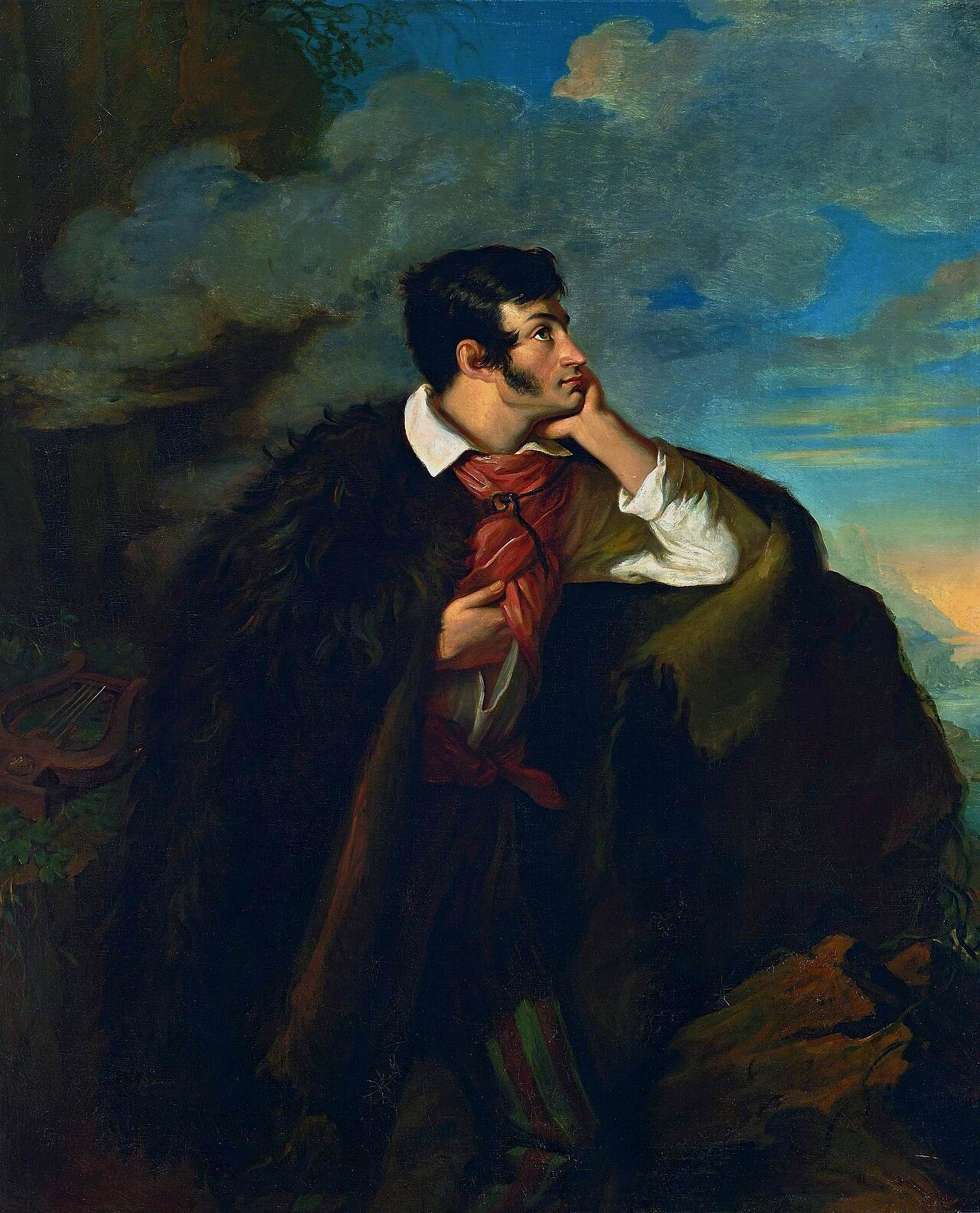
This is a Ukrainian-language study by A. Korshnivsʹkyĭ, published in 1920, that compares the poets Taras Shevchenko and Adam Mickiewicz. The opening describes the Ukrainian and Polish peoples as nations whose state hopes had seemed lost under Russian rule before the world war. The author calls Shevchenko the prophet of the Ukrainian people and Mickiewicz the prophet of the Polish people. The scanned copy is held by the Internet Archive, from the Elias Czaykowsky collection.
Why it matters
The study shows how Ukrainian writers after the First World War read Mickiewicz alongside their own national poet. It reveals that the two poets were linked in the imagination of their peoples as moral guides in hard times, and that their legacies were used in debates about independence.
Look closer
- Why does the author describe both nations as having been bound by Russian politics, and what does that claim assume?
- What does it mean to call a dead poet a 'prophet' of a people, and who gets to decide that?
- Which Polish or Ukrainian readers are absent from this comparison?
This book is part of the curated material that grounds the AI version of Adam Mickiewicz and Taras Shevchenko on Humy.ai — when students ask about related events, the AI can quote it and cite it.
More Adam Mickiewicz sources
Browse all 95 →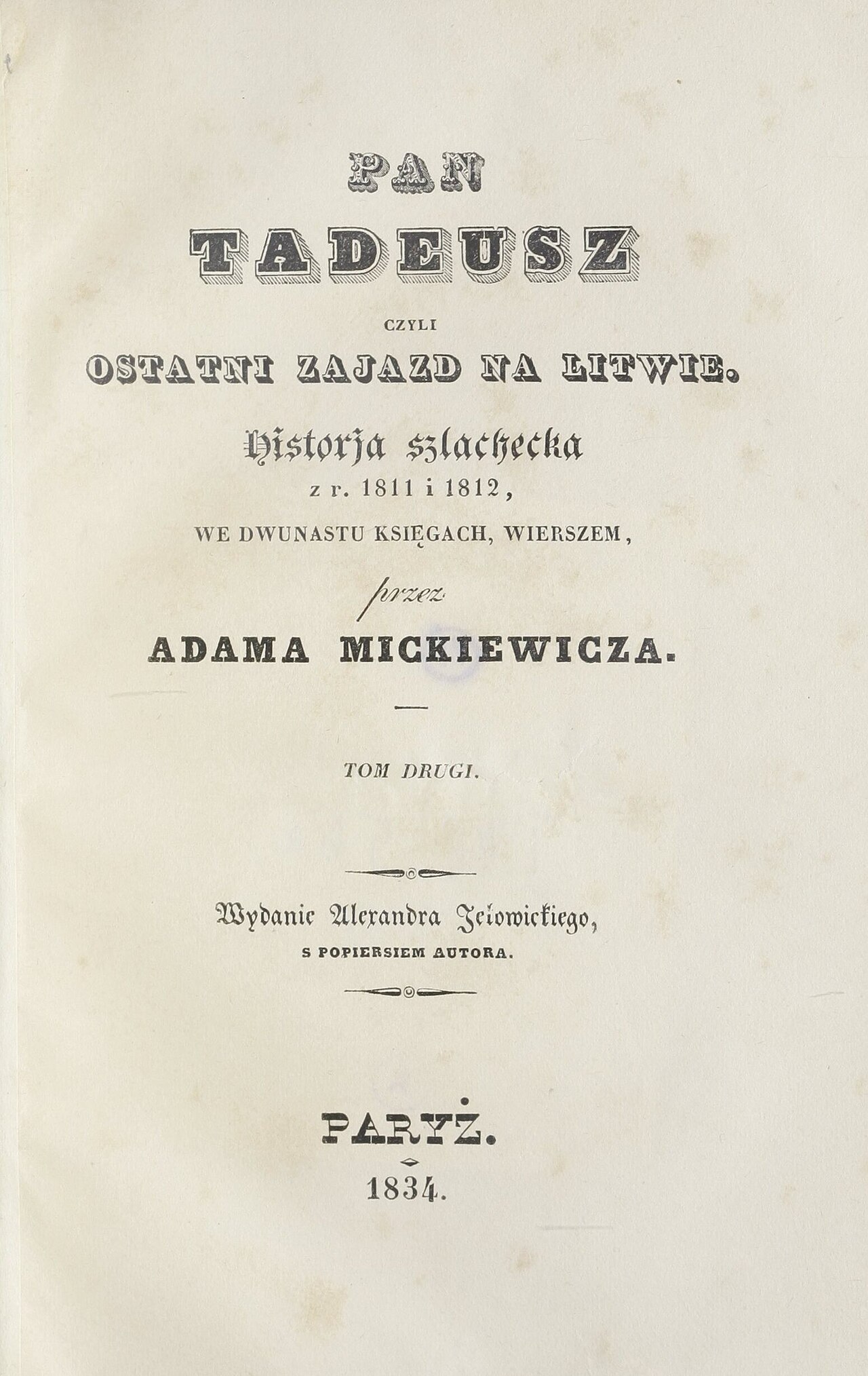 Book
Primary source
Pan Tadeusz
Adam Mickiewicz · 28 June 1834
 Book
Primary source
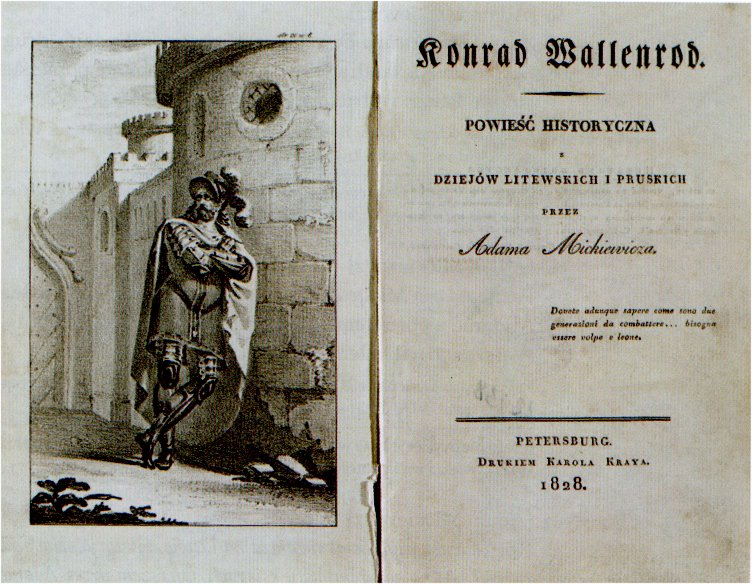
Konrad Wallenrod
Adam Mickiewicz · 1828
 Book
Primary source
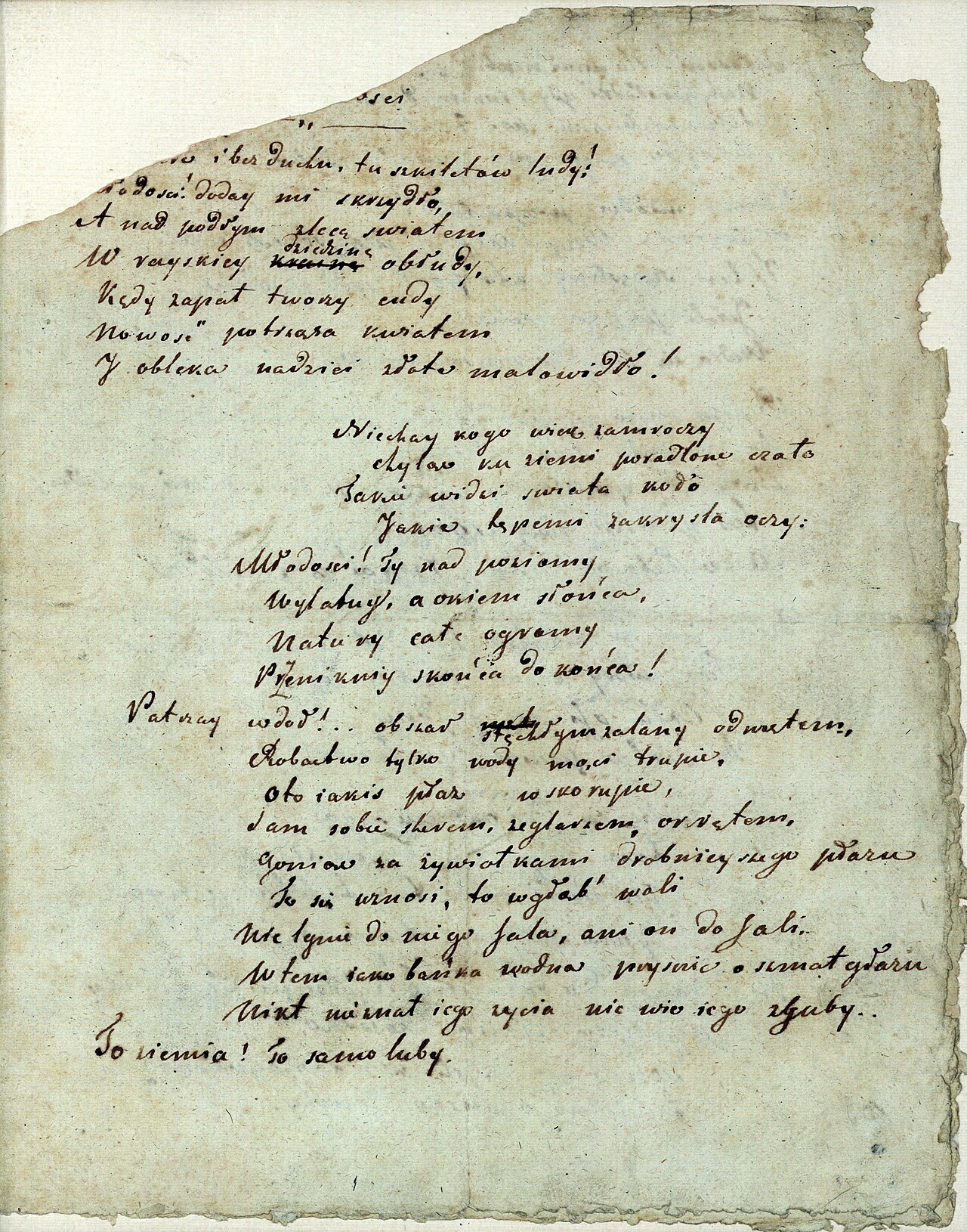
Ode to Youth
Adam Mickiewicz · 1820
 Book
Primary source
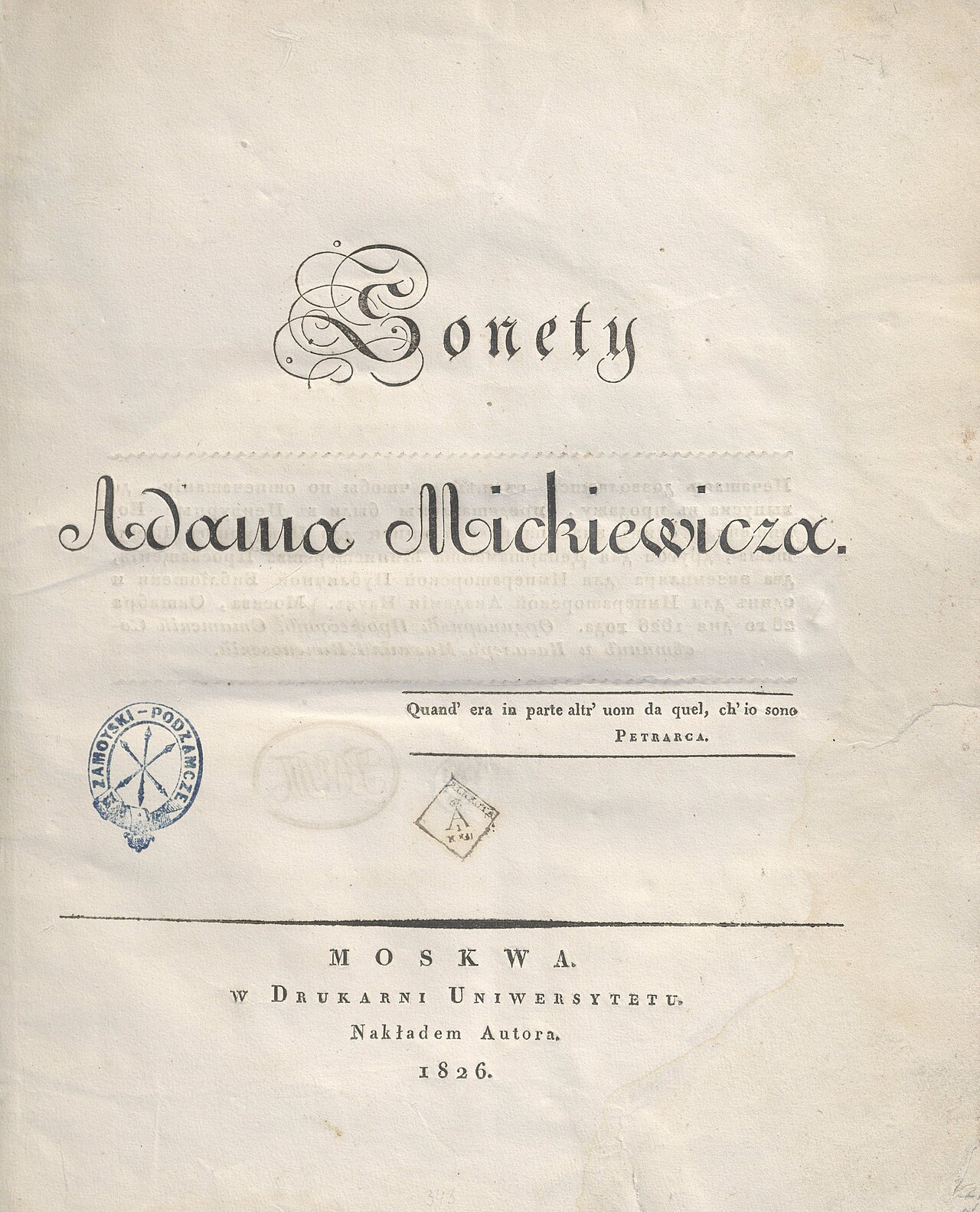
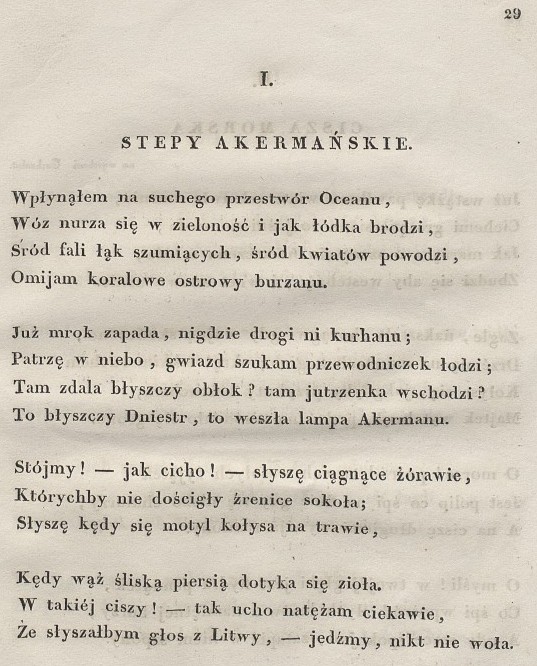
Sonnets from the Crimea
Adam Mickiewicz · 1826
Free account
Read every Adam Mickiewicz source
Sign up free →
Ready when you are
Start chatting with Adam Mickiewicz now.
20 messages free · No credit card · Available in 50+ languages.