


Primary sourceArtifactbuilt 19th century; museum since 1986
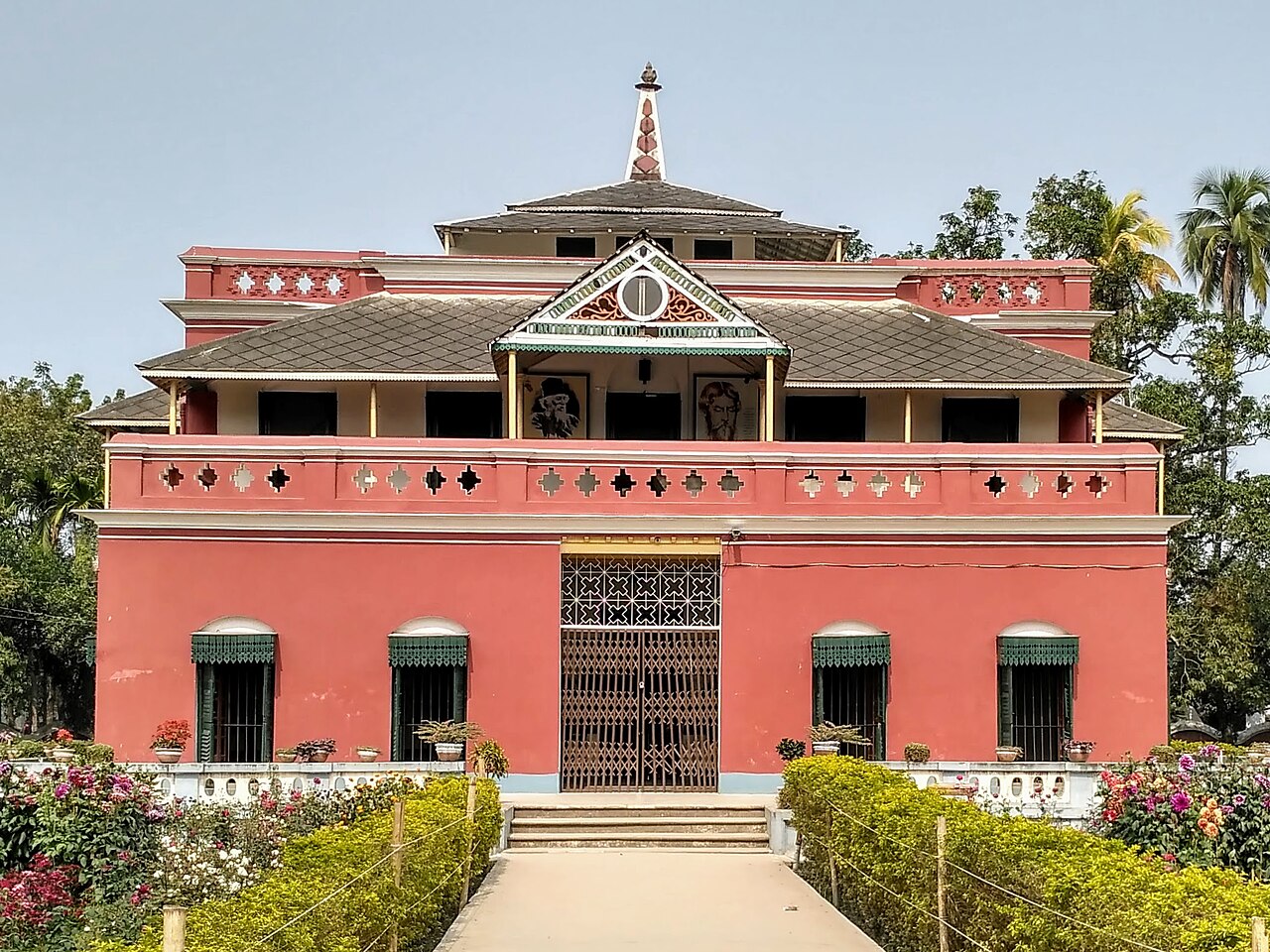
Shilaidaha Rabindra Kuthibadi
built 19th century; museum since 1986
The riverside manor house on the Padma where Tagore managed his family's estates in the 1890s and wrote many works, now a museum.
Tagore lived in and managed this estate house, where he wrote many stories and his Gitanjali translations.
About this source
What it is
This is a manor house in the village of Shilaidaha, Bangladesh, built originally by an indigo planter and later owned by the Tagore family. It became a museum in 1986 and holds photographs and personal items of Rabindranath Tagore.
Why it matters
Tagore lived here in the 19th century while managing the family estates along the Padma River. The quiet rural surroundings inspired many of his stories and poems, including his translations of Gitanjali. The house shows how Tagore's life as a landlord shaped the themes of rural Bengal found throughout his writing.
Look closer
- What does the grand architecture of the house tell you about the Tagore family's wealth and status?
- Why might living by a river have influenced Tagore's writing?
- What is missing from this building today compared to when Tagore lived there?
This artifact is part of the curated material that grounds the AI version of Rabindranath Tagore on Humy.ai — when students ask about related events, the AI can quote it and cite it.
More Rabindranath Tagore sources
Meet the AI Rabindranath Tagore →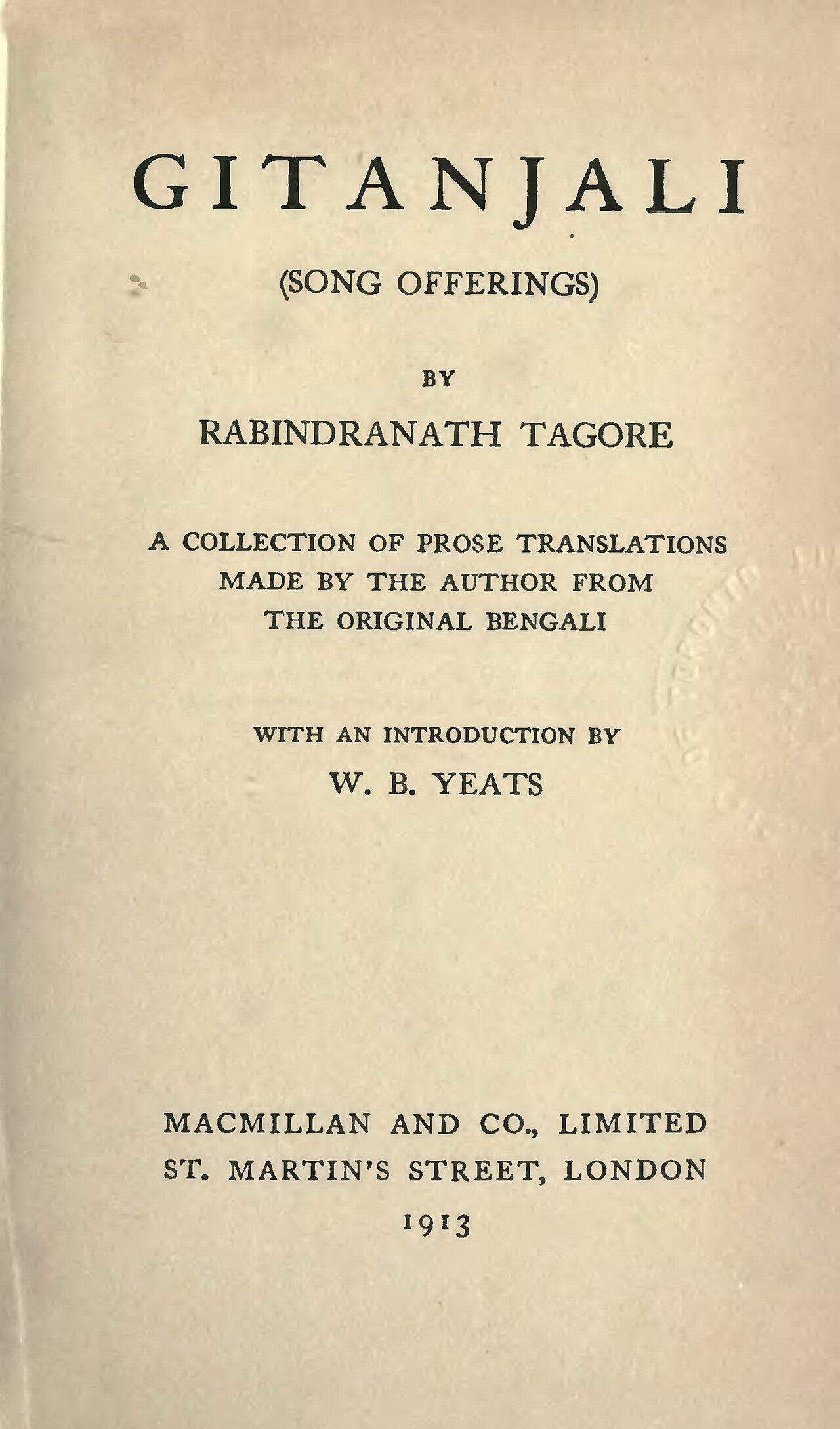 Book
Primary source
Song Offerings
Rabindranath Tagore · 1912
 Photograph
Primary source
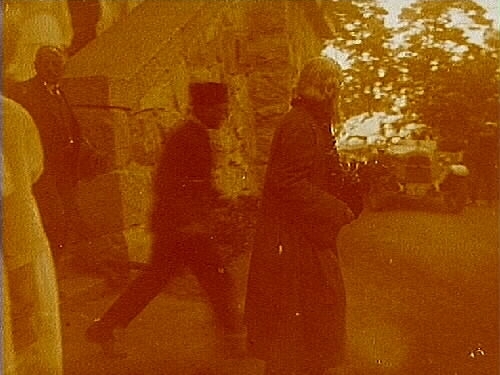
Tagore Leaves the Sigtuna Foundation
Bertil Waldén · May 1921
BookPrimary source
Gitanjali
Rabindranath Tagore · 1910
 Photograph
Primary source
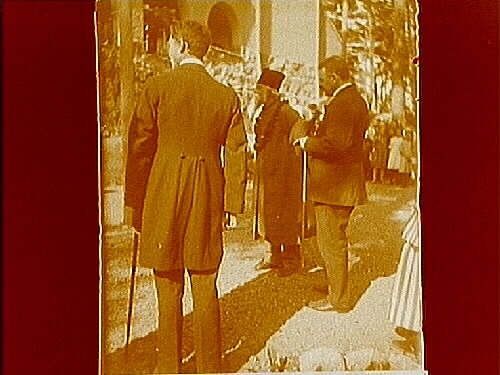
Tagore with K.B. Westman and M. Björkqvist
Bertil Waldén · May 1921
 Document
Primary source
Jana Gana Mana
Rabindranath Tagore · 11 December 1911
Ready when you are
Start chatting with Rabindranath Tagore now.
20 messages free · No credit card · Available in 50+ languages.