


Primary sourcePainting1832
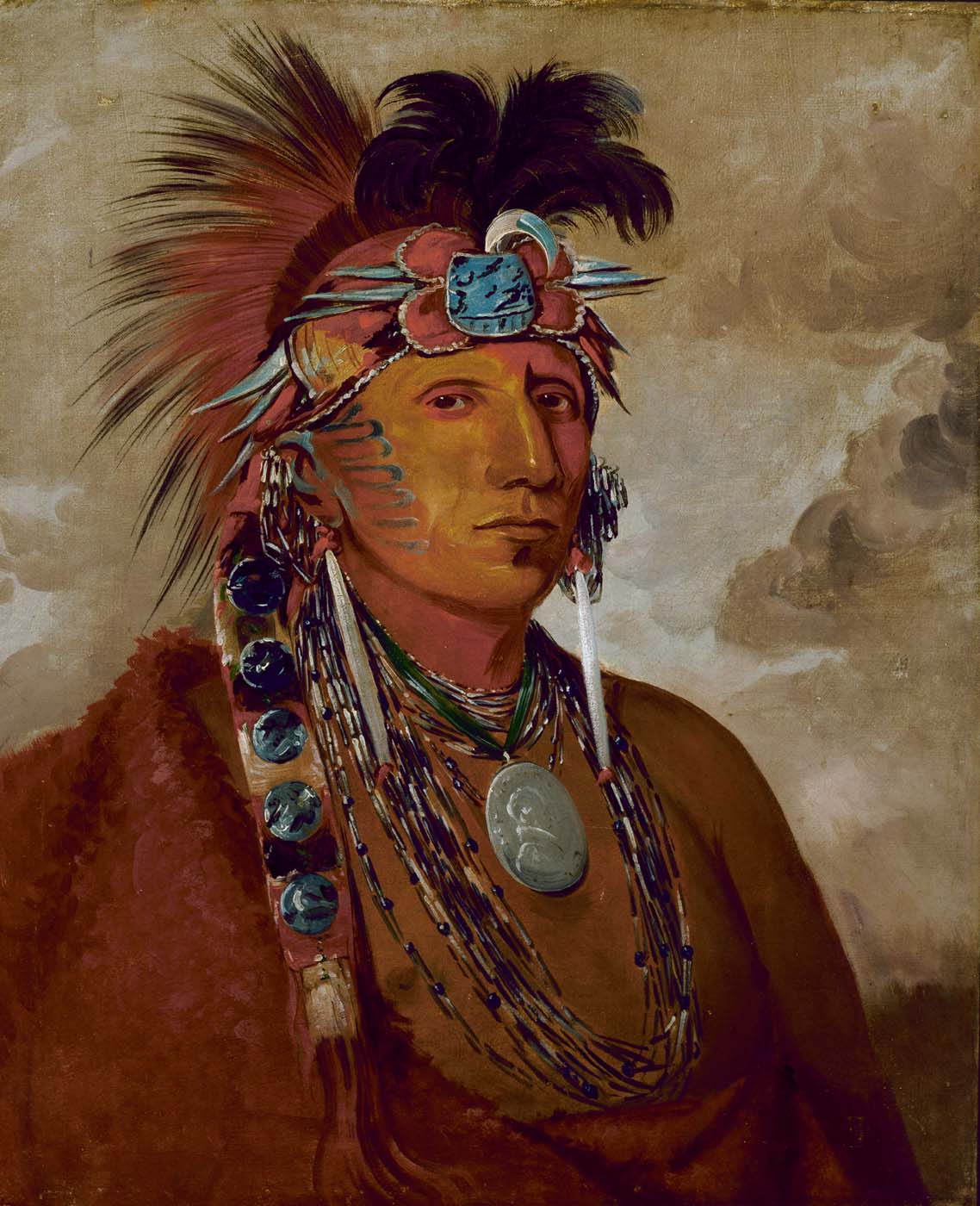
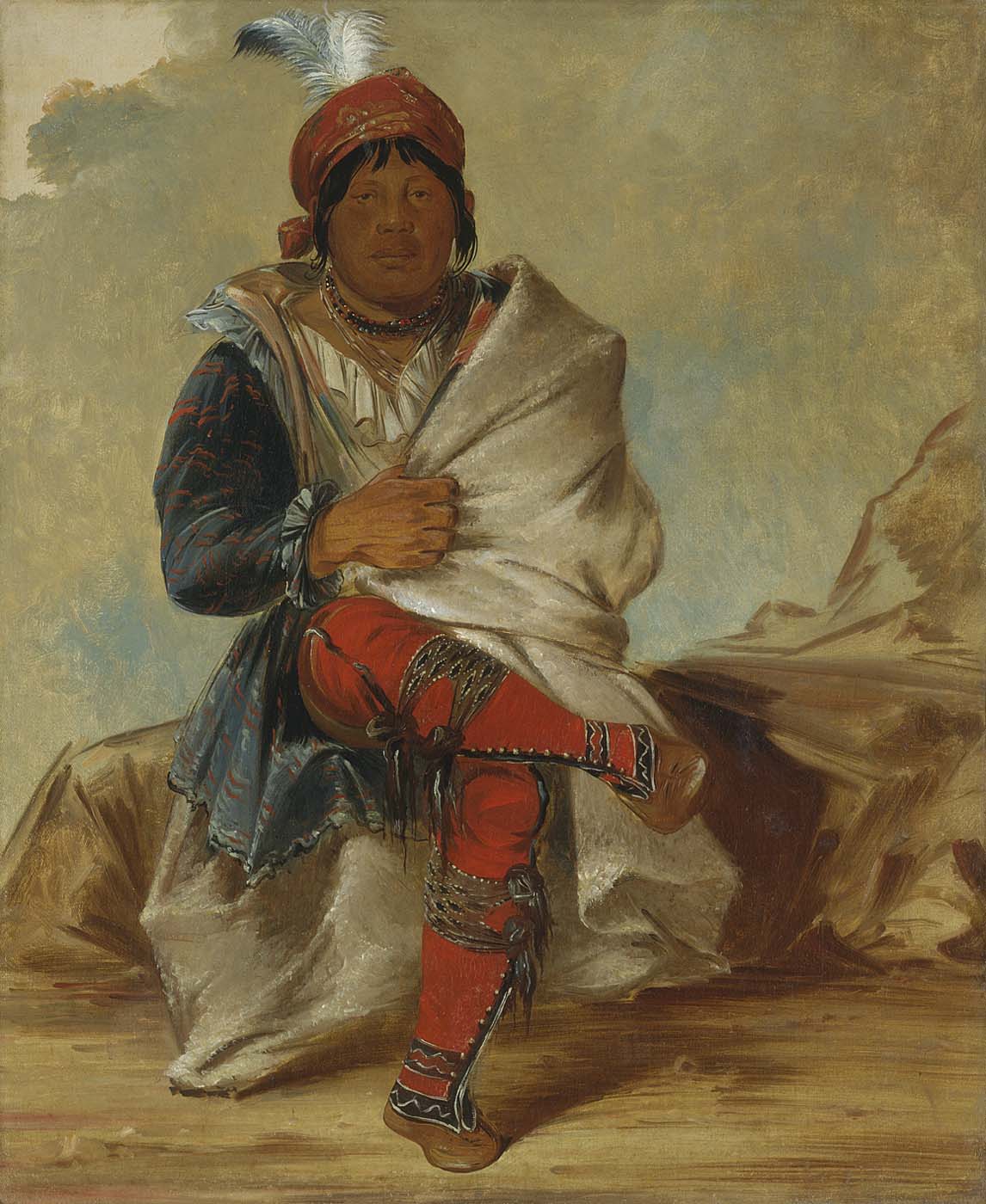
Shó-me-kós-see, The Wolf, a Chief
George Catlin · 1832
An 1832 portrait by George Catlin of a Native American chief, part of the same series of Native leader portraits that included Osceola.
Part of the same Catlin portrait series as Osceola's own portrait, showing how Native leaders of the era were depicted.
About this source
What it is
This oil painting, made in 1832 by the artist George Catlin, portrays a Native American man identified as Shó-me-kós-see, 'The Wolf,' a chief. He is shown wearing a feathered headdress, blue face paint, layered bead necklaces, a pendant, and a fur-trimmed robe.
Why it matters
George Catlin was known for painting a series of portraits of Native American leaders during this period, a series that also included a portrait of Osceola. Comparing these portraits shows how Catlin represented different Indigenous leaders and how he chose to depict their clothing, expressions, and status.
Look closer
- What details did Catlin choose to include about this chief's appearance and why might they matter?
- How might this portrait compare to Catlin's painting of Osceola?
- What can and can't a painted portrait tell us about a real historical person?
This painting is part of the curated material that grounds the AI version of Osceola and George Catlin on Humy.ai — when students ask about related events, the AI can quote it and cite it.
More Osceola sources
Meet the AI Osceola →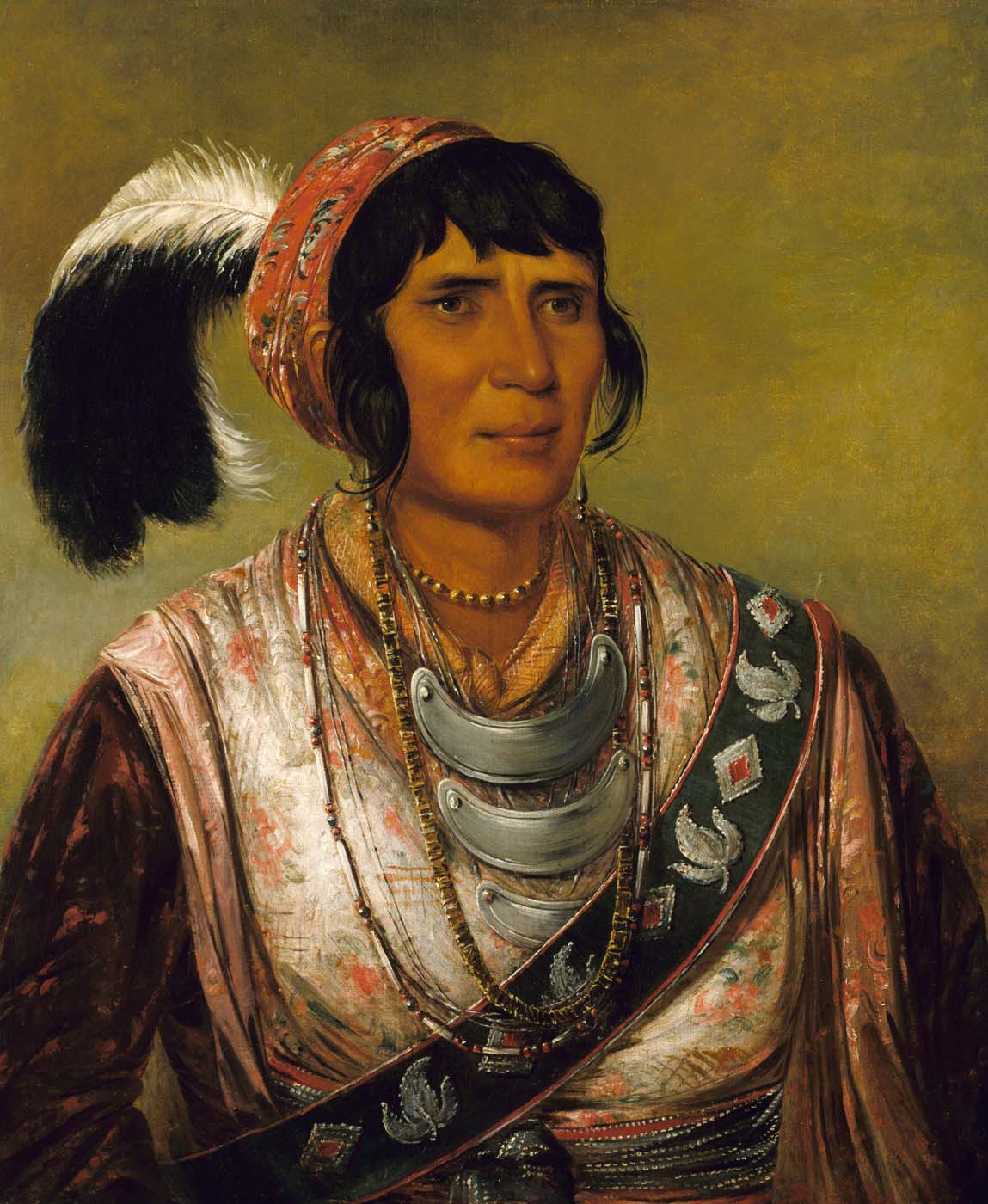 Painting
Primary source
Osceola, The Black Drink, a Warrior of Great Distinction
George Catlin · 1838
 Painting
Primary source
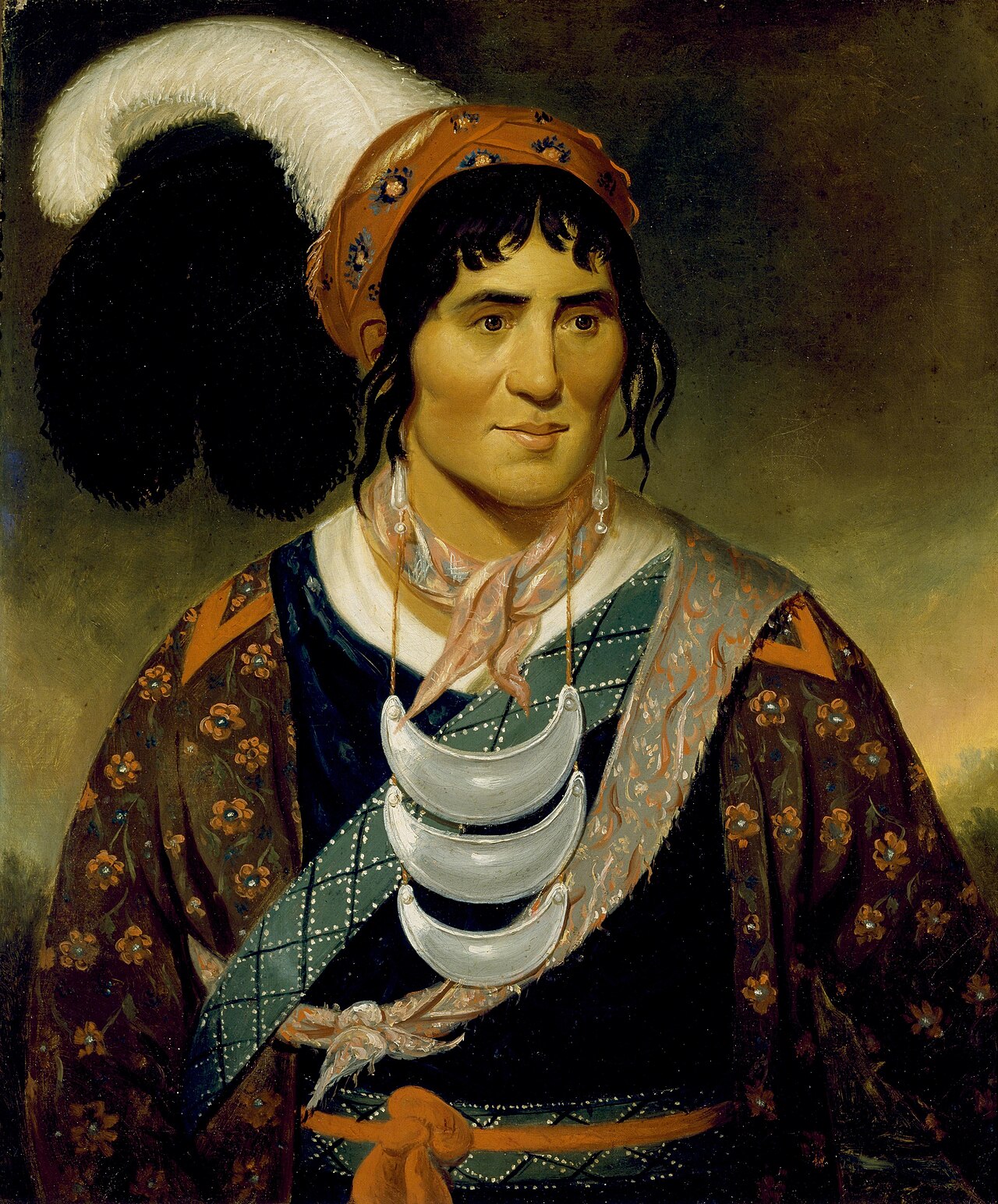
Portrait of Osceola by Robert John Curtis
Robert John Curtis · 1838
 Speech
Primary source
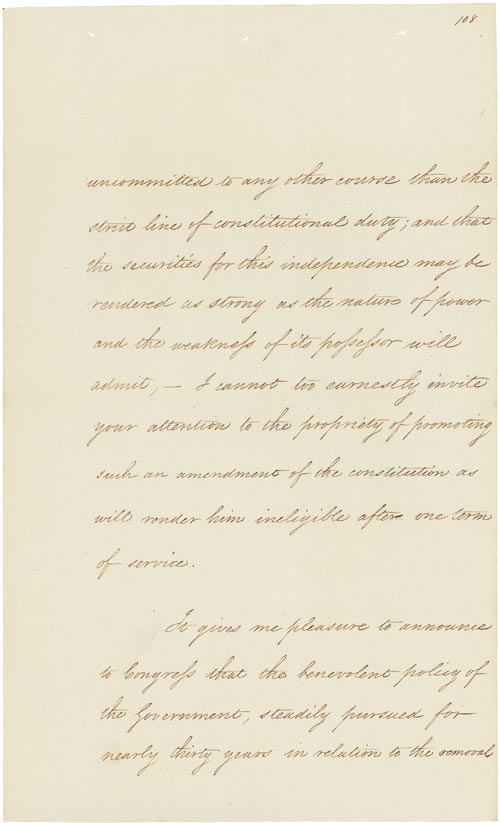
Message to Congress On Indian Removal
Andrew Jackson · 6 December 1830
 Painting
Primary source
Mick-e-no-páh, Chief of the Tribe
George Catlin · 1838
 Book
Secondary source
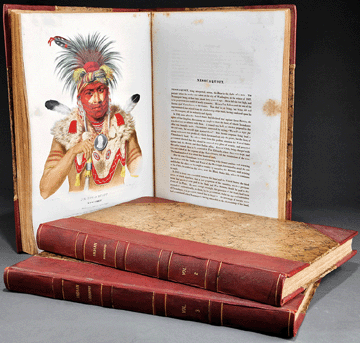
History of the Indian Tribes of North America
Thomas L. McKenney · 1836
Ready when you are
Start chatting with Osceola now.
20 messages free · No credit card · Available in 50+ languages.