


Secondary sourcePainting15th century
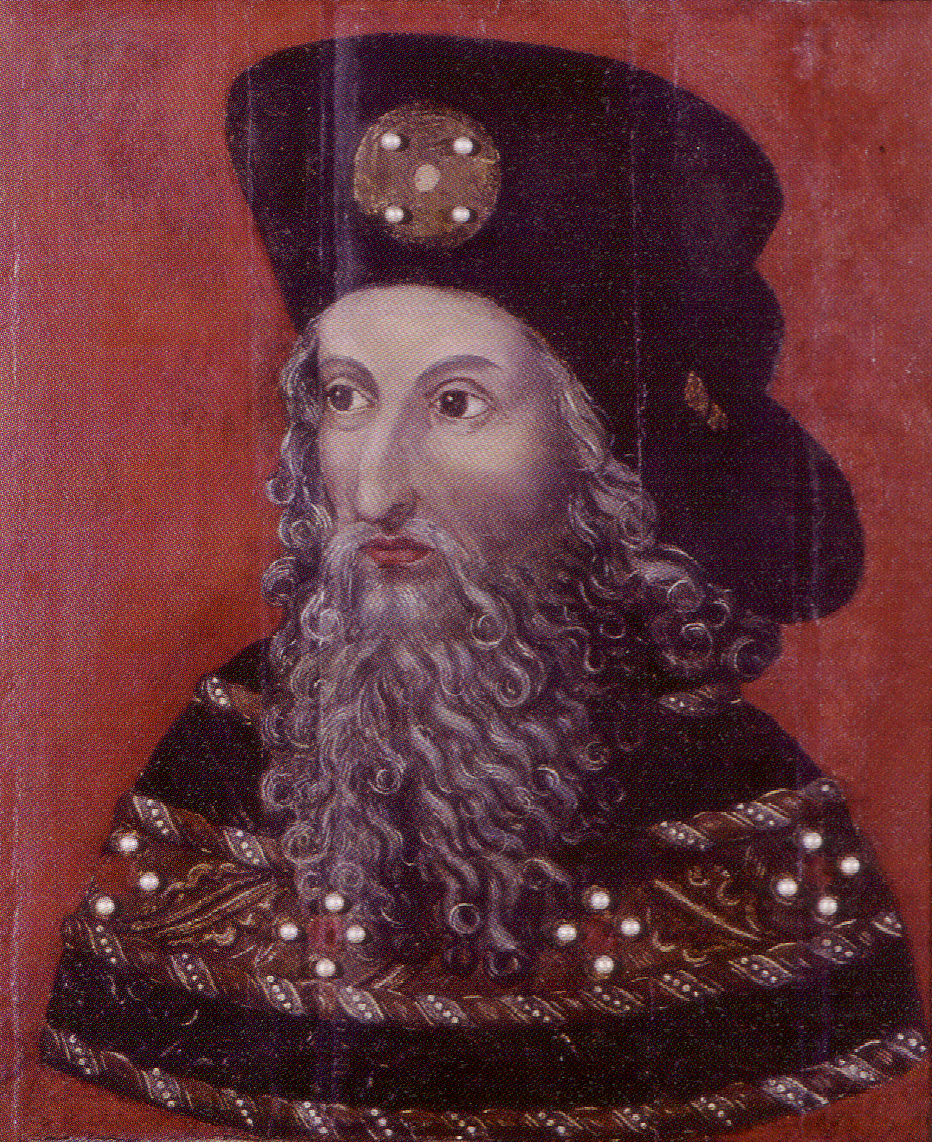
Sigismund, Holy Roman Emperor, Zhořelec town hall
15th century
A painted portrait bust of Sigismund, kept in the town hall at Zhořelec. Its maker is unknown, and the record gives little detail on its origin.
Shows Sigismund as a ruler honoured in a town hall, which suggests how towns displayed their rulers.
About this source
What it is
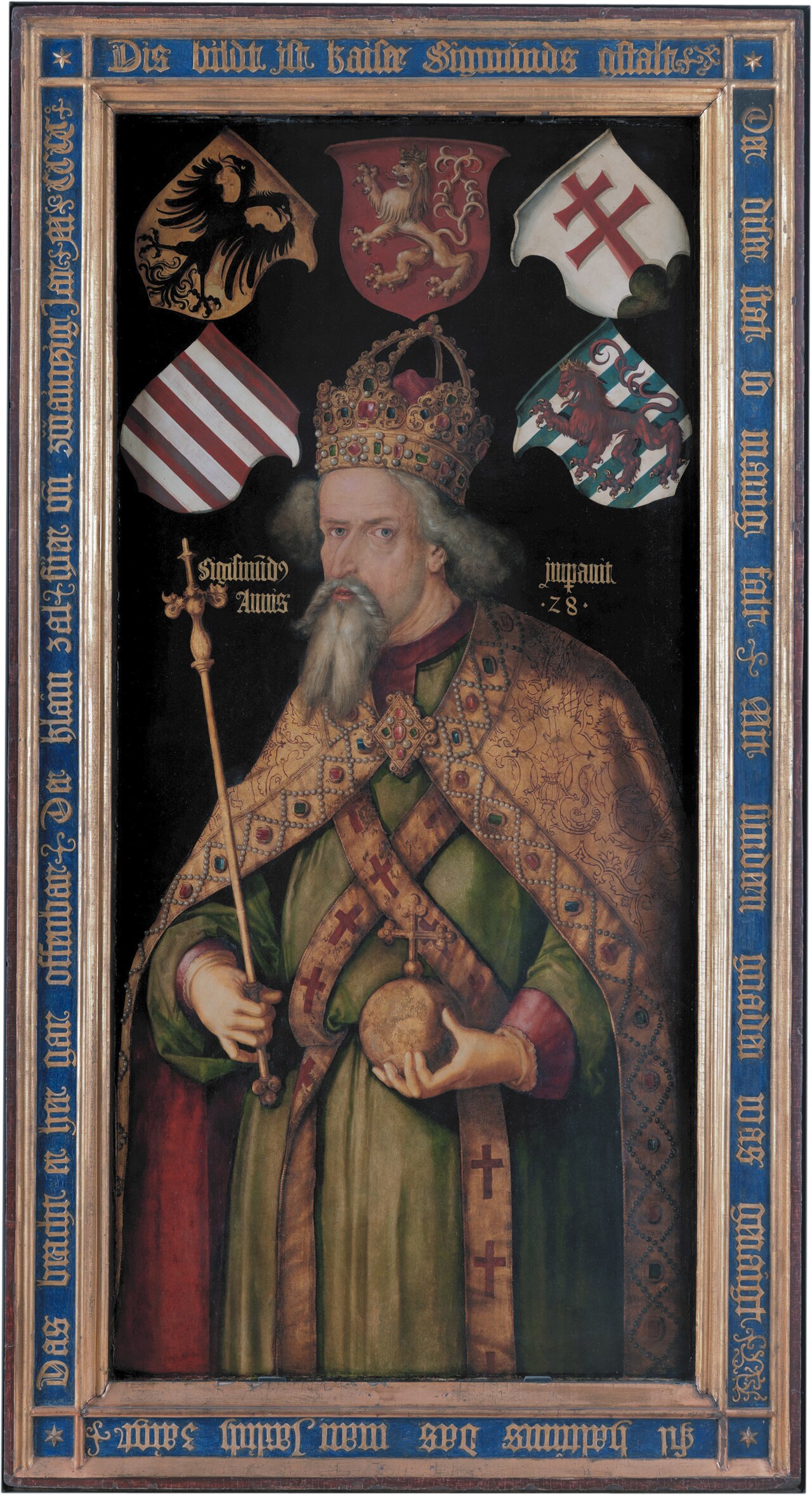
This is a painted portrait bust of Sigismund. It shows a bearded man with curly grey hair, wearing a dark wide-brimmed hat with a round jewelled brooch and a dark robe trimmed with gold and pearls. He gazes to the left against a red background. The record names Sigismund as the subject. The painter is not known, and the record is dated only to the 15th century. The work is linked to a town hall in Zhořelec.
Why it matters
Sigismund belonged to the House of Luxemburg, a royal family that ruled several lands in medieval Europe. A painting kept in a town hall shows that a town chose to display an image of a ruler. Because the painter is unknown, the picture tells us more about how the town wished to present its ruler than about the artist's own choices.
Look closer
- What clothing and objects does the painter use to show Sigismund's status?
- Why might a town want a portrait of a distant ruler in its own building?
- What does the painting leave out, given that we do not know who made it or when exactly?
This painting is part of the curated material that grounds the AI version of Sigismund, Holy Roman Emperor on Humy.ai — when students ask about related events, the AI can quote it and cite it.
More Sigismund, Holy Roman Emperor sources
Browse all 95 →Primary source
Safe Conduct to John Huss
Sigismund
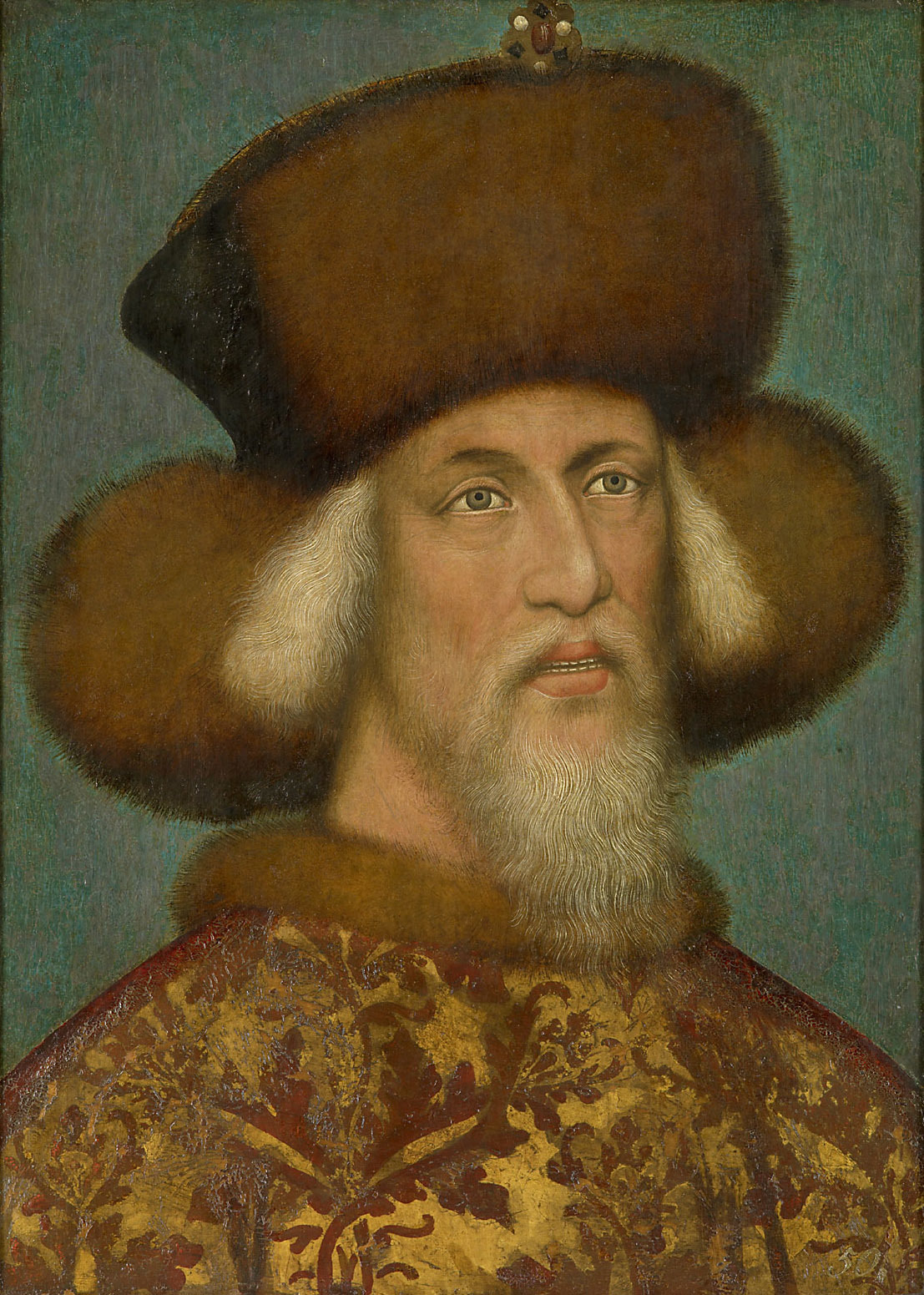 Painting
Primary source
Portrait of Sigismund of Luxemburg
Pisanello (attributed) · c. 1430
 Painting
Primary source
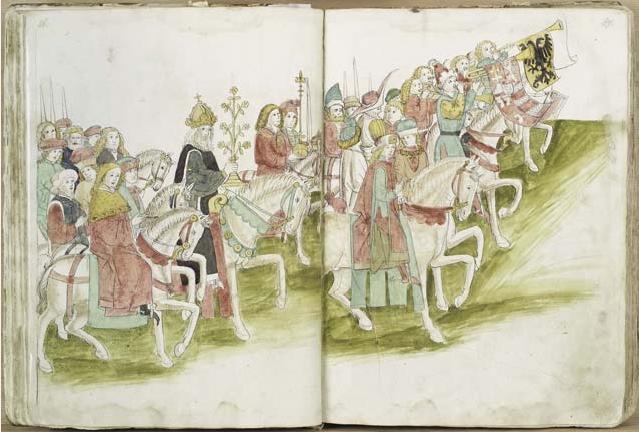
Sigismund's Entry into the Council of Constance
Ulrich Richental
 Document
Secondary source
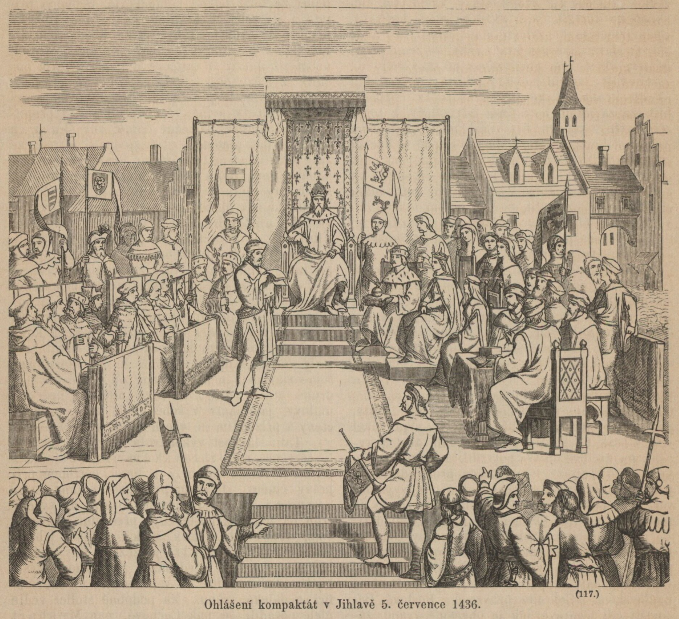
Compacts of Basel
1436
Free account
Read every Sigismund, Holy Roman Emperor source
Sign up free →
Ready when you are
Start chatting with Sigismund, Holy Roman Emperor now.
20 messages free · No credit card · Available in 50+ languages.