


Secondary sourcePhotograph13 May 2009
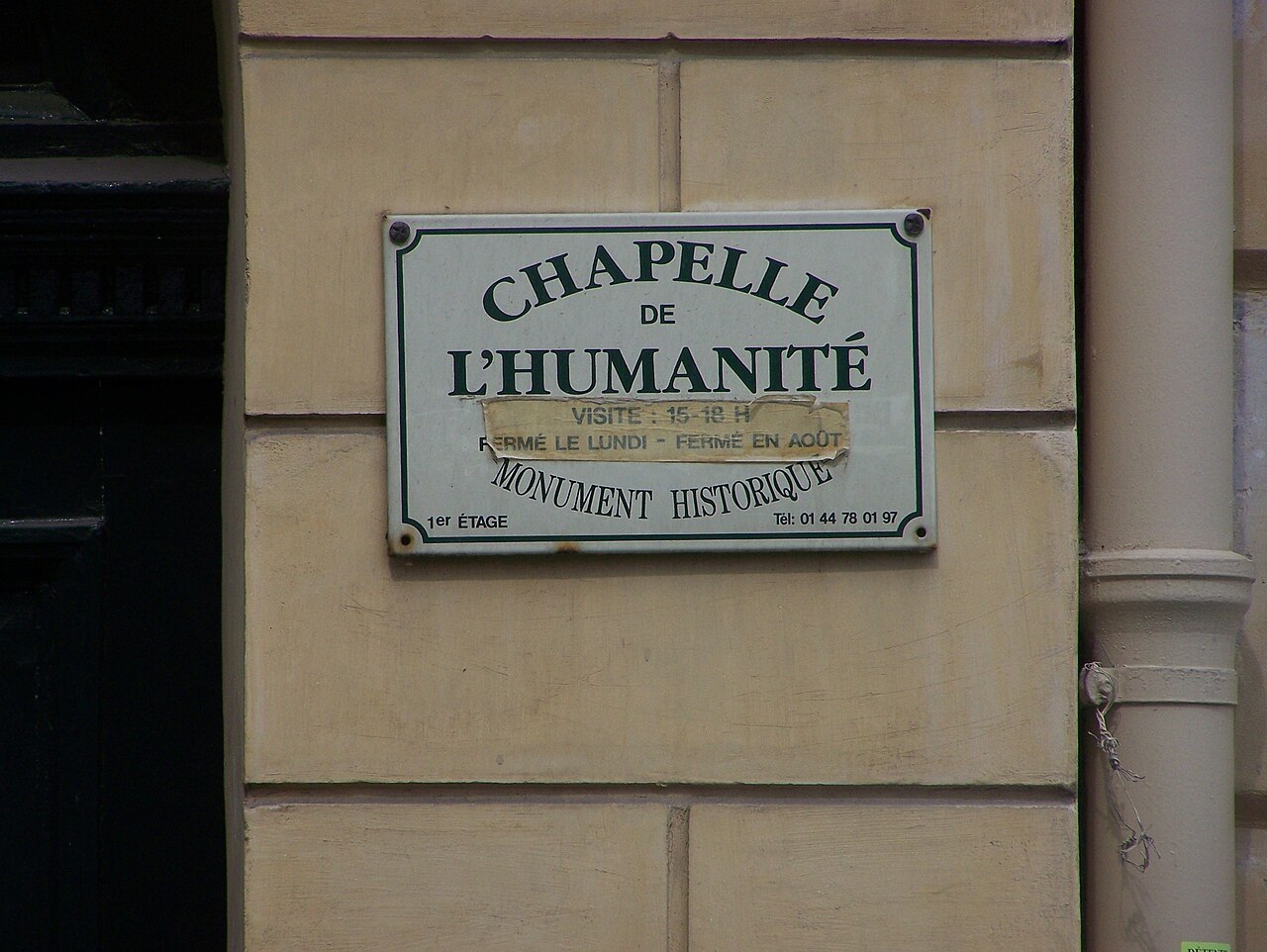
Sign for the Chapelle de l'Humanité, rue Payenne
Marais · 13 May 2009
A 2009 photograph of an enamel sign for the Chapelle de l'Humanité on the rue Payenne in Paris.
Shows a modern sign for the chapel built for Comte's religion of humanity, a marginal record of his legacy.
About this source
What it is
This is a 2009 photograph by Marais of an enamel sign on a cream stone wall reading 'CHAPELLE DE L'HUMANITÉ'. The sign also gives visiting hours ('Fermé le lundi - fermé en août'), a 'Monument historique' label, the note '1er étage' and a telephone number. A dark doorway is at left and a pillar at right. The photograph is a modern snapshot and only a marginal record of the site.
Why it matters
The sign shows that the chapel built for Comte's religion of humanity is still open to visitors and is recognised as a historic monument. It is a small, everyday trace of how Comte's ideas survive in Paris today. It is most useful as a sign of how the building is now used and presented.
Look closer
- What does the sign tell visitors about when and how they can enter the chapel?
- Why might a building connected to an old religion be labelled a historic monument?
- What does a single sign leave out about the chapel's history and beliefs?
This photograph is part of the curated material that grounds the AI version of Auguste Comte on Humy.ai — when students ask about related events, the AI can quote it and cite it.
More Auguste Comte sources
Browse all 81 →Primary source
System of Positive Polity
Auguste Comte · 1851–1854
 Book
Primary source
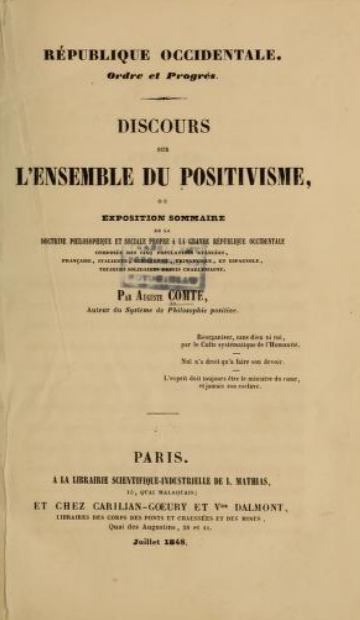
A General View of Positivism
Auguste Comte · 1848
 Letter
Primary source
Correspondence between Auguste Comte and John Stuart Mill
Auguste Comte and John Stuart Mill · 1841–1847
 Painting
Secondary source
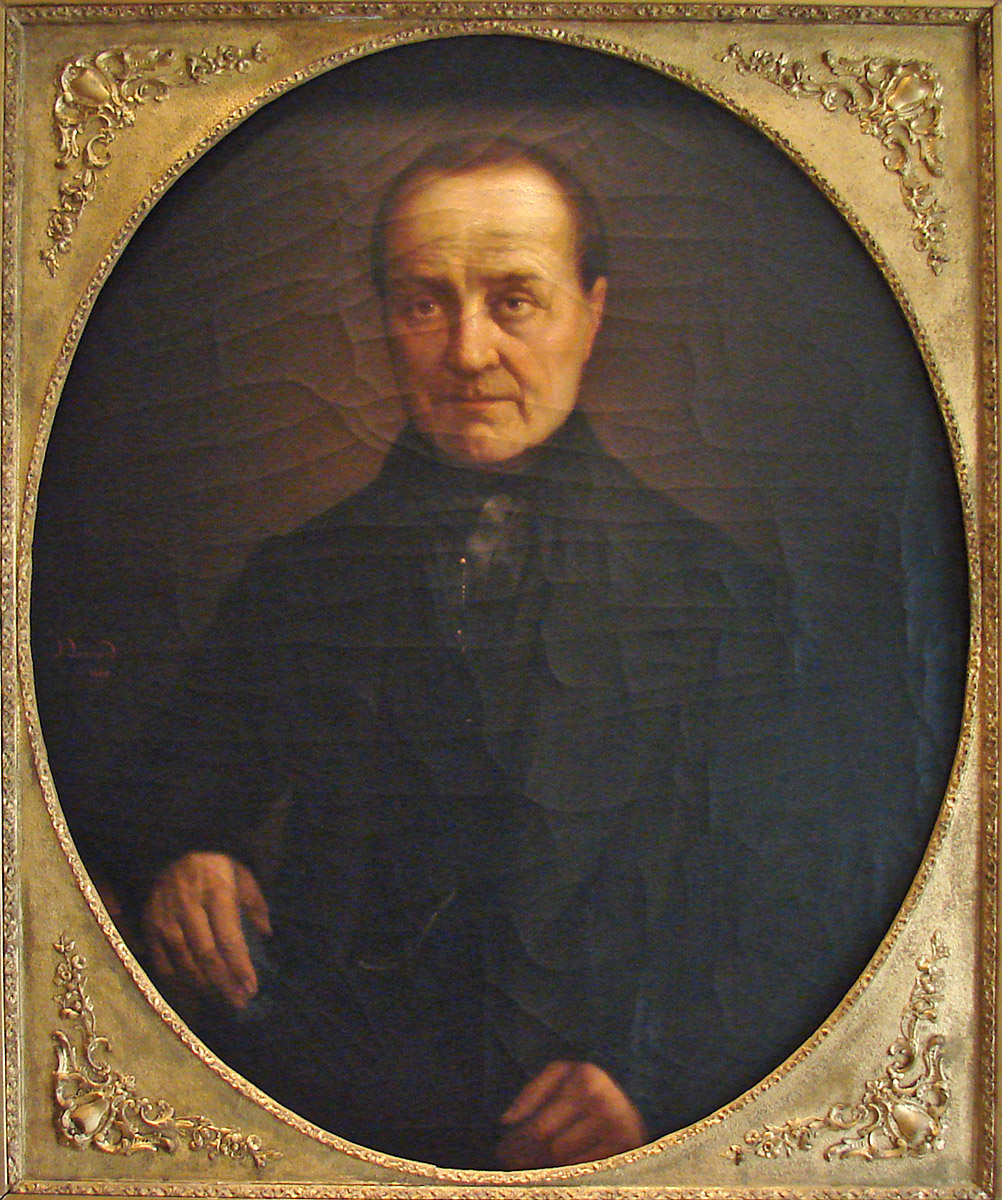
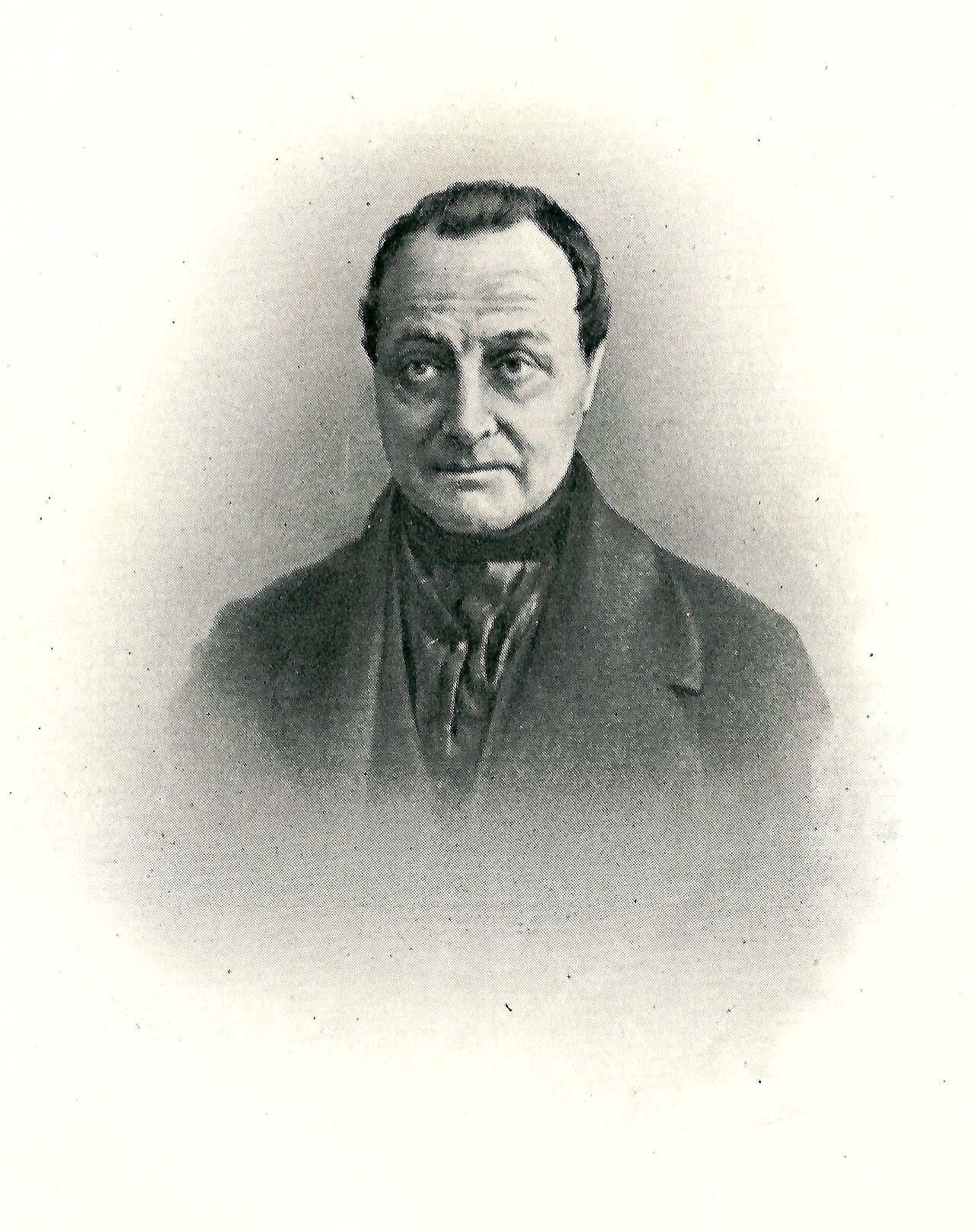
Portrait of Auguste Comte
Free account
Read every Auguste Comte source
Sign up free →
Ready when you are
Start chatting with Auguste Comte now.
20 messages free · No credit card · Available in 50+ languages.