


Primary sourceDocumentMarch 1907
Signalling to Mars: A Problem of Electrical Engineering
Nikola Tesla · March 1907
Tesla's 1907 written proposal on the possibility of signalling to Mars, reflecting his speculative and visionary ideas.
Tesla's own speculative proposal on signalling to Mars, showing his visionary and sometimes controversial scientific thinking.
About this source
What it is
This is a text written by Nikola Tesla in March 1907, in which he discusses the possibility of interplanetary signalling to Mars. Tesla refers back to earlier articles he wrote on the subject and to the work of astronomer Percival Lowell, who had studied markings on the surface of Mars.
Why it matters
This text shows Tesla's willingness to engage with bold, speculative scientific ideas beyond his practical inventions in electricity. It reflects the excitement of the early twentieth century about the possibility of life on other planets, and shows Tesla's connections to other scientific figures of his era, such as Lowell.
Look closer
- Why does Tesla mention correcting an "erroneous report" about his earlier statements?
- What does his admiration for Lowell's work suggest about the influences on his thinking?
- How does this text blend scientific reasoning with speculation?
This document is part of the curated material that grounds the AI version of Nikola Tesla on Humy.ai — when students ask about related events, the AI can quote it and cite it.
More Nikola Tesla sources
Meet the AI Nikola Tesla →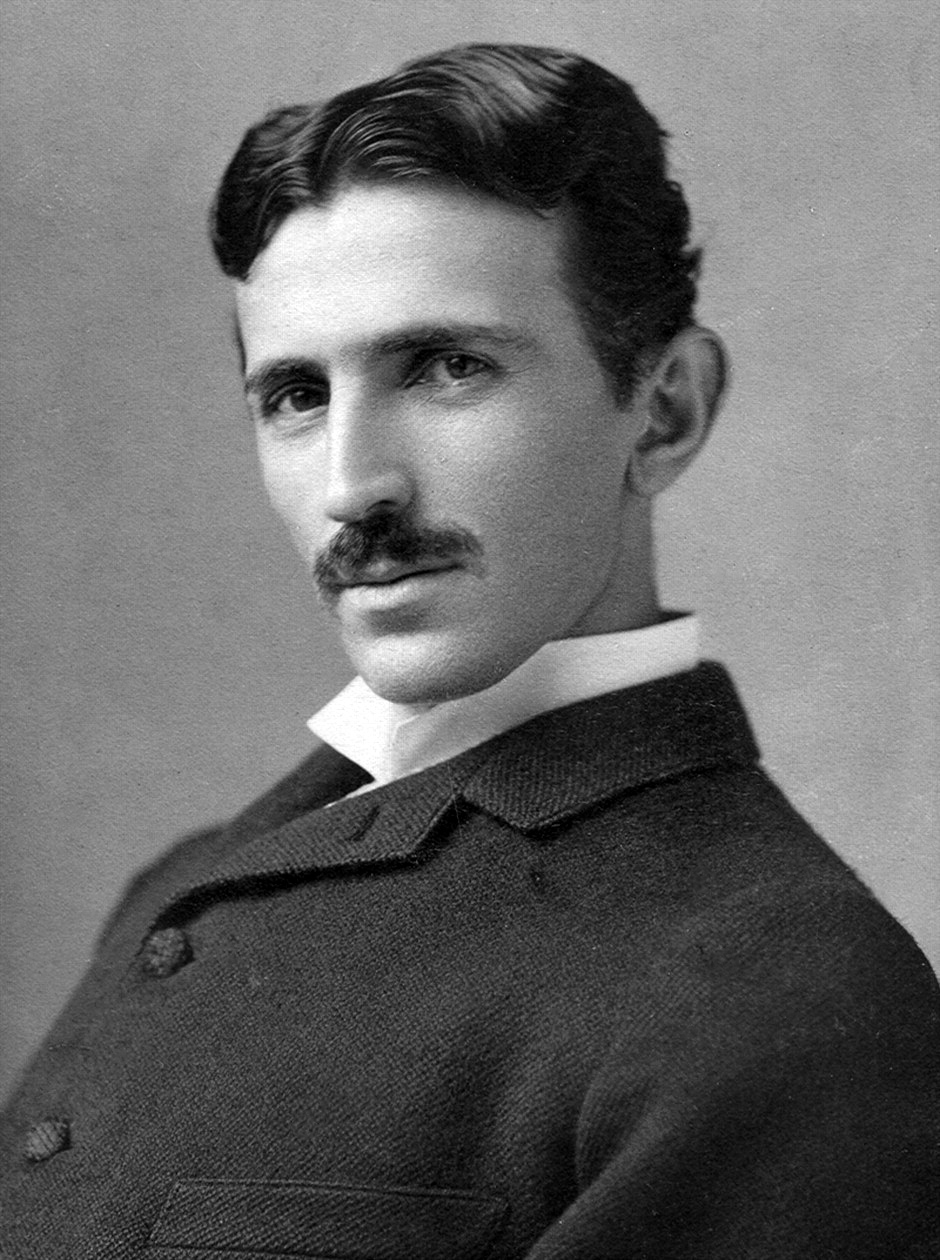 Photograph
Primary source
Portrait of Nikola Tesla
Napoleon Sarony · c. 1890
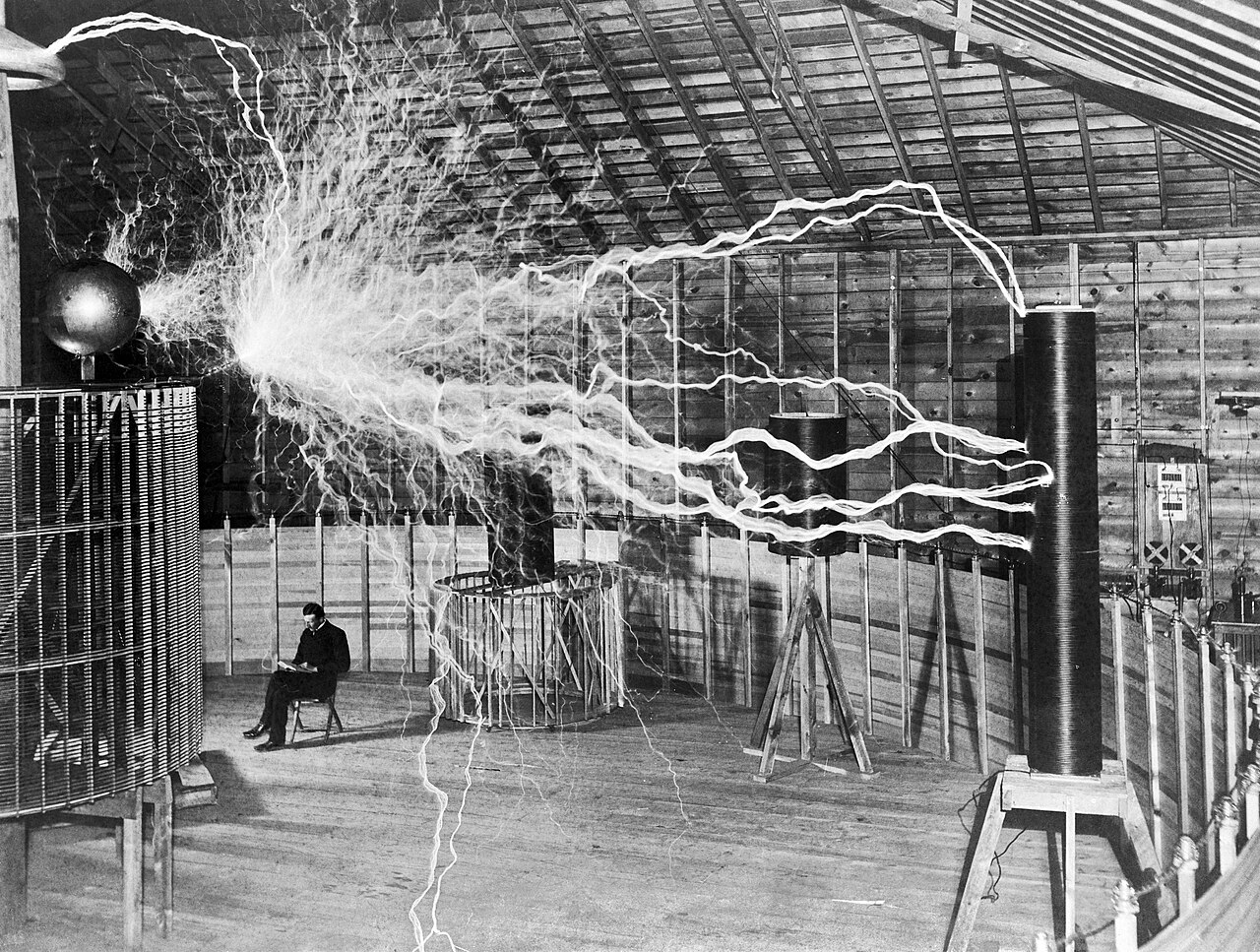 Photograph
Primary source
Nikola Tesla with his Equipment at Colorado Springs
Dickenson V. Alley · c. 1899
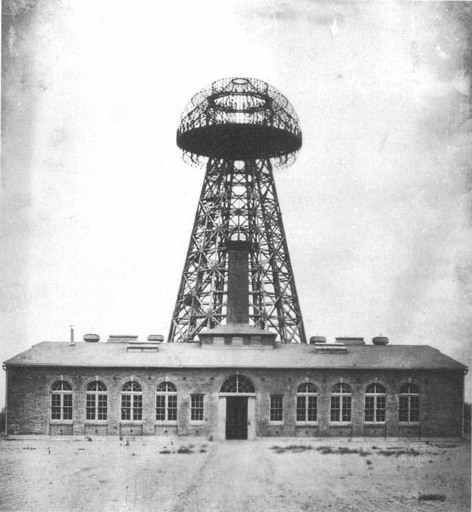 Artifact
Primary source
Wardenclyffe Tower
Nikola Tesla · 1901-1904
 Book
Primary source
Experiments with Alternate Currents of High Potential and High Frequency
Nikola Tesla · 1892
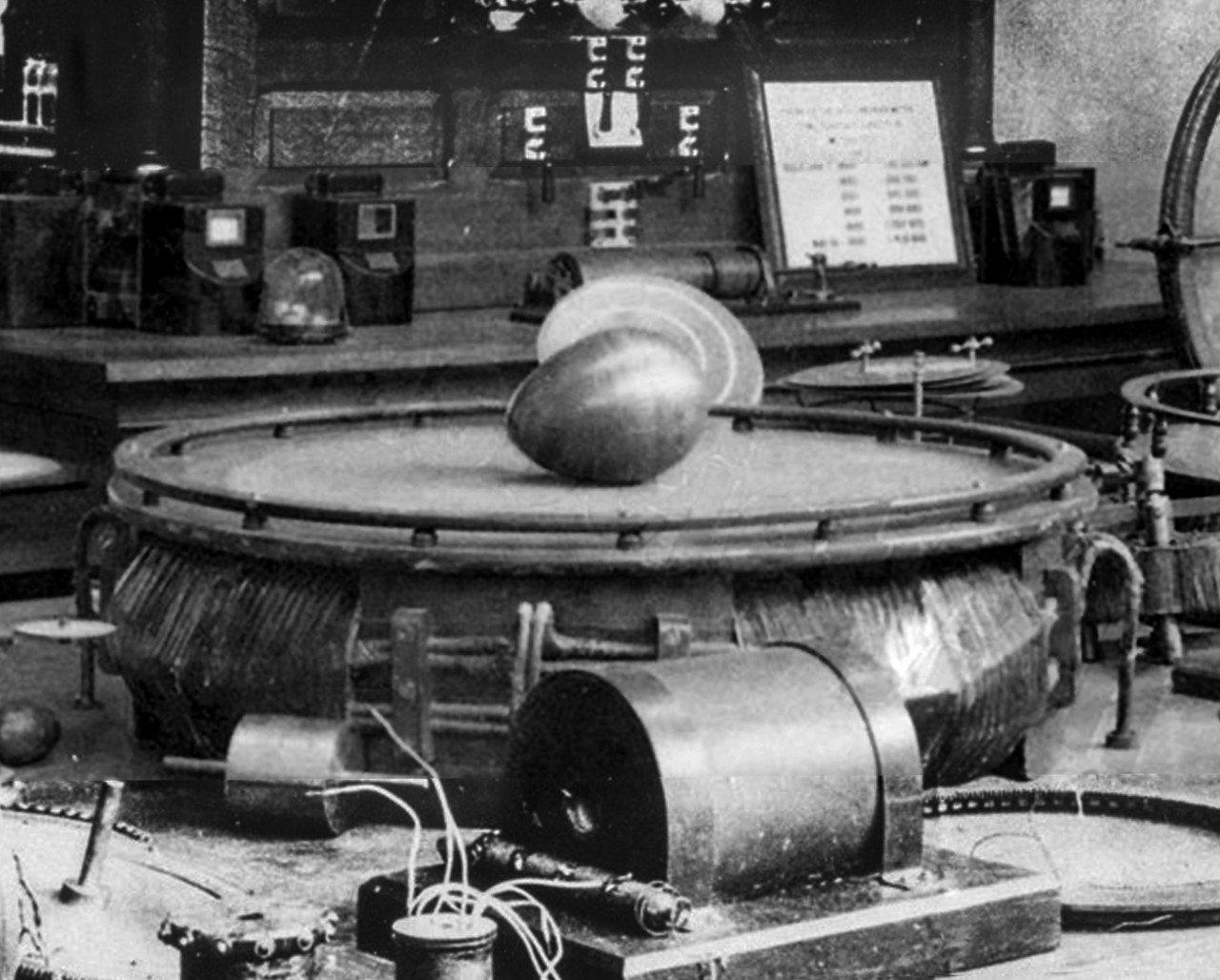 Artifact
Primary source
Tesla's Egg of Columbus
Nikola Tesla · 1893
Ready when you are
Start chatting with Nikola Tesla now.
20 messages free · No credit card · Available in 50+ languages.