


Secondary sourceDocument
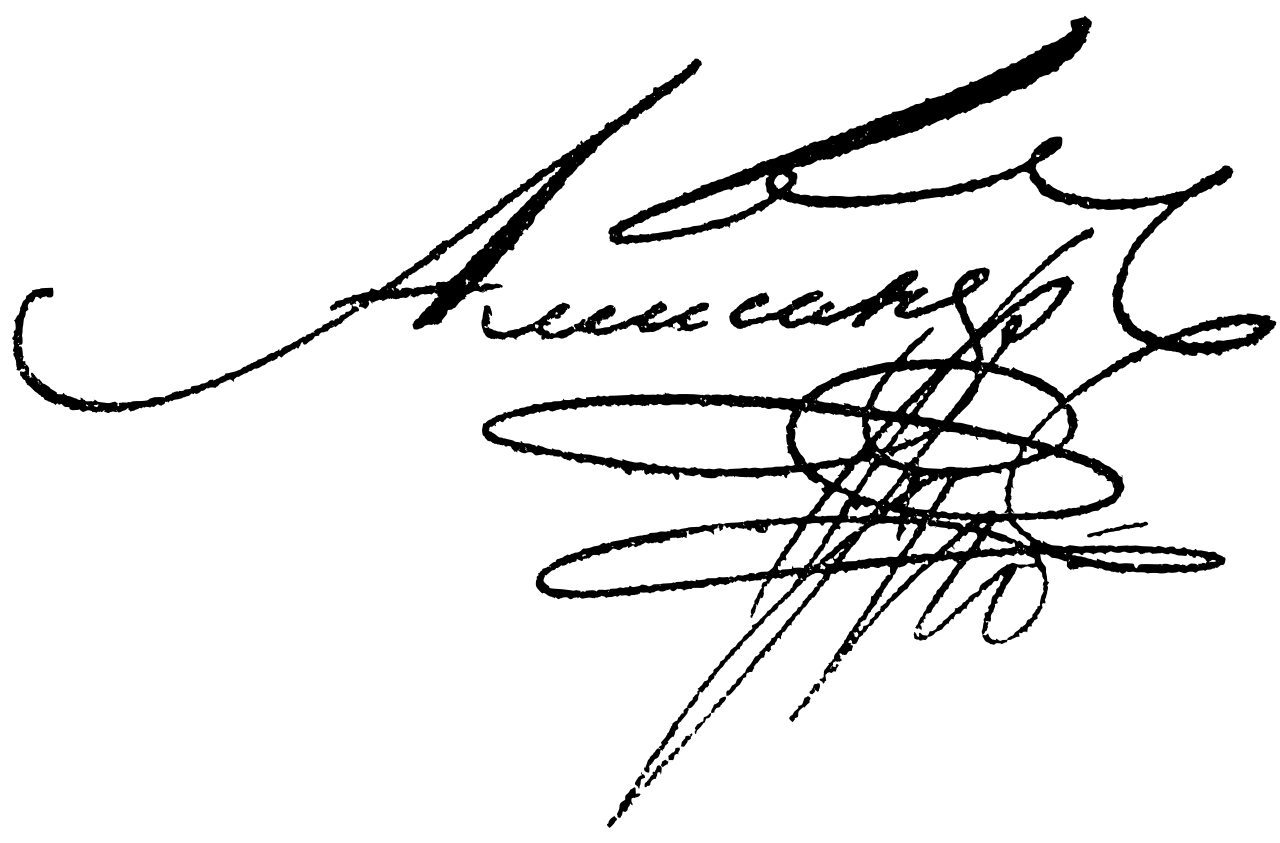
Signature of Alexander I of Russia
A line drawing of the signature of Alexander I, as it appears on his decrees and treaties. It is a drawing of the signature, not the signature itself.
This drawing represents the signature Alexander I used on his decrees and treaties, linking him to official government papers.
About this source
What it is
This is a black ink line drawing of a flourished signature on a white background. It shows a tall capital letter at the upper left and the word Alexander written in cursive in the middle. The file is a drawing based on the signature, not the handwritten original. The curator's note says the emperor's signature appears on his decrees and treaties.
Why it matters
A signature shows how a ruler confirmed that a decree or treaty came from him. It was the mark of personal authority on official papers. Comparing a signature with the document it appears on helps students see how the state of the early nineteenth century depended on written orders and the people who carried them out.
Look closer
- What do the size, loops and flourishes of the signature suggest about the person who wrote it?
- Why might a ruler's signature matter more than a printed name on an official paper?
- What is lost when a handwritten signature is turned into a drawing like this one?
This document is part of the curated material that grounds the AI version of Tsar Alexander I on Humy.ai — when students ask about related events, the AI can quote it and cite it.
More Tsar Alexander I sources
Browse all 89 →Primary source
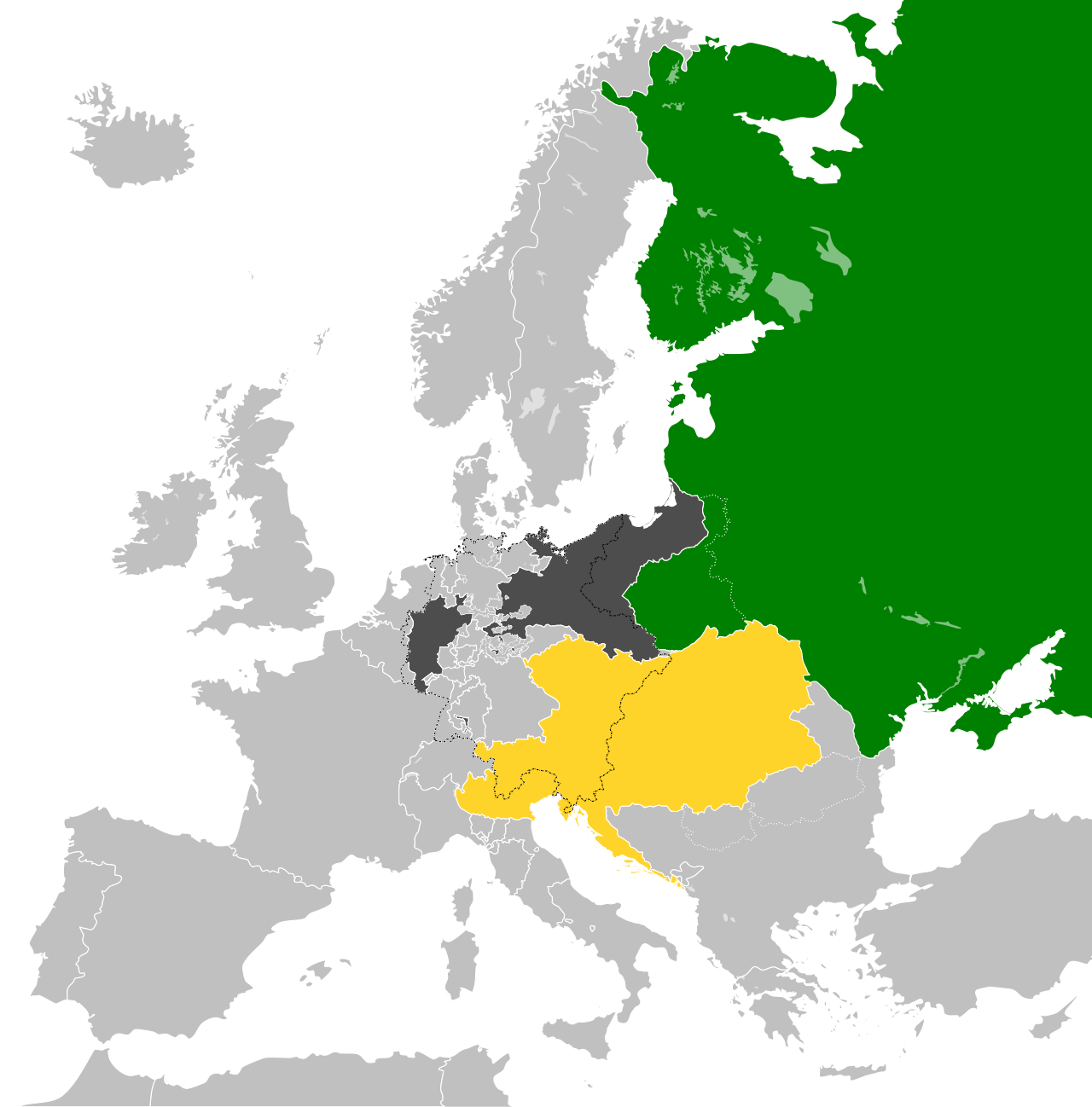
Treaties of Tilsit
7-9 July 1807
 Document
Primary source
Holy Alliance
Alexander I of Russia · 26 September 1815
 Document
Primary source
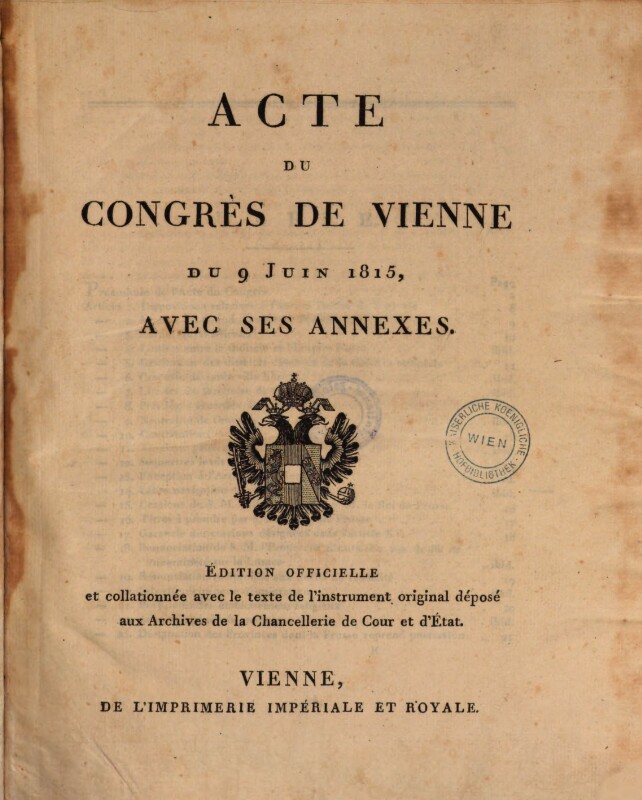
Final Act of the Congress of Vienna
9 June 1815
 Letter
Primary source
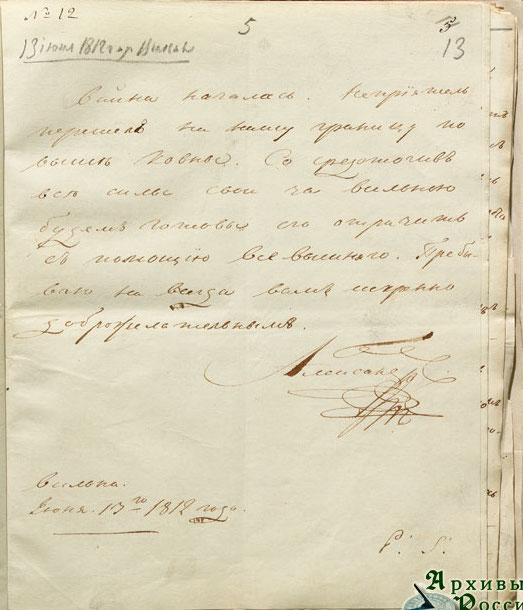
Alexander I's letter to N.I. Saltykov
Alexander I of Russia · 13 June 1812
Free account
Read every Tsar Alexander I source
Sign up free →
Ready when you are
Start chatting with Tsar Alexander I now.
20 messages free · No credit card · Available in 50+ languages.