


Primary sourceDocument1 March 1934
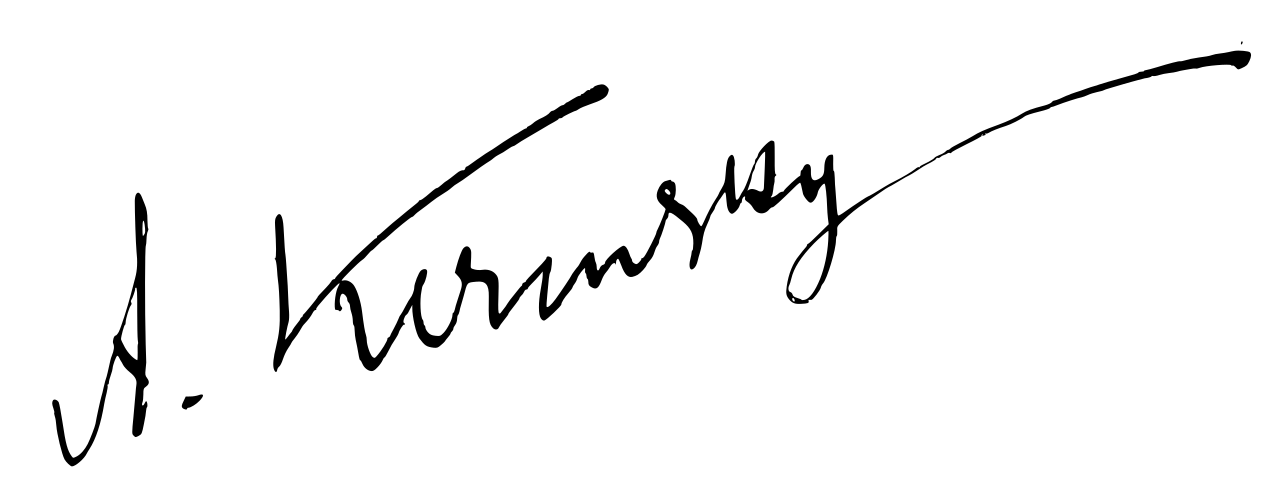
Signature of Alexander Kerensky
Alexander Kerensky · 1 March 1934
Kerensky's handwritten signature, the kind of autograph that appeared on decrees he issued in 1917.
His own handwritten signature, the same kind used to authenticate decrees issued during his 1917 premiership.
About this source
What it is
A handwritten signature reading 'A. Kerensky', with a long sweeping flourish. According to the record, a version of this signature was written in a London hotel in 1934, and it is used to represent the autograph Kerensky placed on decrees of 1917.
Why it matters
A signature like this is a direct physical trace of a historical figure's hand. Because Kerensky led the Provisional Government in 1917, his signature on official decrees carried real legal and political weight at a pivotal moment in Russian history.
Look closer
- What can handwriting tell us about a person that a printed name cannot?
- Why do archives value signatures as historical evidence?
- What is missing from a signature alone — does it tell you what the document said or why it was signed?
This document is part of the curated material that grounds the AI version of Alexander Kerensky on Humy.ai — when students ask about related events, the AI can quote it and cite it.
More Alexander Kerensky sources
Browse all 62 →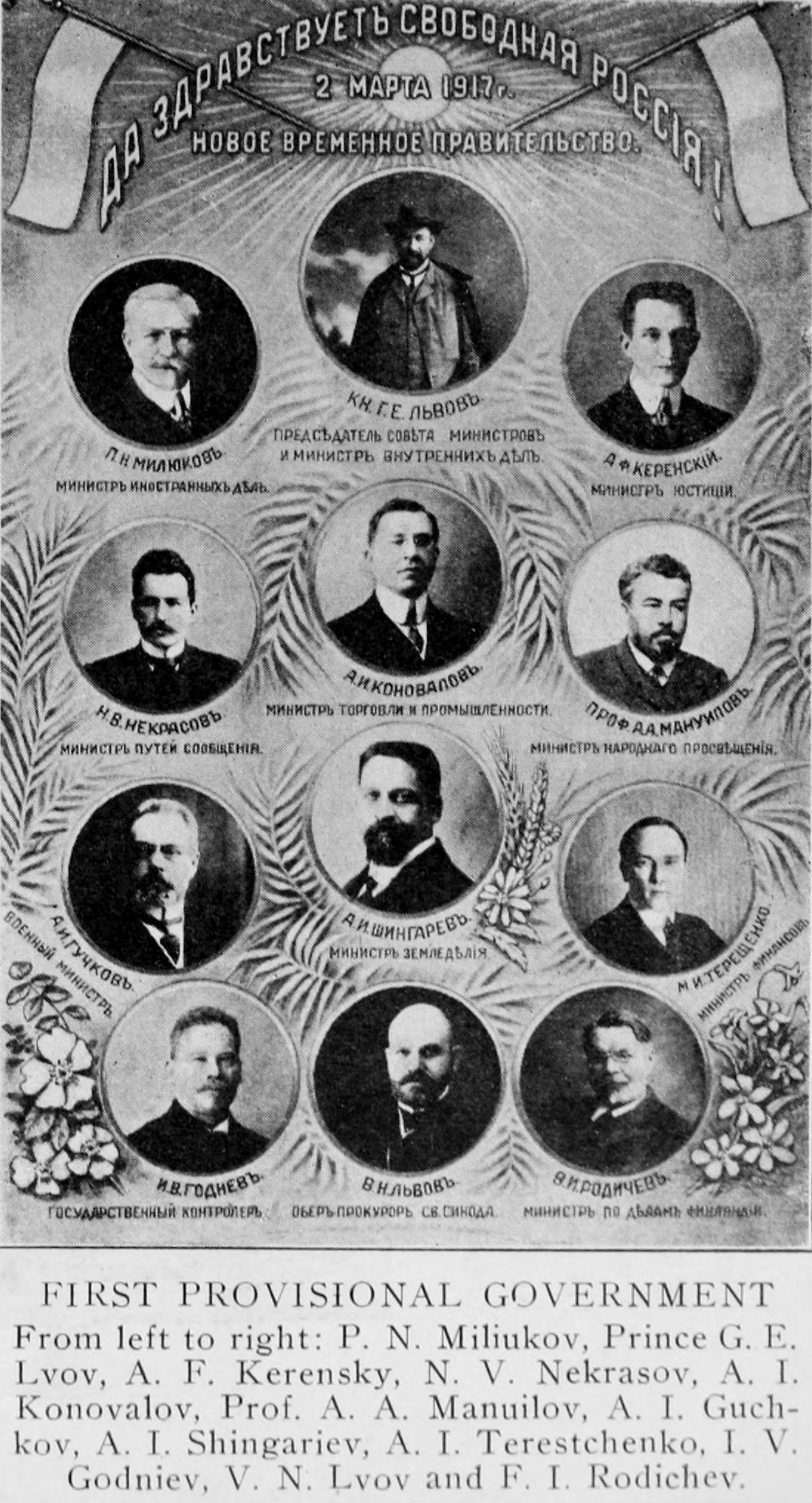 Document
Primary source
Russian Provisional Government
1917
 Book
Primary source
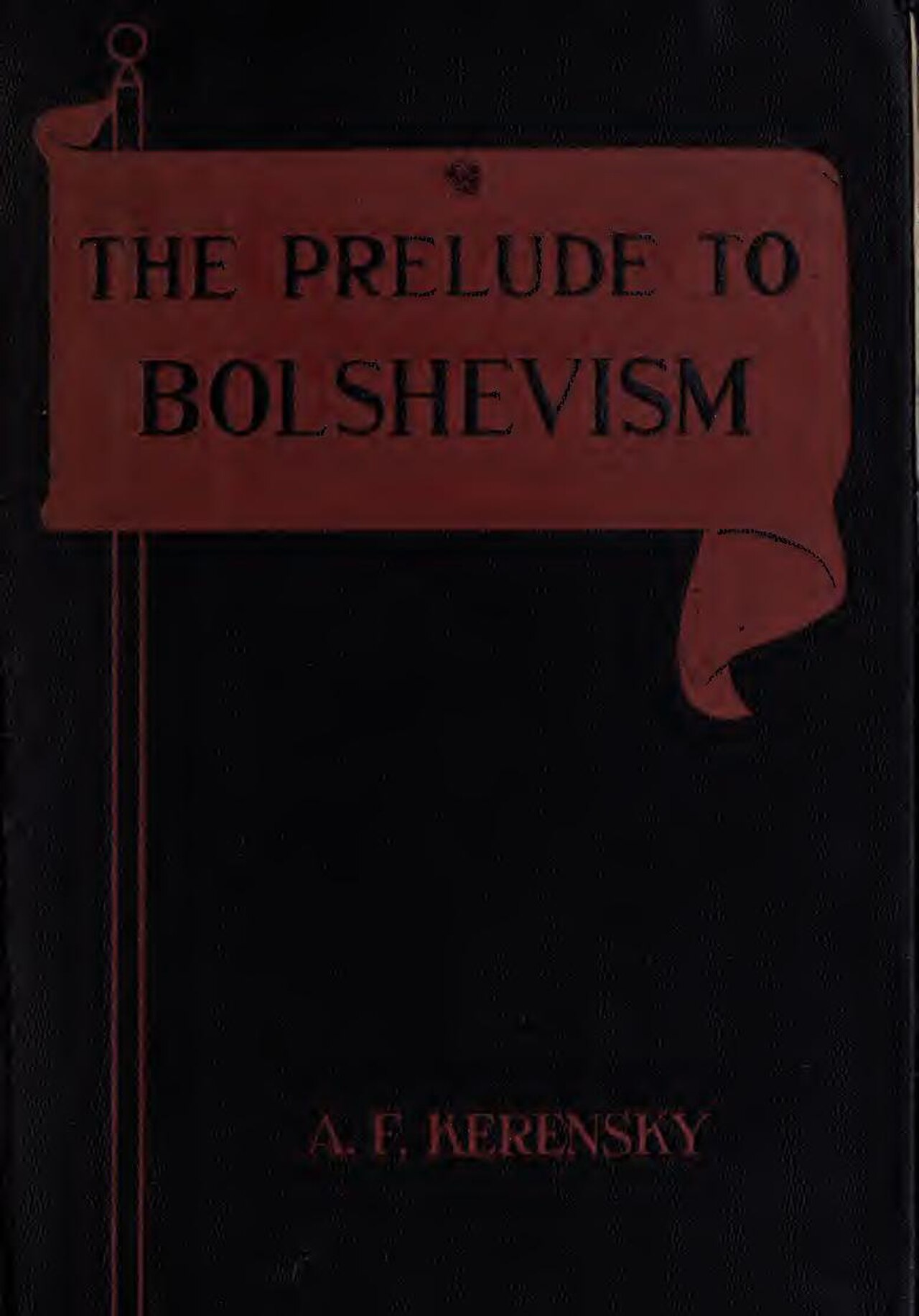
The Prelude to Bolshevism: The Kornilov Rebellion
Alexander Kerensky · 1919
 Photograph
Primary source
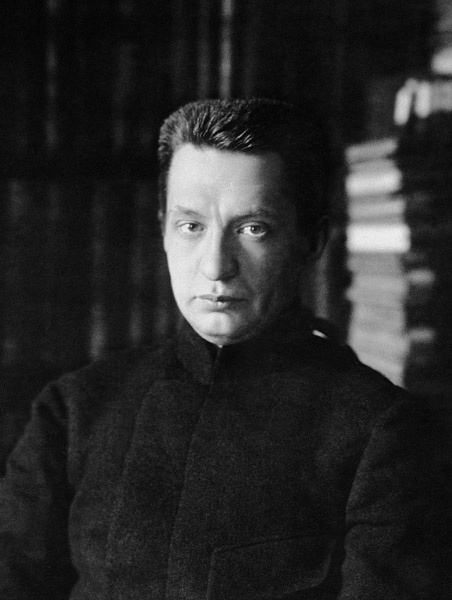
Karenskiy AF 1917
Karl Bulla · 1917
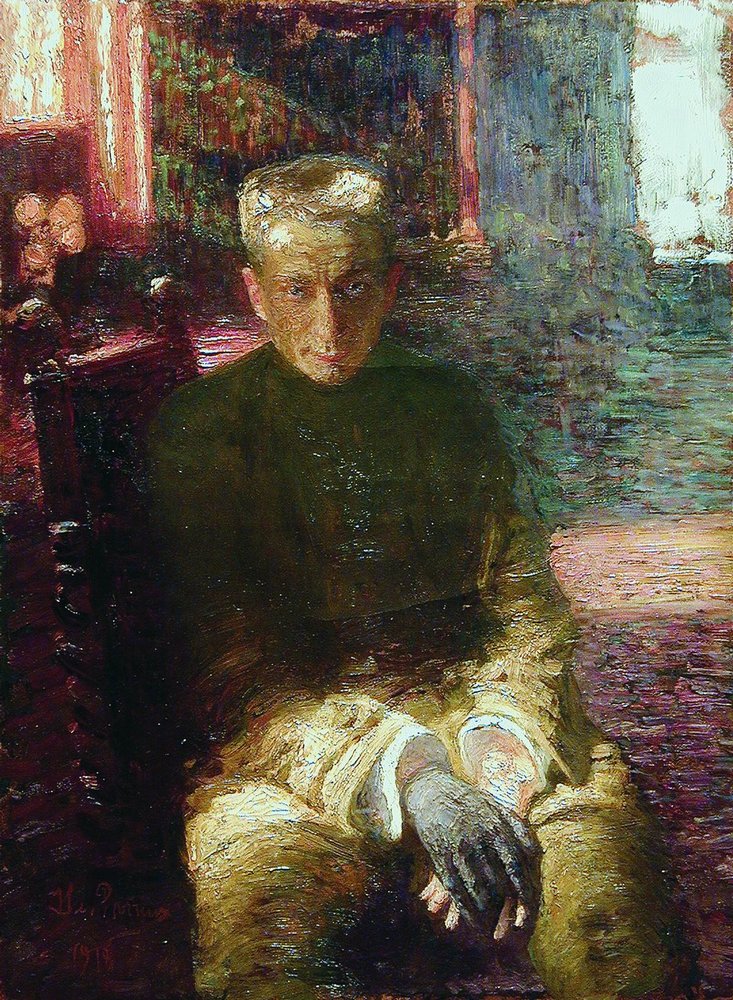 Painting
Primary source
Alexander Kerensky
Ilya Repin · 1918

Free account
Read every Alexander Kerensky source
Sign up free →
Ready when you are
Start chatting with Alexander Kerensky now.
20 messages free · No credit card · Available in 50+ languages.