


Primary sourceDocument
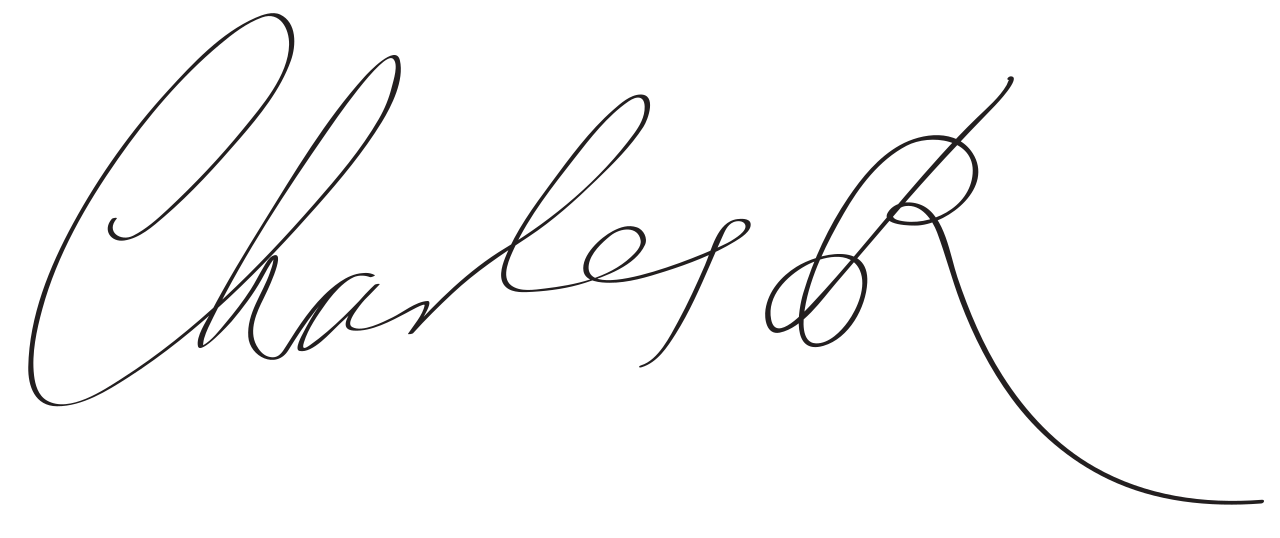
Signature of Charles II of England
Charles II of England
The autograph 'Charles R' of Charles II, which appears on the charters, warrants and letters of his reign. It is a direct trace of the king's own hand.
His own signature, which marked the royal documents he issued during his reign, showing him as the one who approved them.
About this source
What it is
This is the signature of Charles II, shown as black ink cursive reading 'Charles R', with a large looping capital C and a flourished R. The image is a Wikimedia Commons file linked to the king's record. No date is given in the facts. The museum note says this autograph appears on the charters, warrants and letters of his reign.
Why it matters
A signature shows who gave an order or approved a document. Royal documents carried the king's name in this form, so a signature like this made a warrant or charter official. Looking at it helps students see how a king's authority was made visible on paper, through his personal mark.
Look closer
- What does the large capital letter and flourish suggest about how the king wanted to be seen?
- Why would a signature be used to make a document official, and who would check it?
- What can a single signature not tell us about the king's decisions or his views?
This document is part of the curated material that grounds the AI version of Charles II on Humy.ai — when students ask about related events, the AI can quote it and cite it.
More Charles II sources
Browse all 95 →Primary source
Declaration of Breda
Charles II · 4 April 1660
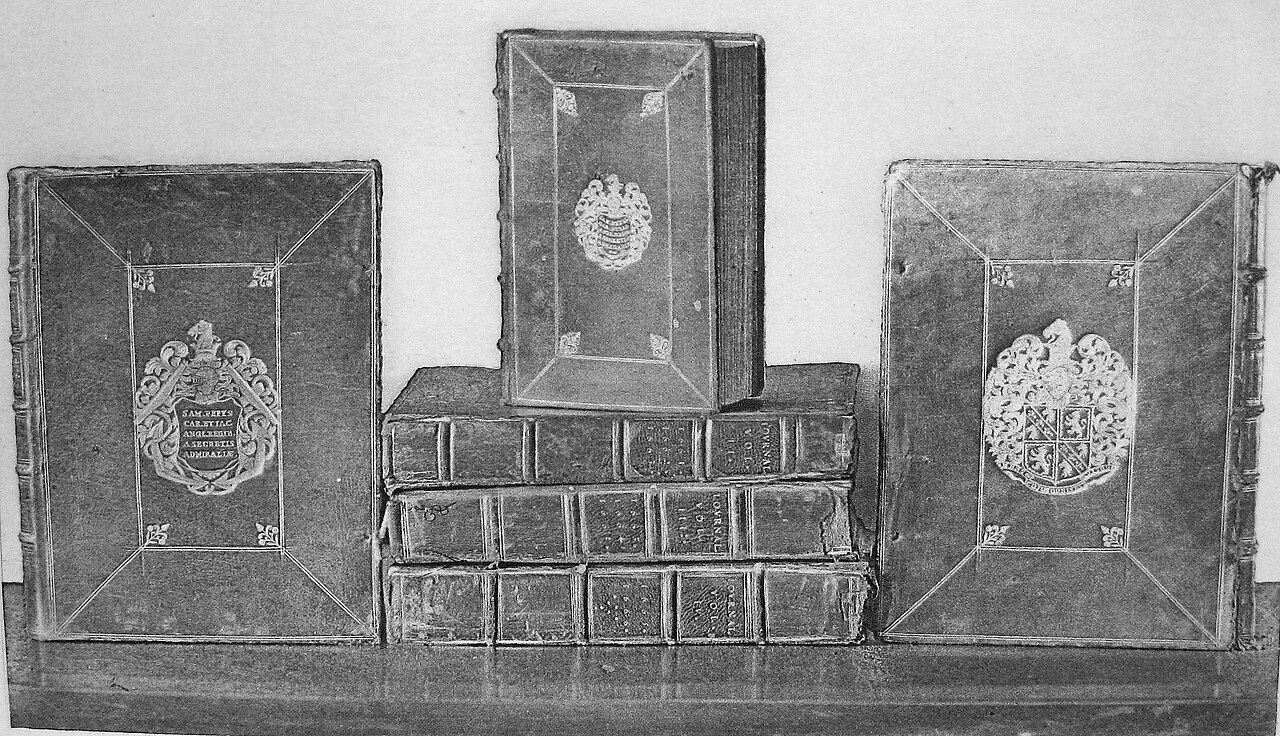 Diary entry
Primary source
Diary of Samuel Pepys
Samuel Pepys
 Painting
Primary source
Portrait of Charles II of England
Peter Lely
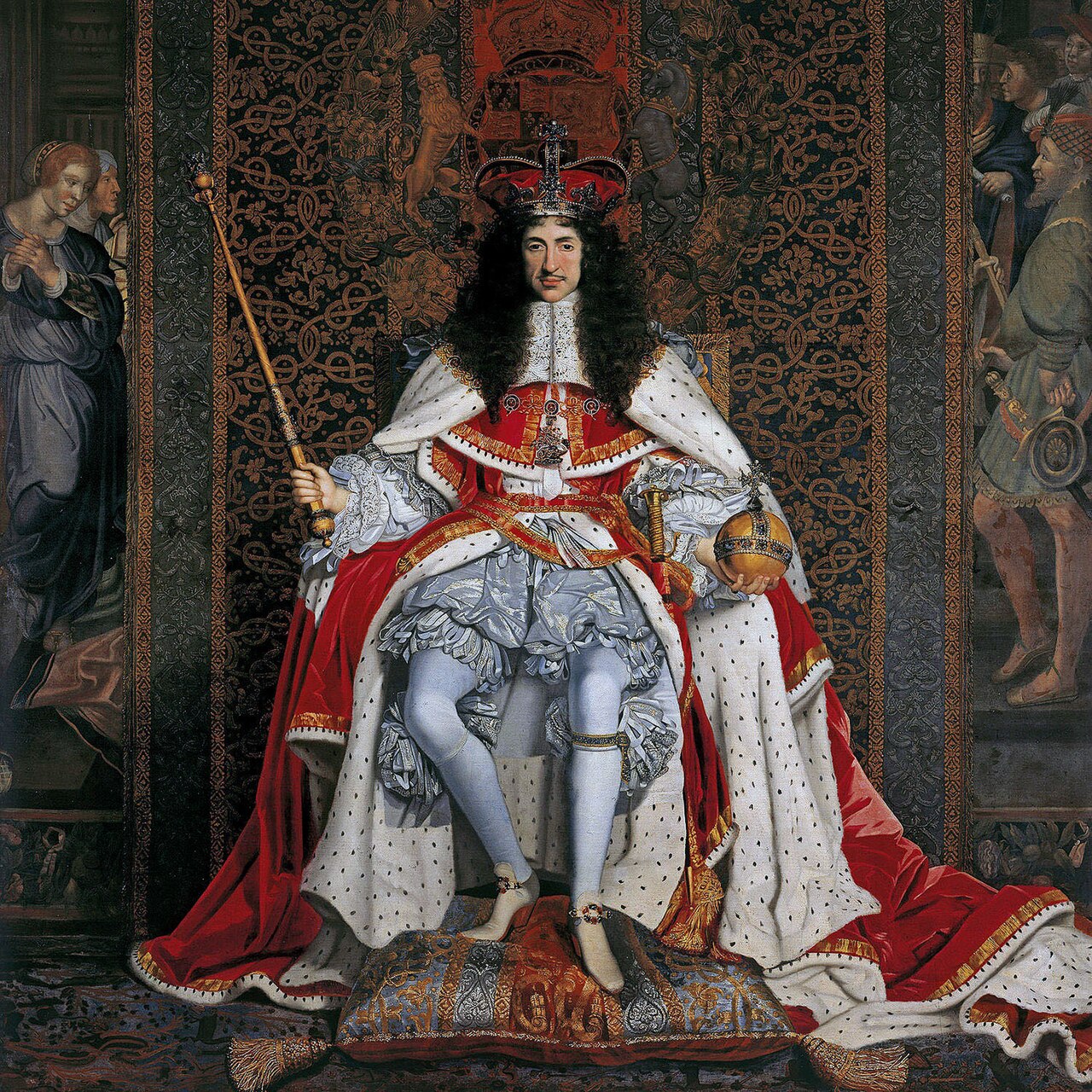 Painting
Primary source
Charles II (1630-1685)
John Michael Wright · 1670
Free account
Read every Charles II source
Sign up free →
Ready when you are
Start chatting with Charles II now.
20 messages free · No credit card · Available in 50+ languages.