


Primary sourceDocument1894
Signature of George I of Greece
George I of Greece · 1894
The autograph signature King George I used on official state documents.
This is George I's own handwritten signature, used to authorise his official acts as king.

About this source
What it is
This is a scanned reproduction of King George I's personal signature, as it appeared in the Hestia magazine in 1894. It was the handwritten mark he used to authorise royal and state acts.
Why it matters
A monarch's signature was a mark of legal authority—laws, decrees, and official papers needed it to take effect. Studying a ruler's signature can show how they presented themselves formally, even in something as small as handwriting.
Look closer
- What does the flourish and style of the signature suggest about formality in royal documents?
- Why would a king's signature be reproduced in a magazine?
- What can a signature tell us, and what can it not tell us, about a historical figure?
This document is part of the curated material that grounds the AI version of George I of Greece on Humy.ai — when students ask about related events, the AI can quote it and cite it.
More George I of Greece sources
Browse all 95 →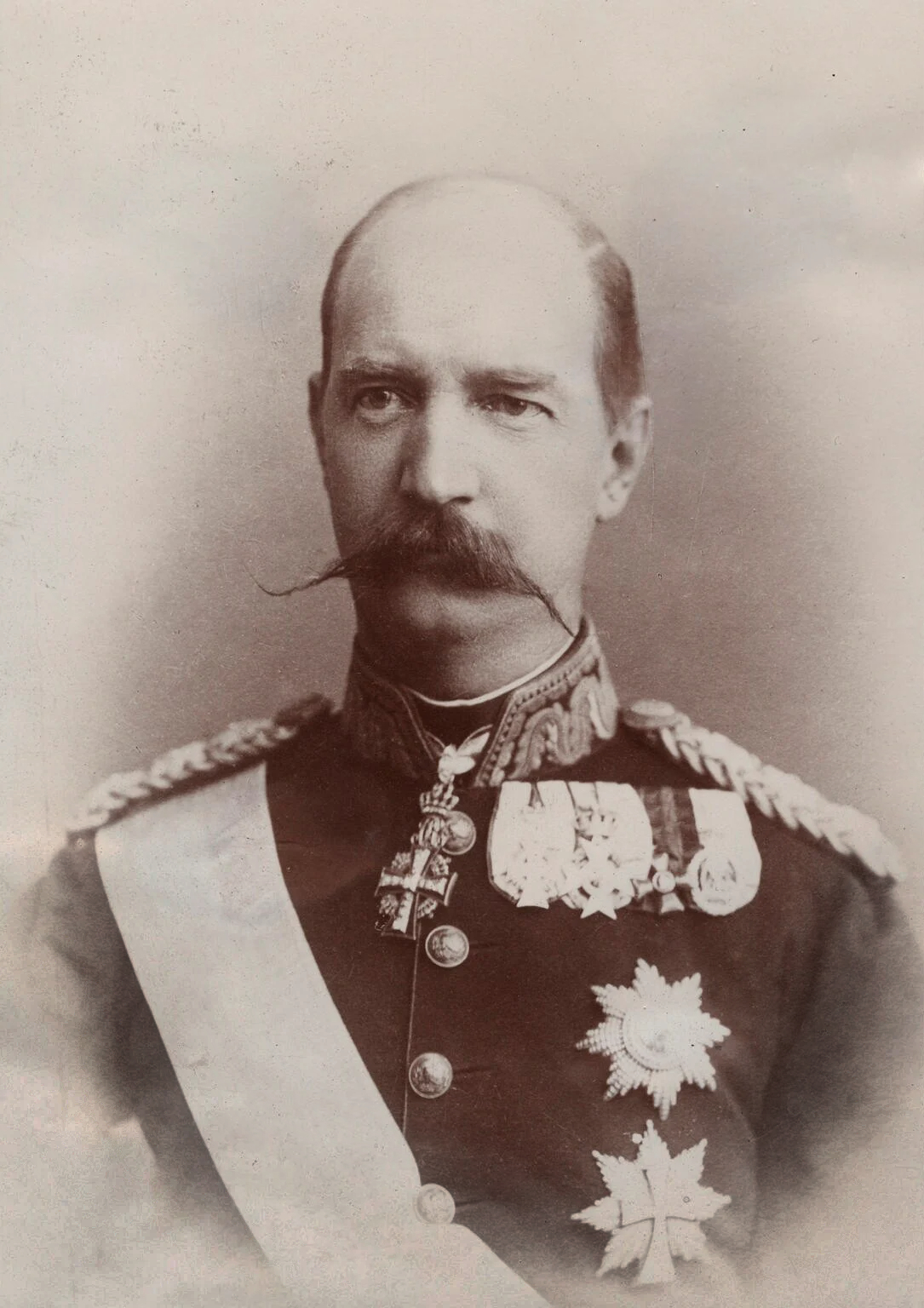 Photograph
Primary source
Portrait of George I of Greece
c. 1912
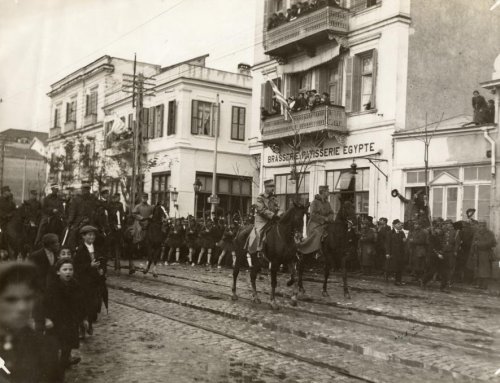 Photograph
Primary source
King George I of Greece and Crown Prince Constantine Enter Thessaloniki
November 1912
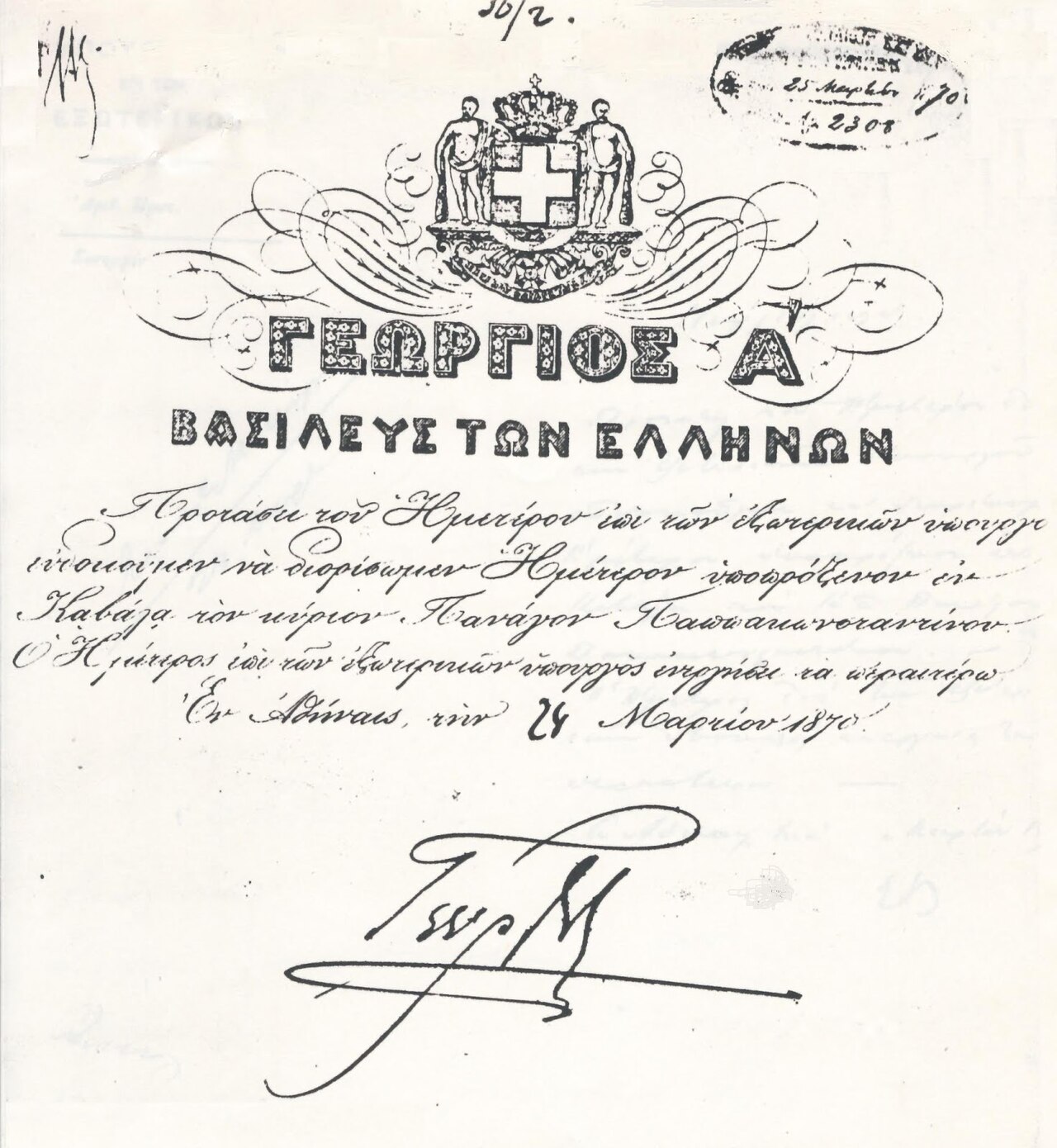 Document
Primary source
Document of George I on the Kavala Greek Consulate
George I of Greece · 24 March 1870
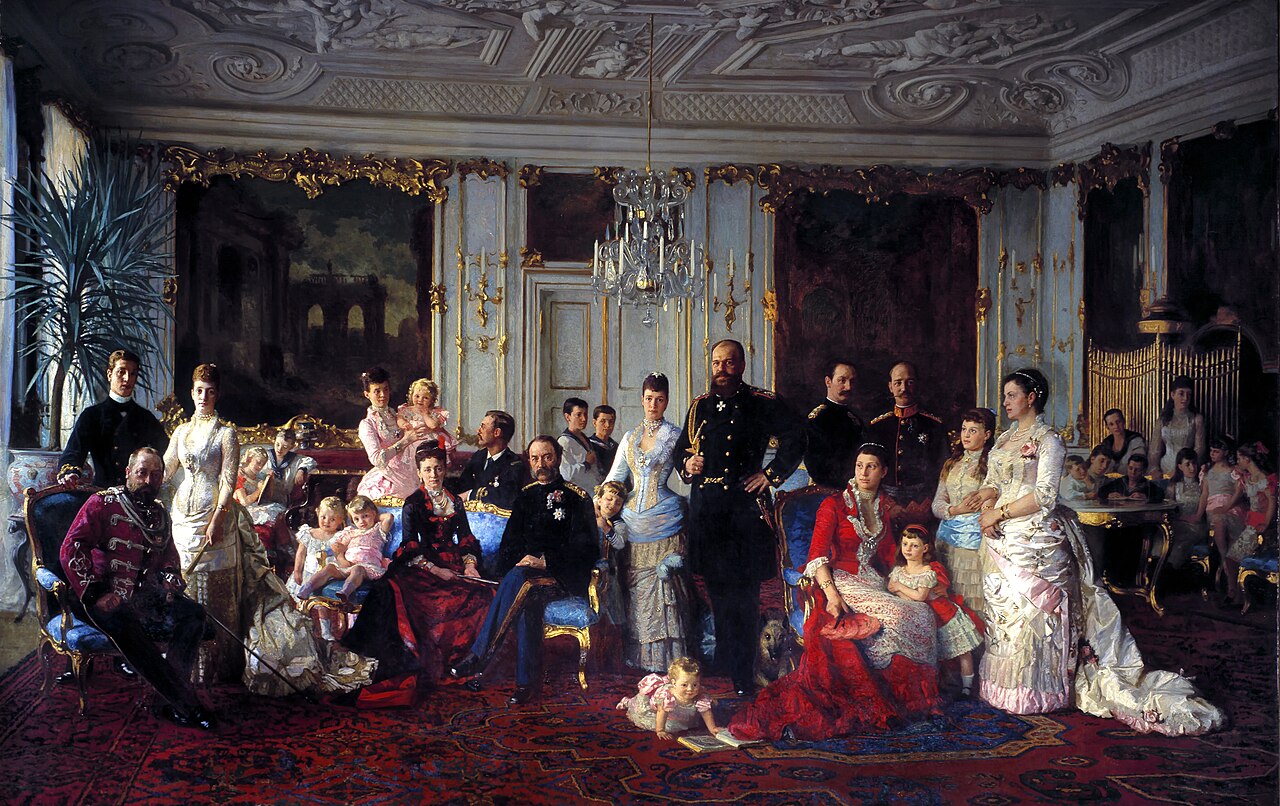 Painting
Secondary source
The Family of Christian IX of Denmark
Laurits Tuxen · 1886
Free account
Read every George I of Greece source
Sign up free →
Ready when you are
Start chatting with George I of Greece now.
20 messages free · No credit card · Available in 50+ languages.